
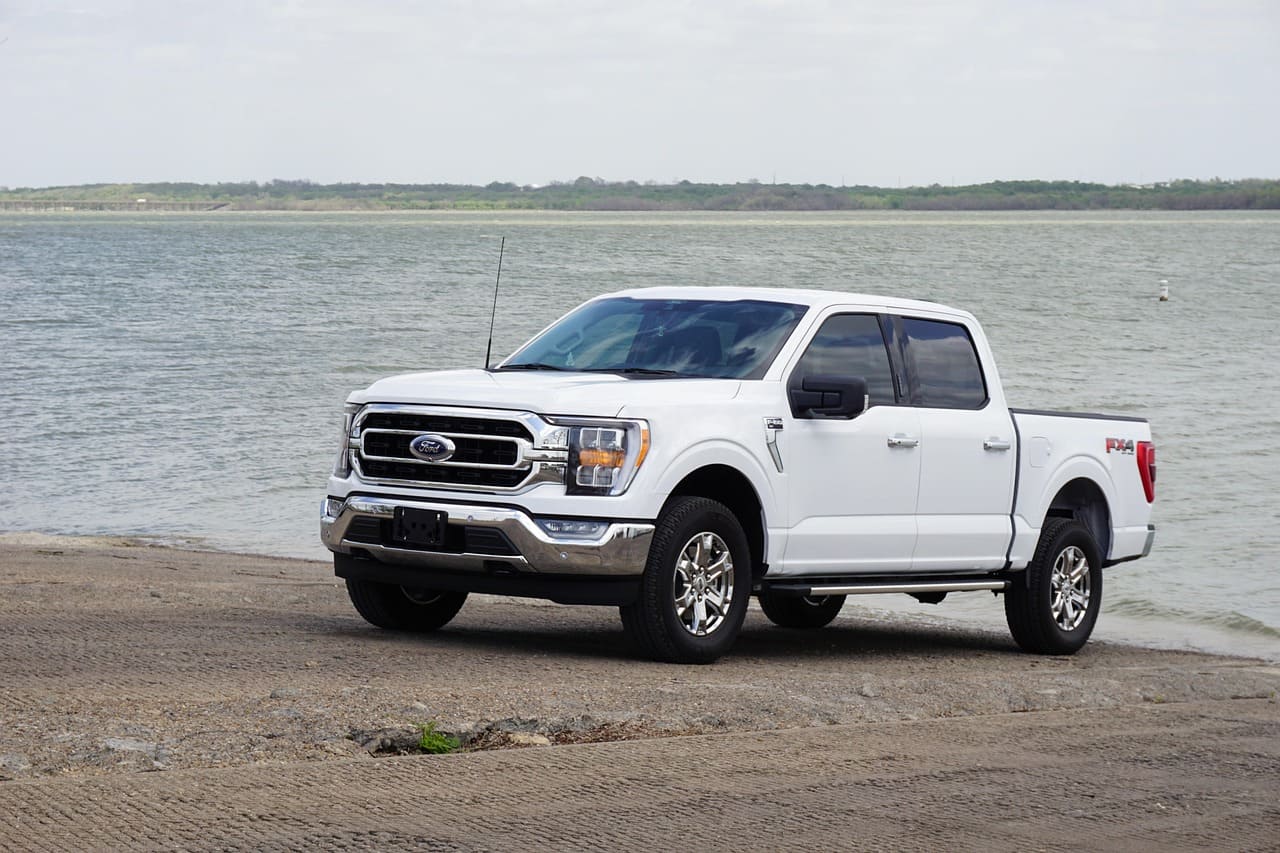
If your Ford F-150 cruise control is not engaging, the problem usually stems from issues like a blown fuse, faulty brake light switch, a damaged cruise control switch, or sensor malfunctions. Understanding these common causes can help you quickly identify the reason your cruise control isn’t activating and take the right steps to fix it.
Cruise control relies on several components working together, including sensors, the actuator, and electrical connections. Any failure in these parts—such as a speed sensor problem or a contaminated throttle actuator—can prevent the system from setting or maintaining your desired speed.
You also need to consider simple electrical issues, like blown fuses or corroded wiring, which can stop the cruise control system from powering up. Keeping an eye on dashboard warning lights and verifying brake light functionality can save time diagnosing these problems. For more detailed insights, check common causes of Ford F-150 cruise control failure and their fixes.
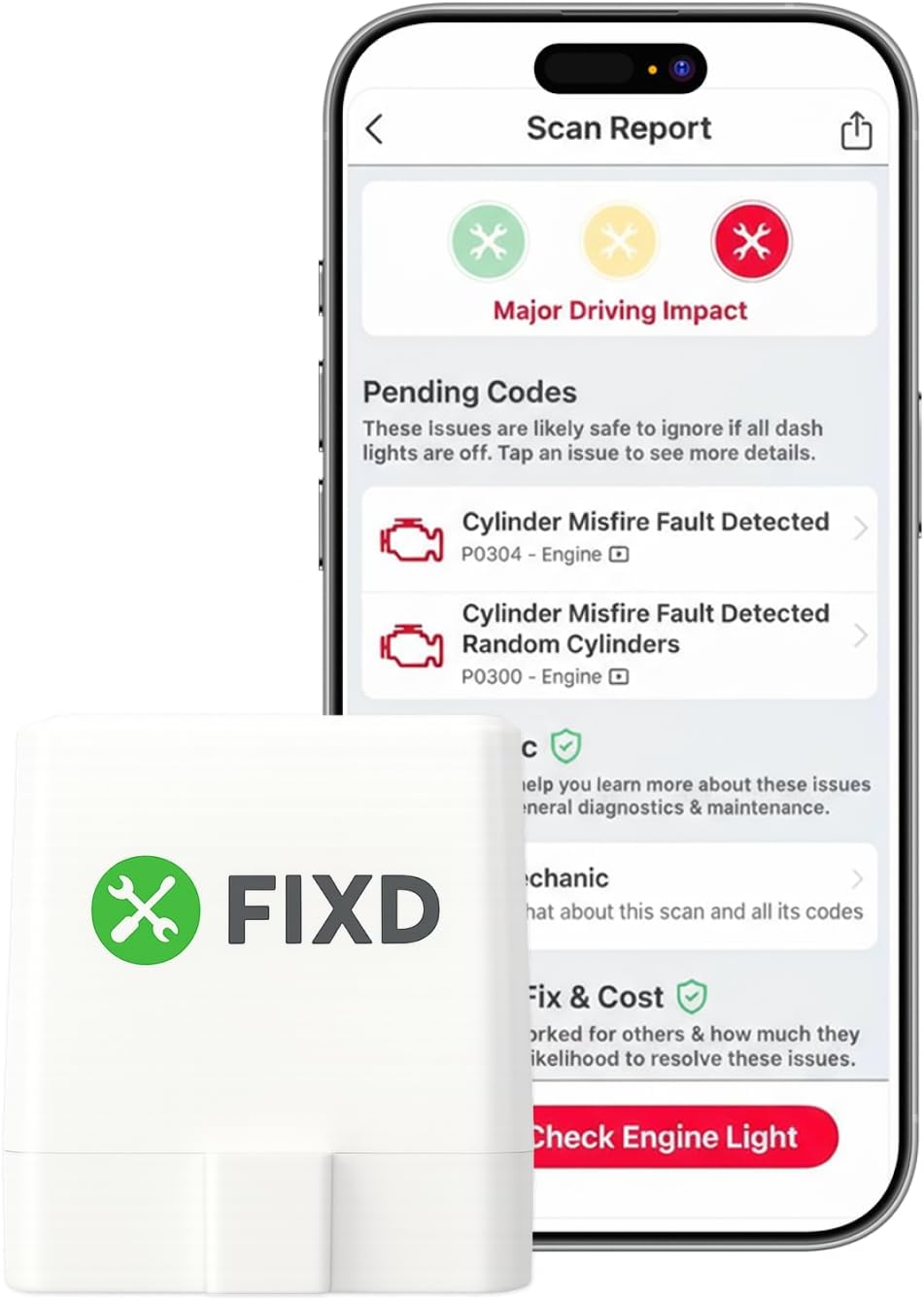
Best Bluetooth OBD2 Scanner
Detect 39,000+ Issues With Enhanced Codes. Save $1000s on car repairs & buying used vehicles by diagnosing problems yourself.
Shop on AmazonCommon Causes of F150 Cruise Control Not Engaging
If your Ford F150 cruise control isn’t engaging, the issue often traces back to specific electrical or sensor faults. Understanding these causes helps you identify what might be preventing the system from activating when you try to set it.
Blown Fuse or Faulty Cruise Control Fuse
A blown fuse is a common yet overlooked reason your cruise control may fail to engage. The cruise control system relies on an electrical fuse to regulate power flow. If this fuse is blown, the system loses power entirely or intermittently.
Check your vehicle’s fuse box for the cruise control fuse. Inspect it visually for signs of damage, such as a brown or broken filament. Replacing a blown fuse often restores functionality, but if it blows repeatedly, it may indicate faulty wiring or another electrical issue.
Testing the cruise control fuse is a simple first step. If you find the fuse intact, move on to other components, but don’t underestimate a faulty fuse’s impact on your F150’s cruise control problems. For more detailed diagnostics, see this guide on F150 cruise control issues and solutions.
Damaged or Malfunctioning Cruise Control Switch
Your Ford F150 uses a cruise control switch located near the steering wheel to activate and set cruise control speeds. If this switch becomes damaged or malfunctions, the system will fail to engage even when all other parts are working correctly.
Damaged cruise control switches often have broken internal springs or worn contacts that prevent the system from receiving your commands. Frequent pressing or excessive force on these buttons can accelerate wear. You may notice the cruise control indicator light on your dashboard does not illuminate when pressing the control button, signaling a switch malfunction.
Replacing a faulty cruise control switch is often necessary to regain full functionality. Avoid activating the cruise control switch repeatedly in heavy traffic to preserve its condition. For a detailed explanation, visit the cruise control problems page.
Issues with Brake Light Switch or Brake Lights
The cruise control system depends heavily on the brake light switch and brake lights’ proper operation. Pressing the brake pedal disengages cruise control immediately, so if the brake light switch malfunctions, the system may prevent cruise control from engaging.
Faulty brake light switches can cause brake lights to remain on constantly or not activate at all. Problems arise if corrosion, dirt, or misalignment affects the brake pedal or switch. These issues create false brake signals, tricking the cruise control into thinking the brakes are applied, thereby disabling cruise control engagement.
You can diagnose this by checking if your brake lights behave normally and cleaning any debris or corrosion around the brake pedal mechanism. Repair or replacement of the brake light switch often fixes the cruise control engagement problem. More details are available on typical Ford F150 cruise control faults.
Check Engine Light and Related Engine Problems
A lit check engine light often indicates issues affecting your F150’s cruise control. The cruise control system relies on smooth engine operation and proper throttle control to maintain speed. Engine problems like vacuum leaks, faulty sensors, or transmission issues disrupt this balance.
When the check engine light is on, the vehicle’s onboard computer may disable the cruise control feature as a safety precaution. Problems like poor airflow, ignition faults, or engine misfires cause insufficient power or erratic throttle response, preventing cruise control from setting speed reliably.
If your check engine light is illuminated, use an OBD-II scanner to diagnose the exact fault codes. Addressing these engine concerns restores cruise control functionality. Find out more about the connection between the check engine light and cruise control in this comprehensive guide.
Sensor and Module Issues Affecting Cruise Control
Several key components work together to ensure your Ford F-150’s cruise control engages and maintains the set speed correctly. Problems with sensors, cables, or vacuum systems can prevent the cruise control from activating or cause it to disengage unexpectedly.
Vehicle Speed Sensor Failure or Malfunction
Your cruise control relies on accurate input from the vehicle speed sensor, which monitors wheel speed. If this sensor malfunctions or fails, the system cannot maintain a consistent speed because it lacks crucial data.
Speed sensor issues often arise from corrosion, damaged wiring, or onboard computer faults. Dirt and road salt accelerate deterioration, affecting signal transmission. You might notice the cruise control light failing to illuminate or erratic speed adjustments.
Regularly inspect the sensor and its wiring for corrosion or damage. Cleaning the sensor with a wire brush can help restore proper function. If the sensor is faulty, it will need replacement to resolve cruise control problems.
Actuator Cable or Throttle Response Problems
The actuator cable connects to the throttle mechanism, controlling airflow and engine speed to maintain your selected cruise speed. When this cable becomes stretched, broken, or clogged with carbon buildup, it compromises throttle response.
A faulty actuator cable prevents smooth throttle adjustments, causing the cruise control to disengage or fail to engage. You may experience irregular acceleration or lack of speed hold during cruise mode.
Cleaning the throttle body and actuator with a proper cleaner can improve response. However, damaged cables require replacement for proper cruise control functionality.
Vacuum Leaks Impacting System Performance
Vacuum leaks disrupt the delicate balance of air and fuel in your engine. Since cruise control depends on precise engine management, leaks can affect throttle control and the system’s ability to maintain speed.
Leaks commonly occur in vacuum hoses or intake manifold gaskets. Symptoms include rough idling, reduced engine power, and cruise control deactivation. You may also see a check engine light indicating these issues.
You should inspect vacuum lines for cracks or disconnections, and have leaks repaired promptly. Bleeding the brake system and fixing vacuum-related problems ensures cruise control operates smoothly without unexpected interruptions.
For additional insight into sensor-related cruise control issues, visit Ford F150’s cruise control sensor problems and solutions.
Adaptive Cruise Control and Radar Sensor Concerns
When your Ford F150’s adaptive cruise control doesn’t engage, the issue often lies with the radar sensor or the Cruise Control Module (CCM). Proper sensor alignment, cleanliness, and calibration play key roles in keeping the system functional. Modifications to your vehicle can also introduce challenges that affect these components’ performance.
Adaptive Cruise Control System Overview
Adaptive cruise control uses radar sensors and cameras to monitor the distance between your truck and vehicles ahead. The system adjusts your speed automatically to maintain a safe following gap. The central Cruise Control Module (CCM) processes data from these sensors to control acceleration and braking.
If the CCM malfunctions or receives faulty sensor data, adaptive cruise may not engage. The system relies on clear sensor input to make precise adjustments. When sensors detect blocked views or misalignment, the CCM disables adaptive cruise to prevent unsafe driving conditions.
Radar Sensor Alignment and Cleaning
Your F150’s radar sensor is typically housed behind the front bumper. Dirt, mud, ice, or physical damage can obstruct the sensor’s field of view, triggering “sensor blocked” warnings and disabling adaptive cruise.
Regularly inspect and clean the sensor using a soft cloth and mild cleaner, avoiding harsh chemicals that could damage protective coatings. If you notice persistent warnings, check the sensor alignment. Misalignment may result from minor collisions or wear affecting the CCM bracket, requiring professional adjustment using diagnostic tools and proper torque specifications.
Common Adaptive Cruise Issues after Modifications
Upgrading tires, leveling kits, or changing suspension components can affect the radar sensor’s orientation and coordination with the CCM. Even slight shifts can cause the system to register sensor misalignment or false blockages.
If you’ve installed aftermarket parts, it’s crucial to recalibrate the adaptive cruise system. This involves realigning the CCM and sensors with specialized equipment and software. Failure to recalibrate often leads to repeated “sensor not aligned” warnings and adaptive cruise control failures despite clear sensors.
Diagnosing and Fixing Ford F150 Cruise Control Problems
When your Ford F150 cruise control isn’t engaging, several factors could be causing the issue. Common problems include electrical faults, sensor failures, or mechanical issues that affect the system’s activation and operation. Understanding how to identify and address these problems can help restore functionality efficiently.
Step-by-Step Troubleshooting Process
Start by checking the cruise control fuse located in your truck’s fuse box. A blown fuse is a frequent cause of cruise control failure and can often be visibly identified by a brownish or damaged filament. If the fuse is intact, test the cruise control switch on your steering wheel. This switch activates the system, and if it’s faulty, the cruise control light on your dashboard may not illuminate.
Next, inspect the brake light system. Since the cruise control disengages when you press the brake, a malfunctioning brake light switch or stuck brake pedal can prevent the system from engaging. Also, check for engine issues signaled by the check engine light, as poor throttle control or vacuum leaks may disable cruise control.
Identifying When Professional Help Is Needed
If you’ve replaced fuses and inspected the switches but the cruise control still won’t engage, professional diagnostics may be necessary. Issues with the speed sensor, actuator, or adaptive cruise control sensors require specialized tools to test or clean components.
Electrical wiring problems and the control module can also cause intermittent or complete failure and usually require expert evaluation. If your F150 shows multiple warning lights or inconsistent throttle response, it’s best to consult a mechanic. Attempting repairs beyond basic checks can risk further damage to the electronic systems.
Preventative Maintenance and Best Practices
To keep your cruise control functioning properly, regularly check and clean related components. Remove dirt and corrosion from the brake pedal assembly and keep sensors and cameras free of dust. Avoid frequent activation and deactivation of the cruise control switch in heavy traffic to reduce wear.
Inspect fuses periodically and address any engine issues promptly. Maintaining clean throttle bodies and bleeding the brake system can prevent pedal-related problems. Following these maintenance tips helps minimize common failures and prolongs your F150’s cruise control reliability.
For more detailed guidance on Ford F150 cruise control repair, refer to the troubleshooting insights at Blue Springs Ford.