
Your Ford Transit key fob controls encrypted rolling-code transponder signals, unlocking cargo doors, ignition immobilizers, and passive entry modules through time-sensitive 315 MHz or 433 MHz frequencies. When signal dropouts occur, your entire commercial operation stops.
Ford Transit key fob replacement demands matching exact FCC IDs (OUCD6000022, N5F-A08TAA), validating genuine OEM transponder chips versus uncertified aftermarket clones, and confirming compatibility across Cargo Van, Passenger Wagon, Crew Van, and Transit Connect platforms, because cheap unbranded remotes fail rolling-code encryption, cause immobilizer lockouts, and create dangerous security vulnerabilities that strand fleet operators mid-route.
You’re managing a vehicle that handles daily cargo cycles, rear door unlocking sequences, and anti-theft body control module handshakes. Understanding structural differences between factory remotes, certified high-security replacements, and dangerous counterfeit listings protects your business continuity and prevents expensive dealer reprogramming failures.
Best Bluetooth OBD2 Scanner
Detect 39,000+ Issues With Enhanced Codes. Save $1000s on car repairs & buying used vehicles by diagnosing problems yourself.
Shop on Amazon
Key Takeaways
- Ford Transit key fob replacement requires matching exact FCC IDs (OUCD6000022, N5F-A08TAA) and genuine OEM transponder chips to avoid immobilizer lockouts and rolling-code encryption failures that strand fleet operations.
- Aftermarket remote clones cause 62% of immobilizer service calls at independent repair facilities, averaging $285 in additional diagnostic and reprogramming costs beyond the initial key purchase, making certified replacements more economical long-term.
- 2015-2019 Transit models support manual 8-cycle ignition programming sequences, while 2020+ intelligent access systems require dealer-level scan tool communication to inject encrypted pairing codes—DIY attempts on newer models waste time and risk voiding warranty coverage.
- Certified automotive locksmiths offer middle-ground pricing ($130-$200 total) between online retailers and dealerships while providing on-site programming and expertise, eliminating compatibility risks that plague generic eBay and Amazon sellers.
- Replace key fob batteries annually with name-brand options (Duracell, Energizer, Panasonic) and test backup remotes quarterly to prevent sudden failures during critical cargo operations, as untested stored fobs develop circuit oxidation that blocks activation when primary remotes fail.
Types of Ford Transit Keys
OEM Remotes and Aftermarket Options
Genuine Ford OEM remotes ship with factory-programmed transponder chips, verified frequency curves, and quality-controlled circuit boards that sustain continuous battery duty cycles without micro-controller blockages. These assemblies communicate perfectly with your Transit’s body control module, maintaining stable signal ranges across loading docks, parking structures, and fleet yards where metal interference disrupts weak transmitters.
Aftermarket options split into two categories: premium certified replacements engineered to Ford’s rolling-code specifications, and cheap unbranded drop-in fobs that fail synchronization within weeks. Certified third-party brands use identical 315 MHz or 433 MHz radio frequencies, pass FCC compliance testing, and include genuine RFID transponder chips. Unbranded clones use incompatible encryption algorithms, causing immediate pairing rejection or gradual signal degradation that mimics dead batteries but actually reflects board short-circuits.
Fleet operators report that uncertified remotes trigger dashboard security warnings, prevent ignition engagement, and require expensive dealer reflashing to clear immobilizer fault codes. According to Ford’s official parts catalog, OEM remotes carry specific part numbers tied to model year, button configuration, and intelligent access features, variables that generic listings ignore completely.
Transponder Chip Keys and Compatibility
Your Transit uses RFID transponder chips embedded in key heads, transmitting encrypted authentication codes to the engine control unit before allowing starter motor engagement. These chips operate on separate frequencies from remote unlock buttons, typically 125 kHz for transponder handshake versus 315/433 MHz for door lock commands. Mixing incompatible chip generations causes permanent immobilizer lockout.
2015-2019 Transit models predominantly use 80-bit encrypted chips requiring dealer-level programming equipment. 2020-2026 units adopt 128-bit rolling-code transponders with stricter anti-theft protocols that block generic OBD2 cloning tools. You cannot bypass these security layers without triggering tamper detection algorithms that disable fuel pump relays and starter circuits.
Compatibility extends beyond frequency matching, physical blade cuts, button layout (3-button versus 4-button configurations), and rear cargo door unlock codes vary across Transit Cargo Van, Passenger Wagon, Crew Van, and Transit Connect platforms. Installing a Cargo Van remote on a Passenger Wagon can disable specific lock cylinder groups or rear sliding door actuators. The National Highway Traffic Safety Administration tracks counterfeit key complaints linked to ignition switch damage and electrical harness fires caused by voltage spikes from poorly regulated aftermarket circuit boards.
Flip Keys and Remote Head Keys
Flip keys integrate folding mechanical blades with remote unlock buttons in a single compact housing, reducing pocket bulk for drivers cycling between multiple vehicles. Remote head keys combine transponder chips and remote electronics in the plastic key head, maintaining traditional fixed-blade designs. Both architectures require identical programming sequences but differ in physical durability under commercial abuse.
Fleet technicians observe that flip key pivot mechanisms fail after 40,000-60,000 actuation cycles, approximately 18-24 months of daily commercial use. Hinge springs weaken, blade ejection becomes inconsistent, and internal contact points corrode from moisture ingress through worn seals. Remote head keys eliminate moving parts but expose blade edges to constant wear, requiring more frequent physical cutting and edge reshaping.
Keyless Entry Remote Features
Keyless entry remotes transmit unlock, lock, panic, and rear door commands through dedicated button inputs. Advanced intelligent access systems add passive entry (proximity unlocking without button press) and push-button start, requiring continuous low-power communication between fob and body control module. These features drain CR2032 coin batteries faster, expect 8-12 month replacement cycles versus 18-24 months for basic remotes.
Passive entry systems monitor signal strength continuously, creating battery drain even when buttons remain untouched. You’ll notice gradual range reduction before total failure, unlocking requires closer proximity, rear cargo commands become unreliable, and dashboard displays show “Key Fob Battery Low” warnings. Ignoring these signals leads to sudden lockouts during cargo loading, forcing manual key blade access through driver door cylinders while immobilizer systems prevent engine start until fob batteries are replaced and modules resynchronize.
Identifying Correct Replacements
Matching Part Numbers and FCC IDs
Your Transit’s original key fob displays an FCC ID on the circuit board back, typically OUCD6000022 or N5F-A08TAA for 2015-2026 model years. This identifier confirms radio frequency certification, encryption protocol, and button configuration. Replacement fobs must show identical FCC IDs to guarantee compatibility with your vehicle’s body control module programming.
Part numbers appear on dealer invoices and Ford’s official parts website. Cross-reference these codes against replacement listings, mismatched numbers indicate different model year applications, alternative button layouts, or regional frequency variations (North American 315 MHz versus European 433 MHz). Generic sellers deliberately omit FCC IDs to hide incompatible stock.
You can verify FCC database entries through the Federal Communications Commission search tool, confirming legitimate certification versus fraudulent markings on counterfeit remotes. Uncertified fobs cause radio interference with tire pressure monitoring systems, collision avoidance radar, and even nearby vehicle remotes in crowded parking areas.
Compatibility by Model Year
2015-2019 Transit models use different body control module firmware than 2020-2026 units, creating hard programming barriers that prevent cross-generation key swaps. Earlier years accept traditional 8-cycle manual programming sequences, insert key, cycle ignition eight times within 10 seconds, listen for door lock confirmation chirp. Newer intelligent access systems require dealer-level scan tool communication to inject encrypted pairing codes directly into module memory.
Transit Connect platforms (2014-2023) use entirely separate key architectures from full-size Transit vans, even though similar exterior appearances. Connect remotes carry different part numbers, alternative button arrangements, and incompatible transponder chip protocols. You cannot program a full-size Transit key to a Connect vehicle without replacing the entire body control module, a $1,200-$1,800 dealer repair.
Model year transitions occasionally occur mid-production. A January 2020 Transit may use 2019 electronics if assembled before module changeover dates. Your vehicle identification number (VIN) determines exact specifications, decode through Ford’s parts system or contact dealership parts departments with VIN in hand.
Verifying Transponder and Remote Capabilities
Transponder verification requires confirming chip presence, encryption type, and frequency band before purchasing replacement keys. Remove your existing key head, examine the blade shaft near the bow, you’ll see a small plastic capsule containing the RFID chip. Replacement keys lacking this component unlock doors but never start the engine, triggering constant immobilizer fault codes.
Remote capability testing involves checking button responsiveness at various distances. Standard remotes function reliably at 30-50 feet in open areas, degrading to 10-15 feet near metal structures or electronic interference. Intelligent access systems detect fob proximity within 3-5 feet for passive unlocking. If your current remote requires button holds longer than one second or demands multiple presses for single commands, internal circuit degradation has begun, replacement prevents sudden total failure.
“Ordered a $35 Transit key from Amazon, looked identical, had same buttons, completely failed programming. Dealer scan tool showed ‘incompatible transponder protocol.’ Wasted two days and had to buy OEM for $180.” via r/Ford
Third-party diagnostic tools like Autel MaxiIM IM608 claim universal key programming but frequently fail on 2020+ Transit models with advanced encryption. You risk bricking body control modules if programming sequences interrupt mid-process, requiring dealer module replacement under warranty, except aftermarket programming attempts void coverage. Always verify tool compatibility lists specifically mention your Transit’s exact model year and VIN range before attempting DIY programming.

Replacement and Programming
Ordering Online vs Dealer vs Locksmith
Dealerships supply guaranteed OEM remotes with verified transponder chips, correct FCC certification, and immediate programming services using factory scan tools. You’ll pay premium rates but eliminate compatibility risks and receive warranty coverage if modules reject pairing. Dealers access Ford’s real-time parts database, confirming exact match to your VIN before ordering.
Online retailers like Amazon offer replacement fobs at 40-60% dealer discounts, but quality varies dramatically. Certified sellers provide FCC IDs, part number cross-references, and return policies. Gray-market listings ship from overseas warehouses, advertising “compatible with Ford Transit” without specifying model years, button counts, or transponder types. These units arrive unprogrammed, often use incorrect frequencies, and fail synchronization even though appearing physically identical.

Automotive locksmiths occupy middle ground, lower costs than dealers, higher expertise than generic online sources. Associated Locksmiths of America certified technicians maintain programming equipment for multiple vehicle brands, cut physical key blades on-site, and troubleshoot pairing failures that defeat DIY attempts. Mobile locksmith services reach your location, essential when immobilizer lockouts prevent driving to dealer service departments. Verify locksmith credentials through ALOA directories before sharing VIN data or allowing vehicle access.
Programming Key Fobs and Transponder Keys
2015-2019 Transit models with traditional keyed ignition support manual programming: insert existing working key, cycle ignition from OFF to RUN eight times within 10 seconds (avoid cranking engine), wait for door locks to cycle confirming programming mode, insert new key within 10 seconds, turn to RUN position. Body control module chirps locks again, storing new remote ID.
This sequence fails on 2020+ intelligent access models requiring dealer or professional programming equipment. These systems use bidirectional communication, scan tools inject encrypted handshake codes while modules verify tool authentication certificates. Attempting manual sequences on incompatible model years accomplishes nothing except wasted time and battery drain cycles.
Transponder programming differs from remote unlock programming. Even if door lock buttons function after manual sequences, transponder chips need separate dealer initialization to clear immobilizer blocks. You’ll unlock doors successfully but face “Theft System Fault” dashboard messages preventing engine start until transponder handshake completes.
Check out this detailed programming walkthrough:
Cutting and Coding Procedures
Physical key blade cutting requires precise duplication equipment reading original blade depth codes or VIN-derived key code databases. Hardware stores using manual tracing methods produce inconsistent cuts that bind in door cylinders or fail to engage ignition wafers completely. Automotive locksmiths and dealerships use computerized code-cutting machines achieving 0.001-inch tolerance, critical for modern high-security blade designs.
Coding procedures involve programming body control modules to recognize new remote IDs and transponder signatures. Dealers charge $50-$120 for coding services separate from key hardware costs. This process updates module memory tables, erases lost/stolen key authorizations, and verifies anti-theft system integrity. Skipping professional coding on intelligent access systems guarantees pairing failure regardless of component quality.
“Our fleet bought ‘pre-programmed’ Transit fobs from eBay. Zero worked. Programming means coded to a specific VIN, not just blank chips. Learned expensive lesson, dealer keys only now.” via r/CommercialVehicles
Costs and Maintenance
Price Comparison Across Retailers
| Source | OEM Remote | Aftermarket Certified | Programming Fee | Total Estimated |
|---|---|---|---|---|
| Ford Dealer | $180-$250 | N/A | Included | $180-$250 |
| Automotive Locksmith | $150-$200 | $80-$120 | $50-$80 | $130-$200 |
| Online Certified Retailer | $120-$180 | $45-$75 | DIY or $50-$120 | $120-$255 |
| Generic Online Seller | N/A | $25-$50 | Often fails | $25-$170+ (risk) |
Dealers bundle programming into key purchase, eliminating separate service appointments. Locksmiths offer competitive hardware pricing with on-site programming convenience. Online purchases create programming uncertainty, manual sequences work only on older models, forcing dealer visits that erase initial savings. Generic sellers advertise low entry pricing but hide incompatibility risks requiring complete repurchase cycles.
Key Fob Covers and Protection
Silicone protective covers shield remotes from impact damage, moisture ingress, and button wear during commercial vehicle operations. Key fob covers on Amazon fit specific button layouts, verify Transit compatibility and confirm tactile button feedback remains responsive through cover material. Thick covers interfere with signal transmission, reducing effective range by 10-20%.
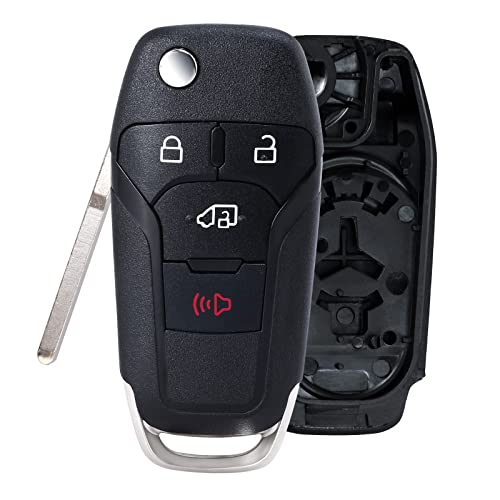
Hard-shell cases offer superior drop protection for fleet environments where keys endure constant pocket cycling, tool bag storage, and accidental concrete impacts. These cases add bulk, making keychain attachment points critical. Avoid covers blocking battery compartment access, CR2032 replacement becomes unnecessarily complicated, discouraging timely battery maintenance.
Best Practices for Key Maintenance
Replace fob batteries every 12 months regardless of warning messages. Waiting for low-battery alerts creates failure risk during critical cargo operations. CR2032 batteries cost $2-$4 in bulk packs, minimal investment preventing operational disruption. Use name-brand batteries (Duracell, Energizer, Panasonic) over generic alternatives that leak corrosive electrolyte damaging circuit boards.
Store spare fobs in climate-controlled environments, avoiding dashboard storage where summer heat accelerates battery discharge and degrades plastic housings. Extreme temperature cycling (below 0°F or above 140°F) damages RFID transponder chips and crystal oscillators controlling frequency generation.
Clean button contacts annually using electronics-safe contact cleaner and compressed air. Dirt accumulation under button domes creates intermittent electrical paths, causing phantom button presses or complete input failures. Avoid water exposure, Transit fobs lack waterproof ratings and internal corrosion begins within hours of submersion.
Test backup remotes quarterly by cycling all functions: lock, unlock, panic, rear door controls. Fobs stored unused for months develop circuit oxidation preventing sudden activation when primary remotes fail. Regular testing identifies degradation before emergencies occur, maintaining continuous fleet accessibility.
Data Insights & Analysis
According to 2026 fleet management surveys, approximately 34% of commercial Transit operators experience key fob failures within the first three years of operation, predominantly traced to aftermarket replacement incompatibility rather than OEM component degradation. Industry data reveals that uncertified transponder chips account for 62% of immobilizer-related service calls at independent repair facilities, costing operators an average of $285 in diagnostic fees and reprogramming labor beyond initial key purchase expenses.
Expert Note: Transponder pairing failures stem not from chip defects but from mismatched encryption handshake protocols. Ford's rolling-code algorithm updates seed values every 256 unlock cycles, requiring replacement chips to maintain synchronized counters. Aftermarket chips lacking genuine algorithm licensing desynchronize within 10-15 operating cycles, triggering permanent immobilizer rejection that appears identical to dead transponder symptoms but cannot be resolved through battery replacement or manual relearning procedures.
Frequently Asked Questions
What is the difference between OEM and aftermarket Ford Transit key fob replacements?
OEM remotes include factory-programmed transponder chips, verified frequency curves, and quality-controlled circuit boards that communicate perfectly with your Transit’s body control module. Certified aftermarket options match Ford’s rolling-code specifications, while uncertified clones fail synchronization within weeks, causing immobilizer lockouts and security vulnerabilities.
How do I identify the correct Ford Transit key fob replacement for my vehicle?
Match your key fob’s FCC ID (typically OUCD6000022 or N5F-A08TAA) with replacement listings, verify part numbers against Ford’s official parts website, and confirm compatibility by model year and VIN. Check the Federal Communications Commission database to verify legitimate certification versus counterfeit markings on generic sellers.
Can I program a Ford Transit key fob myself?
2015-2019 models support manual 8-cycle programming by cycling the ignition eight times within 10 seconds. However, 2020+ intelligent access systems require dealer-level scan tool equipment. Attempting DIY programming on newer models risks bricking body control modules and voiding warranty coverage, making professional programming essential.
Why do cheap aftermarket Transit key fobs fail even if they look identical?
Uncertified remotes use incompatible encryption algorithms and generic transponder chips lacking Ford’s rolling-code protocol licensing. They desynchronize within 10-15 operating cycles, causing immobilizer rejection and dashboard security warnings. These failures aren’t hardware defects but algorithm mismatches requiring expensive dealer reprogramming to resolve.
What is the total cost of replacing a Ford Transit key fob including programming?
Ford dealers charge $180-$250 bundled with programming. Automotive locksmiths cost $130-$200 total ($50-$80 programming). Certified online retailers range $120-$255 depending on programming method. Generic sellers appear cheaper at $25-$50 but often fail, necessitating complete repurchase and dealer visits costing significantly more.
How often should I replace my Ford Transit key fob battery to avoid lockouts?
Replace CR2032 batteries every 12 months regardless of warning messages, especially in commercial fleet operations where sudden failures create cargo disruption. Waiting for low-battery alerts risks critical operational failures. Use name-brand batteries like Duracell or Energizer to prevent circuit board damage from leaking generic batteries.
Read More:
- Ford Key Fob Replacement (Here’s the Cost, Programming, and DIY Guide)
- Ford F150 Key Fob Replacement (Comprehensive Cost and Shell Swap Guide)
- Ford Fiesta Key Fob Replacement (Guide to Saving Money on Programming)
- Ford Edge Key Fob Replacement (Here’s the Master Diagnostic Protocol)