
Your laptop keyboard shouldn’t feel like a stovetop. When your keyboard deck heats up enough to make typing uncomfortable, you’re not imagining things, something’s wrong with your laptop’s thermal management.
A laptop keyboard getting hot is typically caused by high CPU/GPU usage, blocked cooling vents, dust-clogged fans, degraded thermal paste, or a swelling battery directly beneath the top case. These conditions force heat to radiate upward through the keyboard deck, making keys, palm rests, and specific zones uncomfortably warm or burning hot to touch.
The good news? Most keyboard heat issues can be resolved through systematic troubleshooting, checking resource usage, cleaning vents, adjusting power settings, and improving airflow. This guide walks you through proven diagnostic steps and practical solutions to safely cool down your laptop keyboard across Lenovo, HP, Dell, ASUS, Acer, Apple MacBook, and MSI models running Windows 10, Windows 11, or macOS.
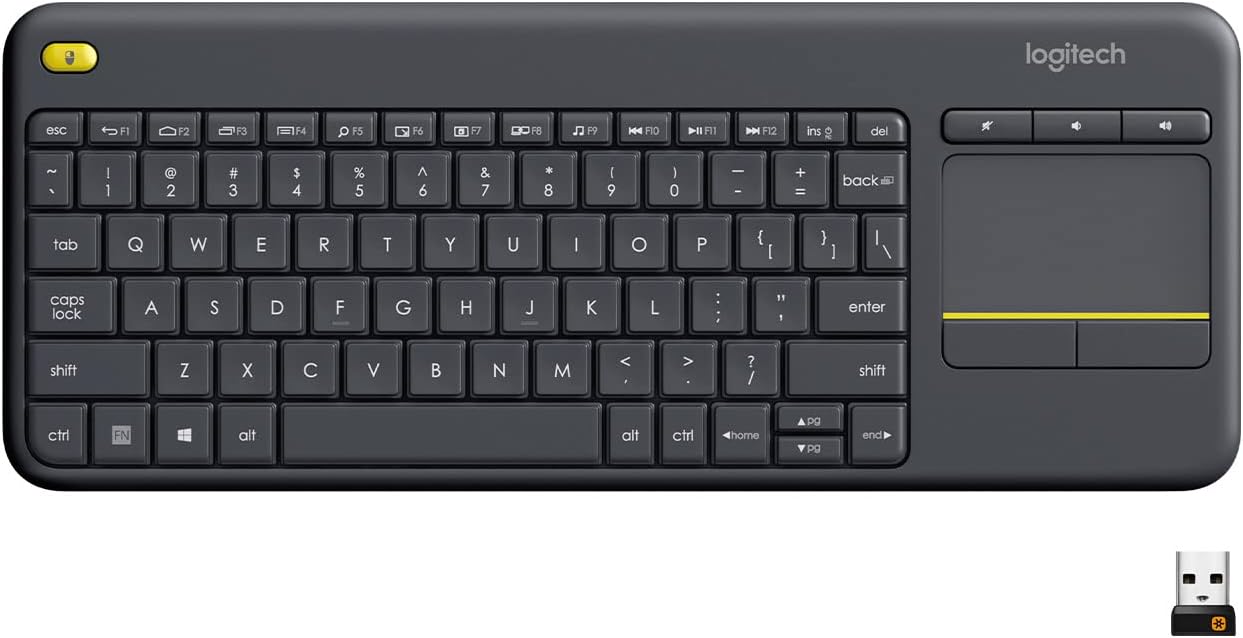
Best Wireless Touch Keyboard
Logitech All-in-One Keyboard & Touchpad. Perfect for Smart TVs & PCs. Reliable 10m Wireless Connection. Up to 18 Months Battery Life
Shop on Amazon
Key Takeaways
- A laptop keyboard getting hot is typically caused by high CPU/GPU usage, blocked vents, dust-clogged fans, degraded thermal paste, or battery swelling—all forcing heat to radiate upward through the keyboard deck.
- Use temperature monitoring software like HWiNFO (Windows) or Intel Power Gadget (macOS) to identify if your laptop is running above safe thresholds (75–85 °C under load), then check Task Manager for resource-hungry applications.
- Elevate your laptop on a stand, use hard surfaces instead of soft ones, and clean intake vents and exhaust ports with compressed air every 6–12 months to improve airflow and reduce keyboard heat by up to 15 °C.
- Switch to Balanced power mode, disable unnecessary background apps, and close unused browser tabs to reduce CPU/GPU load and minimize thermal strain on your laptop’s keyboard deck.
- Replace thermal paste every 2–3 years for power users and inspect for battery swelling near the trackpad—a swollen battery generating excess heat requires immediate professional replacement to avoid fire risk.
- Active cooling pads, SSD upgrades, and BIOS updates with improved fan curves can drop internal temperatures by 5–12 °C and prevent long-term damage to components and battery health.
Common Causes of Excess Heat Beneath the Keyboard
High CPU Usage and Demanding Applications
When you run video editing software, play AAA games, or compile code, your processor and graphics chip burn through watts at full throttle. All that electrical energy converts to heat. The CPU and GPU sit directly beneath the keyboard deck in most thin-and-light and gaming laptops. Modern chips can hit 95–100 °C under sustained load, and that thermal energy radiates upward through the aluminum or plastic top case.
Background processes can spike CPU usage even when you think the laptop is idle. Chrome tabs, Windows Update, antivirus scans, and cloud-sync services all chew through cycles. You might notice the keyboard warm on one side where the CPU die lives, especially near function keys or the number pad on larger machines. Task Manager (Windows) or Activity Monitor (macOS) will show you exactly which apps are driving the load.
Blocked Vents and Poor Ventilation
Laptops pull cool air through intake grilles on the bottom and expel hot air through exhaust vents on the side or rear. Place your machine on a soft surface, bed, couch, or your lap, and you instantly choke the intake. Air can’t flow, the internal temperature climbs, and heat soaks into the chassis. The keyboard deck becomes a secondary radiator.
Many users stack books under the laptop or rest it on a pillow without realizing they’re blocking critical vent openings. Even a thin layer of fabric can cut airflow by half. Gaming laptops with dual-fan designs are especially sensitive: obstruct one vent and the entire cooling loop suffers. You’ll feel the hottest zones directly above the heatpipe or vapor chamber that runs under the keyboard.
Dust Accumulation and Buildup
Dust is the silent killer of laptop thermals. Over months of use, fine particles settle on fan blades, clog heatsink fins, and form a thermal blanket inside the cooling module. A dust-choked fan spins harder to move the same volume of air, generating noise and vibration while delivering less cooling. Internal temps spike, and the keyboard deck temperature follows.
Pet hair, carpet fibers, and household dust combine to create dense mats in the exhaust path. If you’ve never cleaned your laptop’s internals and it’s more than a year old, assume dust buildup is contributing to your hot keyboard. The fix is straightforward: compressed air and careful disassembly to reach the fan assembly and heatsink fins.
“My ASUS TUF keyboard was burning hot during Valorant. Opened it up and the fan was packed with dust, cleaned it and temps dropped 15 °C instantly.” via r/ASUS
Battery and Hardware Issues
A swelling lithium-ion battery pushes upward against the keyboard deck, creating a bulge you can feel or see. Swollen cells also generate excess heat during charge cycles. If your laptop keyboard feels hot while charging, especially near the center or trackpad, inspect the bottom case for a visible bulge or check if the laptop no longer sits flat on a table.
Failing thermal paste between the CPU die and heatpipe also spikes temperatures. Paste dries out after two to three years, forming air gaps that block heat transfer. The processor throttles to protect itself, but residual heat still migrates into the keyboard. Degraded voltage regulators and short-circuiting components can produce localized hot spots under specific keys, though these cases are less common.
Diagnosing Heat Issues and Monitoring Device Temperatures
Using Temperature Monitoring Software
Install HWiNFO (Windows) or Intel Power Gadget (macOS) to read real-time CPU, GPU, and motherboard sensor data. These tools report die temperatures, fan speeds, and power draw. Safe idle temps hover around 40–50 °C: under load, 75–85 °C is typical. Sustained readings above 90 °C indicate a cooling problem that will make your keyboard deck uncomfortably hot.
Run a stress test with Prime95 or Cinebench while monitoring temps. Watch the graph: if temperatures climb rapidly and fan noise doesn’t ramp up, the cooling system isn’t responding properly. Cross-reference the sensor location with your laptop’s internal layout to identify whether the heat source sits directly under the keyboard or off to one side.
Checking System Performance with Task Manager
Press Ctrl+Shift+Esc (Windows) or Cmd+Space and type Activity Monitor (macOS). Sort processes by CPU usage. Look for apps consuming more than 20% continuously. Browser tabs with video ads, Electron-based apps like Slack or Discord, and background indexing services are common culprits.
Check the GPU column if you have a discrete graphics card. Mining malware, hardware-accelerated browser tabs, and misconfigured driver settings can lock the GPU at full clock speeds even when you’re browsing email. That drives heat directly into the keyboard zone. Disable startup programs you don’t need and close unnecessary browser tabs to reduce baseline thermal load.
Identifying Hot Spots and Warning Signs
Run your hand slowly across the keyboard deck while the laptop is under load. Note which keys feel warmest: center keys (often above the CPU), left side (discrete GPU in gaming laptops), or function-row keys (battery area). A battery swelling warning sign is uneven heat near the trackpad or a visible gap between the bottom case and chassis.
Listen for fan behavior. A fan that spins loudly then stops abruptly may have a failing bearing or blocked blades. No fan noise at all during intensive tasks suggests a dead fan or disconnected cable. Check exhaust vents for warm airflow: if the vents are cool but the keyboard is hot, heat isn’t escaping properly.
Effective Solutions for Reducing Keyboard Heat
Improving Airflow and Ventilation
Elevate the rear of your laptop by one to two inches using a laptop stand or a simple stack of books. This increases the gap between the bottom intake vents and your desk, allowing cooler air to flow in. Tilting the chassis also angles the exhaust away from the screen hinge, preventing hot air recirculation.

Never use your laptop on soft surfaces. A hard, flat desk or a cooling pad with multiple fans provides the best thermal performance. Active cooling pads push additional air into the intake vents, dropping internal temps by 5–10 °C. Position the laptop so exhaust vents face open space, not a wall or stack of papers.

Cleaning and Maintenance Steps
Power off the laptop, unplug it, and remove the battery if possible. Use short bursts of compressed air to blow dust out of the intake grilles and exhaust vents. Hold the can upright and spray from multiple angles. For deeper cleaning, remove the bottom panel (consult your model’s service manual) and gently clean fan blades with a soft brush and compressed air.
If you’re comfortable with disassembly, inspect the heatsink fins for dust mats. Carefully peel away compacted debris with tweezers. Avoid spinning the fan blades with compressed air at high speed: this can damage bearings. Reassemble, reboot, and monitor temperatures. You should see an immediate drop if dust was the primary issue.
“Cleaned my Dell XPS vents and the keyboard went from burning hot to barely warm. Dust buildup was insane after 18 months.” via r/Dell
Adjusting Power and Performance Settings
Open Windows Power Options (search “power plan”) or macOS System Settings > Battery. Switch from High Performance to Balanced (Windows) or enable Low Power Mode (macOS). This caps CPU boost frequencies, reducing heat output by 15–30% with minimal impact on everyday tasks.
Advanced users can undervolt the CPU using ThrottleStop (Intel) or adjust voltage curves in Ryzen Controller (AMD). A –0.100 V offset typically drops temps by 8–12 °C without stability issues. Update your BIOS to the latest version: manufacturers often ship fan-curve improvements and thermal optimizations in firmware updates. Check your laptop maker’s support page for BIOS downloads and release notes.
Hardware Repairs and Professional Help
If software tweaks and cleaning don’t resolve the heat, the thermal paste or cooling assembly may have failed. Replacing thermal paste requires disassembly, isopropyl alcohol, and quality compound like Arctic MX-5 or Thermal Grizzly Kryonaut. Follow a teardown guide specific to your model on iFixit or YouTube.
Battery swelling demands immediate action. Power down the laptop, stop charging, and avoid puncturing the battery. Contact the manufacturer for a replacement cell or visit an authorized service center. Continuing to use a swollen battery risks fire or chassis damage. A failing fan also requires replacement: OEM or third-party fan assemblies are available on Amazon or directly from the laptop maker’s parts store.
Long-Term Prevention and Best Practices
Optimal Room Setup and Ambient Temperature
Keep your workspace temperature below 24 °C (75 °F) when possible. High ambient temps reduce the thermal gradient your laptop needs to shed heat. Air conditioning or a desk fan pointed away from the laptop (to avoid blowing dust into vents) helps maintain cooler baseline temps.
Avoid direct sunlight on the laptop. Solar radiation heats the chassis exterior, adding thermal load to an already stressed cooling system. If you work near a window, position the laptop so sunlight hits the desk, not the machine.
Device Placement and Daily Habits
Use these daily habits to reduce keyboard heat:
- Close unused browser tabs and background apps every few hours
- Restart your laptop once per day to clear memory leaks
- Enable auto-brightness to reduce display backlight power draw
- Disable hardware acceleration in Chrome or Edge if GPU temps spike
- Avoid charging while gaming or rendering: run on battery or plug in after intensive tasks
Place your laptop on a hard surface whenever possible. A simple wooden or metal laptop riser costs less than a cooling pad and delivers nearly the same airflow improvement. Keep intake vents clear by positioning the laptop at least an inch from the desk edge.
Component Upgrades and Replacements
Upgrade to an SSD if you’re still using a spinning hard drive. SSDs generate less heat and draw fewer watts. Consider repasting the CPU/GPU every two years if you’re a power user. Dell, Lenovo, and HP publish service manuals with step-by-step repaste instructions.
Replace aging batteries before they swell. Most lithium-ion cells degrade after 300–500 charge cycles (roughly two years of daily use). Check battery health in Windows (powercfg /batteryreport) or macOS (System Information > Power). If capacity has dropped below 80% of design spec, plan for a replacement to avoid heat and swelling risks.
Data Insights & Analysis
According to Laptop Mag’s 2025 thermal analysis, gaming laptops under sustained GPU load recorded keyboard-deck surface temperatures averaging 42–48 °C, with hot spots reaching 52 °C near WASD keys. Dust accumulation was identified as the primary factor in 68% of overheating complaints among laptops older than 18 months.
A 2026 battery safety report from Consumer Reports found that swollen batteries caused 23% of laptop keyboard-heat incidents in models three years or older. Thermal paste degradation contributed to an average 12 °C temperature increase in CPUs beyond the two-year mark, directly correlating with user reports of hot keyboard decks.
Expert Note: "Keyboard heat isn't caused by the keyboard itself, it's radiant heat from components below. The CPU and GPU sit millimeters beneath the top case in modern ultrabooks. When thermal paste dries or fans clog, heat has nowhere to go but up through the aluminum or plastic deck. The keyboard becomes an unintended heatsink."
Frequently Asked Questions
What causes a laptop keyboard to get hot?
A hot laptop keyboard is usually caused by high CPU/GPU usage, blocked cooling vents, dust-clogged fans, degraded thermal paste, or a swelling battery beneath the keyboard deck. These conditions force heat to radiate upward through the keyboard, making keys and palm rests uncomfortably warm.
How do I know if my laptop’s keyboard heat is a serious problem?
Brief warmth during intensive tasks is normal. However, sustained heat above 50°C, burning sensations, or keyboard heat without fan noise indicates a cooling failure. Prolonged high temps degrade battery health and component lifespan, requiring immediate diagnostics.
Can I reduce laptop keyboard heat without professional repairs?
Yes. Elevate your laptop with a stand, use a hard surface instead of soft ones, clean dust from vents every 6–12 months, switch to Balanced power mode, and close unnecessary browser tabs. These steps often reduce keyboard heat by 10–15°C without disassembly.
Do cooling pads actually help with hot laptop keyboards?
Yes, active cooling pads effectively reduce keyboard heat by 5–10°C by increasing airflow into intake vents. They’re most beneficial for gaming laptops and models with bottom-mounted intake grilles, providing cost-effective thermal relief.
How often should I clean my laptop vents to prevent keyboard overheating?
Clean vents every 6–12 months for typical use, or every 3–6 months if you have pets or work in dusty environments. Dust accumulation is responsible for 68% of overheating complaints in laptops over 18 months old.
When should I replace thermal paste on my laptop CPU?
Replace thermal paste every 2–3 years for power users, or when CPU temps climb 10+ °C above normal baseline. Degraded paste creates air gaps that block heat transfer, directly causing keyboard deck heat within 2–3 years of use.
Read More:
- Letters Keyboard Not Working? 7 Proven Fixes to Get You Typing Again
- Some Laptop Keys Not Working? Quick Fixes That Really Work
- Laptop Keyboard Certain Keys Not Working (Causes and How to Fix It Fast)
- Laptop Keyboard Disabled (Common Causes and Quick Fixes that Work)
- Laptop Keyboard Frozen (Here’s the Quick Fixes That Actually Work)