
You restart your computer, watch the login screen appear, and then, nothing. Your keyboard sits there, unresponsive. The light blinks on, maybe, but every key you press does absolutely nothing.
The keyboard-not-working-after-restart issue stems from Windows power management settings that cut USB power during the boot sequence, outdated or conflicting HID drivers, or BIOS/UEFI configurations that fail to re-initialize USB devices after a warm reboot. Fast Startup, USB Selective Suspend, and aggressive device power-off settings are the three most common culprits.
This guide walks you through eight diagnostic steps I’ve used in the field to restore reliable keyboard initialization on every reboot. You’ll learn how to disable power-saving states, update controller firmware, and adjust BIOS settings so you never need to unplug and replug your keyboard again.
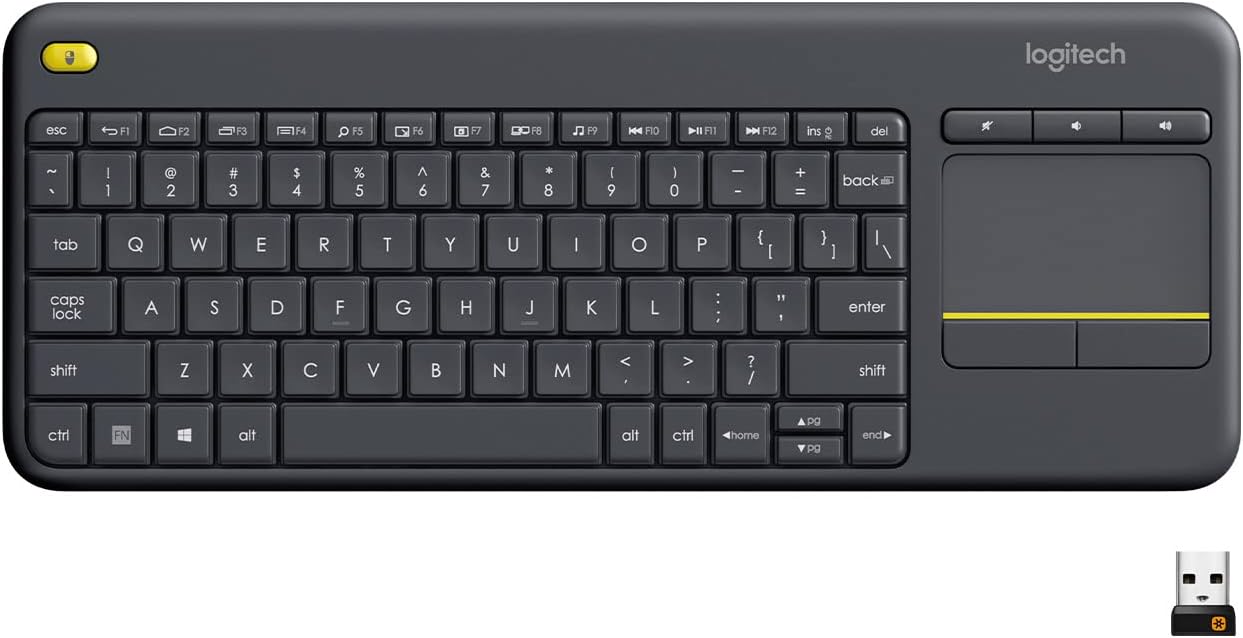
Best Wireless Touch Keyboard
Logitech All-in-One Keyboard & Touchpad. Perfect for Smart TVs & PCs. Reliable 10m Wireless Connection. Up to 18 Months Battery Life
Shop on Amazon
Key Takeaways
- Keyboard not working after restart is typically caused by USB power management settings, outdated HID drivers, or BIOS configurations that fail to re-initialize USB devices during boot.
- Disabling Fast Startup is the single most effective fix, as it forces a true cold boot instead of hibernation mode that leaves keyboard initialization frozen.
- Disable USB Selective Suspend in Power Options and uncheck device power-off settings in Device Manager to prevent Windows from cutting voltage to your keyboard during restart sequences.
- Rolling back corrupted keyboard drivers after Windows updates, or uninstalling third-party software like Corsair iCUE and Razer Synapse, often resolves driver conflicts blocking enumeration.
- Update BIOS/UEFI firmware and enable Legacy USB Support and XHCI Hand-off settings in BIOS to ensure proper USB handoff from firmware to the OS.
- Test with a different USB port, perform a static power drain, or boot into Safe Mode to quickly identify whether the issue is software-based or hardware-related.
Why Does Your Keyboard Stop Working After a Restart?
Your keyboard doesn’t just stop working randomly, it’s a boot sequence and power delivery problem. Windows 10 and 11 use hybrid shutdown states and aggressive USB power management to speed up startup times, but these features cut power to USB ports or fail to send the correct wake signals to your keyboard controller during the reboot handoff.
Driver Conflicts and Updates
Outdated or corrupted HID (Human Interface Device) drivers are the leading cause of post-restart keyboard failures. Windows Update sometimes replaces stable keyboard drivers with generic ones that don’t match your chipset’s USB controller. When the OS hands off control from the UEFI firmware to the Windows kernel, mismatched drivers fail to enumerate the keyboard, leaving you locked out.
Driver conflicts escalate when third-party keyboard software (macro utilities, RGB control apps) installs filter drivers that intercept HID input. If those filters crash or fail to load during boot, your physical keyboard never registers. I’ve seen this with Corsair iCUE, Razer Synapse, and Logitech G Hub, uninstalling the software temporarily can confirm the conflict.
“Keyboard works fine until I restart. Then I have to unplug/replug the USB. Happens every single boot. Updated drivers, still broken.” via r/techsupport
Power Management Settings
Windows uses USB Selective Suspend and “Allow the computer to turn off this device to save power” to cut voltage to idle USB devices. During a restart, the OS may turn off your keyboard’s USB root hub to save a few milliwatts, but the firmware never restores power correctly on the next boot cycle.
Fast Startup compounds the issue. It’s a hybrid hibernation mode that saves the kernel session to disk instead of performing a true cold boot. Your keyboard’s initialization state gets frozen in a low-power mode, and Windows resumes without sending a full USB enumeration command. The result: a keyboard that lights up but doesn’t send keystrokes.
Legacy USB support in BIOS also plays a role. If your motherboard disables USB during the OS handoff, the keyboard loses power for a split second. Older boards and certain UEFI configurations fail to re-enable the port fast enough, leaving you with a dead input device until you physically reconnect it.
Quick Troubleshooting: First Steps to Try
Before diving into driver reinstalls and BIOS edits, run through these baseline diagnostics. They take less than five minutes and solve about 30% of restart keyboard failures.
- Perform a full static power drain: Shut down your PC, unplug the power cable, then hold the power button for 15–20 seconds. This discharges residual flea power from capacitors and resets the USB controller’s state. Reconnect power and boot normally.
- Try a different USB port: Move your keyboard from a front-panel USB 3.0 port to a rear USB 2.0 port directly on the motherboard. Front ports share a hub controller that can lose power during reboots.
- Test with a PS/2 keyboard (if available): PS/2 ports bypass USB power management entirely. If a PS/2 keyboard works after restart, you’ve confirmed a USB power issue.
- Boot into Safe Mode: Restart and press F8 (or Shift + Restart > Troubleshoot > Advanced Options > Startup Settings > Safe Mode). If your keyboard works in Safe Mode, a third-party driver or service is blocking normal enumeration.
If these quick checks don’t restore functionality, move to the targeted fixes below.
Update or Rollback Your Keyboard Drivers
Open Device Manager (Win + X > Device Manager) and expand Keyboards. Right-click your HID-compliant keyboard and select Update driver > Search automatically for drivers. Windows will query Microsoft’s driver database for the latest HID controller package.
If you recently installed a Windows Update and the keyboard stopped working afterward, roll back the driver instead. Right-click the keyboard > Properties > Driver tab > Roll Back Driver. This restores the previous version that worked before the update.
For stubborn conflicts, uninstall the driver completely. Right-click the keyboard > Uninstall device > check Delete the driver software for this device > Uninstall. Restart your PC. Windows will reinstall the HID driver from scratch during boot, clearing any corrupted registry entries.
Consider using Driver Booster to scan for outdated chipset and USB controller drivers. The free version identifies missing Intel, AMD, and Realtek USB 3.0 drivers that Windows Update often skips. Update those alongside your keyboard driver for full compatibility.
“Rolled back my keyboard driver after a KB5034765 update and it’s been stable for two weeks. Windows kept pushing a broken HID driver.” via Microsoft Community
Disable Fast Startup in Windows
Fast Startup is the single most common reason keyboards fail after restart. Open Control Panel > Power Options > Choose what the power buttons do (left sidebar) > Change settings that are currently unavailable (top blue link). Scroll down and uncheck “Turn on fast startup (recommended).” Click Save changes and restart.
Fast Startup writes your current session to hiberfil.sys and performs a hybrid shutdown. On the next boot, Windows resumes from hibernation instead of cold-starting the USB controller. Your keyboard’s power state gets frozen in a suspended mode, and the OS never sends a fresh enumeration command.
After disabling Fast Startup, perform a full shutdown: Start > Power > hold Shift and click Shut down. This forces a true cold boot. Wait 10 seconds, power on, and check if your keyboard responds immediately. If it works, Fast Startup was the root cause.
Note: Disabling Fast Startup adds 3–8 seconds to your boot time, depending on your SSD and motherboard. For keyboard reliability, that’s a fair trade.
Adjust USB Power Management Settings
Windows cuts power to USB devices to save energy. You need to disable two settings: USB Selective Suspend and the per-device power-off checkbox.
Open Control Panel > Power Options > click Change plan settings next to your active plan > Change advanced power settings. Expand USB settings > USB selective suspend setting > set both On battery and Plugged in to Disabled. Click Apply and OK.
Next, open Device Manager and expand Universal Serial Bus controllers. For each USB Root Hub entry, right-click > Properties > Power Management tab > uncheck “Allow the computer to turn off this device to save power.” Repeat for all root hubs. Restart your PC.
These two changes prevent Windows from cutting voltage to your keyboard during idle periods or restart sequences. If you use a wireless keyboard with a USB dongle, apply the same power setting to the dongle’s root hub.
For maximum security and stable connectivity during driver updates, use NordVPN to protect your network traffic when downloading firmware and chipset drivers from manufacturer sites. It also prevents ISP throttling during large BIOS downloads.

Stay Private. Stay Secure.
Browse the internet with greater privacy and security with NordVPN. Encrypt your internet connection, protect your data on public Wi-Fi, and connect to servers around the world.
Get NordVPNCheck for Windows Updates and System Conflicts
Open Settings > Update & Security > Windows Update > Check for updates. Install all available updates, especially optional chipset and firmware packages. Microsoft sometimes bundles USB controller fixes in cumulative updates that don’t auto-install.
After updating, review installed updates: View update history > Uninstall updates. If the keyboard issue started after a specific KB patch, uninstall that update and pause updates for one week to confirm the culprit.
Conflicts also arise from antivirus software that hooks into HID input. Temporarily disable your antivirus (Windows Security or third-party) and restart. If the keyboard works, add an exception for kbdclass.sys and kbdhid.sys in your AV settings. Refer to Microsoft’s official USB troubleshooting guide for additional conflict checks.
Fix BIOS/UEFI Settings That Affect Keyboard Recognition
Restart your PC and press Del, F2, or F12 (check your motherboard manual) to enter BIOS/UEFI setup. Navigate to Advanced or Integrated Peripherals and confirm these settings:
- Legacy USB Support: Enabled
- USB Keyboard Support: Enabled or Full Initialization
- XHCI Hand-off: Enabled (ensures smooth USB handoff from UEFI to OS)
If you see “Fast Boot” or “Ultra Fast Boot,” disable it. Ultra Fast Boot skips USB initialization to shave seconds off startup, but it can leave your keyboard undetected.
While in BIOS, check for firmware updates. Visit your motherboard manufacturer’s support page (ASUS, MSI, Gigabyte, ASRock) and download the latest BIOS version. Flash it using the built-in Q-Flash or EZ Flash utility. Updated UEFI firmware often includes USB compatibility patches for Windows 11 24H2 and newer builds.
Save changes and exit. Your keyboard should now initialize correctly during every boot cycle. For detailed BIOS update instructions, see Intel’s BIOS update guide.
Test Hardware Connections and Try a Different Keyboard
Physical connection issues masquerade as software problems. Inspect your keyboard’s USB cable for kinks, fraying, or bent pins inside the connector. Plug the keyboard into a different PC or laptop. If it fails to work after a restart on that machine too, the keyboard’s internal controller or cable is faulty.
Try a known-good keyboard on your original PC. A basic wired USB keyboard from another workstation is ideal. If the replacement keyboard works flawlessly after every restart, your original keyboard is the problem, not Windows or your motherboard.
For wireless keyboards, replace the batteries and re-pair the USB dongle. Low battery voltage can cause erratic initialization behavior that mimics driver conflicts.
If you need a reliable replacement, the Logitech K120 Wired Keyboard is a proven workaround. It uses a simple HID driver with zero third-party software, eliminating filter driver conflicts. For a premium upgrade, the Keychron K8 Wireless Mechanical Keyboard offers dual-mode USB-C wired fallback if Bluetooth fails after reboot.

When to Seek Professional Help
If you’ve worked through every fix and your keyboard still fails after restart, you’re facing a deeper hardware or firmware issue. Symptoms that require professional diagnostics:
- Multiple USB devices (mouse, external drives, webcam) all fail after restart, not just the keyboard.
- BIOS firmware update fails mid-flash, leaving your motherboard partially bricked.
- Device Manager shows yellow exclamation marks on USB controllers that won’t clear after driver reinstall.
- Your PC is under warranty and you don’t want to risk voiding it with advanced BIOS tweaks.
Contact your PC manufacturer’s support line (Dell, HP, Lenovo) or bring your system to a local repair shop. Technicians can run hardware-level USB controller diagnostics and replace failing chipset components.
For custom-built PCs, motherboard RMA may be necessary if the USB controller IC is defective. Check your board’s warranty status and file a claim with the manufacturer. Include your troubleshooting steps and a description of the restart-specific failure pattern to speed up the process.
Frequently Asked Questions
Why does my keyboard stop working after I restart my computer?
Keyboard not working after restart is typically caused by Windows power management settings (Fast Startup, USB Selective Suspend) cutting power to USB ports, outdated HID drivers, or BIOS configurations that fail to re-initialize USB devices during the boot sequence. Physical connection issues can also be culprits.
What is the fastest way to fix a keyboard not working after restart?
Try these quick fixes first: perform a full static power drain by unplugging your PC for 15–20 seconds, move your keyboard to a different USB port (preferably rear motherboard ports), boot into Safe Mode to test, or test with a PS/2 keyboard if available. These solve about 30% of restart keyboard failures.
How do I disable Fast Startup to fix keyboard issues after restart?
Open Control Panel > Power Options > Choose what the power buttons do > Change settings that are currently unavailable. Uncheck ‘Turn on fast startup (recommended)’ and save. Fast Startup is the single most common cause of keyboard failures after restart, as it freezes your keyboard’s initialization state in a suspended mode.
Can outdated drivers cause keyboard not working after restart?
Yes. Outdated or corrupted HID (Human Interface Device) drivers are a leading cause. Third-party keyboard software like Razer Synapse or Corsair iCUE can also install filter drivers that conflict during boot. Update drivers via Device Manager or roll back recent Windows updates that may have replaced stable drivers with generic versions.
What BIOS settings should I check if my keyboard doesn’t work after restarting?
Ensure Legacy USB Support and USB Keyboard Support are enabled in BIOS Advanced or Integrated Peripherals settings. Enable XHCI Hand-off for smooth USB handoff from UEFI to Windows. Disable Fast Boot or Ultra Fast Boot if present. Check your motherboard manufacturer’s support page for the latest BIOS firmware updates.
When should I seek professional help for keyboard issues after restart?
Seek professional help if multiple USB devices fail after restart (not just keyboard), BIOS firmware updates fail mid-flash, Device Manager shows persistent yellow exclamation marks on USB controllers, or your PC is under warranty. These indicate deeper hardware or firmware issues requiring specialized diagnostics.
Read More:
- Keyboard Delay When Typing (What Causes and Expert Solutions)
- Keyboard Input Lag Windows 11 (Why It Happens and How to Fix It)
- Keyboard Ghosting (Here’s the Gamer’s Guide to Missed Inputs)
- Keyboard Anti-Ghosting Not Working (Here’s Why and How to Fix It)
- Keyboard Lagging (Here’s Why and Fix It in Under 10 Minutes)