

Last updated on February 19th, 2026 at 03:07 am
If your Ford F150 4×4 is not engaging, the issue often lies with components like a faulty vacuum hose, a malfunctioning shift motor, or problems with the transfer case control module. These parts work together to switch between two-wheel and four-wheel drive, so a failure in any one of them can prevent your 4×4 from activating properly.
You might notice signs like a clanking noise, the absence of the 4WD indicator light, or difficulty shifting into 4WD modes. Understanding these common causes and symptoms can help you identify the problem quickly and decide whether a simple reset or a part replacement is needed.
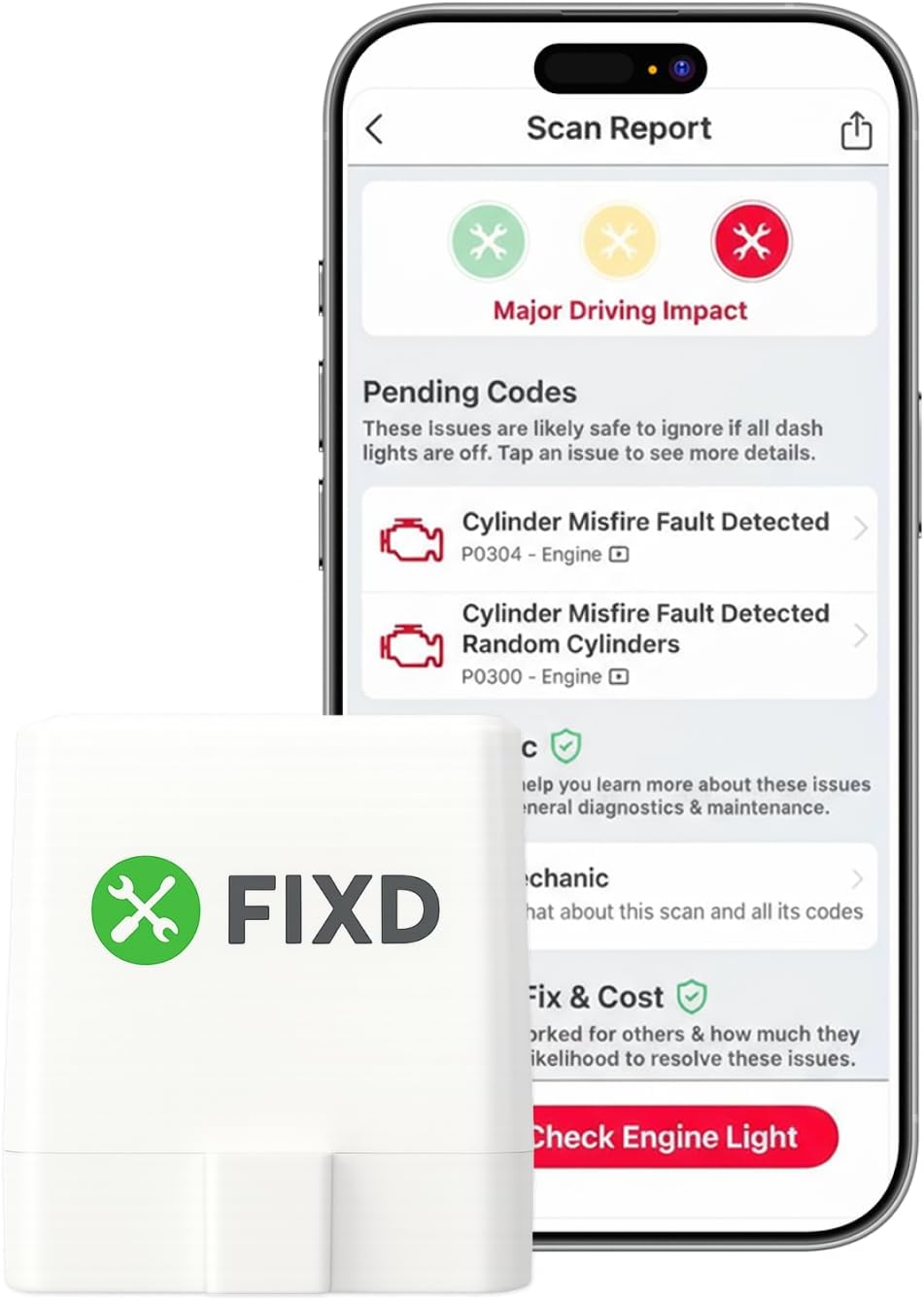
Best Bluetooth OBD2 Scanner
Detect 39,000+ Issues With Enhanced Codes. Save $1000s on car repairs & buying used vehicles by diagnosing problems yourself.
Shop on AmazonKnowing what to check first saves time and money, especially if you can troubleshoot basic issues such as inspecting vacuum hoses or resetting the transfer case control module yourself. For deeper mechanical faults, seeking professional inspection is often necessary to get your 4×4 system running again reliably.

How the Ford F150 4×4 System Works
Understanding your Ford F150’s 4×4 system means knowing how power is routed and controlled to provide traction. The system relies on specific parts working in sync to engage and disengage four-wheel drive. You’ll find mechanical, electronic, and vacuum components all play important roles in this process.
Key Components of the 4×4 System
The main components you interact with include the transfer case, front axle, actuators, and control modules. The transfer case is the central, it will sending power from the transmission to both front and rear axles when 4×4 is engaged.
Your truck also uses vacuum-operated hub actuators, especially on models with Integrated Wheel End (IWE), the systems that physically lock the front wheels to the axle when 4×4 is selected. The Electronic Shift-On-the-Fly (ESOF) module controls the engagement electronically in newer F150s.
Other important items are fuses, relays, the generic electronic module (GEM), and the transfer case shift motor. These manage power distribution, signals, and actual movement of the gear sets inside the transfer case.
Types of 4×4 Engagement Mechanisms
The Ford F150 uses several engagement types depending on model year and trim. Older trucks often have vacuum-operated systems where vacuum lines engage front hubs mechanically. You manually rotate the hub locks to “LOCK” or “FREE” positions to control axle engagement.
Newer F150s feature electronic shift-on-the-fly systems, where you turn a dial or push a button to activate 4H or 4L modes. This sends electronic commands to the transfer case motor, which physically shifts gears to engage four-wheel drive.
Some models may also use automatic all-wheel drive systems with sensors monitoring traction and road conditions, adjusting power distribution without driver input.
Role of the Transfer Case and Front Axle
The transfer case acts as the drivetrain’s control center for sending power to all wheels. Inside it contains gears that shift between two-wheel drive (2H), four-wheel high (4H), and four-wheel low (4L) modes.
When you select 4×4 mode, the transfer case shift motor moves the internal gears to connect the front driveshaft. The front axle hubs engage—either electronically or by vacuum—to lock the wheels solidly to the axle shafts.
This system allows torque to be split between front and rear axles, improving traction on slippery or rough surfaces. If either the transfer case or front axle components fail, your 4×4 system may not engage properly, causing loss of four-wheel drive functionality.
Learn more about the 4×4 system components at Ford F150 4 Wheel Drive guides.
Common Reasons for Ford F150 4×4 Not Engaging
When your Ford F150’s 4×4 system doesn’t engage, it’s often due to specific mechanical or electrical faults. These problems usually involve components like the front axle actuator, vacuum system, transfer case, or wiring. Understanding these can help you pinpoint the issue more effectively.
Front Axle Actuator Malfunctions
The front axle actuator, also known as the hub actuator, is critical for connecting the front wheels to the drivetrain. If this actuator fails, your front wheels won’t receive power, preventing 4×4 engagement.
Common symptoms include grinding noises or the system indicating it is engaged while the wheels remain in 2WD. The actuator can wear out mechanically or develop internal faults, especially in older models. Testing the actuator usually involves applying power directly to see if it operates.
If faulty, replacement is often the best solution. This repair is straightforward but requires basic tools and safety precautions since it involves the wheel hubs.
Vacuum Line and Vacuum Leak Issues
Some Ford F150 models use vacuum-operated systems for the front axle actuator. In these cases, vacuum lines deliver the pressure needed to engage the actuator.
Cracks, splits, or disconnections in these vacuum lines can cause leaks. A vacuum leak prevents the actuator from engaging properly, making your 4×4 system unresponsive. You might not hear the actuator function or see any dashboard indication.
You should carefully inspect vacuum lines for damage and test the vacuum solenoid’s operation. Repair involves replacing damaged hoses or faulty solenoids. Maintaining these lines prevents recurring failures.
Before you tear apart your wheel hubs, check the Genuine Ford IWE Solenoid. This small plastic valve is the most frequent culprit for 4x4 engagement failure. Replacing it takes five minutes and is often the only thing standing between you and a working 4WD system.

Transfer Case and Shift Motor Problems
The transfer case is the centerpiece of the 4×4 system, responsible for directing power to the front and rear axles. The shift motor controls gear changes within the transfer case.
A malfunctioning transfer case motor can fail to shift between 2H, 4H, or 4L modes. Symptoms include clicking noises without engagement or no sound at all. Testing the motor may require applying power directly, though this can be complex without specialized tools.
If the motor or transfer case is damaged, replacement might be necessary. Because the repair involves disconnecting the driveshaft, it is more involved than actuator or vacuum line fixes.
Electrical Faults: Fuses, Wiring, and Connectors
Electrical issues often cause 4×4 systems to fail. Blown fuses are the simplest fix; these interrupt power to components like the transfer case motor or actuator.
Worn or corroded wiring and loose connectors can break the signal flow between the 4×4 switch, ECM, and hardware. You can spot wiring damage visually or with a multimeter.
Cleaning contacts, repairing damaged wires, or replacing faulty fuses usually restores function. Always check these electrical elements early in your troubleshooting for a quick diagnosis.
For detailed steps and more on diagnosing these faults, refer to guides such as the one on Ford F150 4 Wheel Drive Not Engaging.
Diagnosing and Troubleshooting 4×4 Engagement Failures
When your Ford F150’s 4×4 system fails to engage, pinpointing the exact issue requires checking mechanical parts, vacuum components, and electrical systems. You will need to carefully assess hub actuators, examine vacuum lines and solenoids for damage or leaks, test key electrical parts including the ECU, and use specialized diagnostic tools to identify faults accurately.
Identifying Faulty Hub Actuators
The hub actuator is a critical component that physically locks and unlocks the front axle to engage 4WD. If the actuator is worn or damaged, it won’t properly connect the front wheels to the drivetrain. Listen for unusual noises or grinding when trying to switch 4WD modes, as these are common signs of actuator issues.
Check the actuator for physical damage or corrosion. Manually test the hubs if your F150 uses manual locking hubs, ensuring they are fully engaged. A failing actuator can cause the 4WD system to remain in 2WD without any warning. Replacing a faulty actuator usually restores front axle engagement.
Inspecting Vacuum Lines and Solenoids
Vacuum lines direct pressure to hub actuators in many Ford F150 models, especially those with Integrated Wheel End (IWE) systems. Over time, these plastic vacuum lines can become brittle, crack, or disconnect, leading to failed engagement. Inspect all vacuum hoses carefully for cracks, wear, or loose fittings.
Listen for vacuum solenoids clicking when you select 4WD. A silent solenoid or damaged wiring around it often means the vacuum is not being properly directed. You can test the solenoids and vacuum lines with a vacuum pump to confirm they are working correctly and that the hubs engage under manual vacuum application.
Testing Electrical Components and ECU
The Electronic Control Unit (ECU), or Generic Electronic Module (GEM), coordinates the 4WD system by sending power and signals to various components. If you find power is reaching the transfer case motor and solenoids but there’s no ground signal, the ECU may be faulty.
Use a multimeter to check wiring and connectors for continuity or corrosion. Inspect the transfer case shift motor and position switch for proper function since failures here can prevent gear engagement and disable dashboard indicators. Faulty relays and blown fuses are also common causes and easy to check.
Using Diagnostic Tools for 4×4 Systems
Modern Ford F150s require an OBD-II scan tool capable of reading body control module codes to detect problems with the 4WD system. Scanning can reveal error codes related to the ECU, transfer case position sensor, or vacuum solenoid circuits.
Use the scan tool to monitor live data while selecting different 4WD modes. Look for “Shift in Progress” messages or fault codes that indicate where the system is failing. This approach helps avoid guesswork and targets repairs efficiently, especially with complex electrical and integrated systems in newer models.
For basic diagnostics, combining visual inspections with multimeter testing provides a solid foundation to identify where your 4×4 engagement is breaking down.
Repair Solutions and Prevention Tips
Properly diagnosing and addressing the specific component failures in your 4×4 system will restore reliable engagement. Focused attention on mechanical parts, vacuum systems, and electrical elements can prevent recurring issues and ensure consistent operation.
Replacing Bad Actuators or Switches
If your F150’s 4×4 doesn’t engage and you hear no motor activity near the transfer case, the hub actuator or transfer case shift motor and switch may be faulty. These parts physically control the shift between 2WD and 4WD modes.
When testing, check for 12V power at the motor terminals with a multimeter while operating the selector switch. If voltage is present but the motor fails to run, replacement is likely required. The transfer case position switch also needs testing for continuity only in 4H or 4L positions.
Replacing the entire actuator or motor and switch assembly is common since these components generally fail as a unit over time. Use OEM or high-quality parts to avoid premature failure, and make sure electrical connectors are clean and fully seated to ensure proper operation.
Fixing Vacuum Leaks and Damaged Lines
On models with vacuum-actuated hubs, vacuum leaks are a frequent cause of 4WD failures. The vacuum lines to the hub actuators can crack, become brittle, or disconnect, especially in older trucks exposed to weather cycles.
Begin by inspecting all vacuum lines carefully for tears, brittleness, or loose fittings. Listen for solenoid clicks under the firewall that control vacuum flow. Use a vacuum pump tester to apply vacuum directly to the hub actuator to verify mechanical function.
Replace any damaged or leaking vacuum lines promptly with correct-size vacuum tubing. Ensure all connections are secure and routed away from heat and moving parts to prevent future deterioration. Keeping these lines intact is vital for reliable hub engagement.
To stop guessing and start fixing, use a Mityvac Hand Vacuum Pump. By connecting this to the IWE lines, you can see if your vacuum system actually holds pressure. If the needle drops, you’ve confirmed a leak in the lines or the hub actuators themselves.

Addressing Electrical and Fuse Issues
Electrical problems often manifest as a complete lack of 4WD engagement or dashboard indicator lights. Start by checking all related fuses in the under-hood or TIPM fuse boxes, depending on your model year. Fuses designated for the 4WD control system, motor, and solenoid circuits must be intact.
Next, inspect wiring harnesses and connectors for corrosion, loose pins, or damage. Replace corroded connectors and repair any exposed wires using appropriate terminals, seals, and dielectric grease to prevent moisture intrusion.
If voltage reaches components but no ground signal is sent to the solenoids or transfer case motor, the Generic Electronic Module (GEM) may be at fault. Diagnosing GEM issues often requires professional scanning tools and possible reprogramming or replacement. Maintaining clean electrical contacts and properly fused circuits will avoid common faults in your 4×4 system.
Source:
- For more detailed guidance, review this comprehensive repair guide
- See this guide on Ford F150 4 wheel drive not engaging