

If your Ford F150 cranks but won’t start, the most common cause is an issue within the fuel system. The problem often lies with a tripped inertia fuel shutoff switch, a blown fuel pump fuse, faulty relays, a damaged fuel pump driver module, or the fuel pump itself. Checking these components systematically can help you pinpoint the exact cause and get your truck running again.
Your F150 might crank normally because the starter motor and battery are working, but without proper fuel delivery or electrical signals to the engine, it won’t fire up. Identifying whether it’s a simple reset of a safety switch or a part replacement will save you time and money. Understanding these key elements is essential to troubleshooting effectively and getting your truck back on the road.
By knowing where to look and what symptoms to watch for, you can avoid unnecessary repairs and make confident decisions about fixing your truck. This guide will walk you through the crucial checks and common fixes that address why your Ford F150 cranks but fails to start. For more detailed troubleshooting steps, visit this Ford F150 cranks but won’t start guide.
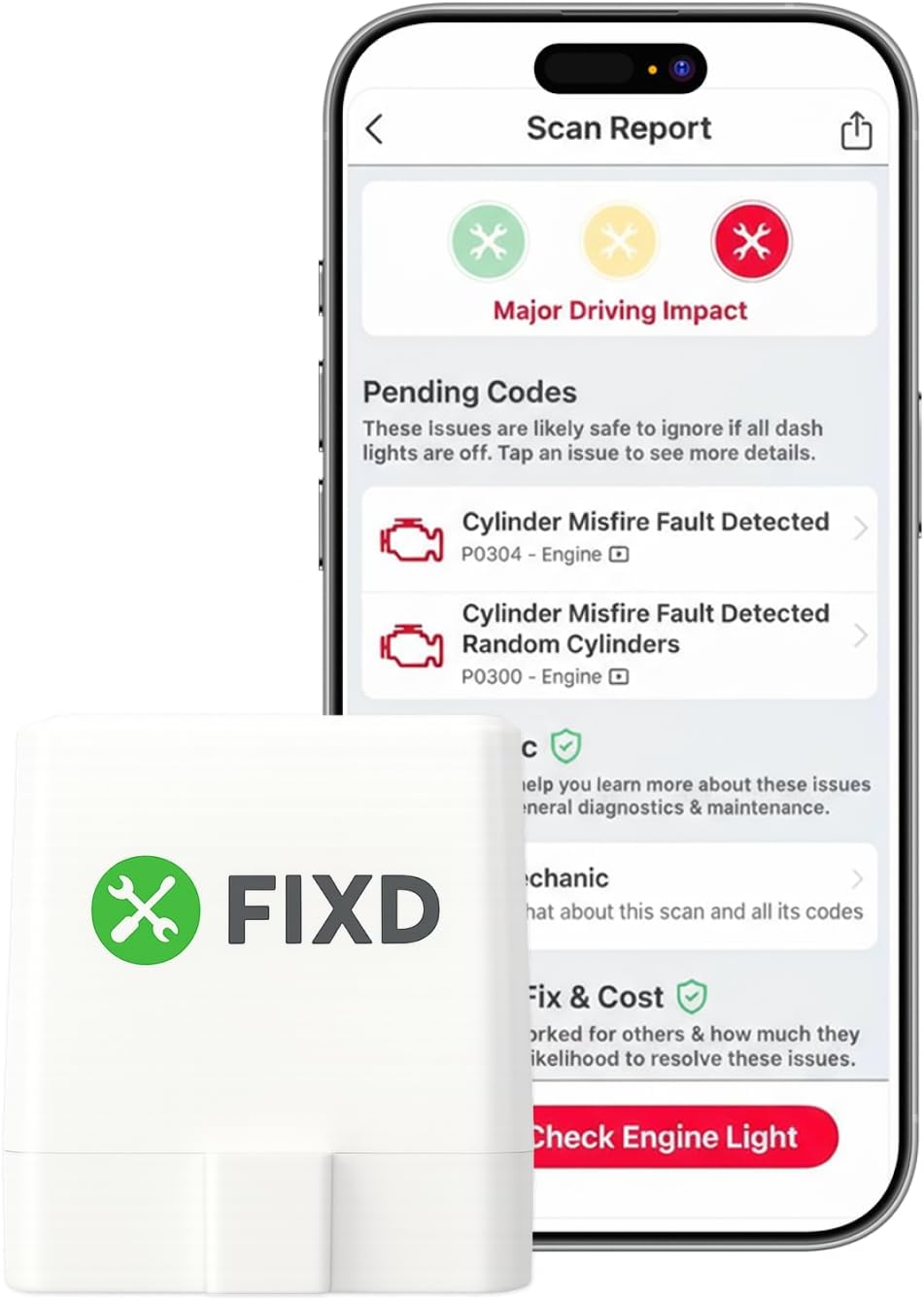
Best Bluetooth OBD2 Scanner
Detect 39,000+ Issues With Enhanced Codes. Save $1000s on car repairs & buying used vehicles by diagnosing problems yourself.
Shop on Amazon
Core Causes of Ford F150 Cranking But Not Starting
When your Ford F-150 cranks but fails to start, the root causes often lie in specific components related to power supply, ignition, or fuel delivery. Identifying the precise issue requires checking each system carefully to determine where the breakdown occurs.
Battery and Electrical Issues
A weak or dead battery is a primary cause of starting issues in your Ford F-150. Even if the engine cranks, insufficient battery voltage can prevent the ignition system and fuel pump from receiving adequate power. Check the battery connections for corrosion or looseness, as poor contact restricts electrical flow.
Your battery voltage should measure around 12.6 volts when the engine is off. If it reads lower, recharge or replace the battery. Also inspect the starter relay and fuses associated with the fuel pump and powertrain control module (PCM), especially fuse #27, which is known to blow or melt in some models, cutting power to critical systems.
Starter Motor and Solenoid Problems
The starter motor and starter solenoid work together to turn the engine over. If your F-150 cranks but won’t fully engage or start, the starter could be faulty or worn out. Listen for clicking sounds that indicate the solenoid is trying to engage but failing to power the starter motor.
Faulty starter solenoids can cause intermittent starting issues. Testing the starter relay can help determine if the electrical signal reaches the solenoid correctly. If you bypass the solenoid and the engine starts, replacing the solenoid or the starter motor may be necessary to resolve the problem.
Ignition System Malfunctions
Your ignition system controls spark generation that ignites the fuel-air mixture. Problems such as a faulty ignition switch, bad ignition coils, worn spark plugs, or damaged wiring can cause your F-150 to crank without starting.
A defective ignition switch may not send power to the fuel pump or ignition coils. Examine the ignition coils and spark plugs for wear or damage, as weak sparks can prevent combustion. If spark plugs are fouled or ignition coils fail, replace them to restore proper firing.
Fuel Delivery Failures
Fuel system issues are among the most common reasons your Ford F-150 cranks but does not start. A tripped or bad inertia fuel shutoff switch can cut power to the fuel pump, preventing fuel delivery.
Additionally, a clogged fuel filter or defective fuel injectors reduce fuel flow to the engine. Listen for the fuel pump activation when turning the key; silence usually indicates a pump failure. Replacing the fuel pump driver module or the fuel pump itself may be required, especially in older models. Always inspect the fuel filter for blockages and replace it if necessary to maintain proper fuel flow.
For a more detailed guide on fixing fuel pump and relay issues, check this Ford F150 crank no start troubleshooting guide.
Step-by-Step Diagnosis and Troubleshooting
When your Ford F150 cranks but won’t start, pinpointing the cause requires a focused, systematic approach. You should carefully listen for sounds, check key electrical components, and review any warning indicators. These steps help you isolate the problem and determine what needs fixing or replacing.
Checking for Warning Signs and Sounds
Start by paying attention to any unusual sounds when you turn the key. A clicking sound often indicates a weak battery or a failing starter relay. If the engine doesn’t crank at all, the issue might be a dead battery, blown fuse, or faulty starter.
Look for warning lights on your dashboard. The battery warning light or check engine light can provide clues. If these lights are on, the system has detected a problem that could affect starting.
You can try a jump-start with jumper cables if you suspect the battery is low. If the engine starts after jumping, your battery or alternator likely needs attention.
Testing Battery, Starter, and Relays
Check the battery voltage with a multimeter; it should read around 12.6 volts when the truck is off and about 13.7 to 14.7 volts when running. Low voltage means the battery is weak or discharged.
Inspect the starter and listen for a clicking noise during starting attempts. No clicking and no crank suggest a bad starter or a failed starter relay.
Test the fuel pump fuse and all relevant relays, including the PCM power relay and fuel pump relay. These can be swapped with identical fuses or relays to see if the problem resolves.
If any fuse appears blown or melted, replace it. Be aware that some Ford F150 models between 2009 and 2014 have been reported to have recurring issues with fuel pump fuse #27 requiring a fuse relocation kit.
Assessing Fuel and Ignition Systems
If your Ford F150 cranks but won’t start, focus on the fuel delivery and ignition components. First, check the inertia fuel shutoff switch—many models have this safety switch that trips after impacts, cutting fuel to the engine.
You can reset it by pressing the red button, usually located near the central junction box inside the cabin. If resetting doesn’t work, test or replace the switch.
Listen for the fuel pump when turning the key to the ON position. If you don’t hear it, the pump, relay, or the fuel pump driver module might be faulty.
Verify that the ignition system—including spark plugs and coils—is working. Worn or damaged parts can stop the engine from firing even if the fuel system is fine.
Interpreting Warning Lights and OBD-II Codes
When your F150 won’t start, the dashboard warning lights provide critical information. A lit check engine light indicates the system has detected a fault. Use an OBD-II scanner to read trouble codes stored in the vehicle’s computer.
These codes narrow down possible causes such as sensor failure, fuel system errors, or ignition problems. The scanner can also clear codes after repairs to verify the fix.
Don’t ignore intermittent or soft warning lights; they may precede complete failure. Regularly scanning for codes helps diagnose issues early and avoid being stranded.
If you don’t have an OBD-II scanner, many auto parts stores can read codes for you at no cost. This is often the fastest way to identify why your F150 cranks but won’t start.
For more detailed procedures on troubleshooting your Ford F150’s no-start condition, you can refer to this complete troubleshooting guide.
Less Common Causes and Special Scenarios
Sometimes, the cause of your Ford F150 cranking but not starting lies outside the usual fuel or electrical issues. These situations often involve the vehicle’s security features, electronic components, or air management systems. Understanding these less typical problems can save you time and help when diagnostics get complicated.
Anti-Theft and Security System Interference
Your Ford F150’s anti-theft system can sometimes prevent the engine from starting, even when it cranks. If the system detects unauthorized access or senses a problem with the key, it may disable the fuel injectors or ignition coils as a safety measure. This is often signaled by a flashing security light on your dashboard.
To reset, you might need to use the original key fob or follow a specific disarming procedure outlined in your owner’s manual. If the security system is malfunctioning, you may require the assistance of a qualified mechanic or dealership to diagnose and resolve the issue. Bypassing or repairing faulty security modules often involves specialized tools and expertise.
Key Fob and Remote Issues
The key fob plays a crucial role beyond just unlocking your Ford F150; it communicates with the vehicle’s ignition system. A weak battery in the fob or a damaged signal transmitter can cause the vehicle to crank but not start because the truck does not register an authorized start command.
Replacing the key fob battery is a quick first step. However, if this does not solve the issue, the fob might need reprogramming or replacement. Some late-model F150s require synchronization with the vehicle’s anti-theft system, which a professional mechanic or automotive repair expert can perform. Ignoring key fob problems may lead to repeated no-start conditions.
Air Intake and Vacuum Leaks
A clogged air filter or vacuum leaks can disrupt the proper air-to-fuel ratio required for your engine to start. If the filter is dirty or restricted, the engine may crank, but insufficient air can prevent ignition.
Vacuum leaks, often caused by cracked or disconnected hoses, can throw off engine sensors that control fuel delivery. Symptoms include rough idling and stalling besides the no-start issue. Checking and replacing the air filter regularly, along with inspecting vacuum lines for damage or disconnections, are good maintenance steps. These tasks can often be done by yourself or with the help of a qualified mechanic.
Other Electronic and Mechanical Faults
Beyond the common culprits, your Ford F150 may suffer from various electronic or mechanical faults. For instance, a failing crankshaft or camshaft position sensor can send incorrect data to the engine control module (ECM), causing it to crank without starting.
Likewise, wiring issues such as loose connectors or corrosion can interrupt critical signals. Mechanical failures like a broken timing chain or failed ignition coils are less frequent but serious causes. Diagnosing these requires professional diagnostic tools and expertise. If you suspect any of these, consulting with a professional mechanic is advisable to avoid further damage or costly repairs.
When to Seek Professional Help and Preventive Measures
If your Ford F150 continues to crank but won’t start despite checking basic components, it may signal deeper electrical or fuel system issues. Regular maintenance plays a key role in avoiding these problems and ensuring your truck starts reliably every time.
Recognizing Complex or Persistent Problems
You should seek help if your F150 repeatedly cranks without starting after basic troubleshooting like checking the fuel pump fuse or resetting the inertia fuel shutoff switch. Issues related to the PCM power relay, the fuel pump driver module, or wiring faults often require specialized diagnostic tools.
Signs such as electrical smells, clicking relays without engine response, or inconsistent fuel pump noises point to complex faults. Ignoring these can lead to further damage or leave you stranded.
If replacing simple parts doesn’t resolve the issue, a qualified mechanic can diagnose problems beyond the typical user level and advise on appropriate repairs.
Booking an Appointment with a Mechanic
When your efforts don’t fix the no-start problem, contacting a professional mechanic is essential. Schedule your appointment early, especially if the truck shows intermittent starting problems, to avoid inconvenient breakdowns.
Prepare for the visit by noting symptoms, including any noises, dashboard warning lights, or behavior patterns like starting failure only when hot or cold. Providing this detailed info helps the technician perform efficient diagnostic testing.
Choose a repair shop experienced with Ford trucks for precise automotive repair. Certified mechanics have access to specialized equipment to test components like the fuel pump relay, fuel pump driver module, and PCM relay, reducing guesswork.
Routine Maintenance for Reliable Starting
Preventive care reduces the risk of no-start issues. Regularly inspect and replace parts prone to failure such as fuel pump fuses, relays, and the inertia fuel shutoff switch. Keep fuel filters clean and ensure adequate battery health with periodic testing.
Establish a maintenance schedule that includes:
- Checking sensor wiring and connectors
- Testing the fuel pump driver module condition
- Inspecting ignition system components
Maintaining a record of repairs and replacements helps you track recurring issues and assists mechanics if problems develop again. Investing time in routine vehicle care can save you costly repairs and downtime later.
For comprehensive advice on managing Ford F150 starting problems, consult resources like this guide to common causes and fixes for why your Ford F150 turns over but won’t start.