
Last updated on April 7th, 2026 at 10:58 am
If your Ford F150 dashboard is not working, the most common cause is a loose or corroded connection at the battery terminals. Ensuring the battery terminals are clean and tightly connected can often restore your instrument cluster and dashboard functions quickly and effectively.
Other potential issues include a blown fuse, especially the F29 fuse that powers the instrument cluster, or a damaged wiring harness near the shift lever. These problems can interrupt power flow and cause your dashboard to go dark or malfunction.
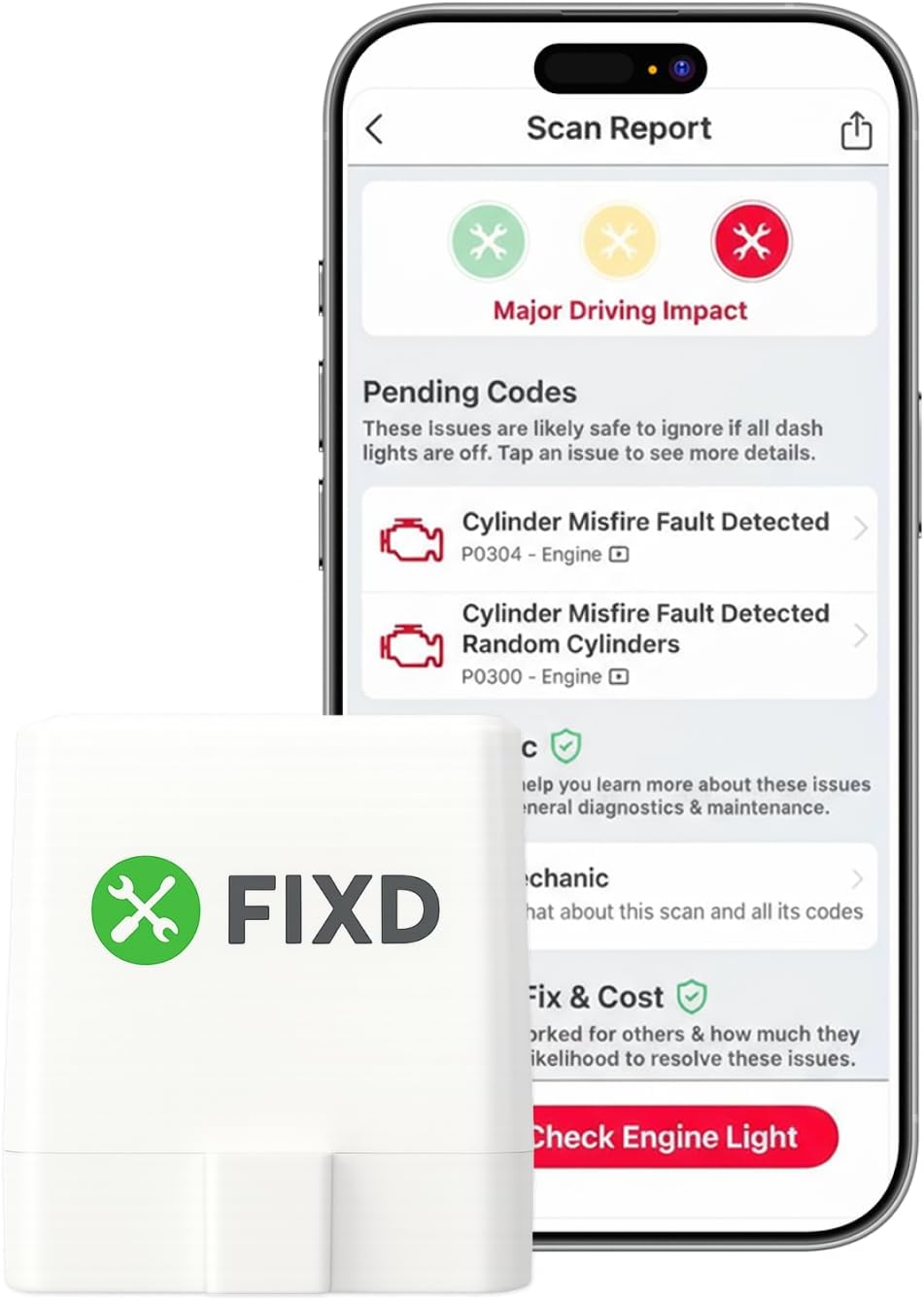
Best Bluetooth OBD2 Scanner
Detect 39,000+ Issues With Enhanced Codes. Save $1000s on car repairs & buying used vehicles by diagnosing problems yourself.
Shop on AmazonUnderstanding these key factors will help you diagnose the problem and decide if you can fix it yourself or if professional help is needed. For detailed troubleshooting and solutions, see this guide on Ford F150 instrument cluster issues.

Diagnosing Ford F150 Dashboard and Instrument Cluster Issues
When your Ford F150 dashboard or instrument cluster shows problems, recognizing specific signs is crucial. Accurate identification helps you address power, wiring, or fuse issues affecting the display and gauges. Knowing the exact symptoms and risks ensures you take action before the problem worsens.
Common Signs and Symptoms of Dashboard Failure
You may notice the instrument panel lights flickering, gauges behaving erratically, or the entire dashboard going dark. Common symptoms include a blank LCD odometer screen or random blinking of warning lights. Sometimes, brake lights remain on without cause, or gauges display incorrect information like false fuel levels or engine temperatures.
Another sign is dimming or complete loss of backlighting on the instrument cluster, making it hard to read vital data at night. These issues often stem from power interruptions, corroded battery terminals, or a blown fuse, usually the F29 fuse that supplies power to the cluster.
How to Identify a Non-Working Instrument Panel
Start by turning the ignition key to position 1 and observe if all dashboard lights briefly illuminate—a standard self-test for the Ford instrument cluster. If lights fail to come on or stay on indefinitely, your instrument cluster likely has an electrical or internal fault.
Next, check battery terminal connections to ensure they are clean and tight. A loose or corroded connection is a frequent culprit. Inspect the F29 fuse as well; if blown, the cluster will not power up.
If these steps don’t restore function, the problem might be a damaged wiring harness, especially near the shift lever, or sensor failures affecting specific gauges. Professional diagnostics may be needed to pinpoint internal component failures or software issues.
Safety Risks Associated with Instrument Cluster Malfunctions
Driving without a functioning instrument cluster puts you at risk because you lose access to critical data like speed, fuel level, and engine temperature. This absence makes it difficult to monitor your vehicle’s status, increasing the chance of overheating, running out of fuel, or speeding unknowingly.
Malfunctioning warning lights can cause you to miss alerts about brake system issues, airbags, or engine problems. This compromises your ability to respond promptly to safety concerns.
If you rely on aftermarket electronics, blown fuses or wiring shorts may occur more frequently, compounding risks. Repairing your instrument cluster quickly reduces these safety hazards. For detailed diagnostics and fixes, consult guides specialized on the Ford F150 dashboard and cluster at f150advisor.com.
Main Causes of Ford F150 Dashboard Not Working
When your Ford F150 dashboard fails, the problem often lies in specific electrical or mechanical components related to power delivery and signal transmission. Diagnosing these common issues can help you pinpoint why your instrument cluster and other controls are inactive.
Blown Fuses and Electrical System Problems
A frequent cause of dashboard failure is a blown fuse, especially fuse F29, which supplies power to the instrument panel and related electronics. When this fuse blows, the entire dashboard can go dark, including your speedometer, fuel gauge, and indicator lights.
Blown fuses often result from short circuits, overloaded wiring, or installing aftermarket electronics without proper integration. Inspecting the fuse box and replacing any damaged fuses is a straightforward check. However, if the new fuse blows again, you may have an underlying electrical fault requiring a professional diagnosis.
Other electrical system problems, such as failing relays or faulty ground connections, can also disrupt power to the instrument cluster. Ensure all grounding points are clean and secure to prevent intermittent or complete dashboard outages.
Battery-Related Issues and Terminal Connections
Your dashboard’s power depends heavily on a consistent battery connection. Loose or corroded battery terminals frequently cause dashboard failures. Even if the battery itself is fully charged, a poor connection can prevent electricity from reaching your instrument cluster.
Look for visible corrosion or a loose fit where the battery cables connect to the terminals. Cleaning and tightening these connections often restore normal dashboard function.
Additionally, a weak or dying battery can affect electronics stability. If your battery struggles to hold a charge, you might notice flickering or complete loss of the instrument panel during engine starts or under load.
Wiring Harness Faults and Connector Corrosion
The wiring harness carries electrical signals between the battery, fuse box, instrument cluster, and other dashboard components. Damage to this harness—whether from wear, abrasion near the shift lever, or rodent encounters—can sever circuits and cause dashboard failure.
Connector corrosion within the harness can disrupt signal quality or power flow and often develops unnoticed. Inspect the wiring for any broken, frayed, or exposed wires. Corroded connectors should be cleaned or replaced to maintain a reliable connection.
If you suspect wiring harness issues, a multimeter test can confirm continuity problems. Fixing or replacing the harness may require professional help due to the complexity of the dashboard’s electrical system.
Instrument Cluster Circuit Board and BCM Failures
The instrument cluster includes its own circuit board, which can fail due to heat, moisture, or aging components. When damaged, the gauges and dashboard lights may stop working or behave erratically.
Similarly, the Body Control Module (BCM) manages multiple vehicle systems, including dashboard functions. BCM faults can cause your instrument panel to malfunction or shut down entirely.
Diagnosing these internal faults usually requires specialized tools. Resetting the cluster by disconnecting the battery or using the cluster’s reset button can sometimes clear minor errors, but persistent failures often mean cluster or BCM replacement is necessary.
Step-By-Step Solutions for Restoring Dashboard Functionality
To get your Ford F150 dashboard working again, you need to address the common electrical and mechanical issues that cause failure. This involves inspecting fuses, resetting the instrument cluster, ensuring proper battery connections, and considering professional repairs when necessary.
Checking and Replacing Fuses
One of the first places to check is the fuse related to the instrument cluster, often the F29 fuse in Ford trucks. This fuse supplies power to the dashboard and many other electrical components.
- Locate your vehicle’s fuse box, typically under the hood or inside the cabin.
- Find the F29 fuse using the diagram on the cover or in your owner’s manual.
- Inspect the fuse for any break or burn marks; if it’s blown, replace it with one of the same amperage.
A blown fuse commonly results from short circuits or loose battery connections. Replacing the fuse often restores the instrument cluster’s power and functionality.
Since an F150 dashboard failure is often caused by a single blown 10A or 20A fuse, keeping a Nilight Auto Fuse Assortment Kit in your glovebox is a smart precaution; it includes the exact standard blade fuses needed for the F29 slot and other critical instrument cluster circuits.

Resetting the Instrument Cluster
If the instrument cluster still doesn’t work after verifying the fuse, reset the system to clear any stored errors or glitches.
- Insert the key into the ignition, turning it to position 0 or 1 without starting the engine.
- Locate the SEL or RESET button or knob near the fuel gauge.
- Press and hold this button until the instrument cluster lights up, then release.
This resets the cluster electronics and recalibrates the gauges. Resetting can fix software hiccups that cause dashboard malfunctions without needing deeper mechanical checks.
Cleaning and Securing Battery Terminals
Electrical issues often stem from poor battery connections affecting the instrument cluster’s power supply. Dirty or loose terminals can cause intermittent or complete dashboard failure.
- Turn off your truck and disconnect the negative battery terminal first, then the positive.
- Clean both terminals and cable clamps using a wire brush to remove any corrosion or residue.
- Reattach the terminals tightly in the correct order, positive first, then negative.
After cleaning and securing the terminals, your dashboard’s power should stabilize. This simple maintenance frequently resolves instrument cluster issues that appear random or unexplained.
To ensure a perfect metal-to-metal connection, we recommend using a specialized tool like the Battery Terminal Cleaning Brush; its stiff stainless steel bristles are designed to fit both the battery posts and the inside of the cable clamps, removing stubborn oxidation that a standard cloth cannot reach.

Professional Cluster Repair and Replacement Options
If your dashboard remains unresponsive or behaves erratically after basic fixes, a wiring harness problem or cluster hardware fault may exist.
Wiring harnesses near the shift lever or within the cluster may wear out or fray over time, disrupting power transfer. Damaged wiring often requires professional diagnosis and repair.
In cases of internal instrument cluster failure, expert repair or replacement is necessary. Services specializing in instrument cluster repair can restore functionality without replacing the entire unit, saving cost and preserving factory accuracy.
When seeking professional help, focus on providers familiar with Ford instrument clusters to ensure proper calibration and integration with your F150’s systems.
Preventive Maintenance and Model-Specific Considerations
Maintaining your Ford F150 dashboard requires attention to electrical components and recognizing model-specific issues. Proper care extends the life of your instrument cluster and helps prevent unexpected failures.
Regular Dashboard Inspection and Electrical Care
You should routinely inspect your instrument cluster for signs of wear or malfunction. Look for flickering gauges, unresponsive displays, or warning lights that don’t clear. These symptoms may signal loose or corroded battery terminals, which weaken electrical connections essential for your dashboard’s operation.
Cleaning battery terminals regularly prevents corrosion buildup, which can disrupt power flow to the instrument cluster. Use a wire brush and appropriate cleaning agent to keep terminals free of residue. Also, monitor fuses related to your dashboard’s electronics, especially fuse F29, which powers many instrument cluster functions. Replacing a blown fuse promptly can restore dashboard performance without costly repairs.
Common Issues in F150 Lariat and Recent Models
In the F150 Lariat and newer models, instrument cluster problems often stem from wiring harness wear. The wiring near the shift lever is prone to damage due to constant movement, which can cause shorts or interruptions in power delivery.
Some owners report their dashboard stops working when temperatures drop below 10°F, a known issue affecting recent Ford F150s. In such cases, the cluster can become unresponsive, requiring a reset or professional diagnosis. Unlike basic fixes like battery terminal checks, these model-specific problems may need specialized parts or software updates.
When to Seek Specialist Help
If you’ve inspected battery connections and fuses but the instrument cluster remains nonfunctional, it’s time to involve a professional. Complex issues such as a damaged wiring harness or internal cluster failures often require diagnostic tools and expertise beyond standard maintenance.
Attempting advanced repairs without experience can worsen electrical problems. A qualified technician can identify hidden faults, update firmware if necessary, or replace the entire instrument cluster module. Prompt professional intervention ensures your dashboard’s reliability and safe operation.
For detailed insights and fixes, exploring resources on F150 instrument cluster problems can provide further guidance.