

Last updated on December 3rd, 2025 at 11:56 am
If your Ford F-150’s drive mode is not working, it’s usually due to a few common issues like a low or faulty battery, software glitches, or sensor and wiring problems. The “Drive Mode Not Available” message often means your truck’s system can’t properly communicate with critical components, which prevents you from selecting different driving settings. Understanding these causes can help you identify and solve the problem faster.
You might find that extreme temperatures, loose wiring near the shocks, or a stuck solenoid are behind the issue. Sometimes, simply charging the battery or resetting the system can restore your drive modes quickly. Taking a systematic approach will save you time and may avoid a costly trip to the dealer.
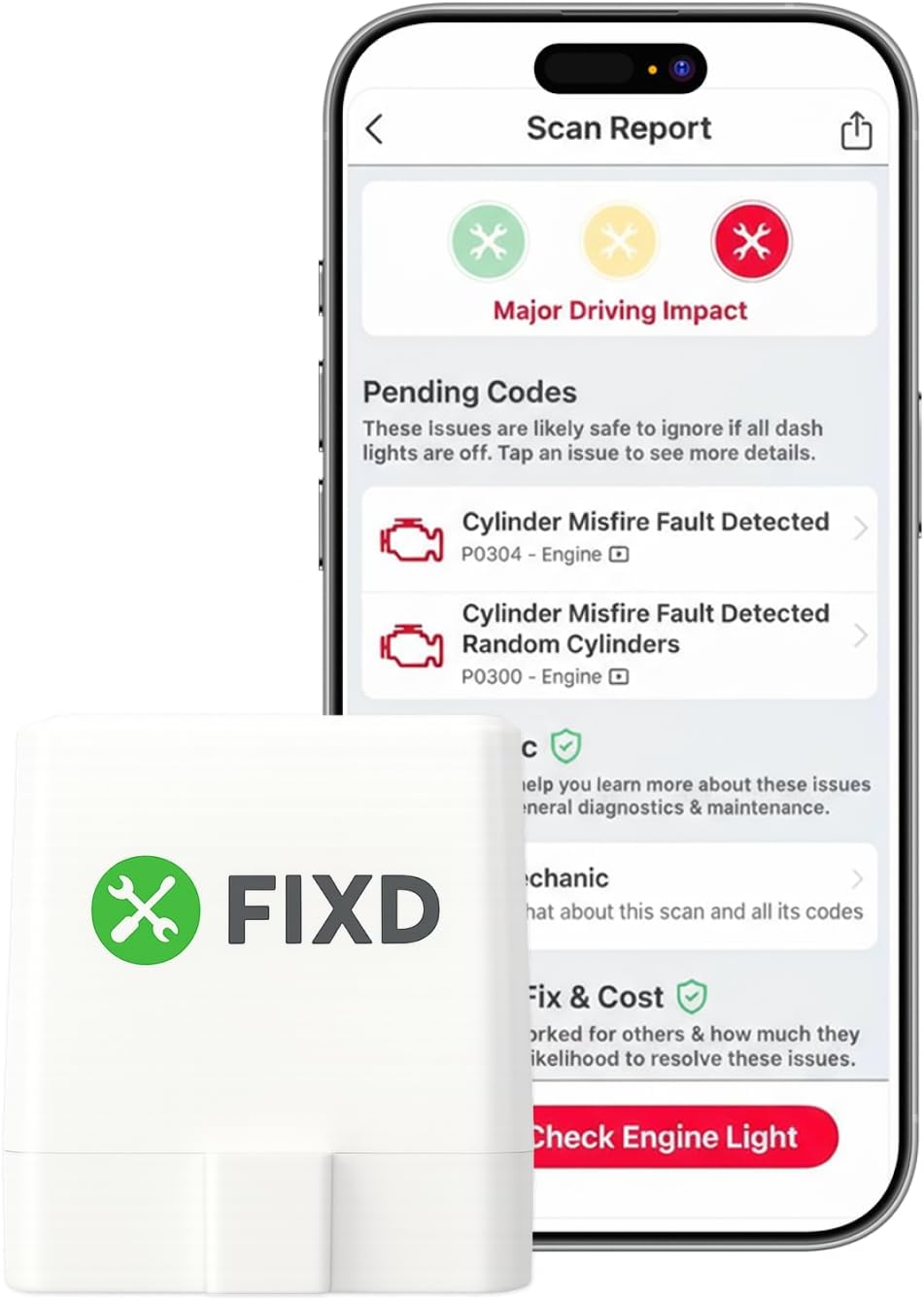
Best Bluetooth OBD2 Scanner
Detect 39,000+ Issues With Enhanced Codes. Save $1000s on car repairs & buying used vehicles by diagnosing problems yourself.
Shop on Amazon
Common Causes of Drive Mode Issues in Ford F150
Drive mode problems in your Ford F150 can stem from several specific technical factors. These include electrical supply issues, diagnostic tool interference, faulty sensors, and software errors within vehicle modules. Understanding these areas will help you pinpoint the cause of the drive mode malfunction and take targeted action.
Low or Old Battery Impact
A weak or aged battery is a leading cause of the “Drive Mode Not Available” message in your F150. Batteries that have lost capacity may fail to provide consistent voltage, disrupting the power supply to critical systems controlling drive mode functions. This issue is especially pronounced if your truck does not use an Absorbent Glass Mat (AGM) battery, which offers better reliability under heavy loads.
When voltage drops even momentarily, communication between modules, such as the Power Steering Control Module (PSCM) and transmission control, can be interrupted. This causes your drive mode system to revert to default or become unresponsive. Regular battery testing and replacement, especially if your F150 is several years old, can prevent these disruptions and maintain stable drive mode performance.
OBD2 and Forscan Interference
Using diagnostic tools like OBD2 scanners or Forscan software is common for troubleshooting, but improper use can sometimes interfere with your F150’s drive mode system. These tools interact with the vehicle’s electronic control units to read or clear fault codes, but if communication isn’t correctly established or is interrupted, it can temporarily disable drive mode features.
Frequent or incorrect scanning, particularly with Forscan, may cause software conflicts or reset key transmission settings inadvertently. Make sure any diagnostic session is completed fully before powering down, and use trusted, updated software versions. If drive mode issues arise after diagnosis, a system reset or professional reprogramming might be necessary to restore normal function.
Sensor and Wiring Faults
Drive mode relies on accurate input from various sensors and the smooth flow of signals through wiring harnesses. Malfunctioning sensors—such as wheel speed sensors or position sensors—send incorrect data, which makes the system disable your selected drive modes to avoid unpredictable behavior.
Similarly, damaged or corroded wires can disrupt communication between electronic control units. Common symptoms include intermittent drive mode availability or frequent error messages. Inspect connections for wear, and address any damaged wiring promptly. A professional diagnostic scan often helps isolate the exact sensor or wiring fault causing your trend mode to be unavailable.
Software and Module Glitches
Software bugs or glitches within control modules can cause your F150 to lose drive mode functionality. Modules like the Transmission Control Module (TCM) or Body Control Module (BCM) coordinate drive mode settings, and if they experience glitches or fail to update properly, the system will trigger a drive mode error.
Manufacturers release software updates and technical service bulletins (TSBs) to correct known issues. Ensuring your F150’s software is current can resolve many glitches. In some cases, a module reset or reprogramming might be required. If drive mode errors persist despite basic troubleshooting, professional intervention for module diagnosis and software updates is recommended.
For more detail on troubleshooting and avoiding these issues, see Ford F150 drive mode fixes and diagnostics.
Troubleshooting Steps for Restoring Drive Modes
When your Ford F-150 shows issues with its drive mode system, testing key electrical components and inspecting communication devices can help pinpoint the problem. Checking connections and hardware condition often resolves common glitches without requiring immediate dealer intervention.
Battery Testing and Replacement Procedure
Start by checking your battery’s health, especially if it’s old or shows signs of weakness. Use a multimeter to verify that voltage is above 12.4 volts while the vehicle is off. Below this level, the battery may not supply adequate power for the drive mode system to function properly.
If the battery is discharged, recharge it fully and monitor whether the “Drive Mode Not Available” message clears. An aged battery, particularly one that isn’t an AGM model as recommended for some F-150s, can cause voltage drops and communication errors across modules.
When replacing the battery, ensure the new unit meets Ford’s specifications. Disconnect the negative terminal first to avoid arcing. Allow the system to reset for about two hours before reconnecting the battery. This can clear faults causing drive mode unavailability.
Forscan and OBD2 Disconnect Methods
If you use an OBD2 scanner or Forscan software, these tools can sometimes interfere with the drive mode system. Start troubleshooting by turning off your vehicle and unplugging any diagnostic devices connected to the OBD2 port.
Restart your F-150 without the scanner attached and observe if drive modes become accessible. If the issue resolves, check for device compatibility or update its firmware. Certain software versions can conflict with the vehicle’s electronic systems and trigger warning messages.
Regularly disconnecting and reconnecting OBD2 devices during diagnostics or tuning should be done carefully. Avoid leaving devices plugged in when not actively in use, as they may affect communication protocols controlling drive modes.
Inspecting Sensors, Wiring, and Solenoids
Faulty sensors or damaged wiring are common culprits when drive modes stop working. Begin by visually inspecting visible wiring harnesses, especially around the shocks and solenoid areas. Look for loose connections, frayed wires, or signs of corrosion.
Pay close attention to solenoids on the front driver side and rear sections. These parts control transmission functions tied to drive mode activation. A malfunctioning solenoid can disrupt performance and display “Drive Mode Not Available.”
If you identify any damaged wiring, reattach or replace as necessary. Ensure wires are routed to avoid rubbing or chafing, which could cause shorts. For sensors, scan for fault codes that may indicate failure. Professional diagnostics may be required if issues persist after basic checks.
For more detailed guidance, you can refer to Drive Mode Not Available F150: 6 Ways To Get It Back.
Drive Modes and Compatibility Considerations
Understanding how the drive modes function and their compatibility with your Ford F150 is essential to avoid encountering the “Drive Mode Not Available” message. Various factors like drivetrain setups, engine types, and software versions influence which modes you can use and when.
Overview of Ford F150 Drive Modes
Your Ford F150 comes equipped with multiple drive modes designed to optimize performance in different conditions. Common modes include Normal, Sport, Eco, Tow/Haul, Off-Road, and Slippery. Each mode adjusts parameters such as throttle response, transmission shift points, and traction control to match road and terrain demands.
Switching between these modes is generally seamless but requires certain conditions to be met. For example, you cannot activate some off-road modes unless the vehicle is in 4×4 or specific engine configurations. The availability of these drive modes varies by model year and trim, influencing your truck’s behavior and versatility.
4×4 and Specific Model Limitations
Not all drive modes are compatible with every 4×4 setting in your F150. The owner’s manual explicitly points out that certain drive modes won’t engage if your truck is in a particular 4×4 mode. For example, some off-road modes refuse to activate when your F150 is running in 2H (two-wheel drive high) or on paved surfaces where those modes are not recommended.
This compatibility issue often leads to the “Drive Mode Not Available” warning. You should check the drive mode you’re trying to engage against the current 4×4 system status. The system prevents mode activation to protect drivetrain components and maintain safe handling. Always refer to your specific year’s manual for exact mode-to-4×4 compatibility.
5.0L Engine Variations
If your F150 is equipped with the 5.0L V8 engine, note that certain drive modes may behave differently compared to other powertrains. The 5.0L’s calibration and torque management systems can limit the use of aggressively calibrated drive modes like Sport or Tow/Haul under specific conditions.
Some owners report that their 5.0L trucks occasionally show “Drive Mode Not Available” during shifting or when the engine temperature is outside preferred ranges. This is often a protective feature to avoid excessive wear or overheating. If issues persist, checking for software updates or consulting a mechanic familiar with the 5.0L’s drivetrain interactions is advisable.
Software Updates and Dealer Resets
Software plays a crucial role in drive mode functionality. Older versions of your F150’s control modules may contain bugs or “race conditions” causing intermittent loss of drive mode availability. Updates released after mid-2023, for example, fixed many such glitches.
If you experience persistent “Drive Mode Not Available” errors despite verifying hardware and compatibility, a dealer reset or software update may be necessary. Dealerships have tools to update your truck’s firmware and run full system diagnostics. These updates can restore full drive mode access and prevent further errors linked to software quirks.
Preventing Future Drive Mode Failures
To keep your Ford F150’s drive mode functioning reliably, focus on maintaining key mechanical and electrical components. Monitoring battery health, wiring integrity, and timely software updates can significantly reduce the risk of drive mode errors.
Routine Maintenance Tips
Regular maintenance is critical to prevent drive mode failures. Start with your battery: an old battery, especially if it’s not an AGM type, can cause voltage inconsistencies that disrupt system communication. Test your battery periodically and replace it when its capacity drops.
Keep your transmission connectors clean and dry. Moisture or corrosion here can trigger errors that disable drive mode functionality. Inspect sensors connected to your drive mode system for damage or dirt, as faulty sensor input often leads the truck to disable certain modes.
Checking and maintaining tire pressure and shock absorber wiring also supports drive mode stability, as these can affect sensor readings and overall system performance.
Addressing Recurring Electrical Issues
Electrical faults are a common cause of drive mode disruptions in the F150. You should routinely inspect wiring harnesses, especially around the shocks and suspension components, for wear or abrasion. Loose or damaged wires can cause intermittent short circuits that disable drive modes or trigger limp mode.
If you notice unusual electrical behavior or intermittent drive mode loss, secure loose connectors and replace frayed wires promptly. Using high-quality replacement parts can help avoid future issues. Additionally, monitor your battery’s charge levels since low voltage can temporarily disable the drive mode system.
Resist the temptation to leave incompatible devices plugged into your OBD2 port, as some interfaces can interfere with the truck’s control modules.
Best Practices for Software and Module Care
Keeping your F150’s software updated is essential for preventing drive mode errors caused by glitches. Ford occasionally releases patches that fix bugs affecting drive modes, especially for newer models like the 2022 and later.
Check your vehicle’s software version regularly and apply updates through authorized Ford procedures. Avoid aftermarket tuning or modification programs that can introduce conflicts.
After any software update, restart your vehicle completely to allow all modules to sync properly. If you experience persistent issues, performing a proper system reset—disconnecting the battery’s negative terminal for about two hours—can recalibrate your drive mode controls.
Document any error codes with an OBD2 scanner compatible with Ford systems to assist in identifying module faults early.