
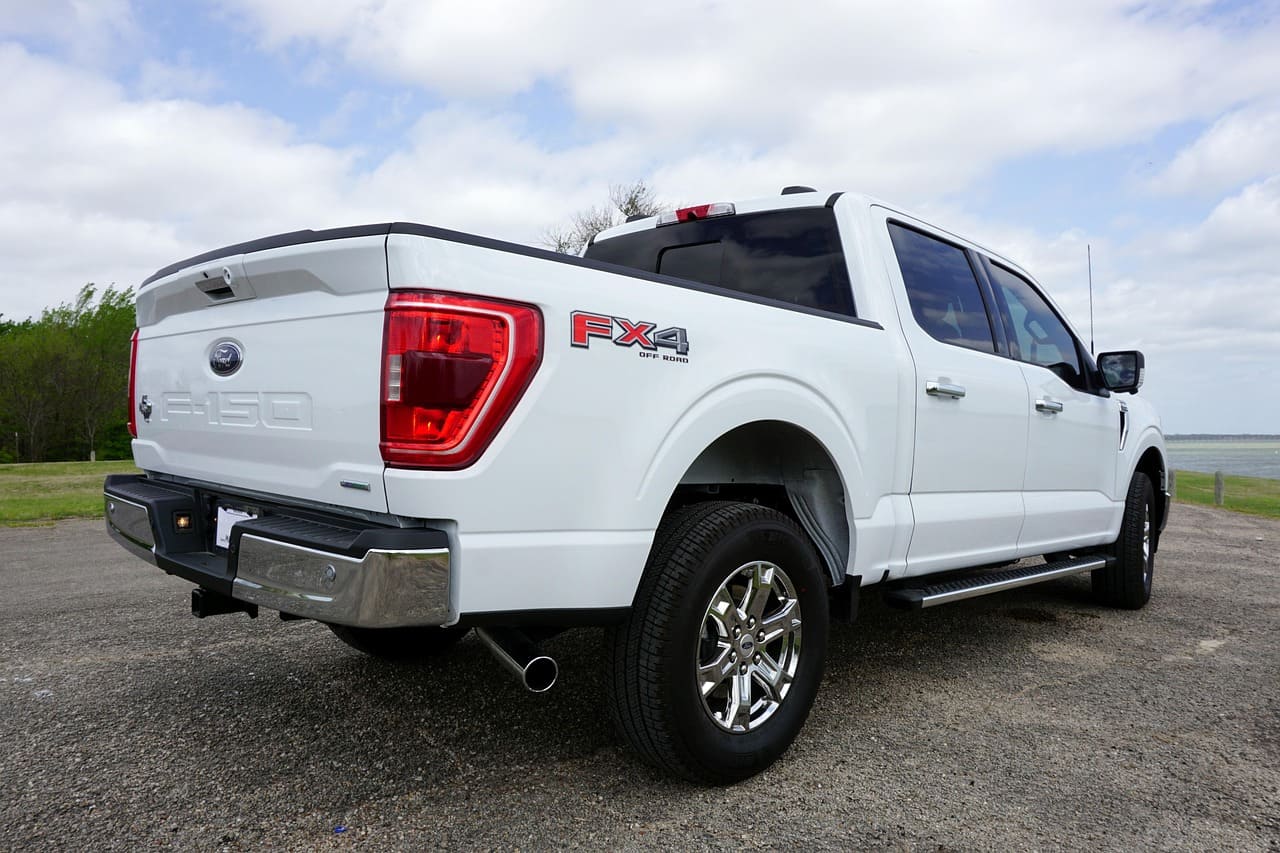
If your Ford F150 engine won’t start, the cause usually comes down to issues with the battery, starter, fuel delivery, or ignition system. The most common reason is a weak or dead battery, but problems with the starter motor, fuel pump, or ignition switch can also prevent your engine from firing up. Understanding these key areas helps you diagnose the issue faster and decide whether you can fix it yourself or need professional help.
You might notice your truck cranks but won’t start, makes a clicking noise, or shows no response at all when you turn the key. These symptoms point to different underlying problems, so it’s important to systematically check electrical connections, fuel supply, and critical components. Knowing what to look for can save you time and avoid unnecessary repairs.
Getting your Ford F150 started again can be straightforward once you pinpoint the root cause. This guide breaks down the most frequent reasons your engine won’t start and offers clear steps to troubleshoot each one effectively.
Best Bluetooth OBD2 Scanner
Detect 39,000+ Issues With Enhanced Codes. Save $1000s on car repairs & buying used vehicles by diagnosing problems yourself.
Shop on Amazon
Primary Causes of Ford F150 Engine Not Starting
When your Ford F150 engine won’t start, the problem often involves specific components that need careful inspection. Key elements like the battery, starter, fuel delivery, and ignition system must work together correctly for the engine to fire up.
Battery and Electrical System Problems
The battery is the most common source of starting issues in your Ford F150. A dead or weak battery will prevent the starter motor from engaging fully. Even if your dashboard lights come on, low battery voltage (below 12.4 volts) can still cause a no-start condition.
Check the battery terminals and cables for corrosion or loose connections. Corroded terminals with white or green crusty buildup can reduce electrical flow. Performing a battery check with a multimeter or having your battery tested at an auto parts store helps determine if replacement is necessary.
Remember, a battery older than 3-4 years may not hold charge well and could cause clicking sounds when trying to start your truck. Ensuring tight, clean battery connections is often all it takes to solve the problem.
Faulty Starter or Starter Relay
If the battery is healthy, the next crucial parts to inspect are the starter motor and starter relay. A faulty starter motor will prevent the engine from cranking, even when the battery supplies power. You might hear a single click, which usually indicates a starter solenoid issue, or no noise at all, suggesting a complete starter failure.
The starter relay functions as an electrical switch directing current to the starter motor. When it fails, your truck could show signs of power but won’t start. You can test the relay by swapping it temporarily with an identical relay in the fuse box, such as the fog lamp relay. This swap can quickly identify relay failure, which is a common and inexpensive fix for starting issues.
Pay attention to any grinding noises during starting attempts, which often signal worn starter gear needing replacement.
Fuel System Issues
Your F150’s engine needs the proper fuel supply to start. Problems in the fuel system often result in the engine cranking but not firing. A faulty fuel pump frequently causes this issue. Normally, you should hear a brief hum for 2-3 seconds when you turn the key to “ON,” indicating the fuel pump is priming.
Other fuel system problems include clogged fuel filters or blocked fuel lines, which restrict fuel flow. A lack of fuel pressure can cause the engine to crank without starting or stall shortly after ignition.
A strong gasoline smell after several failed starts can point to fuel flooding or leaks. Checking the fuel pump and pressure, as well as ensuring the fuel filter is clean, helps narrow down the root cause.
Ignition System Malfunctions
The ignition system provides the spark necessary to ignite the fuel-air mixture. Malfunctions here can stop your Ford F150 from starting even if the battery and fuel systems are fine.
Common issues include worn or fouled spark plugs, faulty ignition coils, a bad ignition switch, or damaged spark plug wires. Older F150 models may have spark plug wires that degrade over time, leading to misfires or rough running before no-start symptoms appear.
A defective ignition switch can prevent power from reaching the starter circuit despite other systems being functional. If you experience no clicking but have power, testing or replacing the ignition switch might be your solution.
Regular maintenance on spark plugs and ignition components according to the manufacturer’s schedule reduces the risk of sudden ignition failure.
Diagnostic Process for Ford F150 No-Start Conditions
When your Ford F150 won’t start, isolating the root cause quickly is crucial. This involves a step-by-step examination of power delivery, starter components, and fuel and ignition systems. Using proper tools and targeted checks can prevent unnecessary part replacements.
Visual and Instrumental Checks
Start with a thorough visual inspection under the hood and around the battery. Look for corroded or loose battery terminals, damaged wiring, or blown fuses, especially the fuel pump fuse (often fuse #27). A faulty connection can prevent your truck from starting.
Use a multimeter to check for battery voltage; it should read about 12.6 volts with the engine off. Also, inspect visible components like the fuel pump driver module and the inertia fuel shutoff switch for signs of damage or tripping.
Dashboard indicators provide essential clues. A blinking security or check engine light can signal issues with the Passive Anti-Theft System (PATS) or engine sensors. Pay close attention to warning lights before proceeding.
Testing Battery Health and Voltage
Battery condition is a common culprit in start failures. Begin by measuring the voltage across the battery terminals using a multimeter. A healthy, fully charged battery should register around 12.6 volts or more at rest.
Next, perform a load test if possible, or observe the voltage drop while attempting to start the engine. A significant voltage drop below 10 volts during cranking suggests the battery may be weak or failing.
Check the battery cables and ensure they are clean and tight. Corrosion often restricts current flow to the starter. If the voltage readings and connections are solid, your battery likely isn’t the issue.
Evaluating Starter and Relay Functionality
If the engine cranks but doesn’t start, assess the starter and related relays. Listen for a clicking sound when turning the key; absence often points to starter relay or solenoid failure.
Use a diagnostic tool or swap the starter relay with a similar one in the fuse box to confirm if the relay is faulty. Test the starter motor by ensuring it receives proper voltage during ignition.
Check the wiring from the battery to the starter for any shorts or breaks. If your starter motor shows signs of wear or doesn’t engage, replacement might be necessary.
Assessing Fuel and Ignition Systems
Fuel delivery and ignition spark are essential for starting. Begin by checking fuel pressure with a fuel pressure gauge at the test port. Low or no pressure usually indicates issues with the fuel pump, relay, or fuse.
Inspect the inertia fuel shutoff switch, particularly if the truck experienced a jolt recently. Reset it if tripped or test it for continuity using a multimeter. A faulty switch can cut power to the fuel pump.
Next, evaluate ignition components. Remove and inspect spark plugs, spark plug wires, and ignition coils for wear or damage. Use a spark tester to check for proper spark. Defective ignition parts will prevent combustion even with adequate fuel pressure.
Other Contributing Factors in Ford F150 No-Start Scenarios
Several additional components beyond the battery and starter can prevent your Ford F150 from starting. These parts often cause specific symptoms that, when recognized, can help you narrow down the cause quickly and focus your troubleshooting efforts.
Neutral Safety Switch and Transmission Range Sensor Issues
Your Ford F150 has built-in safety mechanisms to prevent starting unless the transmission is in Park or Neutral. The neutral safety switch physically prevents the engine from cranking if the truck is in gear. When this switch fails or gets misaligned, the engine won’t crank even with a healthy battery and starter.
Similarly, the transmission range sensor electronically tells the vehicle’s computer which gear the transmission is in. If it malfunctions, your F150 might not recognize that it’s in Park or Neutral, blocking the start sequence.
A quick way to test if these components are at fault is to attempt starting the truck in Neutral instead of Park. If it starts then, the neutral safety switch or range sensor likely needs replacement or adjustment.
Passive Anti-Theft System Interference
The Passive Anti-Theft System (PATS) in Ford F150s is designed to prevent unauthorized starting. However, this system can sometimes trigger false no-start conditions. If your security light blinks rapidly on the dashboard and the engine cranks but immediately dies, PATS might be interfering.
You can try performing a PATS reset by turning the key to “ON” (not start) and holding it there for 10-15 minutes until the security light stops flashing, then turning it off and repeating this cycle three times before attempting to start.
Issues with the PATS chip in the key or problems after battery disconnection can also cause these symptoms, requiring either a system reset or professional diagnosis.
Engine Mechanical Problems
Although less common compared to electrical or fuel-related causes, mechanical issues within the engine can stop your F150 from starting. Problems like a broken timing belt or chain, seized components, or internal engine damage will prevent proper compression or spark.
If you hear unusual sounds like grinding or knocking when you try to start the truck, or if the engine fails to turn over at all despite a good battery and starter, mechanical failure could be the culprit.
A thorough inspection by a mechanic is critical when mechanical issues are suspected because severe engine problems often require specialized tools and expertise to diagnose and repair effectively.
Warning Lights and Unusual Sounds
Warning lights on your dashboard provide valuable clues to why your Ford F150 won’t start. Pay attention to any illuminated check engine, battery, or security lights before and during your startup attempts.
Unusual sounds are also diagnostic indicators. A single click when turning the key could mean a failing starter solenoid, while grinding noises often indicate worn starter gears or an improperly engaging starter.
If you detect abnormal noises or inconsistent warning light behavior, documenting these symptoms can help guide your troubleshooting or assist a technician in pinpointing the issue faster.
When to Seek Professional Help and Preventive Measures
Knowing when to involve a professional and how to maintain your Ford F150 can save you time and money. Early recognition of serious issues and consistent care help avoid prolonged downtime and costly repairs.
Signs It’s Time for a Professional Mechanic
If your Ford F150 shows persistent symptoms like the engine cranking but failing to start, or you hear repeated clicking noises when turning the key, it’s often a signal that battery problems or starter motor failure may be involved. Additionally, if dashboard warning lights related to the fuel or ignition systems remain on, this suggests deeper electrical or fuel delivery problems.
You should also seek professional assistance if DIY troubleshooting—like jump-starting or replacing spark plugs—does not resolve the problem. Complex issues such as fuel pump malfunctions or ignition system failures require diagnostic tools and expertise that only a professional mechanic can provide. Prompt intervention minimizes further damage and ensures safety.
Routine Maintenance to Prevent Starting Issues
Regular preventive maintenance is essential to keep your Ford F150 starting reliably. Key tasks include checking the battery voltage and terminals for corrosion, replacing old spark plugs, and inspecting the fuel filter to avoid clogs that restrict fuel delivery.
Scheduling scheduled service visits enables thorough inspection of critical components such as the ignition coil, fuel pump, and starter motor. Keeping these parts in good condition reduces the risk of unexpected starting failures. Use a checklist for routine checks:
- Battery health and clean terminals
- Spark plugs condition
- Fuel filter replacement
- Ignition system inspection
Preventive maintenance keeps minor issues from escalating into major problems that could leave your truck stranded.
Importance of Addressing Issues Promptly
Delaying repairs when your Ford F150 struggles to start can cause additional damage. For example, a weak battery that isn’t addressed might overwork the starter motor, leading to early failure. Similarly, neglecting fuel system problems like a failing fuel pump can lead to engine misfires or complete no-start situations.
Prompt diagnosis and repair not only restore your truck quickly but also help avoid costly replacements. Acting quickly ensures your ignition system and fuel delivery components function optimally, preserving your vehicle’s performance. Professional mechanics can identify underlying issues early and recommend targeted repairs, protecting your investment.