

If your Ford F-150’s radiator fan is not working, your engine is at risk of overheating, especially when idling or stuck in traffic. The most common causes include a faulty fan motor, bad fan relay, blown fuse, or a malfunctioning coolant temperature sensor. Identifying the exact issue quickly helps prevent costly engine damage and keeps your truck running smoothly.
You’ll often notice symptoms like the engine temperature rising, warm air from the AC, or the cooling fans failing to activate. Diagnosing the problem involves checking electrical components such as fuses and relays, testing the fan motor, and verifying sensor signals. Understanding these key points lets you address the issue efficiently, whether you’re troubleshooting yourself or preparing to explain the problem to a mechanic.
Knowing what to look for and how each part works in your Ford F-150’s cooling system will save you time and money. With proper checks, you can restore proper cooling and avoid heat-related failures in your vehicle. For more detailed troubleshooting steps and repair options, you can explore reliable advice on diagnosing a non-working radiator fan.
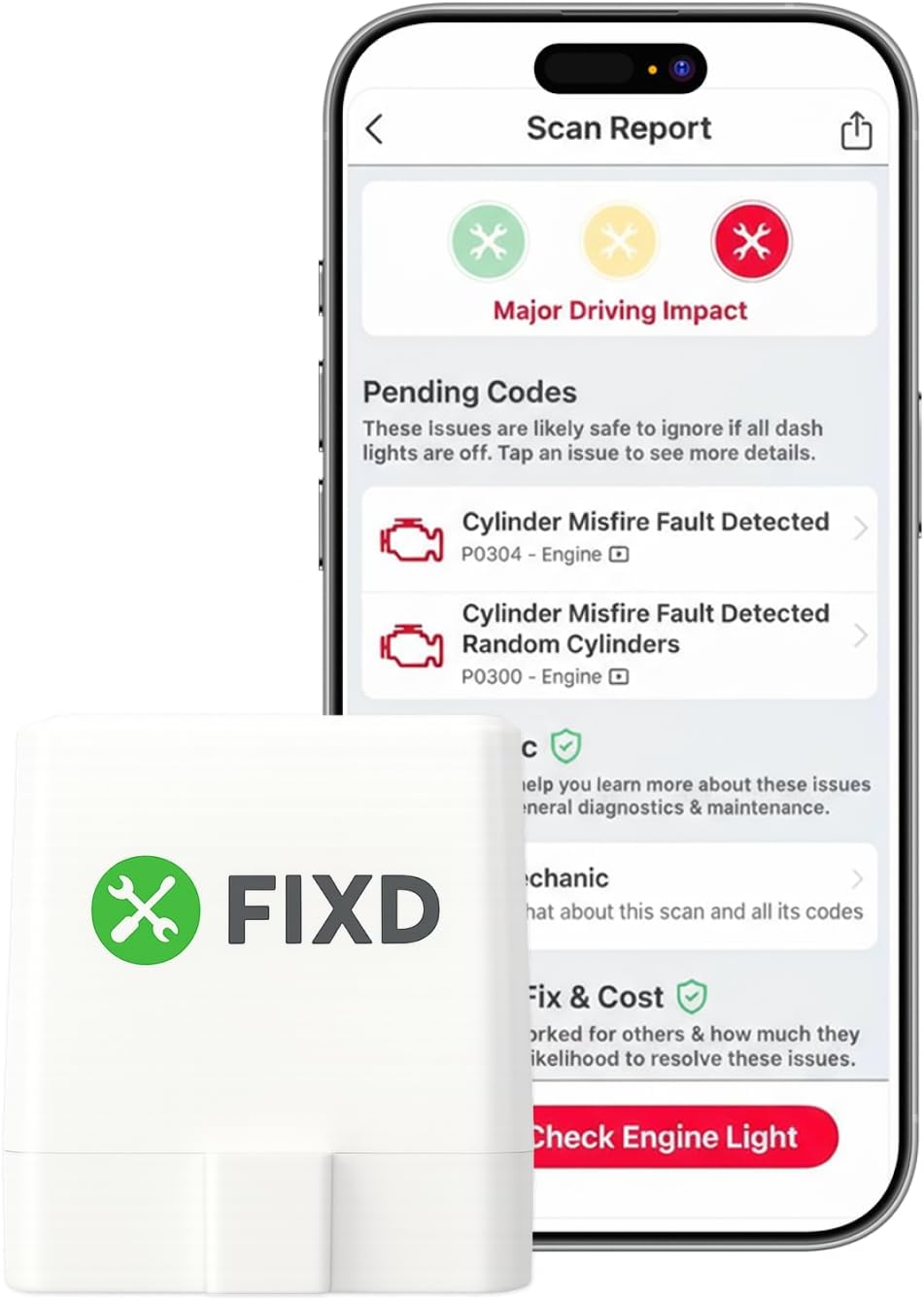
Best Bluetooth OBD2 Scanner
Detect 39,000+ Issues With Enhanced Codes. Save $1000s on car repairs & buying used vehicles by diagnosing problems yourself.
Shop on Amazon
Common Causes of Ford F150 Fan Not Working
Several components must function correctly for your Ford F150’s radiator fan to operate. Issues typically arise from electrical failures, mechanical wear, or sensor malfunctions affecting the fan’s ability to engage when needed.
Blown Fuse or Faulty Relay
Your radiator fan relies on electrical power controlled by a fuse and a fan relay. A blown fuse cuts off power, preventing the fan from running entirely. Sometimes the fuse appears intact but still fails under load, so testing with a multimeter is essential.
The fan relay acts as a switch triggered by your vehicle’s computer to turn the fan on or off. If the relay fails or becomes stuck, the fan won’t receive the proper signal or voltage. You can test the relay by swapping it with a similar, known good relay or jumping the relay terminals to see if the fan activates directly.
Both fuse and relay failures are common and relatively easy to fix, restoring power flow to the fan motor and preventing engine overheating. Check these first when diagnosing a non-working fan.
Defective Fan Motor
The fan motor physically spins the blades to create airflow across the radiator. If the motor burns out, seizes, or suffers internal electrical failure, the fan will stop working even if power reaches it.
Symptoms of a bad fan motor include a complete lack of blade movement, unusual noises like grinding or whining, or intermittent operation. You can test the motor by applying 12V directly from the battery to the fan connector, bypassing the relay and fuse. If it does not run under direct power, the motor needs replacement.
Fan motor failure is less common than relay or fuse issues but often requires replacing the entire fan assembly due to how the motor is integrated.
Wiring and Ground Issues
Proper wiring and solid ground connections are crucial for your Ford F150’s radiator fan circuit. Damaged wiring, corroded connectors, or loose grounds can interrupt the electrical flow needed to run the fan.
Look for frayed wires, burnt insulation, or disconnected plugs near the fan motor and relay. Use a multimeter to check for voltage at the fan plug with the engine at operating temperature to confirm power availability. Also, verify the ground wire has continuity to the vehicle chassis.
Poor grounding can cause erratic fan operation, such as the fan running at the wrong speed or not at all. Repair any damaged wiring or clean and tighten ground connections to restore fan function.
Malfunctioning Temperature Sensor or Control Module
Your Ford F150’s coolant temperature sensor monitors engine temperature and signals when the fan should turn on. A faulty sensor may provide incorrect readings, so the fan never receives the command to start.
If the temperature sensor fails low, the fan might never activate, risking overheating. Conversely, a sensor stuck at a high reading can cause the fan to run continuously. The fan control module (or PCM) processes these inputs, and any malfunction here can disrupt proper fan operation.
Diagnose this issue by scanning for trouble codes such as P0480 or related engine temperature faults. Inspect or replace the temperature sensor and, if needed, check the control module’s operation to ensure timely fan engagement.
For further troubleshooting techniques and repair options, see this detailed guide on Ford F-150 radiator fan issues.
Diagnosis and Troubleshooting Steps
When your Ford F150’s cooling fan isn’t working, pinpointing the issue requires careful inspection and testing. Key areas to examine include the fan assembly’s condition, power supply, relays, fuses, and any stored trouble codes in the vehicle’s computer system.
Visual Inspection of Fan Assembly
Start by examining the cooling fan and its surrounding components. Look for any physical damage like broken blades, debris, or signs of wear on the fan motor. Make sure the fan spins freely by hand if the engine is cool—any stiffness or unusual resistance could indicate a failing fan motor or seized bearings.
Check wiring harnesses and connectors for fraying, corrosion, or loose connections, especially where the wiring runs near moving parts or under the vehicle. Damaged wiring can interrupt power delivery to the fan motor. Also inspect the fan clutch if your model uses a mechanical fan; worn clutches might slip and prevent proper operation.
Testing Voltage and Power Supply
Once the visual check is complete, verify that the fan is receiving power. Use a multimeter to measure voltage at the fan motor connector. When the engine temperature is high or the AC is on, you should see a reading close to 12 volts. Absence of voltage usually points to electrical faults upstream.
If voltage is present but the fan doesn’t run, the fan motor itself may be defective. You can also test the fan motor directly by applying battery power with jumper wires, observing if it spins. Caution is necessary when working around the fan, as it could activate unexpectedly.
Relay and Fuse Location Checks
Next, check the fan relay and fuse. The fan relay acts as an electrical switch controlled by the engine ECU; a failed relay means no power gets to the fan motor. Locate the relay in the engine bay fuse box and test it by swapping with a similar relay or using a relay tester.
Inspect the fuse specific to the radiator fan for signs of blowing or corrosion. Even if the fuse appears good, replace it if you suspect intermittent issues, as a blown fuse often indicates wiring short circuits. Access detailed steps on checking these components in a fan relay and fuse guide.
Using Diagnostic Tools and Reading Trouble Codes
Using an OBD-II scanner can reveal engine coolant temperature sensor failures or fan control issues recorded as trouble codes. The ECU relies on the temperature sensor to know when to activate the fan relay. Faulty sensors might prevent the fan from turning on.
Scan your Ford F150 for codes related to cooling system temperature, fan relay control, and fan motor circuits. Clear any codes after repairs and monitor if they return. Advanced diagnostic tools also allow manual activation of the fan relay to test fan operation directly without waiting for engine heat triggers. This method saves time and helps target electrical versus mechanical faults.
Component-Specific Problems and Solutions
Addressing Ford F-150 fan issues requires focusing on key parts like the engine cooling fan, heater core, control modules, and actuators. These components can fail or malfunction, causing performance drops and engine overheating.
Engine Cooling Fan and Clutch Failure
Your engine cooling fan is critical for regulating engine temperature by drawing air through the radiator. A common problem is fan clutch failure, where the clutch either seizes or slips. If the fan doesn’t spin properly, it won’t cool the engine efficiently. Symptoms include engine overheating, loud roaring noises, or difficulty turning the fan by hand when the engine is off.
To troubleshoot, check if the fan spins freely and inspect the clutch for damage or resistance. A seized clutch often causes loud noises and poor engine power. Replacing the fan clutch or the entire fan assembly is often necessary to restore proper cooling and avoid costly engine damage.
Heater Core and HVAC Fan Issues
If your F-150’s interior heating or A/C fan isn’t working, the problem may lie in the heater core or the HVAC fan motor. A clogged or leaking heater core can prevent warm air from circulating. Meanwhile, a failing blower motor or faulty resistor usually causes the HVAC fan to stop blowing air entirely or work intermittently.
Look for signs like weak airflow, unusual smells, or coolant leaks inside the cabin. Testing the blower motor with a multimeter can confirm if it’s receiving power. Replacing the blower motor or heater core resolves these problems and restores climate control function inside your truck.
Control Module and Sensor Replacement
The fan’s operation depends heavily on sensors like the coolant temperature sensor and modules such as the fan control module or PCM. If these sensors send incorrect signals, the fan might not activate when needed or run constantly.
Common signs include the check engine light, poor fuel economy, or inconsistent fan operation. Diagnosing requires scanning trouble codes and verifying sensor outputs. Replacing a faulty coolant temperature sensor or repairing the fan control module usually fixes these issues. Ensuring these components work correctly prevents engine overheating and maintains efficient fan control.
Actuator and Blend Door Complications
Your truck’s HVAC system uses actuators and blend doors to direct airflow and mix hot and cold air. When the fan isn’t producing the correct temperature or airflow, an actuator failure or stuck blend door might be to blame.
Symptoms include inconsistent air temperatures or airflow only coming from one vent. You might also hear clicking noises behind the dashboard, indicating a malfunctioning actuator. Inspect or replace the faulty actuator to solve these airflow issues and ensure your HVAC system functions as designed.
Prevention, Repairs, and Replacement Tips
Keeping your Ford F-150’s cooling fan system functioning properly requires a combination of routine care, selecting the right parts, and knowing when to seek professional assistance. Addressing issues early and using quality components can extend the life of your fan and prevent costly repairs.
Regular Maintenance and Inspections
You should inspect the cooling fan and related components regularly, especially before extreme weather seasons. Check for physical damage like cracks, loose wiring, or debris blocking the fan blades. Ensure the fan relay and fuse are intact and functioning; a blown fuse or faulty relay is a common reason the fan stops working.
Listen for unusual noises such as whining or grinding, which may indicate a failing fan motor or clutch. Monitor engine temperature and the operation of your fan during idling—if the fan doesn’t engage when the engine heats up, it’s a sign of trouble. Routine checks can identify problems before they escalate.
Choosing Quality Replacement Parts
When replacing your cooling fan or fan relay, prioritize OEM or high-quality aftermarket parts designed specifically for the Ford F-150. Avoid cheap, generic components that may not fit properly or last long under heavy engine loads.
Look for parts with warranties to ensure reliability. Pay attention to compatibility with your truck’s model year and engine specification. Using the right fan ensures proper cooling performance and prevents overheating. Also, replace worn serpentine belts that drive the fan mechanism to avoid slipping or inadequate fan speed.
Professional Repair Considerations
If you experience persistent fan problems or your troubleshooting points to complex electrical issues, consulting a certified technician is advisable. Professionals have diagnostic tools to read trouble codes related to the fan control module, coolant temperature sensor, or powertrain control module.
Proper diagnosis prevents unnecessary part replacements and lowers repair costs. Technicians can also verify ground connections and wiring integrity, which might be hard to check on your own. When replacing parts like the fan motor or relay, professional installation ensures secure connections and avoids further damage.