

Last updated on October 7th, 2026 at 09:35 pm
If your Ford F150’s fuel pump is not working, the most likely cause is an electrical issue such as a blown fuse, a faulty relay, or damaged wiring preventing power from reaching the pump. In some cases, the pump itself may have worn out due to age or contamination. Understanding these common causes helps you pinpoint the problem quickly and avoid unnecessary repairs.
You might notice symptoms like the engine cranking without starting, sputtering, loss of power, or long cranking times. Listening for the fuel pump’s prime sound when you turn the key on can give you an immediate clue if the pump is receiving power or has failed. Checking fuses, relays, and fuel pressure are practical first steps you can take before considering a full pump replacement.
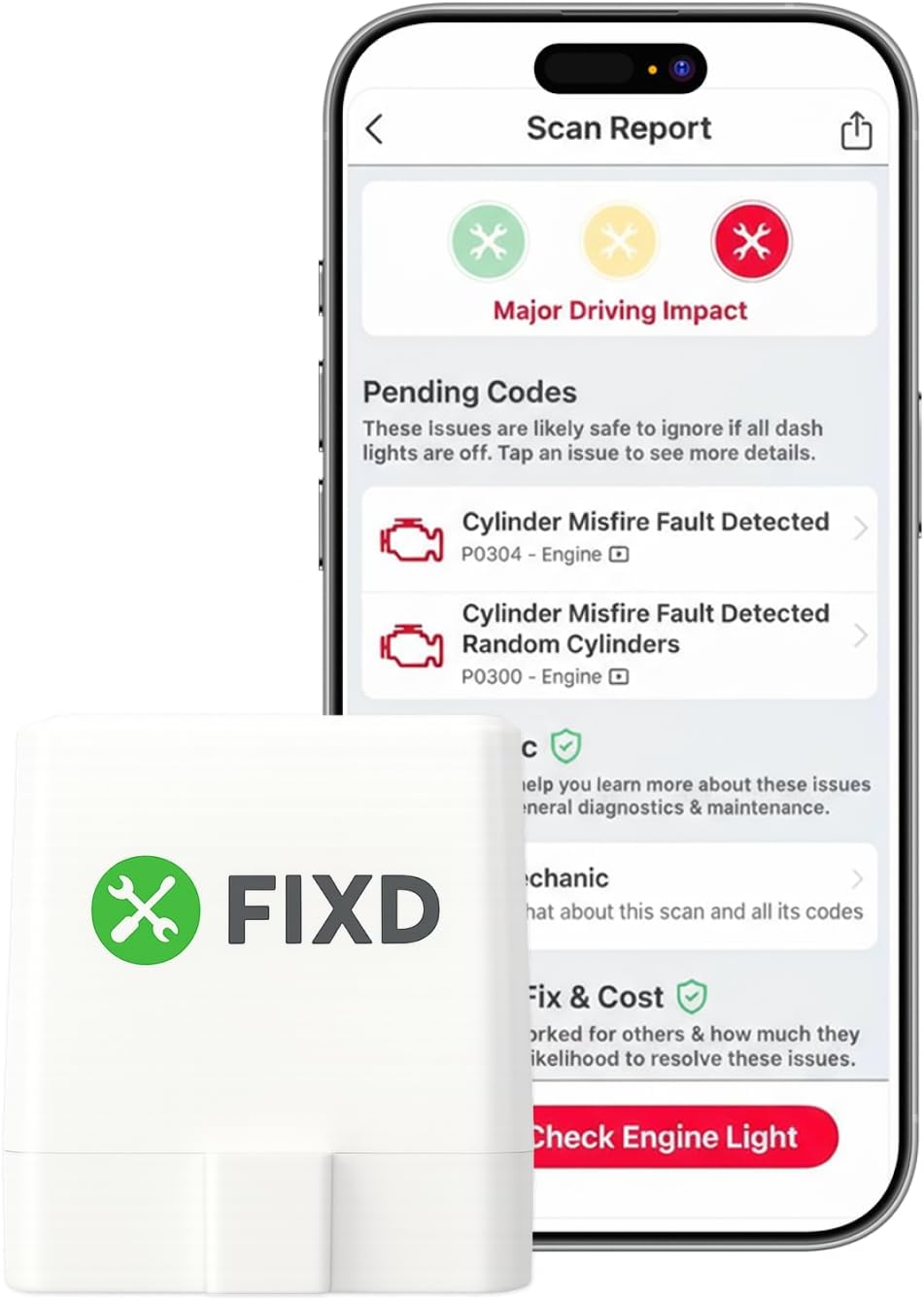
Best Bluetooth OBD2 Scanner
Detect 39,000+ Issues With Enhanced Codes. Save $1000s on car repairs & buying used vehicles by diagnosing problems yourself.
Shop on AmazonKnowing how to diagnose your truck’s fuel pump issue can save you time and money. Whether the problem lies in the electrical system or the pump itself, targeted troubleshooting can get your F150 back on the road faster and with confidence. For detailed causes and fixes, see more on diagnosing a Ford F150 fuel pump not working.

Key Signs Your Ford F150 Fuel Pump Is Not Working
When your Ford F150’s fuel pump starts to fail, you’ll notice specific mechanical and performance issues. These include problems starting the engine, uneven power delivery, and unusual sounds from the fuel tank area. Recognizing these symptoms early can help you avoid getting stranded or causing further damage.
No-Start Condition
A common and clear indicator of a faulty fuel pump is when your Ford F-150 won’t start at all. When you turn the key, the engine may crank but fail to fire because fuel is not reaching the combustion chamber. This no-start condition often occurs suddenly and can be intermittent at first.
You might notice this problem especially when the engine is warm, taking multiple attempts to get fuel flowing again. This happens because an electrical or mechanical fault within the fuel pump prevents it from delivering the proper fuel pressure. If the pump fails completely, your truck won’t start until the pump is repaired or replaced. Checking the fuel pressure with a gauge can confirm this issue.
Long Cranking or Hard Starting
If your truck takes longer than usual to start or struggles to turn over, the fuel pump could be the cause. Long cranking occurs because the pump isn’t supplying enough fuel quickly to create the optimal mixture for ignition.
This symptom is often noticed after the vehicle has been sitting or during hot-start situations, where the engine cranks many times before catching. Inconsistent fuel flow leads to poor combustion, which can make daily driving frustrating. Replacing worn or failing pumps improves startup time and reduces engine strain during ignition.
Engine Sputtering or Power Loss
You may experience sputtering or a noticeable loss of power while driving, especially when accelerating or climbing hills. This happens because the failing fuel pump can’t maintain steady fuel pressure under load.
Your Ford F150 might hesitate or surge unexpectedly due to inconsistent fuel delivery. This problem reduces overall engine performance and can increase fuel consumption. Monitoring fluctuations in fuel pressure during a diagnostic test helps verify if the pump is responsible, rather than other fuel system components.
Unusual Whining Noise from Fuel Tank
A distinct whining or buzzing sound coming from the rear of your truck near the fuel tank often signals a failing fuel pump. This noise is caused by internal pump components wearing out and struggling to operate efficiently.
You might hear the noise when the engine is running or just after turning the ignition key. While some background hum is normal, loud or irregular whining indicates that the fuel pump is under stress. Ignoring this sound risks sudden pump failure and potential breakdown. Addressing it promptly can prevent further fuel system damage.
For more details, see this guide to common signs of a failing Ford F-150 fuel pump.
Common Causes for Ford F150 Fuel Pump Failure
When your Ford F150’s fuel pump stops working, the root cause is often related to electrical components. Issues with the fuel pump relay, fuse, wiring, or safety switches can prevent power from reaching the pump, leading to starting problems or engine stalling. Understanding these specific failure points helps you diagnose and address the issue more efficiently.
Faulty Fuel Pump Relay
The fuel pump relay acts as an electrical switch, controlling power delivery to the fuel pump. If this relay fails, your Ford F150 fuel pump may not receive any power, causing the engine to crank but not start. Common signs include no sound from the fuel tank when turning the key to the “ON” position and inconsistent fuel delivery.
Relays can wear out mechanically or electrically over time. Testing involves swapping the fuel pump relay with another identical relay in the under-hood fuse box, such as the horn relay, to see if the problem resolves. A faulty relay needs replacement to restore proper fuel pump function.
Blown Fuel Pump Fuse
Your Ford F150 is equipped with a fuse designed to protect the fuel pump circuit from electrical overloads. If the fuse blows, it cuts power to the fuel pump to prevent further damage. This will result in the engine not starting or sudden stalling, often without other warning signs.
You can locate the fuse in the engine compartment’s fuse box. Use a fuse tester or visually inspect the fuse for any break in the filament. Replacing the fuse temporarily fixes the issue, but if it blows again quickly, it may indicate a short circuit or a failing fuel pump drawing too much current. Addressing the underlying cause is essential to prevent repeated fuse failures.
Wiring or Connector Issues
Electrical wiring and connectors connect the fuel pump to the relay, fuse, and power source. Over time, wiring may become corroded, frayed, or disconnected, especially near the fuel tank where vibration and exposure to elements are common.
Symptoms include intermittent fuel pump operation or no operation at all. Inspect the wiring harness and connectors for signs of damage, loose connections, or corrosion. Pay special attention to the connector on top of the fuel pump module inside the tank. Cleaning solvent and dielectric grease can help maintain good contact if corrosion is mild. Severely damaged wiring requires replacement to ensure reliable fuel delivery.
In many 2004–2014 F-150 models, the ‘wiring’ issue is actually a corroded Dorman Fuel Pump Driver Module; this upgraded version features rubber standoffs that prevent the aluminum housing from touching the steel frame, stopping the galvanic corrosion that commonly kills the fuel pump’s power supply.

Fuel Pump Inertia Switch Activation
Ford F150 models include an inertia switch designed to cut power to the fuel pump in the event of a collision to reduce fire risk. However, this switch can trip accidentally if the truck experiences a jolt or rough driving conditions. When activated, the fuel pump will stop receiving power even though the pump and relay are functioning.
You can usually locate the inertia switch in the passenger footwell behind a panel. Resetting it involves pressing the button firmly until it clicks. If your engine cranks but won’t start, and there are no other electrical faults, checking this switch is a quick and simple step to restore power to the fuel pump.
Step-by-Step Diagnostic Procedures
To effectively diagnose a Ford F-150 fuel pump issue, you need to measure fuel pressure, verify fuel flow points, check the electrical system powering the pump, and gather onboard diagnostic information. Each method reveals specific details about the pump’s condition and helps isolate problems accurately.
Testing with a Fuel Pressure Gauge
Using a fuel pressure gauge provides a direct measurement of the fuel pump’s output. First, locate the fuel injector rail where the fuel line connects. You’ll need a fuel pressure test kit with a Ford spring lock coupling adapter to safely attach the gauge to this line.
Start by relieving fuel pressure to avoid spills. Then disconnect the fuel supply line and install the adapter between the injector rail and the fuel line. Reconnect the fuel line to the adapter and attach the gauge.
Cycle the ignition key to the ON position without starting the engine. This primes the pump and pressurizes the system. Check the reading against Ford’s specified fuel pressure for your F-150 model. A pressure reading of zero or below spec indicates a failing or weak fuel pump. If the pressure is within the correct range, the fuel pump is likely operational.
Using the Schrader Valve
Many Ford F-150 models with a returnless fuel system don’t have a Schrader valve (fuel pressure test port) on the fuel rail, especially those equipped with a fuel pump driver module (FPDM). Without this valve, you cannot connect a fuel pressure gauge directly as you would in older systems.
If your F-150 does have a Schrader valve, you can simply attach a fuel pressure gauge to it and perform the test while the engine is running or during key cycles. This method is quicker but requires caution to avoid fuel spray due to pressure.
If there’s no Schrader valve, you must use a spring lock coupling adapter between the fuel rail and the supply line to perform pressure testing safely. This step is critical as attempting to connect a gauge where no valve exists can damage components or cause leaks.
Inspecting the Fuel Pump Electrical Circuit
Before assuming the fuel pump is at fault, check its electrical supply. Start by locating the fuel pump fuse and relay in the fuse box. Verify both for continuity and proper operation.
Next, test for voltage at the fuel pump connector while cycling the ignition. No voltage suggests issues with the relay, inertia switch, wiring, or the fuel pump driver module (FPDM). The inertia switch, designed to cut power to the pump after a collision, often trips and must be reset.
Check ground connections and wiring for corrosion or damage. A multimeter is essential for these tests. If power is confirmed but the pump doesn’t run or fuel pressure is low, the pump itself is likely faulty.
Reading Diagnostic Trouble Codes
Your F-150 stores fuel system-related codes that pinpoint faults. Using an OBD-II scanner, plug it into the diagnostic port and read any trouble codes.
Look for codes related to the fuel pump driver module, fuel rail pressure sensor, or fuel delivery. Codes like P0230 or P0231 indicate fuel pump circuit issues.
A bi-directional scan tool can also command the fuel pump on and monitor live fuel pressure data. This advanced function confirms whether the pump activates and how well it performs without starting the engine.
Collecting and interpreting these codes streamlines diagnosis and avoids unnecessary part replacements.
Repair Options and Preventive Measures
A failing fuel pump or related electrical components can cause your Ford F150 to stall or not start at all. Addressing issues promptly and maintaining key parts ensures better reliability and avoids costly breakdowns.
Replacing the Fuel Pump or Relay
When your Ford F150’s fuel pump fails, replacement is usually necessary. Most modern F150s require swapping out the entire fuel pump module, which includes the pump, fuel level sender, and filter. Doing a full module replacement helps prevent future leaks and ensures all components work in harmony.
The fuel pump relay acts as a switch providing power to the pump. If your pump isn’t running but the fuse is intact, the relay might be faulty. Swapping the relay with a known good one is a quick diagnostic step. If the relay is bad, replacing it is inexpensive and typically resolves no-start conditions.
OEM parts like Motorcraft offer reliability, but quality aftermarket relays and fuel pump modules can save money. Always confirm compatibility with your specific model year and engine to avoid improper fit or failure.
When performing the replacement yourself, use a Fuel Tank Lock Ring Tool instead of a hammer and screwdriver to unscrew the pump assembly; it fits the F-150’s specific locking pattern and allows you to apply even pressure, preventing the plastic tank tabs from snapping during removal.

Addressing Fuel Pump Fuse and Wiring Issues
Your F150’s fuel pump fuse protects the circuit from overload. Check the fuse first if the fuel pump doesn’t activate. Replace any blown fuse with the correct amperage based on your owner’s manual.
Wiring problems such as corroded connectors, damaged wires, or bad grounds can interrupt power to the pump. Inspect the wiring harness, especially around the fuel tank and relay area, for signs of wear or corrosion. Loose or broken connections often trigger intermittent failures.
Using a multimeter to test voltage at the pump connector can help determine if power is reaching the pump during the key “ON” position. If voltage is absent despite a good fuse and relay, your wiring requires repair or replacement.
Maintenance Tips to Extend Fuel Pump Life
Running your fuel tank below one-quarter capacity regularly can cause your pump to overheat and wear prematurely. Keeping the tank at least a quarter full cools and lubricates the pump, which is submerged in fuel.
Replace the fuel filter or sock on schedule to prevent debris from clogging the pump. Contamination from dirty fuel or rust buildup can exhaust the pump motor by restricting flow.
Avoiding extended engine idling and monitoring odd noises like loud whining near the fuel tank early can signal pump stress. Timely service and routine checks contribute significantly to extending your fuel pump’s operational life.