
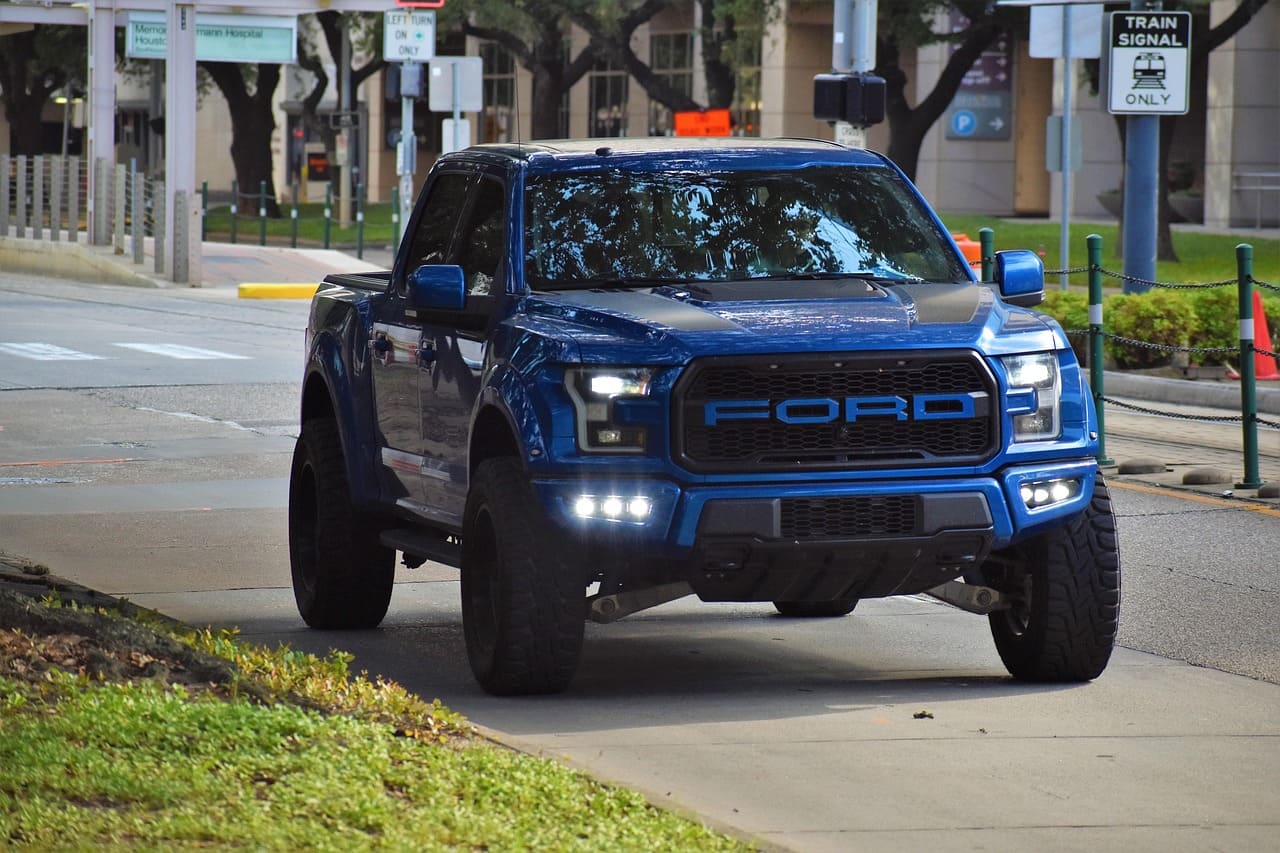
If your Ford F-150 GPS is not working, the most common cause is a lost satellite signal or a connectivity issue with the SYNC system. You can often fix this by toggling the location settings off and on, performing a key cycle, and resetting the module in your vehicle. These steps help reestablish the connection between your truck and the GPS satellites.
Sometimes the problem appears after parking in areas with poor GPS access, but if the GPS icon on your screen shows a continuous signal loss outside these zones, you may need to troubleshoot further or visit a Ford dealer. Understanding how your SYNC generation works and following specific reset procedures improves your chances of regaining accurate navigation quickly.
Issues with connected services, including FordPass, can also interfere with your GPS. Checking system updates and connections will help ensure your GPS and related features are functioning as intended. For more detailed troubleshooting, you can explore resources tailored to your system version.
Best Bluetooth OBD2 Scanner
Detect 39,000+ Issues With Enhanced Codes. Save $1000s on car repairs & buying used vehicles by diagnosing problems yourself.
Shop on AmazonLearn more about troubleshooting Ford F-150 GPS problems from the official Ford SYNC navigation support.

Common Causes of Ford F150 GPS Not Working
Your Ford F150’s GPS issues can stem from several distinct factors involving signal reception, software functionality, and hardware integrity. Understanding these causes helps you diagnose the exact problem and decide on an appropriate fix.
Signal Loss and Environmental Factors
Your truck’s GPS can lose signal when parked or driving in areas with limited satellite access. Locations such as parking garages, tunnels, or covered spaces often block your vehicle’s connection to GPS satellites. If you see a signal loss symbol—like a GPS icon with a line through it—it typically means poor signal reception.
This symbol might disappear as you move into open areas. However, if the icon stays on continuously when you are outdoors, it indicates a persistent connection problem. Weather conditions, tall buildings, or dense foliage can also interfere with satellite signals. Always ensure your truck is parked in a well-ventilated, open space when troubleshooting the GPS.
SYNC System Software Issues
Your F150’s navigation system relies heavily on the SYNC software to process GPS data. Sometimes, glitches in SYNC can cause the GPS to fail or display incorrect location information. Software bugs, corrupted data, or outdated firmware versions may cause your system to freeze or lose GPS signal.
Resetting your SYNC system by toggling connectivity settings or performing a key cycle (turning off the vehicle, opening the door, and stepping away briefly) often resolves these problems. If you have SYNC 3 or SYNC 4, similar reset procedures apply. Keeping your software updated can reduce the chances of system glitches causing navigation failures.
Vehicle Updates and Connectivity Problems
Your Ford F150’s navigation features may be linked to FordPass Connect or other vehicle updates. Outdated or incomplete system updates can impair GPS functionality, affecting real-time navigation and location accuracy.
Connectivity issues between your truck’s modules and the SYNC system can also cause navigation disruptions. Sometimes, intermittent data loss prevents your navigation from syncing with satellite signals or connected services. Checking for regular updates and ensuring that connectivity settings for location services are enabled can help maintain consistent GPS performance.
Hardware and Module Failures
Physical issues like faulty wiring, damaged GPS antennas, or malfunctioning navigation system modules often lead to GPS failures. Wear and tear over time can cause intermittent power loss or complete GPS shutdown.
Symptoms of hardware failure may include inability to boot up the navigation, incorrect routing, or no GPS signal despite good reception areas. A module reset or diagnostic check at your Ford dealer can identify hardware faults. In some cases, replacing the GPS antenna or related components is necessary to restore GPS functionality fully.
For detailed troubleshooting on signal loss symbols and SYNC-related steps, refer to Ford’s official guidance on what to do if your navigation cannot find a GPS signal.
Step-By-Step Troubleshooting for GPS Issues
Resolving GPS issues on your Ford F150 involves targeted actions specific to your SYNC system version. You will adjust settings related to location services, cycle your vehicle’s power correctly, and perform system resets to restore GPS functionality.
Checking SYNC System Generation
First, identify which SYNC generation your vehicle uses, as the troubleshooting steps vary. On SYNC 4 and SYNC 4A, tap the Settings or Home icon on your touchscreen, then select Connectivity followed by Connected Vehicle Features. This lets you access relevant controls for GPS and location services.
For SYNC 3, access the FordPass Connect menu in Settings and look for Connectivity Settings. In systems using MyFord Touch or voice-activated navigation, menus and options may be simpler but still offer similar access points.
Knowing your SYNC version is vital to applying the correct fixes. It affects how you find and toggle settings like the location slider and initiate resets.
Location Slider and Connectivity Settings
The location slider controls whether your vehicle shares GPS data. For SYNC 4/4A and SYNC 3, toggle this slider off and then back on within the connectivity settings. This refresh can often restore lost GPS signals by resetting location permissions.
In SYNC 4/4A:
- Go to Settings > Connectivity > Connected Vehicle Features.
- Locate the Location slider and toggle it off, then on again.
In SYNC 3:
- Access Settings > FordPass Connect > Connectivity Settings.
- Toggle the Location slider off and on.
Ensure your vehicle is parked outside in an open area while performing this step, as physical obstructions can block satellite signals.
Key Cycle and Module Reset Procedures
Performing a proper key cycle helps reset the vehicle’s systems and often clears GPS glitches. Here’s how:
- Turn your vehicle completely off.
- Open the driver’s door and exit the vehicle.
- Lock the vehicle using the remote or key fob.
- Close the door and step at least 5 feet away.
- Wait for 2 minutes before returning.
After the key cycle, you should perform a module reset, which varies by SYNC version but generally involves using the touchscreen menus to initiate resets or, if available, pressing specific button combinations detailed in your SYNC manual.
If problems persist after these resets, consider scheduling a visit with your Ford dealer for further diagnostics. This sequence is recommended for SYNC systems including voice-activated and MyFord Touch to resolve persistent GPS failures.
For detailed troubleshooting specific to your system generation, refer to Ford’s official SYNC GPS troubleshooting guide.
Interactions with FordPass and Connected Features
Your GPS functionality in a Ford F150 is deeply connected to the operation of FordPass, FordPass Connect, and other connected vehicle features. Issues with these systems often affect navigation accuracy, real-time traffic updates, and remote vehicle controls accessed through the FordPass app.
FordPass and FordPass Connect Integration
FordPass Connect is a built-in modem system that allows your F150 to communicate with Ford’s servers and your smartphone app. This integration enables GPS navigation, live traffic updates, remote start, and vehicle status monitoring. If FordPass Connect loses connectivity, your FordPass app may fail to retrieve location data or update navigation routes.
The system relies on cellular signals, so poor reception inside garages or remote areas can cause GPS and FordPass features to malfunction. Additionally, software glitches or outdated SYNC 4 system versions can disrupt data flow between your truck and the app. Always ensure your vehicle’s software is up to date to maintain smooth FordPass integration.
Impact on Connected Vehicle Services
Connected services like remote start, vehicle health reports, and Alexa integration depend on a stable connection through FordPass Connect. If the GPS system stops working, these features often become unavailable since the system cannot confirm your vehicle’s location or status.
For example, the lane-centering feature can be affected by GPS loss because it requires precise positioning data. Many owners facing no GPS signal also report problems connecting to WiFi networks or the FordPass app remotely. These issues often stem from a malfunctioning communications module, which may need dealer inspection or a system reset.
Troubleshooting FordPass-Related GPS Failures
Start troubleshooting by verifying if your FordPass app is properly linked to the vehicle and that your FordPass Connect service subscription is active. Check cellular signal strength in your area and try reconnecting the truck’s battery to reset the system.
You should also confirm your SYNC system has the latest software updates. If the issue persists, visit your dealer for diagnostics on the vehicle’s communication module. Dealers may run tests or reflash software to restore the connection. Some users report long wait times for engineering support when dealing with persistent faults. For community experiences and solutions, resources like the Ford F150 Forum offer detailed troubleshooting discussions.
Navigation Alternatives and User Experiences
If your Ford F150 GPS is not functioning properly, there are reliable alternatives through smartphone integration and third-party apps. Many drivers turn to external navigation tools that offer up-to-date maps and flexible features. Understanding how these options compare to your truck’s built-in system can help you decide what fits your needs.
Using Android Auto, CarPlay, and Third-Party Apps
You can connect your smartphone to your Ford F150 via Android Auto or Apple CarPlay, allowing you to use popular navigation apps like Google Maps and Apple Maps through your vehicle’s touchscreen. These systems mirror your phone’s interface, providing real-time traffic updates, voice commands, and easy destination input.
Setting up requires a compatible smartphone and a USB cable, then following the prompts on the vehicle’s SYNC system. This method bypasses issues related to the built-in navigation software or hardware. However, keep in mind that some features might consume your phone’s data plan and require a stable cellular connection.
Comparing Built-In Navigation with Mobile Solutions
Your F150’s built-in navigation system offers integration with vehicle-specific data and doesn’t rely on cellular service once maps are downloaded. It can often provide functionality linked to other vehicle systems, like lane guidance and speed limit alerts.
On the other hand, mobile apps accessed via Android Auto or CarPlay typically feature more frequent map updates, better traffic data, and a more familiar user interface. However, reliance on your smartphone means potential distractions, power consumption, and the need for cellular coverage.
| Feature | Built-In Navigation | Android Auto / CarPlay |
|---|---|---|
| Offline functionality | Yes (with map downloads) | Limited |
| Traffic updates | May lag between updates | Real-time, frequent updates |
| Software updates | Dealer or USB based | App updates via phone store |
| Integration with vehicle | Yes | Limited |
Your choice depends on your preference for integration or update frequency and how you balance convenience with system reliability. For many, pairing the built-in system with smartphone navigation offers the best versatility.
Learn more about how to use these systems effectively and troubleshoot your Ford F150’s navigation issues at Ford F150 Forum – Navigation not working.