
Last updated on July 21st, 2026 at 08:46 pm
If your Ford F150 horn is not working, it’s usually due to one of a few common issues like a blown fuse, a faulty relay, damaged wiring, a broken clock spring, or a failed horn unit. Identifying the problem quickly allows you to fix the horn and maintain an important safety feature on your truck.
You can start by checking the horn fuse and relay, both usually located in the fuse box under the hood or inside the cabin. Inspect the wiring behind the grill and around the horn itself for any damaged or disconnected connections.
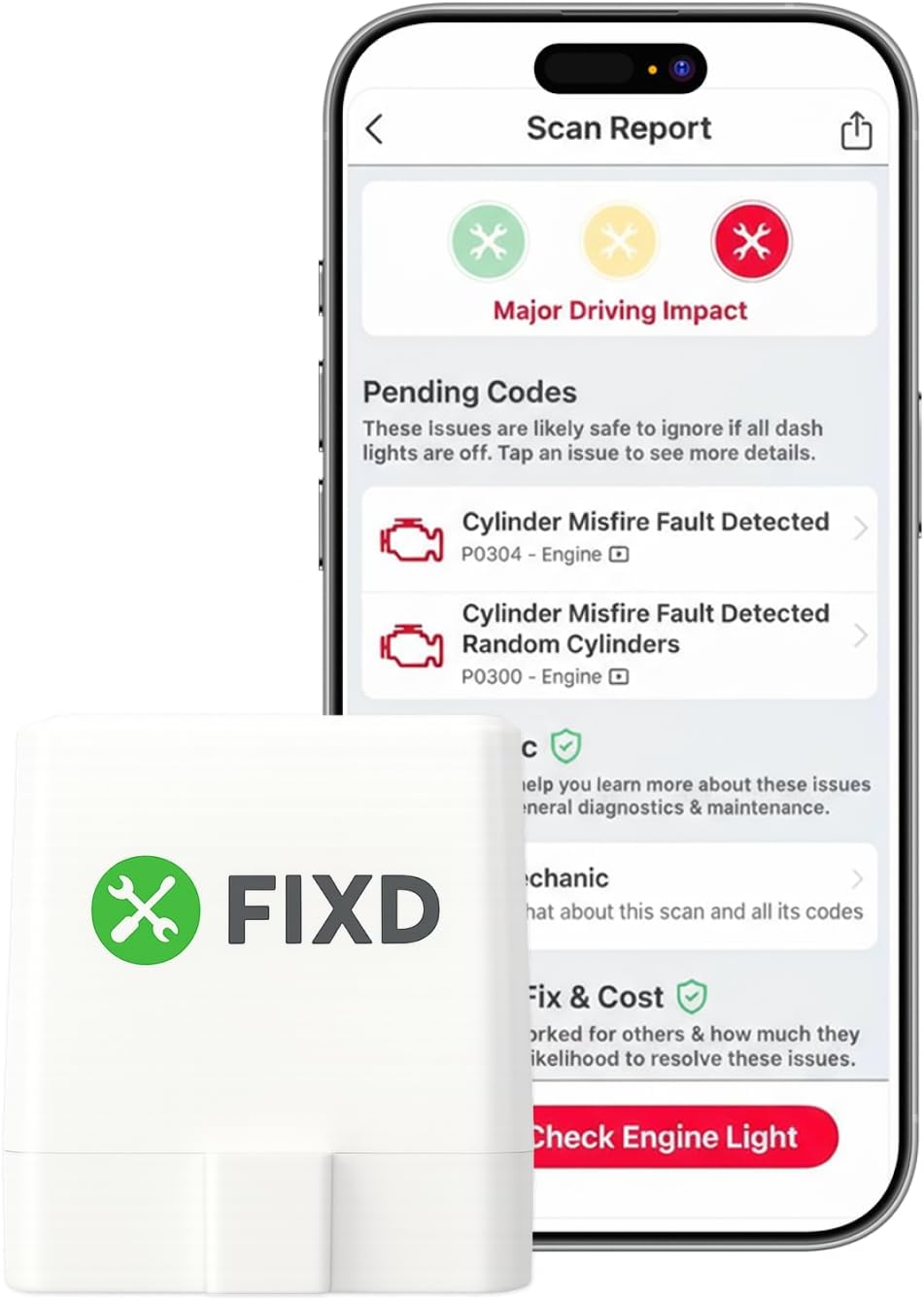
Best Bluetooth OBD2 Scanner
Detect 39,000+ Issues With Enhanced Codes. Save $1000s on car repairs & buying used vehicles by diagnosing problems yourself.
Shop on AmazonIf these checks don’t resolve the issue, the clock spring inside the steering wheel, which controls the horn and airbag functions, might be faulty. Testing these components methodically saves you time and prevents unnecessary replacements. For more detailed guidance on troubleshooting each part, you can refer to a comprehensive Ford F150 horn troubleshooting guide.

Common Reasons for Ford F150 Horn Not Working
When your Ford F150 horn stops working, the problem usually lies in a few specific electrical components. Identifying whether the fuse, relay, button, or the horn itself is at fault will save you time and effort.
Blown Fuse Problems
The most frequent cause of a non-working horn in your Ford F150 is a blown fuse. The fuse protects the horn circuit by breaking the electrical connection if a surge or short occurs. Your truck’s horn fuse is usually found in the engine compartment or under the dash, marked on the fuse box cover.
To check the fuse, you can use a test light or simply remove it and inspect the metal element inside. If the metal strip is broken or burnt, the fuse is blown and needs to be replaced. Remember, a blown fuse often indicates an underlying issue in the circuit, so it’s important to find out why it blew to avoid recurrence.
Faulty Horn Relay
The horn relay acts as the switch that sends power to the horn. If this relay fails, your horn won’t receive any electrical current, even if everything else is working correctly.
The relay is typically located in the relay box under the hood. Testing the relay involves swapping it with another identical, working relay from your truck’s relay box or using a multimeter. A faulty relay can cause intermittent or complete horn failure. Replacing a defective relay is usually straightforward and inexpensive.
Worn or Damaged Horn Button
Your horn button on the steering wheel completes the circuit to activate the horn. Over time, this button or its internal contacts can wear out or become damaged, resulting in a dead horn.
If pressing the horn button produces no sound, try applying gentle pressure in different positions or times. Consistent failure despite correct procedure suggests the button or associated clock spring might be worn. Repairing this component often requires removing the steering wheel and may involve professional help due to airbag safety systems.
Disconnected or Faulty Horn
The horn itself can fail mechanically or electrically. Its location behind the front grill makes it vulnerable to dirt, moisture, and corrosion, which can cause failure or intermittent operation.
If your horn’s wiring harness is fully connected and the fuse and relay are confirmed good, the horn unit may be defective. You can test the horn directly by applying power with a jumper wire from the battery. If it doesn’t sound, replacing the horn assembly is necessary. Proper grounding is also essential—check the horn’s mounting and grounds for corrosion or looseness.
For more detailed diagnostic steps and repair suggestions, see this guide on Ford F150 horn problems.
Diagnosing Ford F150 Horn Circuit Issues
To fix your Ford F150 horn, you need to pinpoint where the fault lies in the horn circuit. This involves checking key components like the fuse box, the horn switch, and the wiring connections that carry power and signals.
Checking the Fuse Box
Start by locating your vehicle’s horn fuse, which is often found in the engine compartment fuse box or under the dashboard. Use the diagram on the fuse box cover or your owner’s manual to identify the exact fuse for the horn.
Inspect the horn fuse for any visible damage or a broken fuse element. If you have a test light or a multimeter, test both sides of the fuse while it is still in the fuse box. A healthy fuse will show voltage on both terminals when powering the circuit. If only one terminal is live, the fuse is blown and needs replacement.
Important: Check that the replacement fuse matches the original amperage rating to avoid further electrical problems.
Inspecting the Horn Circuit
The horn circuit includes the relay, wiring, and the horn units themselves. Start by locating the horn relay in the engine bay relay box. Swap the horn relay with another relay of the same type in the box to test if the relay is faulty.
Next, inspect the horn itself which is usually mounted behind the front grill. Look for corrosion or damage, and verify the horn’s ground connection is solid by checking the mounting bolt or frame contact. A faulty ground or damaged horn assembly can prevent the circuit from completing.
Using a jumper wire, you can test the horn by applying direct battery voltage to it. If the horn sounds, the issue lies elsewhere in the circuit.
Testing the Horn Switch
The horn switch is embedded in your steering wheel and sends the signal to activate the horn. A critical component connecting the horn switch to the horn circuit is the clock spring, which maintains electrical connection while the steering wheel turns.
To test the horn switch, press the horn button while gently turning the steering wheel left and right. If the horn sounds inconsistently or not at all during steering wheel movement, the clock spring or switch may be damaged.
Using an OBDII scanner can help detect faults related to the clock spring if your airbag warning light is also illuminated alongside the horn issue.
Evaluating Wiring and Connections
Inspect all wiring harnesses related to the horn, especially behind the grille and inside the engine compartment. Look for damaged insulation, burnt wires, or loose connections that could interrupt the horn circuit.
Check the connectors for corrosion or moisture buildup. Damaged wires or poor connections often cause intermittent or complete horn failure.
Use a multimeter to test continuity in suspect wiring. Repair or replace any wiring faults to ensure a steady flow of power to the horn and the relay.
How to Fix a Non-Functional Ford F150 Horn
A non-working horn often results from a few key electrical components failing or becoming damaged. You’ll need to investigate these parts carefully and replace or repair them to restore proper horn function.
Replacing a Blown Horn Fuse
Start by locating the horn fuse in your Ford F150’s fuse box. Check your owner’s manual for its exact position, as it can vary between models and years. Once found, inspect the fuse for any visible damage or a broken filament.
If the fuse is blown, replace it with one of the exact same amperage rating to avoid electrical damage. Use a fuse puller or needle-nose pliers for safe removal. After replacement, test your horn to see if it works.
Keep in mind that a fuse blowing repeatedly usually indicates a deeper electrical problem. If this happens, further diagnosis or professional help may be needed. More on this can be found at a detailed guide about the Ford F150 horn fuse.
Swapping Out a Faulty Relay
A malfunctioning horn relay is a common cause of horn failure. The relay acts like a switch controlling the power flow to the horn. You can usually find it in the fuse box or under the dashboard.
Listen for a clicking sound when pressing the horn button. No click or a weak one often means the relay has failed. You can test it using a multimeter or swap it with a similar relay in your fuse box to check if the horn works.
If the relay is defective, replace it with a compatible new one. This is a cost-effective and straightforward fix. Refer to diagrams and relay locations specific to your model year for accuracy. Additional details are available in troubleshooting advice about the Ford F150 horn relay.
Repairing or Replacing the Horn Button
The horn button, located on your steering wheel, can become jammed or broken. A jammed button might cause the horn to beep continuously or fail entirely. If it doesn’t depress properly, try pressing it repeatedly with the car off to unstick it.
If that doesn’t work, you will likely need to remove the horn button assembly to inspect the switch underneath. A broken switch cannot usually be repaired and must be replaced. This involves disconnecting electrical connectors carefully and installing a new part.
Remember to disconnect your battery before working on the horn button to avoid accidental airbag deployment.
Restoring Damaged Wiring or Connectors
Damaged wires or corroded connectors disrupt power flow to your horn. Rodents chewing on wires or moisture causing corrosion are frequent culprits. Check wiring visually, especially where it runs behind the grille or inside the engine bay.
Look for frayed, broken, or exposed wires and signs of rust or corrosion on connectors. Repair minor damage by cleaning corrosion with a wire brush and applying dielectric grease to prevent future issues.
Serious wire damage will require cutting out and replacing the affected wiring. If you’re not comfortable handling automotive electrical wiring, consult a mechanic. Proper connection and insulation are essential to prevent shorts or failures. For more guidance, consult resources on horn wiring repair.
Preventive Maintenance and Additional Considerations
Keeping your Ford F150’s horn circuit reliable requires regular attention to specific areas. Addressing electrical connections, protecting components from environmental hazards, and considering upgrades can help avoid common horn failures and preserve safety.
Maintaining Electrical Connections
Check the horn wiring harness and fuse regularly for signs of corrosion or looseness. Corroded terminals can cause intermittent or complete horn failure. Clean connections with electrical contact cleaner and tighten any loose terminals to ensure consistent current flow.
Use dielectric grease on connectors to repel moisture and prevent corrosion. Inspect ground points since a poor ground can disrupt the horn circuit. If you notice any frayed wires or damaged insulation, repair or replace them promptly to avoid shorts or breaks.
Periodically test the horn fuse with a test light or multimeter. A blown fuse interrupts the electrical flow, causing the horn not to work. Keeping the fuse and relay in optimal condition reduces the risk of unexpected failures.
Protecting Against Rodent and Moisture Damage
Rodents often chew on wiring, which can sever or expose the horn circuit. Routinely inspect wiring routing near the engine and underbody for bite marks or nesting material. Consider adding protective conduit or rodent-repellent tape around vulnerable wire sections.
Moisture can seep into connectors and cause short circuits or corrosion. Seal exposed connections using heat shrink tubing or waterproof electrical tape. Park your F150 in a covered area whenever possible to reduce exposure to rain and humidity.
After heavy rain or washing, check that the horn components behind the grille remain dry. Water intrusion can cause failures that are difficult to diagnose. Early detection of moisture-related problems limits damage and costly repairs.
Upgrading Horn Components
If your horn is weak or inconsistent, consider upgrading to a higher-quality or louder horn designed for the Ford F150. Aftermarket horns often provide better sound output and durability.
Evaluate whether the stock horn relay and wiring are adequate for the horn you choose. Upgrading the relay and using thicker gauge wire can prevent voltage drop and ensure full power delivery.
When installing new parts, verify compatibility with your vehicle’s electrical system to avoid overloading circuits. Proper connection and grounding are crucial to maintain the horn’s function after upgrades. For detailed troubleshooting and replacement guides, see this Ford F150 horn not working article.