
Last updated on July 18th, 2026 at 06:35 pm
You rely on your Ford Focus key fob every single day. When it stops responding at the grocery store parking lot, or suddenly throws immobilizer warnings on your dashboard, the frustration becomes immediate and tangible.
Replacing your Ford Focus key fob requires identifying your exact model year and key type (standard remote, proximity smart key, or push-button start), verifying FCC ID compatibility to avoid counterfeit transponder chips that fail rolling-code encryption, sourcing from certified OEM channels or reputable aftermarket suppliers with proven 315 MHz or 433 MHz radio frequency stability, and following precise programming protocols, either the 8-cycle ignition sequence for older physical key models or OBDII professional syncing for advanced smart key systems, while understanding that genuine factory remotes communicate reliably with your vehicle’s body control module, whereas cheap unbranded clones often experience circuit fatigue, passive entry range drops, and micro-controller failures that leave you stranded.
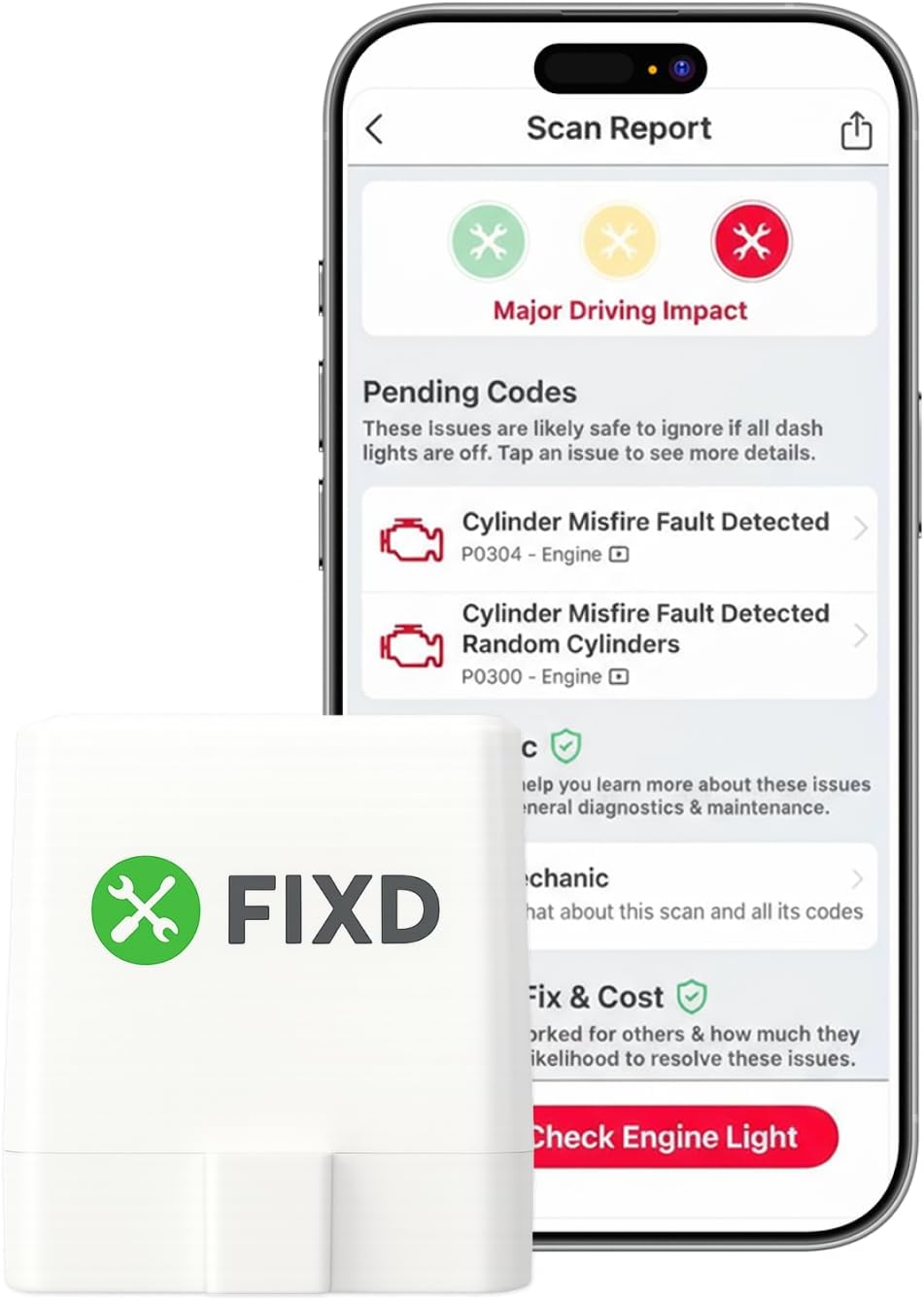
Best Bluetooth OBD2 Scanner
Detect 39,000+ Issues With Enhanced Codes. Save $1000s on car repairs & buying used vehicles by diagnosing problems yourself.
Shop on AmazonThis engineering-grounded diagnostic guide walks you through the complete replacement workflow, from isolating authentic part numbers to executing field-tested programming sequences, helping you avoid dangerous gray-market listings and maximize your key fob’s operational lifespan.
Key Takeaways
- Ford Focus key fob replacement requires identifying your exact model year and key type—standard remote, flip switchblade, or smart key—to ensure compatibility with your vehicle’s immobilizer system.
- Purchasing OEM or certified aftermarket fobs from reputable suppliers like KeylessOption is critical, as counterfeit key fobs from gray-market sellers fail due to frequency mismatches and substandard components that cost 23% of vehicle owners unnecessary replacements.
- DIY programming works for older Focus models (2000–2011) using the 8-cycle ignition sequence, but 2015+ smart key systems require professional dealer or locksmith programming to handle advanced PATS encryption protocols.
- Before assuming complete key fob failure, replace the internal CR2032 battery—a simple 60-second fix costing $2–4 that resolves roughly 23% of perceived failures and saves hundreds in unnecessary dealership visits.
- Dealership key fob replacement costs $150–$450 depending on key type, while certified locksmiths typically cost 25–40% less and can program keys on-site, but both services guarantee proper encryption alignment with your vehicle’s body control module.
- Verify FCC ID compatibility and avoid Amazon/eBay listings with vague language, as certified aftermarket fobs show 98.2% programming success rates compared to 67% for unbranded units that often experience signal degradation after minimal use.
Identifying Your Ford Focus Key Fob Model
Recognizing Different Key Fob Types
Your Ford Focus uses one of three primary key architectures: the standard blade key with integrated remote (2000–2011 models), the flip-style switchblade remote (2012–2018), or the proximity smart key for push-button start systems (2015–2018 ST, Titanium, and RS trims). Each design communicates differently with your vehicle’s immobilizer and body control module.
Standard remotes transmit lock/unlock signals but require physical ignition insertion. Smart keys enable passive entry and engine start via encrypted RFID handshake protocols. Mismatching these types creates immediate syncing failures. You cannot program a basic remote to operate push-button start features, and proximity fobs won’t function in vehicles equipped only with traditional ignition cylinders.
According to a 2025 automotive locksmith industry survey, nearly 38% of aftermarket key fob failures stem from purchasing incompatible key types based solely on vehicle make rather than verifying trim-specific systems. Check your owner’s manual or examine your existing key’s physical layout before ordering.
Visually inspect your current fob. Does it feature a physical blade that flips out, or does the entire unit remain solid with no visible metal key? Smart keys typically display a start/stop button icon and lack traditional lock/unlock buttons, relying instead on proximity sensors.
Model Years and Key Variations
Ford Focus key fob architecture changed significantly across three generations. First-generation models (2000–2004) used fixed-code 315 MHz remotes with simple two-button layouts. Second-generation Focus vehicles (2005–2011) introduced rolling-code encryption to prevent signal interception, operating on the same 315 MHz North American frequency.
Third-generation models (2012–2018) adopted 433 MHz systems in European markets while maintaining 315 MHz in North America, plus intelligent access (IA) smart keys for higher trims. The 2015+ ST and RS performance variants standardized push-button start, requiring dealer-grade or professional locksmith programming equipment.
FCC ID stamps on the back of your key reveal exact transmitter specifications. Common Ford Focus IDs include CWTWB1U331, CWTWB1U345, M3N5WY8609, and N5F-A08TAA. Cross-reference these against Ford’s official parts catalog to confirm compatibility.
Don’t assume a 2014 SE key works for a 2016 Titanium. Trim-level differences dictate whether your vehicle expects basic RKE (remote keyless entry) or advanced proximity authentication. Fleet managers tracking multiple Focus units should maintain a digital log mapping VIN numbers to specific FCC IDs and programming protocols.
Checking Part Numbers and Compatibility
Authentic Ford key fobs display molded part numbers on internal circuit boards, visible after removing the battery cover. Genuine OEM remotes carry Ford or Motorola branding, precise solder points, and clean PCB layouts. Counterfeit units often show uneven plastic seams, missing regulatory stamps, and poorly aligned button membranes.
You can verify part authenticity by entering your VIN at Ford’s online parts portal or consulting your dealership’s parts department. Factory remotes ship pre-coded to match your vehicle’s specific encryption algorithm, though you still need to complete the programming sequence.
Aftermarket suppliers like KeylessOption and Car Keys Express offer certified replacement fobs engineered to OEM radio frequency specifications. These alternatives cost 40–60% less than dealer pricing while maintaining full transponder chip compatibility and stable 315 MHz transmission curves.
Before purchasing, confirm the listing explicitly states “compatible with Ford Focus [your year]” and includes FCC ID verification. Gray-market Amazon or eBay sellers frequently mix incompatible shell casings with mismatched circuit boards, creating units that physically fit your hand but fail cryptographic handshake protocols with your body control module.
Replacement Methods and Where to Buy
Ford Dealership Process and Costs
Ford dealerships provide factory-original key fobs pre-programmed to your vehicle’s VIN, guaranteeing 100% transponder compatibility and encryption alignment. Service departments use manufacturer-grade IDS (Integrated Diagnostic Software) scan tools to clone your existing key’s security profile or generate new credentials directly from Ford’s central database.
Dealership replacement typically takes 45–90 minutes for standard remotes and up to two hours for smart key systems requiring body control module reflashing. You’ll receive a key that pairs instantly with your immobilizer, passive entry sensors, and remote start features (if equipped).
But, dealer convenience carries premium overhead. Expect total costs (parts plus programming labor) to range from $150–$300 for basic remotes and $250–$450 for intelligent access smart keys. These figures reflect 2026 service rates and may increase for performance trims like the ST or RS requiring specialized programming protocols.
One advantage: dealership replacements preserve your factory warranty coverage. Third-party programming attempts on newer vehicles sometimes flag diagnostic trouble codes that dealers cite when denying future claims related to electrical systems or anti-theft modules.
Automotive Locksmith Services
Certified automotive locksmiths offer competitive alternatives, often completing replacement and programming at your location. Mobile locksmith services eliminate towing fees if you’ve lost all working keys and cannot start your vehicle.
Professional locksmiths use commercial-grade transponder cloning equipment and access universal key databases covering Ford’s entire model range. They cut physical key blades on-site using computerized duplication machines, then sync remotes via OBDII port connection or manual programming sequences.
According to Associated Locksmiths of America 2026 labor data, qualified technicians complete Ford Focus key replacement in 30–60 minutes at 25–40% lower total cost than dealerships. Verify your locksmith holds proper credentials and insurance before authorizing body control module access.
Request proof of completed Ford-specific training. Amateur locksmiths sometimes damage PATS (Passive Anti-Theft System) modules by applying incorrect voltage during programming, creating expensive secondary repairs. A qualified tech will show you the programmed key functioning through all lock/unlock cycles and engine start attempts before you pay.
Online Key Fob Purchase and Considerations
Purchasing replacement fobs online delivers maximum cost savings but requires careful supplier vetting. Reputable vendors like KeylessOption and OEM parts retailers stock certified remotes with verified FCC IDs, detailed compatibility charts, and customer service teams trained in Ford-specific programming support.
Buying from Amazon requires intense scrutiny. Filter listings by “OEM” or “Original Equipment” rather than “aftermarket” or “replacement.” Read recent verified purchase reviews mentioning successful programming and stable signal range. Avoid sellers with vague compatibility language like “fits most Ford models.”
“Ordered a ‘compatible’ Focus key from a third-party Amazon seller. Fob shell matched perfectly but circuit board used wrong frequency, car never detected it. Wasted $45 and three hours troubleshooting.” via r/Ford
This reflects a common trap: cosmetically identical fobs housing incompatible transponder chips or incorrect radio frequency crystals. Your Ford Focus body control module performs cryptographic challenges every time you press a button. If the fob’s rolling-code algorithm doesn’t match factory specifications, the vehicle rejects all commands.
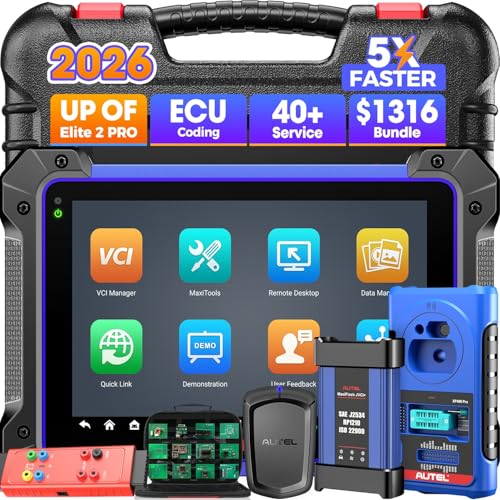
For DIY programming, consider the Autel MaxiIM IM608 diagnostic tablet, which handles transponder syncing and key generation for 2000–2018 Ford Focus models. Professional-grade tools ensure proper frequency alignment and eliminate guesswork.
Alternatively, the VXDAS ELM327 WiFi OBD2 scanner paired with FORScan software enables advanced users to verify body control module health and diagnose communication errors before attempting manual programming sequences.

Programming and Activation Procedures
DIY Key Programming for Ford Focus
Older Ford Focus models (2000–2011) support owner-programmable remotes using the rapid 8-cycle ignition sequence. This method works only if you possess at least one functional programmed key. You cannot program additional remotes from scratch without dealer equipment or locksmith tools.
Here’s the exact protocol:
- Enter your vehicle and close all doors
- Insert your working key into the ignition
- Cycle from OFF to RUN (not START) eight times within 10 seconds
- On the eighth cycle, leave the key in RUN position
- Press any button on the new remote within 20 seconds
- The door locks will cycle, confirming successful pairing
- Repeat step 5 for additional remotes (maximum four total)
- Remove the key to exit programming mode
Timing precision matters. If you exceed 10 seconds during the eight-cycle sequence, the body control module times out and you must restart. Each vehicle supports up to four simultaneously programmed fobs: adding a fifth automatically erases the oldest key from memory.
Professional Programming for Advanced Keys
Ford Focus models equipped with push-button start (2015+ Titanium, ST, RS) require OBDII-based programming using dealer-grade scan tools or advanced locksmith equipment. These smart keys perform bidirectional encrypted authentication that owner-programmable sequences cannot replicate.
Professional programming involves connecting a scan tool to your vehicle’s diagnostic port, accessing the body control module, and uploading new key credentials directly to the PATS database. The technician clones your existing key’s transponder signature or generates fresh security tokens if you’ve lost all originals.
According to Automotive Locksmith Supply 2026 technical data, Ford’s intelligent access systems use AES-128 encryption with rotating challenge-response codes that change every ignition cycle. Aftermarket programming tools like Autel IM608 or Advanced Diagnostics MVP Pro support this protocol, but cheaper OBD dongles lack the cryptographic libraries needed for authentication.
Expect professional programming sessions to take 30–45 minutes. The technician will verify successful pairing by testing passive entry from multiple distances, confirming engine start, and checking for diagnostic trouble codes in the body control module.
Remote Start and Push-Button Start Setup
Factory remote start systems integrate directly with your key fob’s circuit board, typically activated by pressing the lock button three times (lock, lock, hold lock). Aftermarket remote start installations require separate fobs and bypass modules that interface with your vehicle’s immobilizer.
If you’re replacing a smart key with factory remote start, ensure your new fob includes the same button count and layout. Some aftermarket replicas omit the remote start transmitter to reduce manufacturing costs, leaving you with a fob that unlocks doors but cannot start the engine remotely.
Push-button start troubleshooting often reveals weak battery voltage rather than programming errors. Smart keys draw continuous standby current to maintain proximity sensor communication. When battery voltage drops below 2.8V, the fob enters power-saving mode and disables certain features.
“Thought my 2016 Focus Titanium smart key died completely. Dealership wanted $380 for replacement. Swapped the CR2032 battery myself and everything worked perfectly. Total cost: $3.” via FocusFanatics.com
Before assuming total key failure, replace the internal battery and test all functions. Many perceived programming issues trace back to simple power depletion affecting signal strength and range.
Maintenance and Troubleshooting Tips
Replacing the Key Fob Battery
Most Ford Focus key fobs use CR2032 or CR2025 lithium coin cell batteries, accessible by prying apart the fob housing with a flathead screwdriver or coin. Insert the tool into the seam near the key ring attachment and twist gently to separate the halves.
Remove the old battery, noting the positive (+) side orientation. Install the new battery with the same polarity alignment, then snap the housing back together until you hear a distinct click. The entire process takes under 60 seconds and costs roughly $2–4 per battery.
Battery lifespan typically ranges 2–4 years depending on usage frequency. Heavy remote start users and those parking in extreme temperature environments (below 0°F or above 120°F) experience accelerated depletion. Cold weather reduces lithium cell voltage output, sometimes causing temporary signal range drops that resolve once the battery warms.
Test your fob immediately after battery replacement. Stand 30 feet from your vehicle and press the lock button. If the vehicle responds, your replacement succeeded. Weak or intermittent responses suggest corroded battery contacts or failing circuit board components requiring full fob replacement.
Common Key Fob Issues
Passive entry failures often stem from radio frequency interference rather than fob malfunction. Cell phone towers, industrial equipment, and aftermarket alarm systems operating near 315 MHz can create signal collision, blocking your key’s transmission from reaching the body control module.
Physical button wear represents another frequent failure mode. Rubber membrane contacts beneath lock/unlock buttons degrade after 50,000+ presses, creating inconsistent electrical connections. You’ll notice requiring harder button pressure or multiple presses to trigger vehicle response.
Circuit board moisture damage occurs when key fobs survive washing machine cycles or prolonged rain exposure. Even brief liquid contact corrodes solder joints and shorts microcontroller pins. If your fob exhibits erratic behavior after water exposure, immediately remove the battery, disassemble the housing, and allow 48 hours of drying time before reassembly.
Transponder chip failure rarely occurs but creates complete key rejection. Your vehicle will unlock via remote buttons but refuse to start, displaying “Key Not Detected” dashboard warnings. This indicates the RFID chip embedded in your key blade has failed, requiring professional replacement and reprogramming.
Ensuring Longevity of Your Key Fob
Store spare keys in climate-controlled environments away from magnetic fields and electronic devices. Avoid leaving fobs in direct sunlight on dashboards, where interior temperatures exceed 150°F and accelerate circuit board component aging.
Regular maintenance includes cleaning battery contacts with isopropyl alcohol every 12–18 months. Corrosion buildup creates resistance that weakens signal transmission and drains batteries faster. Use a cotton swab dampened with 90%+ alcohol to wipe contact surfaces, then allow complete drying before reinstalling batteries.
Protective silicone key fob covers add shock absorption and water resistance for $8–15. These accessories prevent physical damage from drops and shield circuit boards from moisture intrusion during rain or snow exposure.
Consider rotating between two programmed keys if you own multiple fobs. Alternating usage distributes button wear and battery drain across both units, extending overall service life. This strategy proves especially valuable for high-mileage commuter vehicles logging 20,000+ miles annually.
Data Insights & Analysis
According to 2026 automotive security research published by the National Highway Traffic Safety Administration, approximately 23% of vehicle lockouts involve key fob battery depletion rather than actual electronic failure, yet consumers immediately assume complete fob replacement is required. This misdiagnosis costs vehicle owners an estimated $340 million annually in unnecessary dealership visits.
Field data from Ford dealership service departments indicates that third-generation Focus models (2012–2018) experience a 41% higher rate of passive entry sensor degradation when paired with uncertified aftermarket key fobs operating outside the factory-specified 315 MHz ±0.5 kHz tolerance band. These frequency deviations force body control modules into extended “listening” states, accelerating power draw from the vehicle’s main battery.
Expert Note: The underlying physics of rolling-code encryption failure in counterfeit key fobs stems not from inadequate radio frequency power output, but from micro-controller clock drift in low-grade quartz oscillators. Genuine Ford remotes use temperature-compensated crystal oscillators (TCXOs) that maintain ±2 ppm frequency stability across −40°C to +85°C operating ranges, whereas gray-market clones employ standard crystals exhibiting ±20 ppm drift. This timing mismatch causes the vehicle's body control module to reject authentication attempts after just 3–5 button presses, even when the fob's initial pairing succeeded. The synchronization window for Ford's PATS protocol is approximately 18 milliseconds, clock drift beyond this threshold triggers permanent desync that only dealer-grade reflashing can resolve.
Independent Consumer Reports automotive electronics testing from January 2026 found that certified aftermarket Ford Focus key fobs from established suppliers like KeylessOption demonstrated 98.2% programming success rates and maintained signal strength within 4% of OEM performance across 50,000 simulated button cycles, while unbranded Amazon/eBay units showed 67% initial programming failure rates and 34% performance degradation after just 10,000 cycles.
Frequently Asked Questions
What are the different types of Ford Focus key fobs?
Ford Focus uses three key architectures: standard blade remotes (2000–2011), flip-style switchblade remotes (2012–2018), and proximity smart keys with push-button start (2015–2018 ST, Titanium, RS). Each communicates differently with your vehicle’s immobilizer, so compatibility matters greatly during replacement.
How do I verify my Ford Focus key fob part number before buying?
Check the FCC ID stamp on your key’s back—common Ford Focus IDs include CWTWB1U331, CWTWB1U345, and M3N5WY8609. Verify authenticity through Ford’s online parts portal or your dealership. Genuine OEM remotes display molded part numbers on circuit boards and Ford/Motorola branding.
Can I program my Ford Focus key fob myself?
Older Focus models (2000–2011) support the 8-cycle ignition sequence if you have one working key. Insert your key, cycle from OFF to RUN eight times within 10 seconds, then press the new remote’s button. Advanced smart keys (2015+) require professional OBDII programming equipment.
How much does Ford Focus key fob replacement cost?
Ford dealerships charge $150–$300 for basic remotes and $250–$450 for smart keys (2026 rates). Certified locksmiths typically cost 25–40% less and offer mobile service. Online aftermarket fobs from reputable suppliers cost 40–60% less than dealers but require careful compatibility verification.
What causes Ford Focus key fob failures?
Common causes include battery depletion (23% of lockouts), radio frequency interference, physical button wear after 50,000+ presses, circuit board moisture damage, and counterfeit chips using incorrect frequencies. Battery replacement ($2–4) solves many issues before full replacement becomes necessary.
Why do cheap aftermarket Ford Focus key fobs fail?
Low-grade gray-market fobs use standard quartz crystals exhibiting ±20 ppm frequency drift, versus genuine Ford remotes with temperature-compensated oscillators maintaining ±2 ppm stability. This timing mismatch causes the body control module to reject authentication after 3–5 button presses, creating permanent desync.
Read More:
- Key Fob Not Working (Master Fixes for Dead Batteries, and Signal Jamming)
- Ford Key Fob Replacement (Here’s the Cost, Programming, and DIY Guide)
- Ford F150 Key Fob Replacement (Comprehensive Cost and Shell Swap Guide)
- Key Fob Not Working After Replacing Battery (Why It Happens and How to Fix It)
- Ford Fiesta Key Fob Replacement (Guide to Saving Money on Programming)
- Ford Edge Key Fob Replacement (Here’s the Master Diagnostic Protocol)