
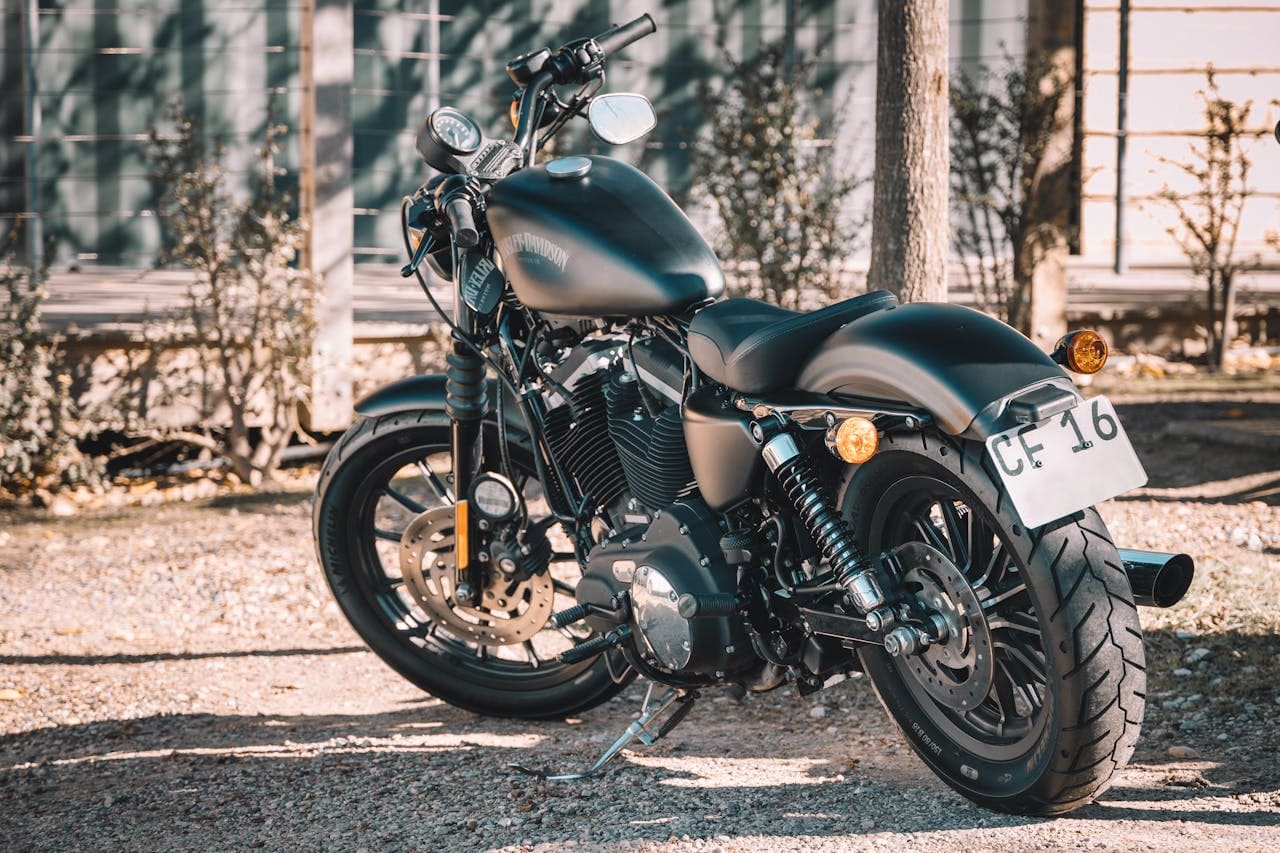
Finding Harley’s battery dead after just a few days can be incredibly frustrating, especially when you’re ready to ride.
Your Harley battery drains fast primarily due to parasitic electrical draws from security systems, faulty regulators, aging batteries, or lithium-ion sleep mode issues, with modern touring models being particularly susceptible to drain when parked for 4-5 days without use.
Electrical Culprits
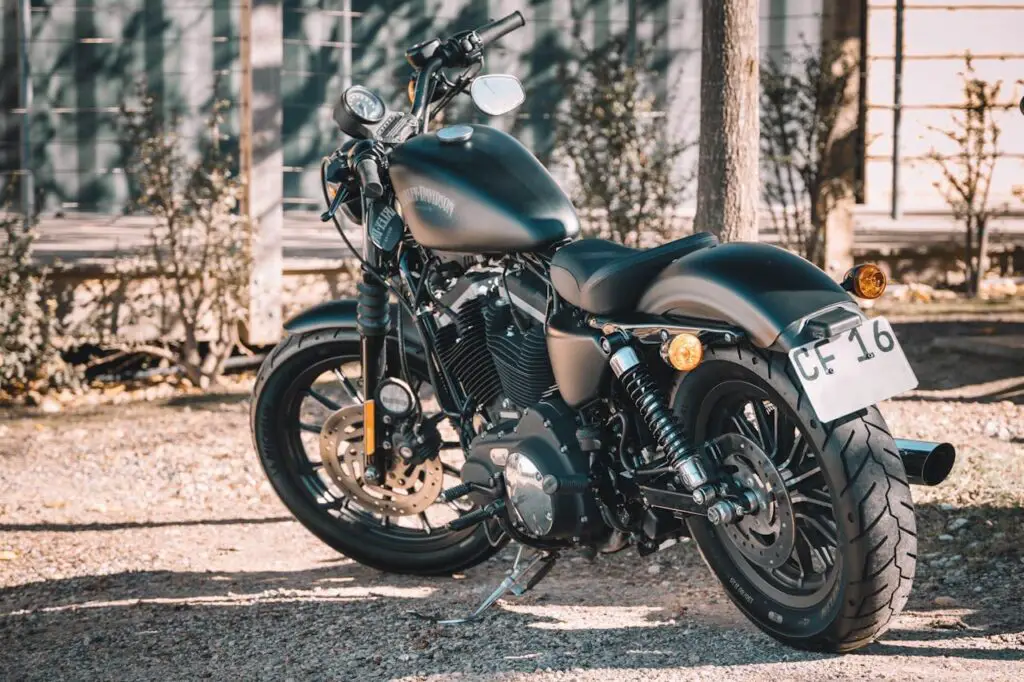
When it comes to rapid battery drainage on your Harley, the electrical system often becomes the primary suspect. Actually, modern Harleys pack more electronics than ever before, creating multiple potential drain sources that didn’t exist on older bikes.
Here’s the thing – your factory security system alone can draw significant power even when the bike’s parked. In fact, many touring models with factory alarms will completely drain a battery within a week of sitting unused. Additionally, faulty voltage regulators rank among the most common culprits, allowing current to flow backward from the battery to the charging system.
Best Bluetooth OBD2 Scanner
Detect 39,000+ Issues With Enhanced Codes. Save $1000s on car repairs & buying used vehicles by diagnosing problems yourself.
Shop on AmazonBattery drainage on modern Harleys is often caused by the smart security system that continuously monitors the bike even when parked.
Harley-Davidson Technical Service Bulletin 2024-ELEC-03
What makes diagnosis challenging is that these electrical gremlins don’t always manifest immediately. Furthermore, intermittent connections can create parasitic drains that come and go, making troubleshooting a real headache. So, when checking for electrical issues, you’ll want to test the system when problems actually occur rather than during normal operation.
Anyway, the good news is that most electrical drains follow predictable patterns once you know what to look for.
Battery Age Factors
Moving beyond electrical issues, your battery’s age plays a crucial role in how quickly it loses charge. Typically, motorcycle batteries last 3-5 years under normal conditions, but Harley riders often push theirs much longer than recommended.
As batteries age, their internal resistance increases while their capacity decreases, creating a perfect storm for rapid discharge. Moreover, sulfation builds up on the plates over time, reducing the battery’s ability to hold a charge effectively. Consequently, what once held power for weeks might now drain completely in just a few days.
Temperature extremes accelerate this aging process significantly. Actually, both extreme heat and cold can reduce battery life by up to 50%, which explains why many riders experience sudden battery failures during seasonal transitions.
Lead-acid batteries lose approximately 20% of their capacity each year after the third year of service, with faster degradation in extreme temperatures.
Battery Council International Technical Report 2024
Here’s something interesting – even if your battery tests good under load, it might still drain rapidly when sitting. This happens because aging batteries develop high self-discharge rates that standard load tests don’t reveal.
So, if your Harley’s battery is over three years old and draining quickly, replacement might be more cost-effective than constantly charging it.
Modern System Issues
Interestingly, newer Harley models face unique battery drain challenges that older bikes simply don’t experience. Specifically, the Milwaukee-Eight engines and modern touring bikes come equipped with sophisticated electronic systems that create their own set of problems.
lithium-ion batteries, increasingly common in newer Harleys, can enter “sleep mode” if discharged too far, essentially becoming unresponsive to standard charging methods. Furthermore, these smart batteries require specific charging protocols that many riders don’t understand.
The infotainment systems on modern touring bikes continue drawing power even after shutdown, maintaining radio presets and system memory. Additionally, GPS modules, Bluetooth connectivity, and various sensors all contribute to the overall parasitic load.
Here is the Most Common Modern System Drains:
- Factory security/alarm systems
- Infotainment memory retention
- Bluetooth connectivity modules
- GPS tracking systems
- Electronic control module standby power
What’s particularly frustrating is that these systems are designed to function this way – they’re not malfunctioning. However, the cumulative effect can drain a battery surprisingly quickly, especially during extended storage periods.
Actually, some 2024 models show significant improvement in power management, but older Milwaukee-Eight bikes remain particularly susceptible to these drainage issues.
Troubleshooting Steps
Now that we’ve identified the likely culprits, let’s walk through systematic troubleshooting to pinpoint your specific drain source. Initially, you’ll want to gather some basic tools: a digital multimeter, basic hand tools, and about an hour of uninterrupted time.
Parasitic Draw Test Procedure:
- Ensure the battery is fully charged before testing
- Disconnect the negative battery cable
- Connect your multimeter between the cable and terminal
- Switch the meter to measure DC amperage
- Close all switches and wait 15 minutes for systems to sleep
- Record the current draw reading
A normal parasitic draw should be under 50 milliamps (0.05 amps) on most Harleys. However, bikes with security systems might draw up to 100 milliamps normally. Anything above 200 milliamps indicates a problem requiring investigation.
From here, you’ll systematically remove fuses while monitoring the meter to isolate the problematic circuit. Once you identify the circuit, you can focus your diagnostic efforts on components within that specific system.
The key to successful parasitic draw diagnosis is patience – rushing the process often leads to missed problems or false conclusions.
Master Technician Mike Rivera, J&P Cycles
Additionally, remember that some drains only occur under specific conditions, so you might need to test with various switches activated or during different weather conditions.
Quick Fixes
Fortunately, several immediate solutions can address battery drain issues without major repairs or expensive parts replacement. First and foremost, installing a quality battery tender represents the simplest and most effective solution for most riders.
The 12V Battery Charger Maintainer offers an affordable way to keep your battery topped off during storage periods. Moreover, these smart chargers automatically adjust their output based on battery condition, preventing overcharging damage.
For immediate relief, disconnecting the negative battery cable when storing your bike eliminates all parasitic draws. However, this approach requires resetting radio presets and potentially security codes each time you reconnect.
Temporary Solutions:
- Install a battery disconnect switch
- Use a solar trickle charger for outdoor storage
- Remove easily accessible fuses for high-draw circuits
- Upgrade to a higher-capacity battery
Actually, upgrading to a larger capacity battery can buy you additional time between charges, though it doesn’t address the underlying drain issue. Similarly, switching to an AGM or lithium battery might provide better performance under parasitic load conditions.
The Battery Tender Junior remains the gold standard for motorcycle battery maintenance, with millions of satisfied users over the years.
Prevention Methods
Since prevention always beats cure, establishing good battery maintenance habits will save you countless headaches down the road. Most importantly, regular riding naturally keeps your battery charged and healthy – aim for at least 30 minutes of highway riding weekly.
When storing your bike for extended periods, preparation becomes critical. Actually, the battery maintenance guide recommends specific procedures that many riders overlook.
Storage Best Practices:
- Connect a battery tender before extended storage
- Store in a climate-controlled environment when possible
- Avoid concrete floors that can accelerate discharge
- Check connections monthly for corrosion or looseness
- Run the engine monthly if tender charging isn’t available
Temperature management plays a huge role in battery longevity. So, parking in a garage versus outside can significantly extend battery life and reduce drain rates.
Furthermore, addressing minor electrical issues before they worsen prevents many drain problems. For instance, cleaning corroded terminals and ensuring tight connections eliminates resistance that can contribute to charging system problems.
Proper battery maintenance can extend service life by 50% or more, with regular tender charging being the single most effective practice.
Interstate Batteries Technical Guide
Here’s something many riders don’t realize – frequent short trips actually harm battery health more than longer rides, as the charging system doesn’t have time to fully replenish the battery between starts.
Professional Solutions
Sometimes, despite your best efforts, battery drain issues require professional intervention to resolve completely. Specifically, complex electrical problems involving the charging system or control modules often exceed typical DIY capabilities.
Harley dealerships possess specialized diagnostic equipment that can pinpoint intermittent electrical faults that standard multimeters might miss. Additionally, they have access to technical service bulletins addressing known issues with specific model years.
Consequently, persistent drain problems on newer bikes might be covered under warranty, especially if related to known defects. However, modifications or aftermarket accessories can void warranty coverage, so documentation becomes important.
Independent motorcycle shops often provide more cost-effective diagnostics while still having the expertise to solve complex electrical issues. Moreover, they might be more willing to work with aftermarket components that dealerships typically avoid.
When to Seek Professional Help:
- Drain exceeds 200 milliamps with no obvious cause
- Multiple electrical systems show problems simultaneously
- Charging system voltage readings are inconsistent
- Battery fails load tests despite being recently replaced
- Intermittent issues that resist systematic diagnosis
Actually, professional diagnosis often saves money in the long run by preventing unnecessary parts replacement and ensuring the real problem gets fixed the first time.
Video Credit: RevelatorAlf / YouTube
Cost Breakdown
Understanding the potential costs involved helps you make informed decisions about repair versus replacement options. Generally speaking, simple fixes like battery replacement or tender installation cost significantly less than complex electrical diagnostics.
| Solution | DIY Cost | Professional Cost |
|---|---|---|
| Battery Tender | $20-$40 | $50-$80 installed |
| New Battery | $60-$150 | $120-$250 |
| Parasitic Draw Diagnosis | $15-$25 (multimeter) | $100-$200 |
| Voltage Regulator | $80-$150 | $200-$350 |
| Complete Electrical Audit | N/A | $150-$300 |
Anyway, the most expensive mistake is ignoring the problem until it damages other electrical components. For instance, a failing voltage regulator can destroy a new battery within weeks if not addressed promptly.
Furthermore, some electrical issues create cascading failures that become progressively more expensive to repair. So, early intervention almost always costs less than waiting until multiple systems are affected.
Here’s something to consider – if your bike is under warranty, attempting DIY repairs on electrical issues might void coverage for related problems. Therefore, checking warranty status before beginning work can save significant money.
Frequently Asked Questions
Why does my Harley battery die so quickly compared to car batteries?
Motorcycle batteries are significantly smaller than car batteries while often supporting similar electrical loads, especially on modern touring bikes. The smaller capacity means less reserve power to handle parasitic drains. Additionally, motorcycles typically aren’t driven daily like cars, so the charging system has fewer opportunities to replenish the battery. Weather exposure and vibration also accelerate battery degradation on motorcycles.
Modern Harleys with advanced electronics can drain a battery in 4-5 days when parked, whereas a car might sit for weeks. The factory security system alone draws enough power to significantly impact battery life during storage periods.
Can aftermarket accessories cause rapid battery drain?
Absolutely, aftermarket accessories represent one of the most common causes of unexpected battery drain. Improperly installed accessories often create parasitic draws that persist even when the ignition is off. LED light bars, heated grips, phone chargers, and audio systems frequently cause problems if not wired through proper switched circuits.
Even seemingly minor additions like auxiliary lights can draw 10-20 milliamps continuously if connected to unswitched power sources. Always verify that aftermarket installations include proper relay controls and connect to switched power sources rather than direct battery connections.
How often should I charge my Harley battery during winter storage?
For optimal battery health during winter storage, monthly charging sessions of 2-4 hours usually suffice for conventional batteries. However, using a quality battery tender eliminates guesswork by automatically maintaining proper charge levels. If you choose manual charging, check the battery voltage monthly – anything below 12.4 volts requires immediate charging.
Temperature affects discharge rates significantly, so batteries stored in heated garages need less frequent attention than those in unheated spaces. Extreme cold can freeze a discharged battery, causing permanent damage that requires replacement.
Will a lithium battery solve my drain problems?
Lithium batteries offer superior performance in many areas but don’t necessarily solve parasitic drain issues. While they hold charge longer and tolerate deep discharge better than lead-acid batteries, they still drain when subjected to continuous electrical loads. Additionally, lithium batteries require compatible charging systems and can enter protective sleep modes if discharged too far.
Some lithium batteries include built-in battery management systems that actually increase parasitic draw slightly. They’re excellent upgrades for performance and longevity but won’t eliminate underlying electrical problems causing excessive drain.
How do I know if my charging system is causing battery drain?
A faulty charging system can both fail to charge the battery properly and create parasitic drains through defective components. Test charging voltage at the battery terminals while running – you should see 13.8-14.4 volts at 2000 RPM. Lower readings indicate charging problems, while higher readings suggest regulator issues.
Diode failures in the stator or voltage regulator can allow current to flow backward when the engine isn’t running, creating significant parasitic drain. Professional diagnosis with specialized equipment may be necessary to identify these problems, especially if they’re intermittent.
Sources:
- Harley Davidson Battery Troubleshooting – Partzilla
- Battery Drain Solutions – HD Forums
- Parasitic Draw Testing Guide – JustAnswer
- Harley Battery Maintenance – Law Abiding Biker
- Electrical Troubleshooting – Bike Guides