
Last updated on April 5th, 2026 at 01:21 pm
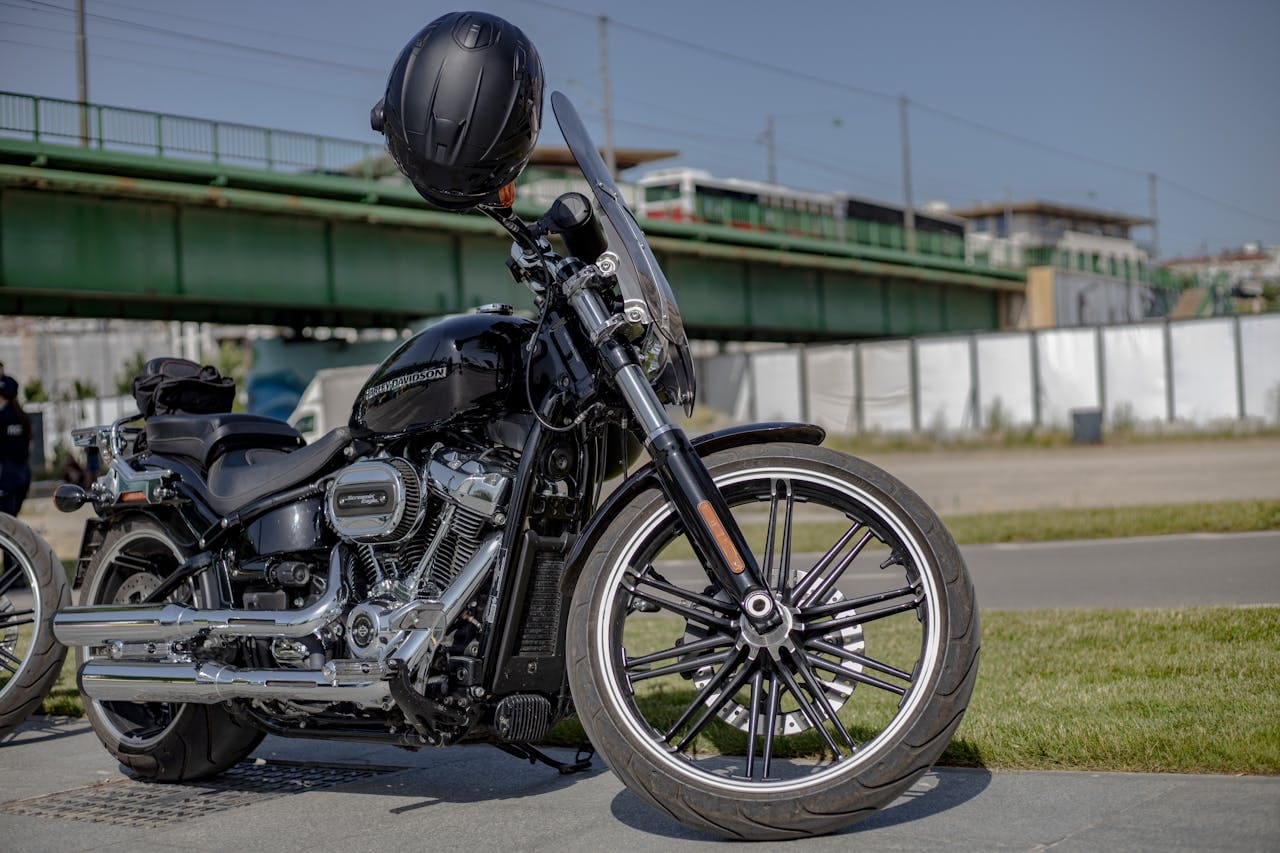
Discovering oil spots under your beloved Harley Davidson can quickly turn excitement into anxiety.
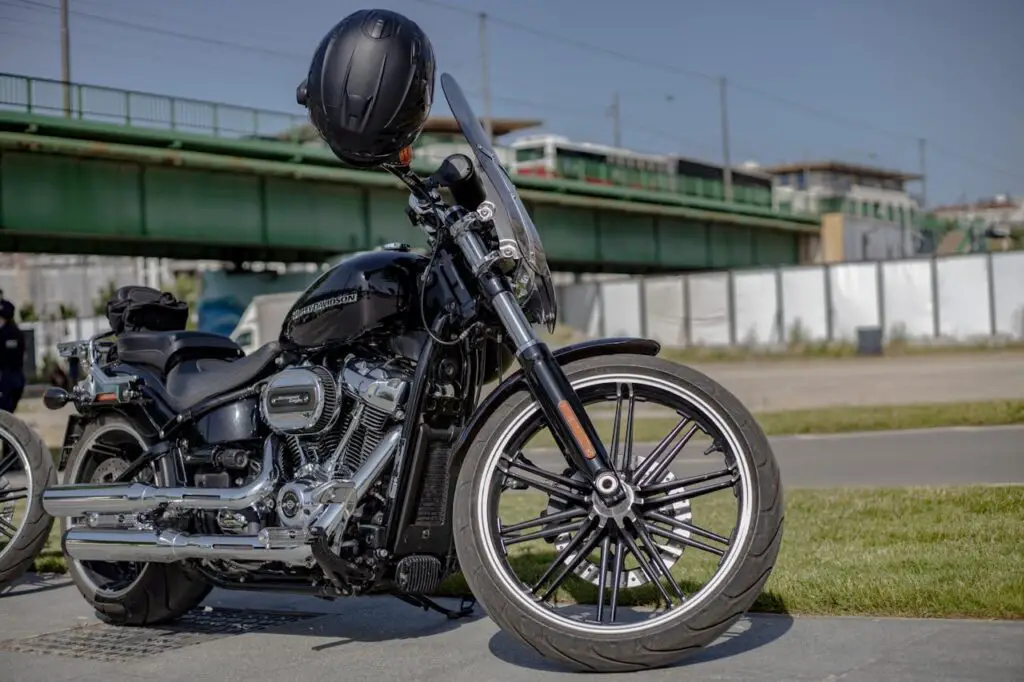
Oil leaks on Harley motorcycles typically stem from worn gaskets, faulty seals, or improper torque specifications, with the primary cover, derby cover, and drain plug being the most common culprits requiring immediate attention to prevent engine damage.
What Causes Oil Leaks
When it comes to understanding why your Harley develops oil leaks, multiple factors work together to create these frustrating problems. Most importantly, age and maintenance practices play crucial roles in determining when and where leaks will develop. Furthermore, these leaks typically develop gradually through normal wear and tear, though some issues stem from manufacturing defects or improper installation.

Best Bluetooth OBD2 Scanner
Detect 39,000+ Issues With Enhanced Codes. Save $1000s on car repairs & buying used vehicles by diagnosing problems yourself.
Shop on AmazonAs your motorcycle ages, temperature fluctuations cause gaskets and seals to expand and contract repeatedly, eventually leading to their deterioration. Additionally, the constant vibration from your V-twin engine gradually loosens fasteners and compromises seal integrity over time.
Oil sumping occurs when oil accumulates in the crankcase instead of returning to the oil tank, creating excessive pressure that forces oil past seals and gaskets.
Milwaukee-Eight Engine Service Manual
Building on this foundation, modern Harley models experience fewer leak issues compared to older bikes. However, the Milwaukee-Eight engines face unique challenges with wet sumping that can manifest as oil leaks after extended periods of inactivity.
Beyond mechanical wear, environmental factors like extreme heat, cold weather, and prolonged storage without proper preparation accelerate seal degradation. Consequently, poor maintenance practices, including incorrect oil viscosity and delayed service intervals, exacerbate these problems significantly.
Primary Cover Problems
Moving beyond general causes, the primary cover represents one of the most notorious leak points on Harley Davidson motorcycles. Specifically, this issue particularly affects Twin Cam and Milwaukee-Eight engines, where this large cover houses the clutch and primary drive components, sealed by a substantial gasket that bears considerable stress.
As a result of this design, primary cover leaks typically develop around the lower portion where oil pools due to gravity. Over time, the gasket material, whether paper, rubber, or composite, gradually deteriorates under constant exposure to heat, oil, and mechanical stress from engine operation.
What makes this problem even more challenging is that improper torque specifications during installation rank among the leading causes of premature primary cover gasket failure. In particular, over-tightening crushes the gasket material, while under-tightening allows movement that tears the seal over time.
The primary cover gasket must be installed with precise torque specifications of 95-100 inch-pounds in a crisscross pattern to ensure proper sealing.
Harley-Davidson Service Bulletin HD-SB-2024-03
To identify these issues early, visual inspection reveals primary cover leaks as oil accumulation along the bottom edge of the cover, often accompanied by dirt and debris adhering to the oily surface. Moreover, fresh leaks appear wet and shiny, while older leaks create dark, crusty deposits.
Fortunately, prevention involves regular inspection during routine maintenance and prompt replacement when deterioration becomes evident. Notably, quality aftermarket gaskets often provide superior longevity compared to original equipment parts.
Derby Cover Issues
Similarly problematic, derby cover oil leaks plague Harley owners across multiple model years, presenting as persistent seepage around the circular inspection cover on the primary case. Despite being a relatively small component, this area causes disproportionate frustration due to its accessibility and visibility.
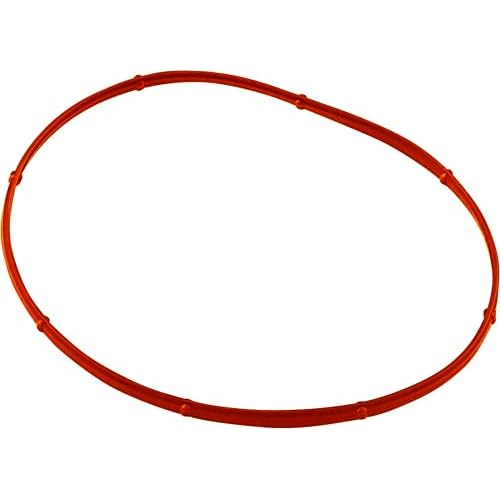
The reason these leaks persist relates to how the derby cover gasket endures significant stress from primary fluid pressure and temperature cycling. Interestingly, modern rubber O-ring gaskets generally outperform traditional paper gaskets in durability and sealing capability, though proper installation remains critical regardless of material choice.
Derby cover leaks often worsen after oil changes due to increased fluid levels creating additional pressure on the gasket seal.
Harley-Davidson Technical Service Bulletin 2024-Primary-07
Recognizing these problems early, common symptoms include visible oil weeping around the derby cover perimeter, especially noticeable after riding when heat expansion increases pressure. Additionally, some leaks only manifest during specific conditions, such as extended highway riding or hot weather operation.
When it comes to repairs, professional service typically involves removing the derby cover, cleaning all surfaces thoroughly, and installing a new gasket with appropriate sealant application. Furthermore, the repair process requires specific torque sequences to prevent gasket displacement or damage.
For long-term success, cost-effective solutions include upgrading to higher-quality gasket materials and implementing proper installation procedures that significantly extend service life compared to quick-fix approaches.
Detection Methods
Since early intervention proves crucial, developing effective leak detection skills prevents minor seepage from escalating into major repair expenses. Therefore, systematic inspection techniques become essential for every Harley owner, with visual examination providing the first line of defense against developing problems.
To begin this process effectively, start by cleaning the motorcycle thoroughly, removing all existing oil residue and dirt accumulation. This baseline cleanliness allows accurate identification of new leak sources during subsequent inspections.
Essential Visual Inspection Steps:
- Examine the engine case split lines for fresh oil traces
- Check all gasket perimeters for wet spots or discoloration
- Inspect drain plug areas for seepage around threads
- Look for oil accumulation on frame components below the engine
- Verify oil filter mounting area shows no signs of leakage
Taking detection further, advanced methods involve using UV-reactive oil additives that fluoresce under black light, making tiny leaks visible that might otherwise go unnoticed. This technique proves particularly valuable for intermittent leaks that only occur under specific operating conditions.
For those seeking even more precision, temperature-based detection utilizes thermal imaging to identify hot spots where internal pressure might compromise seals. While professional-grade equipment provides the most accurate results, smartphone thermal cameras offer budget-friendly alternatives for enthusiast mechanics.
Repair Procedures
Once you’ve identified the problem areas, professional oil leak repair requires systematic approaches that address root causes rather than temporary fixes. Consequently, success depends on proper preparation, quality parts selection, and adherence to manufacturer specifications throughout the process.
Before diving into repairs, begin every project with complete diagnosis to identify all leak sources, as multiple problems often occur simultaneously. Unfortunately, attempting piecemeal repairs frequently results in repeated teardown and increased labor costs.
Critical Repair Steps:
- Drain all fluids completely before beginning work
- Remove surrounding components for adequate access
- Clean all mating surfaces with appropriate solvents
- Inspect surfaces for warping or damage requiring machining
- Apply specified sealants according to manufacturer guidelines
- Install new gaskets with proper torque sequences
- Refill with recommended fluids and test for leaks
When selecting replacement parts, quality components significantly impact repair longevity, with premium gasket manufacturers often providing superior materials compared to economy alternatives. For instance, James Gasket and Cometic represent industry-leading suppliers offering enhanced durability for Harley applications.
Additionally, torque specifications vary significantly between models and components, making service manual consultation essential for proper installation. Digital torque wrenches provide accuracy levels required for modern gasket materials that demand precise compression.
Finally, post-repair monitoring involves checking for leaks immediately after completion, then again after the first heat cycle when thermal expansion fully seats all components.
Prevention Tips
Rather than waiting for problems to develop, proactive maintenance strategies dramatically reduce oil leak frequency while extending overall motorcycle longevity. Therefore, regular inspection schedules coupled with proper operating practices prevent most common leak scenarios.
Understanding the relationship between oil quality and seal preservation, high-quality synthetic oils provide superior protection against thermal breakdown and seal degradation. Similarly, maintaining proper oil levels prevents both starvation damage and overpressure conditions that force oil past seals.
Comprehensive Preventive Maintenance Schedule:
- Weekly visual inspections for fresh oil signs
- Monthly torque verification on critical fasteners
- Quarterly gasket condition assessment
- Annual replacement of questionable seals
- Immediate attention to minor leaks before escalation
In terms of storage considerations, proper preparation prevents many leak issues, particularly wet sumping problems common in Milwaukee-Eight engines. Specifically, this preparation includes running the engine to operating temperature before shutdown and positioning the motorcycle to prevent oil migration during extended periods of inactivity.
Moreover, environmental protection through covered storage reduces temperature cycling effects on gaskets and seals. Since extreme temperature variations accelerate material degradation, climate-controlled storage proves highly beneficial for long-term reliability.
Surprisingly, regular riding actually benefits seal condition by maintaining proper oil circulation and preventing stagnation that can cause gasket hardening. Conversely, motorcycles stored for extended periods without operation frequently develop leaks that would not occur with regular use.
Cost Analysis
When planning for repairs, oil leak repair costs vary dramatically based on location, complexity, and parts selection, making accurate budgeting essential for motorcycle owners. Understanding typical expense ranges helps prioritize repairs and avoid unnecessary charges.
Generally speaking, minor leak repairs involving simple gasket replacement typically range from $150-$400 when performed professionally. On the other hand, DIY enthusiasts can reduce costs to $25-$75 in parts while gaining valuable mechanical experience.
Detailed Repair Cost Breakdown:
| Component | DIY Parts Cost | Professional Repair |
|---|---|---|
| Derby Cover Gasket | $8-$15 | $150-$250 |
| Primary Cover Gasket | $25-$45 | $300-$500 |
| Oil Pan Gasket | $20-$35 | $250-$400 |
| Complete Engine Reseal | $150-$300 | $1,200-$2,500 |
At the higher end of the spectrum, major repairs requiring engine disassembly can exceed $2,000 when multiple seals need replacement simultaneously. However, these extensive repairs often prove cost-effective compared to piecemeal approaches that require repeated labor charges.
When considering parts selection, quality significantly impacts long-term value, with premium gaskets costing 20-50% more initially but lasting twice as long as economy alternatives. This cost differential favors quality parts for riders planning extended ownership periods, such as the Primary Cover Gasket Kit available for most modern Harleys.

Furthermore, labor costs vary substantially by geographic region and shop specialization, with Harley dealerships typically charging premium rates compared to independent motorcycle shops. Nevertheless, dealership service often includes warranty coverage that independent shops may not provide.
Video Credit: Pikes Peak Harley-Davidson / YouTube
Frequently Asked Questions
How much does it cost to fix an oil leak on a Harley?
The cost to repair oil leaks varies significantly depending on the specific component and complexity of the repair. For simple repairs, derby cover gasket replacements typically cost $150-$250 at dealerships, while more involved primary cover gasket repairs can reach $300-$500. However, DIY enthusiasts can dramatically reduce these costs by purchasing quality gaskets for $8-$45 and performing the work themselves.
Beyond the basic repair costs, parts availability and labor rates vary considerably by location, with urban areas generally commanding higher prices than rural markets. Additionally, many repairs require specialized tools that factor into professional service costs but represent one-time investments for dedicated DIY mechanics.
Do all Harley Davidsons leak oil?
Contrary to popular belief, modern Harley Davidson motorcycles do not inherently leak oil when properly maintained and operated within specifications. This persistent myth actually stems from older models that used different sealing technologies and manufacturing tolerances less precise than current standards.
In fact, contemporary bikes featuring Milwaukee-Eight engines demonstrate significantly improved reliability compared to previous generations. Nevertheless, any motorcycle can develop leaks through normal wear, improper maintenance, or component failure regardless of manufacturer or model year.
What is wet sumping and how does it cause leaks?
Wet sumping represents a condition where oil accumulates in the crankcase instead of returning to the oil tank during engine shutdown. As a result, this condition creates excessive pressure that can force oil past seals and gaskets, manifesting as leaks around various engine components.
Particularly noteworthy, Milwaukee-Eight engines show specific susceptibility to wet sumping after extended storage periods. Fortunately, the condition typically resolves through normal operation as the scavenger pump removes excess oil from the crankcase, though temporary leakage may occur until pressure normalizes.
Can I ride my Harley with a small oil leak?
While small oil leaks may allow continued riding with increased monitoring, this practice requires careful consideration of potential environmental and safety implications. Most importantly, any leak can worsen rapidly without warning, potentially leading to catastrophic oil loss and severe engine damage.
Consequently, regular oil level checks become absolutely critical when operating with known leaks, as seemingly minor seepage can escalate quickly under certain conditions. Furthermore, environmental responsibility dictates prompt repair to prevent oil contamination of roads and waterways.
How often should I check my Harley for oil leaks?
For optimal leak detection and prevention, weekly visual inspections provide the ideal timing, allowing early intervention before minor issues become major problems. During each examination, focus attention on common leak points including the primary cover, derby cover, drain plug, and engine case split lines.
Additionally, pre-ride inspections should always include a quick ground check for fresh oil spots, particularly after the motorcycle has been parked overnight. This simple habit can prevent catastrophic failures that occur when riders operate motorcycles with severe oil loss.
Sources:
- Harley Davidson Oil Leak Troubleshooting Guide – JustAnswer
- Primary Cover Gasket Repair Guide – HD Forums
- Oil Leak Detection and Resolution – Clean Harleys
- Milwaukee-Eight Engine Problems and Solutions – Viking Bags
- Wet Sumping Troubleshooting – Feuling Parts