

Last updated on April 5th, 2026 at 09:48 pm
Your Harley Davidson speedometer suddenly went dead while cruising, leaving you guessing your speed and wondering what’s wrong with your prized motorcycle.
A non-working Harley speedometer is typically caused by a faulty Vehicle Speed Sensor (VSS), blown fuses, loose wiring connections, or damaged speedometer circuits. The VSS sensor accumulating metal debris is the most common culprit, while electrical issues and corroded connectors also frequently cause speedometer failures.

Sensor Problems
Several factors can cause your speedometer to malfunction. Understanding these root causes helps you identify the right solution faster and avoid costly dealer visits.
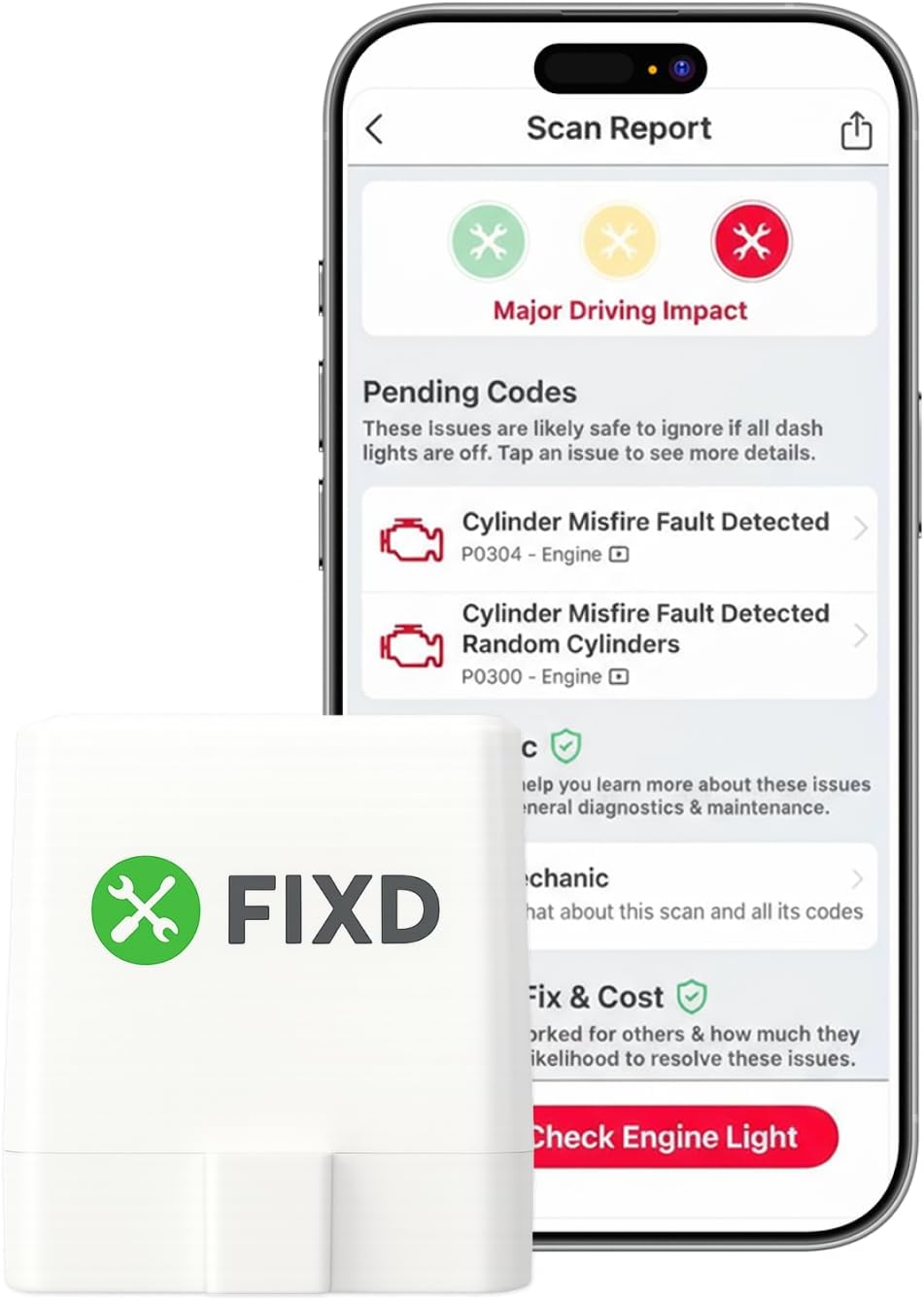
Best Bluetooth OBD2 Scanner
Detect 39,000+ Issues With Enhanced Codes. Save $1000s on car repairs & buying used vehicles by diagnosing problems yourself.
Shop on AmazonVehicle Speed Sensor failure represents the primary reason behind speedometer malfunctions. The VSS sensor sits in your transmission case and uses magnetic detection to measure wheel rotation speed. When metal shavings from normal transmission wear accumulate on the sensor tip, it blocks the magnetic field and prevents accurate speed readings.
However, sensor contamination isn’t the only issue affecting VSS performance. The sensor itself can fail internally, losing its ability to generate proper electrical signals. Temperature fluctuations and vibration stress contribute to sensor degradation over time, particularly on high-mileage motorcycles.
Similarly, loose sensor mounting can create intermittent speedometer operation. The VSS must maintain precise positioning relative to the transmission’s gear teeth to function correctly. Vibration can gradually loosen the sensor mounting bolt, causing erratic readings or complete failure.
Most speedometer problems on Harley Davidson electric speedometers are caused by the speedometer sensor. Seen it many, many times.
Technical Forum Expert
Electrical Faults
Connection problems between the speedometer and electrical system create another common scenario. Corroded connectors, damaged wiring harnesses, or loose ground connections can interrupt the signal transmission from your VSS to the speedometer display.
Furthermore, the speedometer circuit shares connections with other motorcycle systems like turn signals and brake lights. When these shared circuits develop problems, your speedometer may stop working even though the VSS sensor functions properly. This interconnected design means electrical faults can cascade through multiple systems.
Additionally, poor ground connections frequently cause speedometer malfunctions that appear to be sensor-related. Your Harley’s electrical system relies on solid ground connections to complete circuits properly. Corroded ground points under the seat or at frame connection points can cause voltage drops that prevent speedometer operation.
The main speedometer fuse protects the entire gauge cluster circuit. A blown fuse immediately stops all speedometer functions, including the odometer and any associated warning lights. Regular fuse inspection helps identify electrical overload conditions before they cause permanent damage.
Fuse Issues
Blown fuses represent one of the simplest yet most overlooked causes of speedometer failure. Your Harley Davidson uses several fuses to protect different electrical circuits, and speedometer operation depends on multiple fuse circuits functioning correctly.
The primary speedometer fuse typically sits in the main fuse box under your seat. This fuse protects the gauge cluster power supply and must be intact for any speedometer operation. Even a partially blown fuse can cause intermittent problems that seem like sensor issues.
Moreover, secondary fuses control related systems that affect speedometer operation. Turn signal fuses, brake light fuses, and accessory power fuses all connect to circuits that share components with the speedometer system. When these fuses blow, they can prevent speedometer operation through the shared circuit connections.
You can find quality Harley Davidson VSS speed sensors to replace failed sensors quickly and affordably.

Wiring Problems
Damaged wiring harnesses cause speedometer failures that can be challenging to diagnose. Your motorcycle’s wiring endures constant vibration, temperature changes, and exposure to road debris that can gradually damage insulation and create connection problems.
Pinched wires under the seat or tank frequently cause intermittent speedometer operation. When you install accessories or perform maintenance, wires can get trapped and slowly damaged through repeated compression. These pinched wires often work initially but fail over time as the damage worsens.
Furthermore, connector corrosion affects speedometer circuits more than many riders realize. The Harley Davidson Forums troubleshooting section documents numerous cases where cleaning corroded connectors resolved speedometer problems that seemed like expensive sensor failures.
Water intrusion into electrical connectors creates corrosion that interrupts signal transmission. Even small amounts of moisture can cause connection problems that appear intermittently, making diagnosis difficult without systematic electrical testing.
Harley is suffering from a rash of issues that are harness and connector related. So it could be a harness issue or connector issue.
Motorcycle Technician
Step-by-Step Troubleshooting
Systematic diagnosis helps identify speedometer problems quickly and prevents unnecessary part replacement. Following this methodical approach saves time and money while ensuring you address the actual root cause.
Start with the simplest checks before moving to more complex diagnostic procedures:
- Check all fuses – Inspect speedometer, turn signal, and brake light fuses for damage
- Test VSS sensor – Remove sensor and check for metal debris accumulation
- Inspect wiring – Look for pinched, damaged, or corroded wires and connectors
- Verify ground connections – Clean and tighten all ground points under seat and frame
- Check speedometer power – Test voltage at speedometer connector with multimeter
- Examine sensor mounting – Ensure VSS sensor bolt is tight and properly positioned
Begin diagnosis by checking the obvious items first. Many speedometer problems result from simple fuse failures or loose connections that take minutes to identify and repair.
The VSS sensor cleaning procedure often resolves speedometer issues without requiring part replacement. Remove the sensor from your transmission case and clean metal debris from the magnetic tip using a wire brush or compressed air.
VSS Sensor Service
Cleaning your Vehicle Speed Sensor frequently restores speedometer operation without expensive replacement costs. The VSS accumulates metal particles from normal transmission operation, and these particles block the magnetic field necessary for speed detection.
Locate your VSS sensor on the transmission case, typically requiring starter motor removal for access on many Harley models. The sensor connects with a single electrical connector and secures with one mounting bolt. Take photos before removal to ensure proper reassembly.
Clean the sensor thoroughly using these steps:
- Disconnect the electrical connector carefully to avoid damage
- Remove the mounting bolt and withdraw the sensor from transmission case
- Clean accumulated metal debris from the magnetic sensor tip
- Inspect the sensor housing for cracks or damage
- Check the electrical connector for corrosion or bent pins
- Apply dielectric grease to connector before reassembly
The RoadGlide forums VSS troubleshooting guide provides detailed sensor cleaning procedures for different Harley models and transmission types.
Replace the VSS sensor if cleaning doesn’t restore proper operation. Quality aftermarket sensors like the V-Twin Manufacturing Electronic Speed Sensor offer reliable performance at reasonable cost compared to dealer parts.

Wiring Harness Repair
Damaged wiring harnesses require careful repair to restore reliable speedometer operation. Locate damaged areas by following the wiring from the VSS sensor to the speedometer, checking for obvious damage along the route.
Common damage areas include wire routing points where harnesses contact frame members or bodywork. Vibration causes wires to rub against these contact points, gradually wearing through insulation and creating short circuits or open connections.
Repair damaged wires using proper electrical techniques:
- Cut out damaged wire sections completely
- Strip wire ends cleanly without nicking conductors
- Use heat-shrink butt connectors for permanent repairs
- Apply dielectric grease to prevent future corrosion
- Secure repaired sections away from vibration contact points
- Test continuity with multimeter before completing repair
The Harley Davidson electrical troubleshooting manual provides wiring diagrams and connector identification for accurate repair procedures.
Professional wiring repair may be necessary for extensive harness damage. Complex electrical problems often require specialized diagnostic equipment and expertise to identify intermittent faults that standard testing can’t detect.
Professional Diagnosis
Some speedometer problems require professional diagnostic equipment to identify properly. Modern Harley Davidson motorcycles use sophisticated electronic systems that can generate error codes indicating specific component failures.
Diagnostic trouble codes help pinpoint speedometer problems when basic troubleshooting doesn’t reveal obvious causes. Code P0502 indicates VSS signal problems, while other codes may point to related system failures affecting speedometer operation.
You should load test those circuits, to verify their integrity. Can be done with a couple jumper wires and a spare headlamp bulb.
Electrical Specialist
Professional shops have access to Harley Davidson’s proprietary diagnostic software that can monitor real-time sensor data and identify intermittent problems that occur only under specific operating conditions.
The cost of professional diagnosis varies but typically ranges from $100-200 depending on problem complexity. This investment often saves money compared to replacing multiple components through trial-and-error troubleshooting methods.
| Problem Type | DIY Difficulty | Professional Cost | Time Required |
|---|---|---|---|
| Blown Fuse | Easy | $20-40 | 15 minutes |
| VSS Cleaning | Moderate | $80-120 | 1-2 hours |
| Sensor Replacement | Moderate | $150-250 | 2-3 hours |
| Wiring Repair | Difficult | $200-400 | 3-5 hours |
| ECU Programming | Expert Only | $300-500 | 1-2 hours |
Advanced Electrical Testing
Comprehensive electrical testing identifies speedometer problems that basic visual inspection can’t detect. Use a digital multimeter to measure voltage, continuity, and resistance at key circuit points throughout the speedometer system.
Test VSS sensor output voltage while manually rotating the rear wheel. A functioning sensor should produce AC voltage pulses that vary with wheel rotation speed. No voltage output indicates sensor failure, while irregular voltage patterns suggest contamination or wiring problems.
Measure speedometer supply voltage at the gauge cluster connector. Your speedometer requires stable 12-volt power to operate correctly. Low voltage readings indicate charging system problems or resistance in the power supply circuit.
Check ground circuit integrity by measuring resistance between speedometer ground connections and battery negative terminal. High resistance readings indicate corroded or loose ground connections that prevent proper circuit operation.
Video Credit: LONE RIDER TV / YouTube
Frequently Asked Questions
Can I ride my Harley with a broken speedometer?
Yes, you can legally ride your Harley Davidson with a non-functioning speedometer in most states, though some jurisdictions require working speedometers for street-legal operation. However, riding without a speedometer makes it difficult to monitor your speed and comply with traffic laws.
The bigger concern involves other systems that depend on VSS sensor input for proper operation. Your transmission’s shift timing, ABS system, and traction control may not function correctly without accurate speed sensor data. These safety and performance issues make speedometer repair a priority rather than an optional convenience.
Consider using GPS navigation or smartphone speedometer apps as temporary speed monitoring solutions while you diagnose and repair your motorcycle’s speedometer system.
How much does VSS sensor replacement cost?
VSS sensor replacement costs vary significantly depending on whether you perform the work yourself or hire a professional shop. Aftermarket sensors typically cost $20-80, while OEM Harley Davidson sensors range from $60-150 depending on your model year and transmission type.
Labor costs add $100-200 to professional replacement since accessing the VSS sensor requires removing the starter motor on many Harley models. Total professional replacement costs usually range from $150-350 including parts and labor.
DIY replacement saves substantial money but requires mechanical skills and proper tools. The job typically takes 2-4 hours for experienced mechanics, though first-time repairs may require additional time for familiarization with procedures.
Why does my speedometer work intermittently?
Intermittent speedometer operation usually indicates loose connections, corroded wiring, or a VSS sensor that’s partially contaminated with metal debris. These conditions cause the speedometer to work under some conditions but fail when vibration, temperature changes, or electrical load variations affect the marginal connection.
Temperature-related intermittent problems often point to failing electronic components within the speedometer itself. Cold weather may cause the speedometer to work initially but fail as components warm up, while hot weather might prevent operation until the system cools down.
Vibration-induced intermittent operation suggests loose sensor mounting, damaged wiring, or corroded connectors that make intermittent contact. These problems typically worsen over time as the underlying damage progresses, eventually leading to complete failure.
Does speedometer affect other motorcycle systems?
Yes, your Harley’s speedometer shares VSS sensor input with several other motorcycle systems that depend on accurate speed information. The transmission control module uses speed sensor data to optimize shift timing and torque converter lockup in bikes with automatic transmissions.
ABS and traction control systems require speed sensor input to detect wheel lockup or spin conditions. When your speedometer doesn’t work due to VSS sensor failure, these safety systems may not function properly or may generate error codes that illuminate warning lights.
Turn signal automatic cancellation also depends on speed and distance information from the VSS sensor. Without proper speed sensor input, your turn signals won’t cancel automatically after completing turns, requiring manual cancellation to avoid confusing other traffic.
How do I prevent speedometer problems?
Regular maintenance prevents most speedometer problems before they occur. Annual VSS sensor cleaning removes accumulated metal debris that causes the majority of speedometer failures. This simple preventive maintenance takes minimal time and prevents expensive emergency repairs.
Keep electrical connections clean and protected from moisture and corrosion. Apply dielectric grease to connectors during routine maintenance and inspect wiring harnesses for damage from vibration or road debris. Address minor wiring issues before they cause complete system failures.
Monitor your speedometer operation during regular riding and address intermittent problems promptly. Early intervention often prevents minor issues from developing into major electrical problems that require extensive diagnosis and repair.
Sources:
- Harley Davidson Forums Speedometer Troubleshooting
- RoadGlide VSS Sensor Guide
- JustAnswer Motorcycle Speedometer Repair
- Harley Davidson Technical Service Information
- Motorcycle Electronics Troubleshooting Guide
Read More: