

When you’re investing in a new TV, one question likely crosses your mind: how long will it actually last? Skyworth TVs have built a reputation in the market for delivering solid performance at competitive prices, making them a popular choice for budget-conscious buyers. But durability matters just as much as cost when you’re planning to keep a TV for years.
Most Skyworth TVs last between 4 to 7 years with regular use, though some models can function for 8 to 10 years if properly maintained. The actual lifespan depends on several factors including the specific model, how often you use it, and how well you care for it. Understanding what influences your TV’s longevity helps you make informed decisions about maintenance and eventual replacement.
This guide breaks down everything you need to know about Skyworth TV durability, from what determines how long they last to practical tips for keeping yours running smoothly for as long as possible.
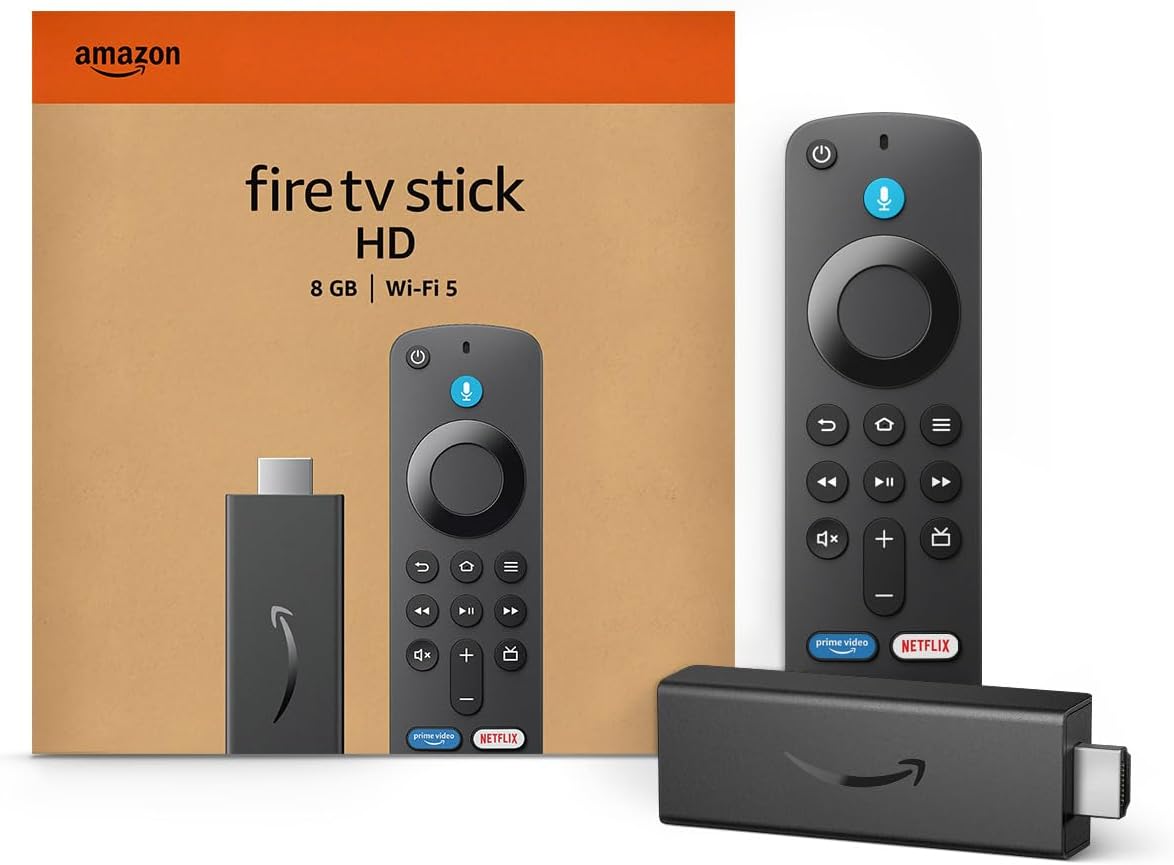
Amazon Fire TV Stick HD
Turn Any TV to a Smart TV. Stream Netflix, Prime Video & More. Alexa Voice Remote Included. Easy Plug & Play Setup.
Shop on Amazon
Typical Lifespan of Skyworth TVs
Skyworth TVs typically offer a reliable lifespan that aligns with most mid-range television brands. When you purchase a Skyworth TV, you’re looking at an average operational life of 4 to 7 years under normal viewing conditions. Some users report their Skyworth models functioning well beyond this range, particularly if they’ve been diligent with maintenance and usage habits.
The lifespan you get often depends on which Skyworth model you own. Their entry-level models tend to last around 4 to 6 years, while their higher-end options may stretch to 8 to 10 years. This difference reflects variations in component quality and manufacturing standards across different price points.
Manufactured primarily in China, Skyworth has been producing televisions since 1985 and supplies products to numerous retailers worldwide. The brand offers competitive warranties that typically cover 1 to 2 years, giving you some protection during the initial period. Knowing this baseline helps you understand what’s normal wear versus what might signal a problem.
Understanding TV Longevity Factors
Several key factors determine whether your Skyworth TV reaches the lower or upper end of its expected lifespan. Component quality, display technology, manufacturing standards, and how you use the TV all play significant roles. Understanding these factors helps you set realistic expectations and take steps to protect your investment.
Display Technology and Durability
Your Skyworth TV’s display technology directly impacts its longevity. Most Skyworth models use LED technology, which generally provides good durability compared to older display types. LEDs consume less power and produce less heat, both factors that extend component life. When you run a TV continuously at high brightness levels, you accelerate degradation of the backlight and other components.
The panel type matters too. Standard LCD panels with LED backlighting are the most common in Skyworth models and offer reasonable durability. Some premium Skyworth models may feature improved panel technology with better heat management. Over time, you’ll notice the brightness gradually decrease as the LED backlight naturally loses efficiency. This is normal and doesn’t necessarily mean the TV has failed.
Pixel degradation occurs in all LCD TVs, though it’s usually not noticeable during typical viewing. You might see some color shifting or slight brightness loss after several years of use. This gradual decline is why most TVs maintain functionality beyond their typical lifespan, though with reduced picture quality.
Component Quality and Build
The internal components in your Skyworth TV determine much of its reliability. Power supplies, capacitors, and circuit boards are critical elements that can fail if subjected to power surges, heat stress, or manufacturing defects. Skyworth uses standard-grade components in most models, which perform adequately but aren’t premium-level parts.
The build quality of Skyworth TVs reflects their price point. While they’re solidly constructed, the materials and assembly processes are cost-conscious. You’ll find plastic casings rather than metal frames, simpler cooling systems, and fewer redundancies in circuit design compared to premium brands. This doesn’t mean they’re poorly made, it just means they’re optimized for affordability.
Capacitors are particularly important for TV longevity. Lower-quality capacitors fail more quickly, especially in hot environments. Some Skyworth models use capacitors that are more prone to failure after 5 to 7 years of continuous operation. Examining whether your TV uses quality capacitors requires technical knowledge, but it’s one factor that separates more durable models from less reliable ones.
Manufacturing consistency also plays a role. Skyworth produces TVs at various facilities, and quality can vary between batches. Some users report excellent experiences with their Skyworth TVs lasting nearly a decade, while others experience failures within 3 to 4 years. This variation suggests inconsistency in quality control across production runs.
Extending Your Skyworth TV’s Lifespan
You have significant control over how long your Skyworth TV lasts through proper care and usage habits. Making smart choices about how you operate and maintain your TV can easily add years to its functional life. These practices don’t require expensive repairs or specialized knowledge, just consistent attention to a few key areas.
Proper Usage and Maintenance
How you use your TV daily has the biggest impact on its lifespan. Avoid leaving your Skyworth TV running continuously, as this accelerates component degradation. Instead, turn it off when you’re not actively watching. Even when you’re just using it as background noise, the strain on components like the power supply and backlight adds up over time.
Brightness settings matter more than you might think. Running your TV at maximum brightness speeds up LED degradation. You’ll extend the life significantly by keeping brightness at moderate levels, usually around 50 to 70 percent works well for most viewing situations. Your eyes adjust quickly to lower brightness, and you’ll barely notice the difference after a few minutes.
Keep the ventilation areas clear. Your Skyworth TV needs space for air to circulate around the vents, usually located on the back and sides. Dust buildup blocks airflow, causing internal temperatures to rise and accelerating component failure. Clean the vents every few months with a soft brush or cloth. Never use water or compressed air, as moisture and pressure can damage internal components.
Use a surge protector for your Skyworth TV. Power surges from lightning strikes or electrical grid fluctuations can damage the power supply and other circuits instantly. A quality surge protector costs $20 to $40 and can save you hundreds in repair costs or premature replacement.
Environmental Conditions
Where you place your Skyworth TV significantly affects its durability. Temperature extremes accelerate component failure. Keep your TV in an environment between 50°F and 85°F (10°C to 29°C) for optimal performance. High heat degrades capacitors and other electronics. If your room gets very warm, ensure good ventilation around the TV.
Humidity also matters. Excessive moisture can corrode circuit boards and create electrical issues. Avoid placing your Skyworth TV in bathrooms or other damp areas. If you live in a humid climate, consider running a dehumidifier in the room where your TV is located. Conversely, extremely dry air can create static electricity problems. Aim for humidity levels between 30 and 60 percent.
Lighting conditions indirectly affect your TV’s lifespan. TVs in bright rooms require higher brightness settings, which stresses the backlight. If possible, position your TV away from direct sunlight. Using blackout curtains or adjusting your room lighting helps you keep brightness settings lower while maintaining good picture quality.
Handle your TV carefully when cleaning or moving it. Always support the TV properly and never press on the screen. Transport it in its original box if possible. Even though modern TVs are relatively sturdy, rough handling can damage internal components or crack the panel.
When to Repair vs. Replace
Deciding whether to repair or replace your Skyworth TV requires considering several practical factors. As your TV ages, repair costs can approach or exceed the price of a new model, making replacement the sensible choice.
If your Skyworth TV is still within the warranty period, typically 1 to 2 years, repairs are usually free or low-cost. Take advantage of this protection if you experience issues. After the warranty expires, repair costs vary widely depending on the problem. A replacement remote costs $20 to $50. A new power supply runs $100 to $200. Panel replacement or major circuit board repairs can cost $300 to $600 or more.
Compare repair costs to replacement costs. If your TV is 5 to 7 years old and needs a major repair costing more than $300, buying a new TV often makes more financial sense. Modern Skyworth models offer better energy efficiency and improved technology. A new model might cost just $50 to $150 more than a major repair.
Consider your TV’s current functionality. If it still works but has minor issues, like occasional picture glitches or remote problems, repair may be worthwhile. If it won’t turn on, shows no picture, or has multiple failing components, replacement is usually the better option.
| Issue | Age of TV | Recommended Action |
|---|---|---|
| Minor issues (remote, sound) | Any age | Repair |
| Power supply failure | Under 5 years | Repair |
| Panel problems | Under 5 years | Repair |
| Major component failure | Over 6 years | Replace |
| Multiple issues | Over 7 years | Replace |
The environmental impact of replacement also deserves consideration. Repairing extends a TV’s life and reduces electronic waste. If the repair is reasonably priced and your TV still meets your needs, repair is the more sustainable choice. Many repair shops can extend your TV’s life for several more years at a fraction of replacement cost.
Warranty and Support Considerations
Understanding Skyworth’s warranty coverage helps you plan for potential repairs. Most Skyworth TVs come with a standard 1-year or 2-year limited warranty that covers manufacturing defects. This warranty typically doesn’t cover physical damage, water damage, or normal wear and tear. Extended warranties are sometimes available for an additional cost, providing coverage beyond the standard period.
Skyworth’s customer support availability varies by region. In the United States, support is available through authorized retailers and online channels. Response times and service quality can vary significantly depending on your location. Before purchasing, research the specific support options available in your area.
Key warranty features to remember:
- Standard coverage typically lasts 1 to 2 years from purchase date
- Coverage includes manufacturing defects and component failures
- Extended warranties may be available for an extra fee
- In-home service is sometimes offered for major repairs
- Some retailers offer additional protection plans
Keeping your original receipt and warranty documentation is important if you need service. Register your Skyworth TV with the manufacturer when possible, as this can streamline warranty claims. Take photos of the TV’s model number and serial number for reference.
Consider purchasing from retailers that offer their own extended coverage or return policies. Some major retailers provide additional protection beyond the manufacturer’s warranty. This extra layer of coverage can be valuable, especially if you’re buying an entry-level model.
Frequently Asked Questions
How long does a Skyworth TV typically last?
Most Skyworth TVs last between 4 to 7 years with regular use, though some models can function for 8 to 10 years if properly maintained. Lifespan depends on the specific model, usage frequency, and care practices. Entry-level models tend toward 4-6 years, while higher-end options may reach 8-10 years.
What factors affect the durability of a Skyworth TV?
Key factors include display technology (LED efficiency), component quality (capacitors and circuit boards), manufacturing consistency, and usage habits. Environmental conditions like temperature, humidity, and brightness settings also significantly impact longevity. Regular maintenance and proper handling extend lifespan considerably.
How can I extend my Skyworth TV’s lifespan?
Turn off the TV when not in use, keep brightness at 50-70%, maintain clear ventilation by cleaning vents regularly, use a surge protector, and keep the TV in a temperature-controlled environment (50°F-85°F). Avoid direct sunlight and excessive humidity to prevent component degradation and extend operational life.
When should I replace my Skyworth TV instead of repairing it?
Replace your TV if it’s over 6 years old with major component failure, or over 7 years with multiple issues. Compare repair costs to replacement costs—if repair exceeds $300 and your TV is 5-7 years old, buying new usually makes more financial sense. Minor issues under 5 years are typically worth repairing.
What is Skyworth’s warranty coverage for TVs?
Most Skyworth TVs include a standard 1-2 year limited warranty covering manufacturing defects and component failures. Coverage excludes physical damage, water damage, and normal wear. Extended warranties are sometimes available. Register your TV with the manufacturer and keep warranty documentation to streamline potential claims.
Why do LED backlights degrade in Skyworth TVs over time?
LED backlights naturally lose efficiency over time through constant use, causing gradual brightness reduction. Running the TV at maximum brightness accelerates this degradation. Operating at moderate brightness levels (50-70%) slows the process significantly, while pixel degradation and color shifting are normal after several years but don’t indicate failure.