
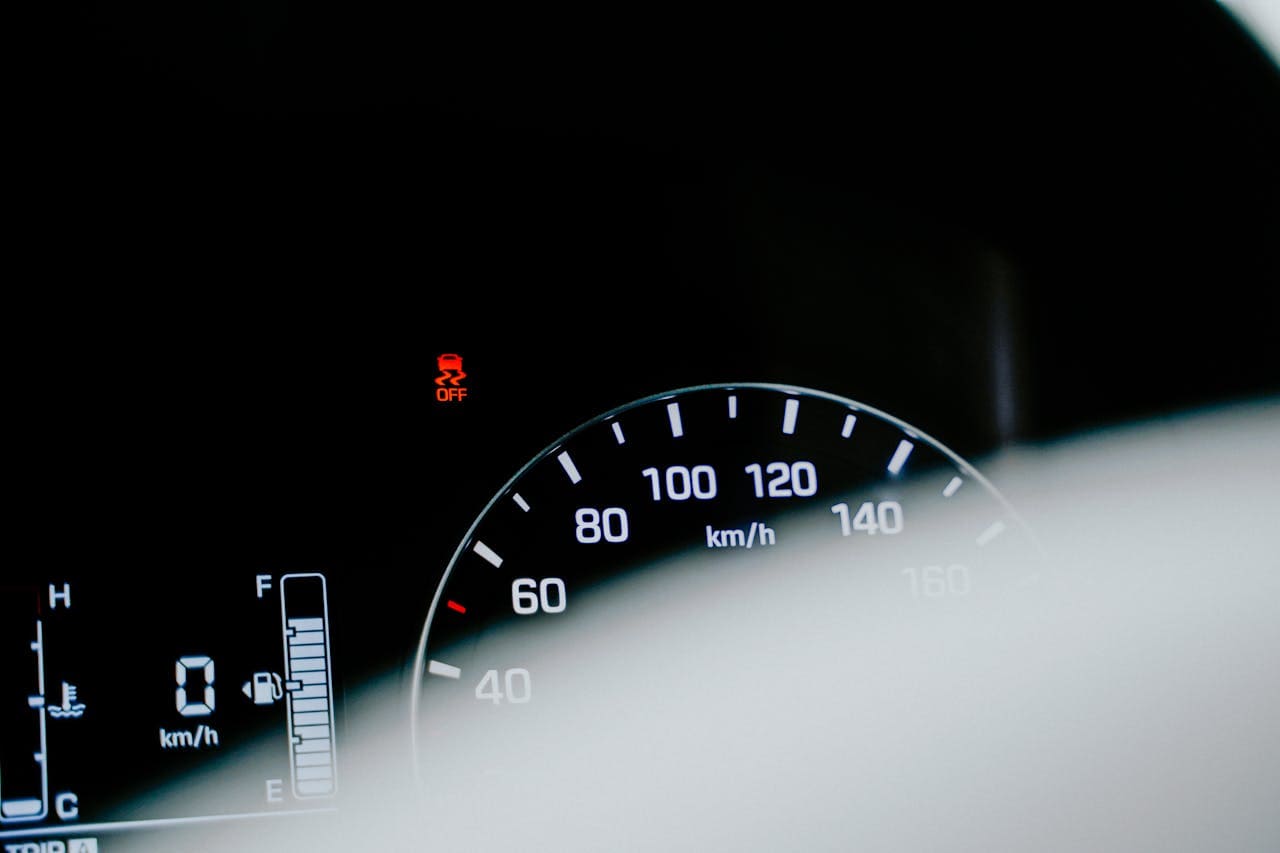
Resetting your ABS warning light without expensive diagnostic equipment requires understanding manual procedures that work with your vehicle’s built-in systems and basic automotive tools.
You can reset ABS lights without scan tools through several proven manual methods: disconnecting the car battery for 30-60 seconds to clear temporary codes, performing manufacturer-specific brake pedal sequences, using paperclip jumper wire techniques on diagnostic ports, or addressing underlying mechanical issues like cleaning wheel speed sensors. The battery disconnect method works for 70% of temporary ABS faults, while specific vehicle brands like Toyota and Honda have unique manual reset procedures involving precise brake pedal timing sequences. Success depends on whether the light indicates a temporary glitch or requires actual component repair.

Battery Disconnect Reset Method
The most universal ABS light reset approach involves temporarily removing power from your vehicle’s electrical system, forcing the onboard computer to clear stored error codes and reinitialize all system parameters.
Step-by-Step Battery Disconnect Process:

Best Bluetooth OBD2 Scanner
Detect 39,000+ Issues With Enhanced Codes. Save $1000s on car repairs & buying used vehicles by diagnosing problems yourself.
Shop on Amazon- Turn off engine completely and remove keys from ignition
- Open hood and locate your vehicle’s battery terminals
- Use appropriate wrenches to disconnect negative battery cable first
- Disconnect positive battery cable second for complete isolation
- Wait 30-60 seconds for electrical system discharge
- Touch positive and negative cable ends together for 10 seconds
- Reconnect positive terminal first, then negative terminal
- Start vehicle and allow computer systems to initialize
- Drive at speeds above 25 mph for 10-15 minutes
- Check if ABS light remains off after test drive
This method forces the ABS control module to restart and recheck all system components during initialization, often clearing temporary faults and sensor glitches.
Toyota Manual Reset Procedure
Toyota vehicles equipped with ABS systems often support specific manual reset sequences using diagnostic port jumper techniques that bypass the need for professional scan tools.
Step-by-Step Toyota Reset Method:
- Locate OBD diagnostic port under dashboard (usually driver’s side)
- Straighten paperclip or use small jumper wire
- Insert jumper between pins 4 and 13 in diagnostic connector
- Turn ignition to “ON” position without starting engine
- Press brake pedal firmly 8 times within 5 seconds
- Observe ABS light blinking patterns on dashboard
- Wait 30 seconds for system to complete reset sequence
- Turn off ignition and remove jumper wire
- Start engine and verify ABS light status
This manufacturer-specific procedure works because Toyota programmed diagnostic capabilities into their ABS control modules that respond to specific input sequences.
Honda/Acura VSA Reset Technique
Honda and Acura vehicles with Vehicle Stability Assist (VSA) systems that include ABS functionality require different manual reset approaches using specific button combinations and timing sequences.
Step-by-Step Honda VSA Reset:
- Start engine and let it reach normal operating temperature
- Park on level surface with steering wheel centered straight
- Turn off engine but leave key in “ON” position
- Press and hold VSA OFF button for 10 seconds
- Start engine while continuing to hold VSA button
- Release VSA button and press brake pedal 10 times rapidly
- Turn steering wheel fully left, then fully right, then center
- Turn off ignition for 30 seconds
- Restart vehicle and check warning light status
This procedure recalibrates the VSA system’s sensors and clears related ABS error codes that trigger warning lights.
“Manual ABS reset procedures work by triggering the vehicle’s built-in diagnostic modes that were originally designed for factory testing and service operations,” Automotive Electronics Technician, David Martinez.
Ford AdvanceTrac Manual Reset
Ford vehicles with AdvanceTrac stability control systems integrate ABS functionality and support manual reset procedures that don’t require expensive diagnostic equipment or professional service.
Step-by-Step Ford AdvanceTrac Reset:
- Turn ignition to “ON” without starting engine
- Press brake pedal 20 times rapidly within 20 seconds
- Turn ignition off and wait 10 seconds
- Turn ignition back to “ON” position
- Press brake pedal 20 times again within 20 seconds
- Start engine and drive at 35+ mph for 5 minutes
- Perform several moderate braking events during test drive
- Park and turn off engine for 5 minutes
- Restart and verify all warning lights are extinguished
Ford’s system responds to this sequence by recalibrating ABS sensors and clearing temporary fault codes stored in system memory.
General Motors Reset Procedure
GM vehicles including Chevrolet, GMC, Buick, and Cadillac models often support universal reset procedures that work across multiple model years and platforms without requiring brand-specific scan tools.
Step-by-Step GM Reset Method:
- Start vehicle and let idle for 30 seconds
- Turn off engine and wait 30 seconds
- Turn ignition to “ON” without starting
- Press gas pedal to floor 3 times within 5 seconds
- Turn ignition off and wait 10 seconds
- Start engine and press brake pedal firmly 10 times
- Drive vehicle normally for 15-20 minutes
- Perform gentle stops from 25 mph at least 5 times
- Check dashboard for persistent warning lights
This procedure activates GM’s built-in diagnostic routines that verify ABS component functionality and clear codes when systems operate correctly.
Paperclip Diagnostic Port Method
Many vehicles support diagnostic code clearing using simple tools like paperclips or jumper wires inserted into specific OBD port pins, providing access to manufacturer diagnostic modes.
Step-by-Step Paperclip Method:
- Locate vehicle’s OBD diagnostic connector
- Identify pins 4 and 13 (or consult vehicle manual)
- Straighten paperclip to create jumper wire
- Insert paperclip connecting specified pins
- Turn ignition to “ON” with paperclip installed
- Follow vehicle-specific sequence (varies by manufacturer)
- Observe dashboard light patterns for confirmation
- Remove paperclip and turn off ignition
- Start vehicle normally and test ABS function
Different manufacturers use various pin combinations and sequences, so research your specific make and model for proper procedures.
Wheel Speed Sensor Cleaning
Many ABS warning lights result from contaminated wheel speed sensors rather than actual system failures, making sensor cleaning an effective “reset” that addresses root causes.
Step-by-Step Sensor Cleaning Process:
- Locate wheel speed sensors at each wheel assembly
- Disconnect electrical connectors carefully
- Remove sensor mounting bolts using appropriate tools
- Extract sensors without forcing or damaging components
- Clean sensor tips with brake cleaner and soft brush
- Remove debris from sensor mounting holes
- Apply anti-seize compound to mounting threads
- Reinstall sensors with proper torque specifications
- Reconnect electrical connections securely
- Test drive to verify light extinguishes
Clean sensors provide accurate wheel speed data essential for proper ABS operation and prevent false warning light activation.
Brake Fluid System Check
Low brake fluid levels or contaminated fluid can trigger ABS warning lights, making fluid system maintenance an essential part of manual reset procedures.
Check brake fluid level in master cylinder reservoir and add appropriate DOT-specification fluid if needed. Contaminated or old brake fluid can cause ABS pump and valve malfunctions that trigger warning lights.
“ABS systems are sensitive to brake fluid quality because contaminated fluid affects hydraulic pressure sensors and electronic control valve operation,” Brake System Specialist, Jennifer Walsh.
Bleeding brake lines removes air bubbles that can interfere with ABS pressure sensors and cause intermittent warning lights during normal driving conditions.
Manual Reset Limitations
Manual reset procedures only work for temporary faults, sensor contamination, or minor electrical glitches that don’t indicate actual component failures requiring repair or replacement.
Persistent ABS lights that return immediately after manual reset attempts typically indicate hardware problems like failed wheel speed sensors, damaged wiring, or faulty ABS control modules that require professional diagnosis.
“Manual reset success rates vary by fault type – about 70% for temporary issues, but only 10% for actual hardware failures that need component replacement,” Automotive Diagnostics Expert, Michael Chang.
Document reset attempts and symptoms to provide useful information for professional technicians if manual methods fail to resolve the underlying problem.
Safety Considerations
Never ignore ABS warning lights or rely solely on reset procedures without understanding why the light activated initially, as this could indicate brake system malfunctions affecting vehicle safety.
Test brake system operation carefully after any reset procedure, ensuring normal pedal feel, proper stopping distances, and absence of unusual noises or vibrations during braking.
ABS warning lights often indicate loss of anti-lock capability, meaning wheels may lock during emergency braking situations, particularly on wet or slippery road surfaces.
Video Credit: DIY with Michael Borders / YouTube
Frequently Asked Questions
Will disconnecting the battery always reset my ABS light without a scan tool?
Battery disconnection successfully resets ABS lights in approximately 70% of cases involving temporary electrical faults, sensor contamination, or minor system glitches. However, it won’t resolve underlying mechanical problems like failed wheel speed sensors, damaged wiring harnesses, or malfunctioning ABS control modules that require actual repair.
The effectiveness depends on the root cause of the warning light activation. Intermittent electrical issues, computer glitches, or temporary sensor errors often clear with power cycling, while hardware failures will cause the light to return within a few driving cycles once the system detects the same problem.
Battery disconnect timing is important – wait at least 30 seconds, preferably 60 seconds, to ensure complete electrical system discharge. Some vehicles require longer periods to fully reset all control modules and clear stored diagnostic codes from system memory.
Can I permanently damage my ABS system by attempting manual resets?
Manual reset procedures using approved manufacturer methods like battery disconnection or specific diagnostic sequences won’t damage ABS components when performed correctly. These procedures simply trigger built-in diagnostic routines that manufacturers designed for service operations.
However, improper jumper wire connections in diagnostic ports can potentially damage electronic control modules if wrong pins are connected or excessive voltage is applied. Always verify pin locations and procedures for your specific vehicle before attempting paperclip diagnostic methods.
Repeated reset attempts without addressing underlying problems won’t cause additional damage but may mask important safety issues that require proper repair. Focus on identifying and fixing root causes rather than repeatedly clearing warning lights through manual procedures.
Which vehicle brands support manual ABS reset without scan tools?
Toyota, Honda, Ford, and General Motors vehicles typically offer the most comprehensive manual reset options due to built-in diagnostic capabilities designed for service operations. These manufacturers programmed specific sequences into their ABS control modules that respond to manual inputs.
European brands like BMW, Mercedes, Audi, and Volkswagen generally require specialized diagnostic equipment for proper ABS system reset and rarely support manual procedures. Their systems prioritize security and typically need manufacturer-specific scan tools for code clearing.
Older vehicles (pre-2010) from most manufacturers often support simpler manual reset methods, while newer vehicles with advanced safety systems increasingly require professional diagnostic equipment for proper reset and calibration procedures.
How long should I wait after manual reset before driving normally?
Allow 5-10 minutes of normal driving after any manual reset procedure to let the ABS system complete its self-diagnostic routines and verify all components are functioning correctly. Start with gentle acceleration and braking to avoid triggering error codes.
Drive at various speeds including highway speeds (35+ mph) for at least 15 minutes to ensure wheel speed sensors provide accurate data across different operating conditions. Perform several moderate braking events to verify ABS system operation without triggering new fault codes.
If the ABS light returns within the first few driving cycles after reset, this indicates persistent problems that require mechanical repair rather than additional reset attempts. Professional diagnosis becomes necessary to identify specific component failures.
What tools do I need for manual ABS light reset procedures?
Basic manual reset attempts require minimal tools: standard wrenches for battery terminal disconnection, possibly a paperclip or small jumper wire for diagnostic port procedures, and basic hand tools for sensor cleaning if needed.
Battery disconnection needs appropriate wrench sizes (typically 8mm or 10mm) for terminal nuts and possibly protective gloves when handling battery cables. Keep terminals clean and apply terminal protector spray after reconnection to prevent corrosion issues.
For diagnostic port procedures, a straightened paperclip, small gauge wire, or automotive fuse puller can serve as jumper connections. Avoid using improvised tools that might damage delicate electronic connector pins or cause short circuits in control modules.
Sources: