

Adobe Photoshop, the world’s leading image editing software, occasionally requires resetting to resolve various issues and restore optimal performance for professional photographers and designers.
Resetting Adobe Photoshop involves multiple approaches including preference file deletion, workspace restoration, tool configuration reset, and complete application reinstallation. Common scenarios requiring resets include corrupted preference files causing crashes, missing toolbars and panels, incorrect color management settings, performance degradation, workspace layout issues, plugin conflicts, and tool behavior problems. The most effective reset method depends on the specific issue you're experiencing, with keyboard shortcuts providing the quickest solution while manual preference deletion offers more comprehensive troubleshooting capabilities.
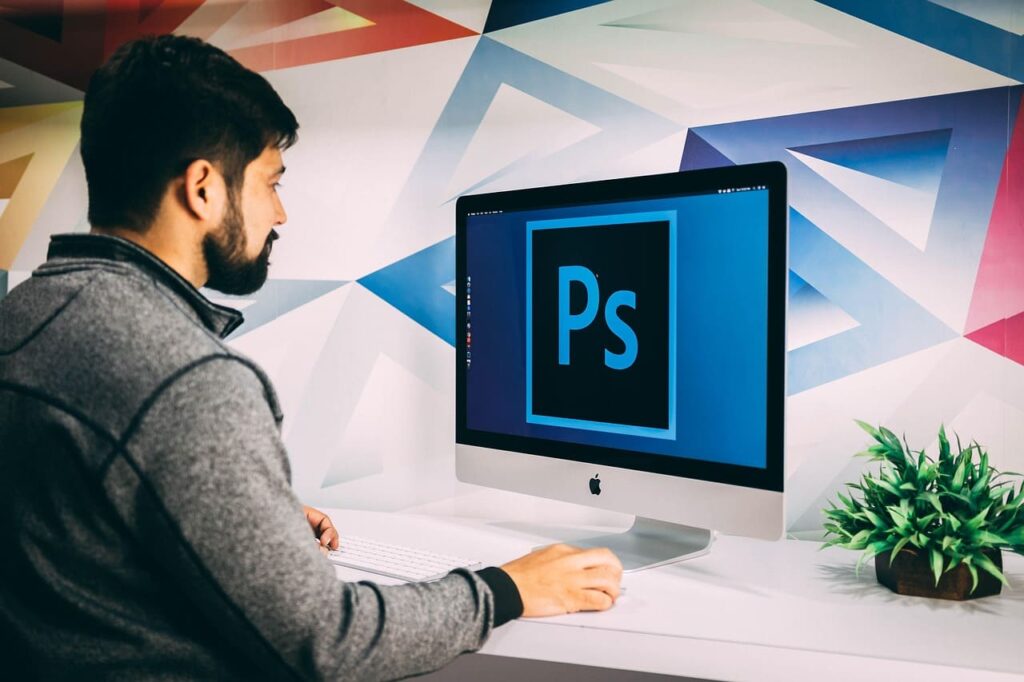
Understanding Reset Methods
Adobe Photoshop offers several reset approaches designed to address different types of problems and user requirements. Understanding these various methods ensures you select the most appropriate solution for your specific situation while minimizing workflow disruption and configuration time.
Preference resets represent the most common troubleshooting method for Adobe Photoshop issues. The preferences file controls application behavior, interface layout, performance settings, color management profiles, and tool configurations. When preferences become corrupted, users experience crashes, missing interface elements, incorrect tool behavior, and various performance issues.
Workspace resets specifically target interface layout problems without affecting core application preferences. This method restores toolbar positions, panel arrangements, menu configurations, and window layouts to their default states. Workspace resets prove particularly useful when toolbars disappear, panels become unresponsive, or interface elements display incorrectly.
Complete application resets involve uninstalling and reinstalling Adobe Photoshop, clearing all user data, preferences, cached files, and custom configurations. This comprehensive approach resolves persistent issues that resist other reset methods, including severe corruption, licensing problems, and deep system conflicts.
Keyboard Shortcut Reset
The fastest method for resetting Adobe Photoshop preferences utilizes keyboard shortcuts that bypass normal startup processes and force preference regeneration. This approach works effectively for most preference-related issues and requires minimal technical knowledge.
- Close Adobe Photoshop completely and ensure all related processes terminate through Task Manager or Activity Monitor.
- Hold the keyboard combination while launching Photoshop. Windows users press Alt + Control + Shift simultaneously. macOS users press Option + Command + Shift together.
- Continue holding keys until a dialog box appears asking “Delete the Adobe Photoshop Settings file?” Click “Yes” to confirm preference deletion.
- Allow Photoshop to launch with fresh default preferences and reconfigure essential settings according to your workflow requirements.
Built-in Preference Reset
Recent Adobe Photoshop versions include built-in preference reset functionality accessible through the application’s preference dialog. This method provides user-friendly access to preference reset without requiring keyboard shortcuts or manual file manipulation.
- Launch Adobe Photoshop and access Preferences using Ctrl+K (Windows) or Cmd+K (macOS).
- Navigate to the General tab within the Preferences dialog window.
- Locate and click “Reset Preferences On Quit” button near the bottom of the General preferences section.
- Confirm your intention to reset preferences when prompted by clicking “OK” in the confirmation dialog.
- Close and restart Adobe Photoshop to complete the preference reset process with fresh default settings.
Manual Preference Deletion
When keyboard shortcuts and built-in reset functions fail to resolve preference issues, manually locating and deleting preference files provides comprehensive reset capabilities. This approach offers maximum control over the reset process and works when Photoshop cannot launch properly.
Navigate to preference file locations using your operating system’s file explorer. Windows users find preferences in C:\Users[username]\AppData\Roaming\Adobe\Adobe Photoshop [version]\Adobe Photoshop [version] Settings. macOS users locate preferences in ~/Library/Preferences/Adobe Photoshop [version] Settings.
Create backup copies of preference folders before deletion to preserve custom settings for potential restoration. Delete or rename the entire “Adobe Photoshop [Version] Settings” folder, then restart Photoshop to generate fresh preference files automatically.
Workspace Layout Reset
Interface-related problems often require workspace-specific reset procedures rather than complete preference resets. This targeted approach preserves application preferences while restoring interface elements to their default configurations and resolving missing toolbar issues.
- Access the Window menu from Photoshop’s main menu bar.
- Navigate to Workspace submenu and identify your current workspace configuration.
- Select “Reset [Workspace Name]” option corresponding to your active workspace to restore default panel arrangements.
- If workspace reset fails, try switching to “Essentials” workspace and then reset it for comprehensive interface restoration.
Individual Tool Reset
Sometimes specific tools develop problematic behavior without affecting the entire application. Individual tool reset procedures target these isolated issues while preserving broader application settings and workspace configurations.
Right-click on any tool in the toolbar to access the tool reset context menu. Select “Reset Tool” to restore the currently selected tool to its default settings. For comprehensive tool reset, choose “Reset All Tools” to restore every tool’s default configuration simultaneously.
Alternatively, access Edit > Toolbar and select “Restore Defaults” to reset toolbar configuration and restore missing tools to their default positions within the interface layout.
Expert Insights
Professional Photographer, Michael Chen: “Regular preference resets have become part of my monthly maintenance routine. Photoshop accumulates configuration conflicts over time, and proactive resets prevent major workflow disruptions during critical projects.”
Digital Artist, Sarah Rodriguez: “Understanding the difference between workspace resets and preference resets saved me countless hours of reconfiguration. Most interface issues only require workspace resets, preserving my carefully tuned performance settings.”
Adobe Certified Expert, David Thompson: “The built-in reset preference button in newer Photoshop versions is a game-changer for troubleshooting. Students can recover from configuration mistakes quickly without complex file system navigation or technical procedures.”
Performance Settings Reset
Performance-related issues sometimes require specific attention to memory allocation, GPU acceleration, and cache settings. These specialized reset procedures target performance bottlenecks while preserving other application configurations and user preferences.
Access Edit > Preferences > Performance to review current memory allocation, GPU settings, and cache configurations. Click “Reset Performance Preferences” if available, or manually adjust memory usage to recommended levels based on your system specifications.
Clear Photoshop caches by accessing Edit > Purge and selecting “All” to free memory used by undo states, clipboard data, and history information. Consider resetting scratch disk preferences if experiencing disk space errors or performance degradation.
Color Management Reset
Color profile corruption can cause unexpected color shifts, printing problems, and display inconsistencies that require targeted reset procedures. Color management reset addresses these issues while preserving other application settings and workspace configurations.
Navigate to Edit > Color Settings to access comprehensive color management configuration options. Click “Reset to Default” or select appropriate color working spaces for your specific output requirements and workflow standards.
If color issues persist after preference reset, consider resetting monitor calibration profiles and updating graphics card drivers to ensure accurate color reproduction throughout your editing workflow.
Plugin Configuration Reset
Third-party plugin conflicts sometimes cause stability issues, crashes, or unexpected behavior that requires specialized troubleshooting approaches. Plugin reset procedures isolate problematic extensions while preserving core application functionality and user preferences.
Navigate to the Photoshop installation folder and locate the Plugins directory. Temporarily move all third-party plugins to a backup folder, then restart Photoshop to test basic functionality without plugin interference.
Gradually reinstall plugins one at a time, testing stability after each installation to identify problematic extensions. This systematic approach isolates problematic plugins while preserving functional extensions and maintaining workflow efficiency.
Advanced Troubleshooting Techniques
Complex Adobe Photoshop problems sometimes require advanced reset approaches beyond standard preference clearing. These techniques address deeper system integration issues, licensing conflicts, and persistent performance problems that resist conventional troubleshooting methods.
Creative Cloud Cleaner Tool provides comprehensive Adobe software reset capabilities for severe corruption issues. This official Adobe utility removes all Creative Cloud applications, preferences, cache files, and system integration components when other methods fail.
Registry cleaning on Windows systems can resolve deep system integration issues that prevent normal preference reset procedures from completing successfully. Use caution when editing registry entries and create system restore points before making changes.
Backup and Recovery
Implementing proper backup procedures before performing reset operations protects custom configurations, workspace layouts, and important preferences from accidental loss. These strategies enable quick recovery and minimize downtime when reset procedures become necessary.
Create comprehensive preference backups by copying entire Adobe Photoshop Settings folders to secure locations before attempting any reset procedures. This approach preserves all custom settings, workspace configurations, color profiles, and plugin settings.
Export custom workspaces using Window > Workspace > New Workspace before performing interface resets. Custom workspace configurations represent significant time investments and should be preserved through export procedures that create portable workspace files.
Document essential settings including color management profiles, performance configurations, and custom keyboard shortcuts in written notes or screenshot form. These reference materials accelerate reconfiguration procedures following preference resets.
Post-Reset Configuration
Successfully completing Adobe Photoshop reset procedures provides opportunities to implement optimized configurations that improve performance, productivity, and stability. Taking advantage of fresh default settings ensures optimal software operation while preventing issues that contributed to reset requirements.
Configure performance settings appropriate for your system specifications and typical workload requirements. Access Edit > Preferences > Performance and adjust memory allocation, GPU acceleration, and cache settings based on available system resources and project complexity.
Establish consistent color management settings aligned with your output requirements and workflow standards. Professional print workflows require different color profiles than web design projects, and proper initial configuration prevents color accuracy issues.
Customize keyboard shortcuts and workspace layouts according to your specific editing tasks and preferences. Default configurations may not align with established workflows, and early customization prevents productivity loss during adjustment periods following preference resets.
Video Credit: IT Magics / YouTube
Frequently Asked Questions
Will resetting Adobe Photoshop preferences delete my photos and artwork?
No, resetting Adobe Photoshop preferences will never affect your photos, artwork, or any creative files stored on your computer. Preference resets only modify application settings, interface configurations, and software behavior parameters while leaving all image files completely untouched and safely preserved in their original locations.
Preference files contain information about tool settings, color profiles, workspace layouts, performance configurations, and user interface customizations. These settings control how Adobe Photoshop behaves and appears but have absolutely no connection to the actual image files, photographs, or artwork you create and save using the application.
Your creative work remains safely stored in designated folders on your hard drive, cloud storage, or network drives regardless of any preference reset operations you perform. However, you may need to reconfigure document-specific settings like color profiles, print settings, or export preferences after completing reset procedures to ensure consistent output quality.
How can I tell if my Photoshop preferences are corrupted?
Several warning signs indicate corrupted Adobe Photoshop preferences requiring reset procedures. The most common symptoms include frequent application crashes, especially during startup or when accessing specific tools or menu items. Missing or incorrectly positioned interface elements, such as disappeared toolbars, floating panels, or unresponsive menus, also suggest preference corruption issues.
Performance problems like unusually slow startup times, excessive memory usage, or lag when using familiar tools often result from corrupted preference files. Color management issues, including unexpected color shifts, incorrect display calibration, or printing problems, may also indicate preference corruption affecting color profile settings.
If you experience any combination of these symptoms, especially after software updates, system changes, or unexpected shutdowns, preference reset procedures will likely resolve the underlying issues. Start with keyboard shortcut resets before progressing to more comprehensive manual deletion methods if problems persist after initial reset attempts.
Can I selectively reset only certain Photoshop preferences without affecting others?
Adobe Photoshop’s built-in reset functions operate on the entire preference file system rather than individual settings categories. You cannot selectively reset only color management, interface settings, or performance configurations while preserving other customizations through standard reset procedures available within the application interface.
However, you can manually adjust specific preference categories through the Edit > Preferences menu system without performing complete resets. This approach allows targeted correction of problematic settings while maintaining other functional configurations that don’t require modification or restoration to default values.
Advanced users can attempt selective preference manipulation by manually editing individual preference files within the Adobe Photoshop Settings folder, though this approach requires technical expertise and carries risks of additional corruption. Always create complete preference backups before attempting manual preference file modifications to ensure recovery options remain available.
Sources:
- Modify Preferences in Photoshop
- Basic Troubleshooting Steps to Fix Most Issues
- How to Reset the Photoshop Preferences File