
Last updated on August 6th, 2026 at 06:40 am
If your HP laptop keyboard is not working, it can stop you from getting important tasks done quickly. Understanding these causes will help you find the right fix and get your keyboard working again without hassle.
The issue often comes from simple problems like driver errors, settings, or dust inside the keyboard that you can fix yourself. Your keyboard might stop responding due to outdated drivers or wrong settings in Windows. Sometimes, the problem is physical, such as dirt under the keys or a loose connection inside your laptop.
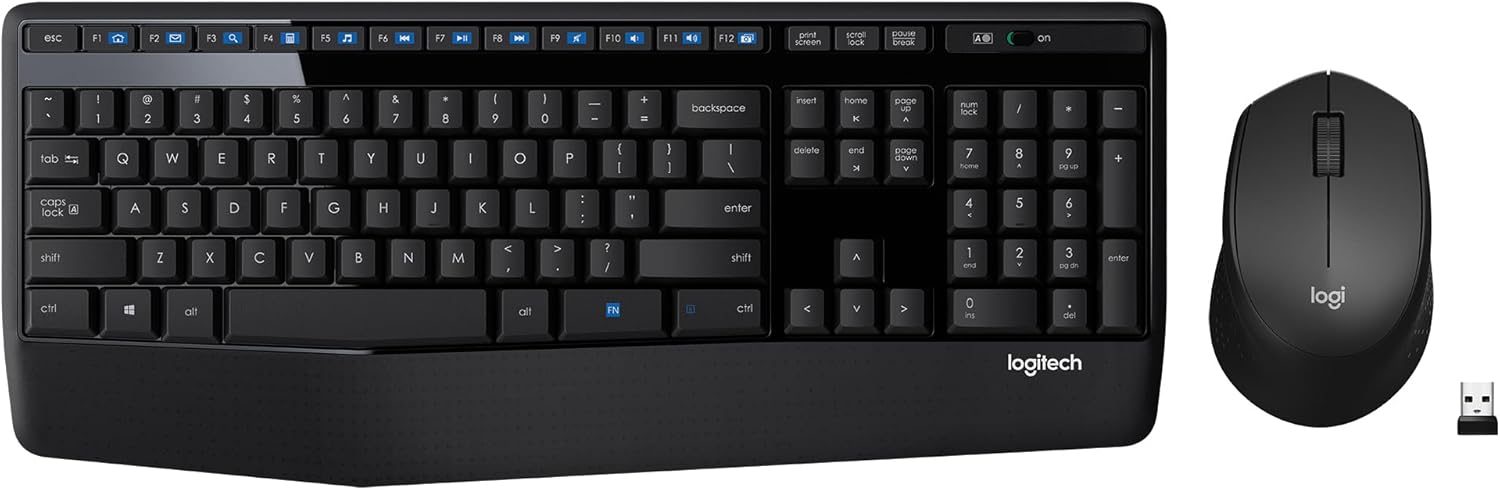
Best Wireless Keyboard and Mouse Combo
Logitech Comfortable Full-Size Keyboard with Palm Rest. Reliable 2.4GHz Wireless Connection up to 10m. Long Battery Life for Everyday Productivity.
Shop on Amazon
Causes of HP Laptop Keyboard Not Working
If your HP laptop keyboard stops responding, it is usually due to specific issues with hardware, software settings like BIOS, or physical damage. Identifying which area is causing the problem helps you find the right fix faster.
Hardware Malfunctions
Hardware malfunctions are a frequent cause of keyboard failure on HP laptops. Over time, key circuits inside the keyboard can wear out or become disconnected. Dust, dirt, or debris may build up beneath the keys, causing them to stick or fail to register presses.
Loose internal connections between the keyboard and the motherboard can also cause the keyboard to stop working. In some cases, the keyboard cable might become partially unplugged or damaged.
To check for hardware problems, you can restart your laptop and enter the BIOS or perform hardware diagnostics. If the keyboard doesn’t work in the BIOS, the issue is most likely hardware related.
Firmware or BIOS Issues
Your laptop’s firmware or BIOS settings can affect keyboard functionality. Incorrect BIOS configurations can disable or interfere with the keyboard. Firmware glitches or outdated BIOS versions may also cause the keyboard to malfunction.
Resetting the BIOS to default settings often restores keyboard function. Updating the BIOS firmware to the latest version from HP’s official website can fix bugs that affect keyboard performance.
If your keyboard stops working after a system update, rolling back or reinstalling drivers might resolve the issue. Ensuring your system’s software and BIOS are properly updated is important to keep hardware components working smoothly.
Physical Damage
Physical damage to your keyboard can happen from spills, drops, or impacts. Liquid spills are a common cause of permanent or temporary keyboard failure on HP laptops.
When liquid enters the keyboard, it can short circuit keys or cause corrosion on internal components. Keys may stop responding or work erratically after exposure to moisture.
Accidental drops or heavy pressure can crack the keyboard or damage underlying circuits. In cases of physical damage, you may need to replace the keyboard or get professional repairs.
If you suspect physical damage, avoid powering on the laptop until the issue is addressed to prevent further harm.
Initial Troubleshooting Steps
Start by checking simple issues that might be causing your keyboard to stop working. You will need to restart your laptop, look for any physical blockages, and try using another keyboard to see if the problem lies with the laptop’s hardware.
Restart the HP Laptop
Restarting your laptop can clear temporary software glitches that stop the keyboard from working. Save any open files before you restart.
Press the Start button, click on the Power icon, and select Restart. Wait for the laptop to fully reboot.
After restarting, test the keyboard to see if it works. If it still doesn’t respond, continue with other troubleshooting steps.
Check for Obstructions and Debris
Physical dirt or objects under or around the keys can cause some or all keys to stop working.
Turn off your laptop and gently flip it upside down. Shake it lightly to dislodge crumbs or debris.
Use compressed air to blow out dust from between the keys. Avoid using liquids or sharp objects that could damage the keyboard.
Look for any stuck keys or signs of damage. Clean the keys carefully with a soft cloth if needed.
Test an External Keyboard
Connecting an external USB or Bluetooth keyboard helps you find out if the issue is hardware-related.
Plug in a USB keyboard or pair a Bluetooth keyboard with your laptop.
If the external keyboard works fine, the problem is likely with your laptop’s built-in keyboard.
If the external keyboard also fails, the issue might be with your laptop’s software or system settings. This helps you decide the next steps for repair or adjustment.
Software and Driver Solutions
Fixing your HP laptop keyboard often starts with checking the software and drivers. These control how your keyboard interacts with your operating system. Ensuring they are up to date and correctly installed can solve many issues quickly.
Update Keyboard Drivers
Start by updating the keyboard driver through Device Manager.
- Right-click the Start button and select Device Manager.
- Expand the Keyboards section.
- Right-click your keyboard device and choose Update driver.
- Select Search automatically for updated driver software.
Windows will look for the latest driver and install it if found. Keeping these drivers current prevents conflicts with Windows and other software.
If Windows does not find an update, you can visit HP’s official support site to download the latest drivers manually. Ensure you choose the driver that matches your laptop model and Windows version.
Uninstall and Reinstall Drivers
Sometimes, outdated or corrupted drivers cause keyboard problems. Uninstalling and reinstalling the driver can reset this.
- Open Device Manager.
- Expand Keyboards, right-click your keyboard, and select Uninstall device.
- Confirm the uninstall and restart your laptop.
When your laptop restarts, Windows will automatically reinstall the keyboard driver. This often fixes issues by replacing bad files or settings.
If the keyboard still does not work, you may need to download and install the correct driver from the HP support website manually.
Check for Windows Updates
Windows updates can include important patches that improve hardware compatibility.
- Open Settings by pressing Windows + I.
- Click Update & Security.
- Select Windows Update and click Check for updates.
If updates are available, install them and restart your laptop. These updates often contain fixes for driver issues that affect your keyboard.
Make sure your Windows version matches your laptop’s driver versions. Running outdated Windows can cause driver conflicts and performance issues.
Keyboard Settings and Configuration
Your HP laptop keyboard may stop working properly if settings like layout, accessibility, or shortcuts are incorrectly configured. Adjusting these options carefully can restore normal function without needing hardware fixes.
Change Keyboard Layout
Check your keyboard layout by going to Settings > Time & Language > Language on Windows. Ensure the layout matches your physical keyboard, like US QWERTY or UK English.
If you see the wrong layout, click your language and select Options. Then, add the correct keyboard and remove any you don’t use.
Wrong layouts cause keys to type unexpected characters. For example, pressing “@” might give you a double quote if the layout is mismatched.
Make sure the language bar on your taskbar shows the right layout. You can switch between layouts by pressing Windows + Spacebar.
Adjust Accessibility Settings
Keyboard problems can occur if accessibility features are accidentally enabled. Head to Settings > Ease of Access > Keyboard to check.
Look for options like Sticky Keys, Filter Keys, and Toggle Keys. These change how key presses are detected and can cause missed or repeated keys.
Turn off any features you don’t need to ensure your keyboard responds normally.
Also, check Repeat Delay and Repeat Rate in the keyboard settings to avoid delays or fast repeats that can feel like malfunctions.
Check Keyboard Shortcuts
Some keyboard shortcuts might disable certain keys or functions. For example, pressing Fn + F1-F12 can turn off the keyboard backlight or mute keys on some HP models.
Test if shortcuts like Fn + Num Lock enable or disable numeric keypads, which change key behavior.
If you suspect shortcut interference, restart your laptop and try the keyboard without using any key combinations.
You can also check the HP System Event Utility is installed and updated, as it controls function keys and special shortcuts on your laptop.
Advanced Diagnostic Techniques
When basic fixes don’t work, you can use more detailed steps to find the cause of your keyboard problem. These methods help identify software conflicts or hardware faults by testing your system in safe conditions and using built-in tools.
Boot in Safe Mode
Safe Mode starts your laptop with only essential drivers and software. This helps you see if a third-party program or driver is causing the keyboard issue.
To enter Safe Mode on an HP laptop:
- Shut down your laptop.
- Power it on and immediately press the Esc key repeatedly until the Startup Menu appears.
- Press F11 to open the Recovery Manager.
- Select Troubleshoot > Advanced options > Startup Settings.
- Click Restart.
- When the menu appears, press 4 or F4 to start in Safe Mode.
Test your keyboard in Safe Mode. If it works here, the problem likely comes from software or drivers running normally. You can then update or remove recent software that might cause the problem.
Run HP Hardware Diagnostics
HP laptops include a built-in hardware test to check for physical issues with your keyboard. Running this test can reveal problems like keyboard connection errors or faulty hardware components.
To run HP Hardware Diagnostics:
- Turn off your laptop.
- Turn it on and immediately press the Esc key repeatedly to open the Startup Menu.
- Press F2 to launch Diagnostics.
- Select Keyboard Test from the list.
- Follow the on-screen instructions to test all keys.
If the test finds errors, the keyboard might need repair or replacement. If no issues appear, your keyboard problem may be software-related, and additional troubleshooting may be needed.
Physical Repairs and Replacement Options
You can fix many keyboard issues by cleaning or replacing parts. Loose or damaged connections might also cause problems and need checking.
Clean or Replace the Keyboard
Start by cleaning your keyboard to remove dust, dirt, and debris. Use compressed air to blow out particles from between the keys. If keys stick or don’t respond, gently clean around them with a soft cloth and isopropyl alcohol.
If cleaning does not work, consider replacing the keyboard. Many HP laptops allow you to remove the keyboard by unscrewing a few screws on the bottom or under the key panel. Replacement keyboards are available online and are often affordable.
Be sure to buy the correct model for your laptop. Follow step-by-step guides carefully to avoid damaging other parts during replacement.
Inspect Ribbon Cable Connections
The ribbon cable connects the keyboard to the motherboard. A loose or badly connected ribbon cable can cause your keyboard to stop working.
First, power off your laptop and remove the battery if possible. Then open the case carefully and locate the keyboard ribbon cable near the keyboard or motherboard.
Check if the cable is fully seated in its connector. If it looks loose, unplug it gently and reconnect it firmly. If the cable or connector is damaged, replacement may be necessary.
Secure the connection before closing your laptop. This fix often restores keyboard function without costly repairs.
Preventive Maintenance
To keep your HP laptop keyboard working well, you need to care for it regularly. Simple actions like cleaning and protecting your keyboard can stop many problems before they start.
Regular Cleaning Practices
Dirt, dust, and debris can block your keyboard’s keys or cause them to stick. Use a can of compressed air to blow away particles from between the keys. Hold the laptop at an angle while doing this to let the debris fall out.
Wipe the surface with a soft, slightly damp cloth. Avoid using harsh cleaners or letting moisture seep under the keys. Clean your keyboard at least once a month if you use it every day.
Also, wash your hands before using the laptop to reduce the amount of oil and dirt transferred to the keyboard.
Using Keyboard Covers
A keyboard cover can protect your HP laptop keys from dust, crumbs, and spills. Use a thin silicone or TPU cover made for your model. This prevents liquids from damaging the keyboard and keeps dirt out.
Make sure the cover fits well and does not interfere with keypresses. Clean the cover regularly with mild soap and water to keep it free from grease and dust.
A keyboard cover is a good investment if you often work in dusty places or eat near your laptop.
Video Credit: Glitch Guru / YouTube