

Insignia TV blinking red light indicates various system malfunctions preventing normal operation. This warning signal appears when internal protection circuits detect power issues, hardware failures, or software errors requiring immediate attention.
Insignia TV blinking red light typically signals power supply problems, mainboard failures, overheating protection, or standby mode errors. The most effective solutions include power cycling the TV, checking electrical connections, verifying remote control functionality, updating software, and performing factory resets to restore normal operation.

Reasons Insignia TV Blinking Red Light
The blinking red light on your Insignia TV serves as a diagnostic indicator, with different blink patterns often corresponding to specific system problems. Understanding these patterns helps identify the underlying cause and determine appropriate repair strategies.
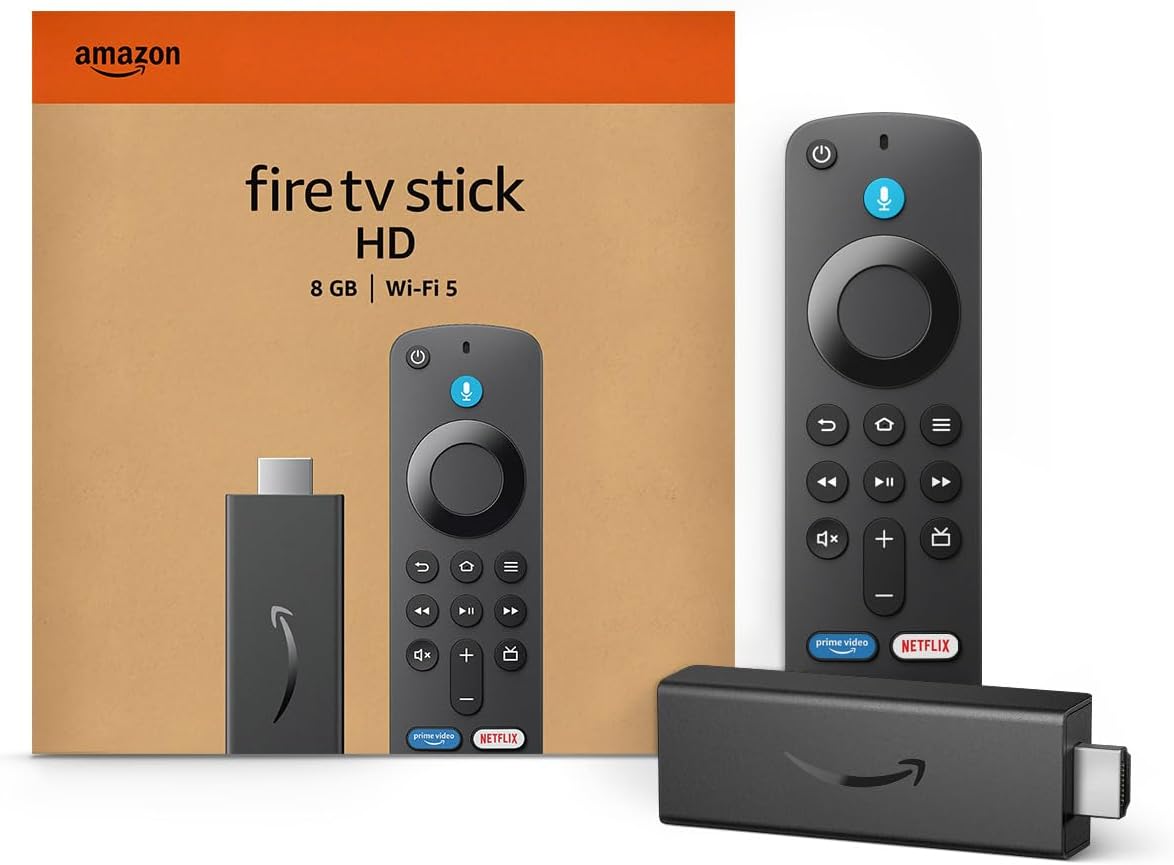
Amazon Fire TV Stick HD
Turn Any TV to a Smart TV. Stream Netflix, Prime Video & More. Alexa Voice Remote Included. Easy Plug & Play Setup.
Shop on AmazonPower Supply and Electrical Issues
Power supply failures represent the most frequent cause of blinking red light conditions on Insignia TVs. Internal voltage regulators, capacitors, and power distribution circuits can malfunction, triggering protective shutdown sequences indicated by the blinking red light.
Inadequate power delivery from electrical outlets can cause intermittent operation and blinking indicators. Voltage fluctuations, loose outlet connections, or overloaded circuits prevent stable power supply to your TV’s sensitive electronics.
Power cord damage, including internal wire breaks or connector degradation, creates inconsistent electrical contact that manifests as blinking red lights. These issues often worsen over time as cable stress points develop additional failures.
Surge protector malfunctions can also restrict clean power delivery to your TV, causing protection circuits to activate and display blinking red warning indicators. Aging surge protectors lose effectiveness and may create power delivery problems.
Moreover, internal power board component failures including blown fuses, failed capacitors, or damaged voltage regulators prevent normal startup sequences, resulting in blinking red light patterns that indicate specific failure modes.
Mainboard and System Failures
Mainboard failures encompass various electronic component problems that prevent normal TV operation while maintaining basic power functions. These failures trigger diagnostic sequences indicated by specific blinking red light patterns.
Processor and memory failures can prevent successful system initialization during startup procedures. Corrupted firmware, failed RAM modules, or damaged processing units cause boot failures that manifest as repetitive blinking patterns.
Circuit board damage from overheating, moisture exposure, or electrical surges affects critical system components responsible for video processing, audio management, and user interface functionality.
System protection circuits monitor multiple parameters including temperature, voltage levels, and component integrity, triggering blinking red light warnings when dangerous conditions are detected.
Connector problems between internal circuit boards can cause communication failures that prevent proper system startup. Loose ribbon cables, corroded contacts, or damaged connectors disrupt signal transmission between critical components.
Additionally, component aging and thermal stress cause gradual performance degradation that eventually results in complete system failures indicated by persistent blinking red light conditions.
Overheating Protection Mechanisms
Overheating protection systems monitor internal temperatures and activate shutdown procedures when safe operating limits are exceeded. These protective measures prevent permanent component damage but result in blinking red light indicators.
Blocked ventilation systems prevent proper heat dissipation from internal components. Dust accumulation in air vents, blocked cooling fans, or inadequate clearance around your TV can cause temperature buildup that triggers protection circuits.
Ambient temperature conditions also affect your TV’s ability to maintain safe operating temperatures. High room temperatures, direct sunlight exposure, or placement near heating sources can overwhelm cooling systems and activate thermal protection.
Internal cooling fan failures prevent active heat removal from critical components. When fans stop functioning, heat accumulates rapidly and triggers emergency shutdown sequences indicated by blinking red lights.
Furthermore, thermal paste degradation between heat-generating components and cooling systems reduces heat transfer efficiency, causing gradual temperature increases that eventually exceed protection thresholds.
Software and Firmware Corruption
Software corruption and firmware errors can cause system instability that manifests as blinking red light conditions. These issues affect system startup procedures and normal operation cycles.
Incomplete firmware updates can leave your TV in an unstable state that prevents normal operation. Interrupted update processes or corrupted download files create software conflicts that trigger protection modes.
Memory corruption affecting system files, user settings, or application data can prevent successful boot sequences. File system errors, configuration conflicts, or damaged operating system components cause startup failures.
Factory default setting corruption can also create conditions where your TV cannot initialize properly. Incorrect hardware configuration parameters or corrupted calibration data prevent normal startup procedures.
Moreover, app conflicts and background process errors can consume system resources or create memory leaks that eventually trigger protective shutdown sequences indicated by blinking red lights.
Basic Troubleshooting Solutions
These fundamental troubleshooting procedures address the most common causes of blinking red light issues and can resolve many problems without requiring technical expertise or professional assistance.
Power Cycle and Hard Reset Procedures
Power cycling eliminates temporary system glitches and resets all electrical components to default states. This procedure often resolves software-related issues and should be attempted before more complex troubleshooting.
Complete power cycle process:
- Turn off your Insignia TV using the remote control
- Unplug the power cord from both the TV and electrical outlet
- Press and hold the TV’s power button for 30 seconds while unplugged
- Leave the TV unplugged for an additional 5 minutes
- Reconnect power and attempt to turn on the TV
The extended button press while unplugged drains residual electrical charges from internal capacitors, ensuring complete system reset. This process clears temporary memory contents and resets protection circuits.
Hard reset procedures for persistent issues may require specific button combinations during power-up. Some Insignia models support recovery modes accessed by holding volume and input buttons while reconnecting power.
Multiple power cycles may be necessary for stubborn issues. Repeat the complete process 2-3 times if initial attempts don’t restore normal operation, as some system errors require multiple reset cycles to clear completely.
Check Power Connections and Outlets
Systematic verification of all power-related connections ensures adequate electrical supply to your TV. Poor connections frequently cause protection circuit activation that appears as internal TV malfunctions.
Electrical outlet testing procedures:
- Test the outlet with other electrical devices to verify proper voltage
- Check for loose outlet connections or damaged outlet hardware
- Try connecting your TV to different outlets to isolate outlet-specific problems
- Verify surge protector functionality if using external power protection
- Ensure the outlet provides adequate amperage for your TV’s requirements
Power cord inspection should include checking for visible damage, bent connectors, or loose connections at both ends. Replace damaged power cords immediately as they pose safety hazards and cause operational problems.
Surge protector evaluation includes testing age-related degradation that can affect power delivery. Surge protectors older than 3-5 years may have lost protective capabilities and should be replaced. Consider the Tripp Lite TLP606B Surge Protector which offers reliable 6-outlet protection with insurance coverage for connected devices at $17.99.
Additionally, verify that multiple high-power devices aren’t overloading the same electrical circuit, which can cause voltage drops that trigger TV protection systems.
Remote Control and Input Verification
Remote control malfunctions can cause apparent TV failures when the actual problem involves signal reception or button functionality. Distinguishing between remote issues and TV problems helps focus troubleshooting efforts appropriately.
Remote control diagnostic steps:
- Remove batteries from the remote and observe TV behavior for several minutes
- Test remote functionality by pointing it at a smartphone camera while pressing buttons
- Clean battery contacts and button areas with isopropyl alcohol if necessary
- Try using TV’s physical buttons to test basic functionality
- Replace remote batteries with fresh units and retest operation
Some blinking red light conditions can be caused by stuck remote control buttons that continuously send signals to your TV. This creates apparent system malfunctions when the actual problem involves remote hardware.
TV button functionality testing helps isolate remote-specific issues from internal TV problems. If your TV responds normally to physical buttons but not remote commands, the problem lies with the remote control system rather than internal TV circuits.
Additionally, interference from other electronic devices can disrupt remote control signals and cause erratic TV behavior. Test remote functionality at different distances and angles to identify potential interference sources.
Advanced Troubleshooting
When basic troubleshooting fails to resolve blinking red light issues, these advanced techniques address deeper system problems that require more comprehensive intervention or technical knowledge.
Software Updates and Factory Reset
Outdated software can cause system instability that manifests as blinking red light conditions. Firmware updates resolve known bugs and improve overall system reliability.
Insignia Fire TV software update process:
- Connect your TV to stable internet via Wi-Fi or Ethernet
- Navigate to Settings > My Fire TV > About
- Select “Check for System Update” and wait for completion
- Download and install any available updates automatically
- Allow complete restart cycle after installation finishes
For Insignia Roku TV models, access Settings > System > System Update to check for available firmware updates.
Factory reset preparation and execution:
- Document Wi-Fi passwords and streaming service credentials before reset
- Note custom picture, sound, and accessibility settings for later restoration
- Ensure stable internet connection for post-reset configuration
- Understand that all downloaded apps will require reinstallation
Navigate to Settings > My Fire TV > Reset to Factory Defaults and confirm the reset process. Complete initialization may take 15-30 minutes including setup procedures.
Post-reset configuration should proceed systematically to identify any specific settings or applications that trigger blinking red light issues. Configure one service at a time while monitoring for problem recurrence.
Advanced users may attempt partial resets through service menus or recovery modes. These options preserve some user data while clearing problematic system configurations that may cause protection circuit activation.
Cooling System Inspection and Maintenance
Overheating protection often causes blinking red light conditions that can be resolved through improved cooling and ventilation. Systematic inspection of cooling systems helps identify thermal management problems.
Ventilation system evaluation:
- Inspect all air vents for dust accumulation or blockages
- Verify adequate clearance around your TV for proper airflow
- Check internal cooling fans for proper operation and cleanliness
- Remove your TV from enclosed entertainment centers if overheating occurs
- Clean accumulated dust using compressed air or soft brushes
Dust accumulation in cooling systems significantly reduces heat dissipation efficiency. Regular cleaning every 3-6 months prevents thermal buildup that can trigger protection circuits.
Environmental temperature management includes positioning your TV away from heat sources like direct sunlight, heating vents, or other heat-generating electronics. Maintain room temperatures below 80°F for optimal operation.
Internal fan operation can be verified by listening for fan noise during operation or feeling for airflow from exhaust vents. Silent operation may indicate fan failure requiring professional repair.
Moreover, thermal management becomes increasingly important for older TVs where aging components generate more heat and cooling systems operate less efficiently than when new.
Hardware Inspection and Diagnostic Testing
Internal hardware inspection requires technical knowledge but can identify obvious component failures causing blinking red light conditions. Safe inspection procedures minimize risk while providing valuable diagnostic information.
Safe internal inspection guidelines:
- Disconnect all power sources and wait 30 minutes before opening
- Use anti-static precautions including wrist straps and grounded work surfaces
- Document all cable connections with photos before disconnection
- Handle circuit boards by edges only to prevent component damage
- Look for obvious signs of failure including burnt components or swollen capacitors
Power supply board inspection often reveals visible damage when causing blinking red light issues. Burnt components, bulging capacitors, or corroded connections indicate hardware failures requiring professional repair.
Component-level testing requires specialized equipment and technical expertise beyond most user capabilities. Professional repair services possess oscilloscopes, multimeters, and component testers necessary for accurate diagnosis.
Visual inspection can identify loose connections, damaged components, or obvious signs of electrical failure. However, many component failures require electrical testing to confirm and should be evaluated by qualified technicians.
Additionally, warranty considerations prohibit internal inspection on newer units. Check warranty status before attempting any disassembly procedures that might void coverage or violate safety regulations.
Professional Repair
Some blinking red light issues require professional diagnosis and repair services that possess specialized equipment and technical expertise unavailable to consumers. Understanding when to seek professional help prevents further damage and ensures proper repair procedures.
When to Seek Professional Repair
Professional repair services become necessary when comprehensive troubleshooting fails to resolve blinking red light issues or when symptoms indicate serious hardware failures requiring specialized intervention.
Indicators requiring professional diagnosis include:
- Persistent blinking red light after all software troubleshooting attempts
- Multiple simultaneous problems affecting different TV functions
- Physical damage from power surges, moisture, or impact
- Warranty coverage that includes professional repair services
- High-value TVs where repair costs justify professional service
Professional technicians possess specialized diagnostic equipment including oscilloscopes, component testers, and thermal imaging cameras that can identify problems invisible to visual inspection.
Authorized service centers provide access to original manufacturer components and repair procedures that ensure proper functionality restoration. Independent repair shops may offer lower costs but typically use aftermarket components.
Repair estimates should be obtained before authorizing work, particularly for older TVs where extensive repairs might exceed replacement costs with newer technology offering improved features.
Furthermore, some manufacturers void warranties for unauthorized repair attempts, making professional service necessary to maintain coverage on newer units.
Cost-Benefit Analysis for Repair vs Replacement
Economic considerations help determine whether professional repair represents a cost-effective solution compared to replacement with newer TV technology.
Factors affecting repair viability:
- Age and original purchase price of your current TV
- Estimated repair costs versus comparable new TV prices
- Availability of replacement parts for older models
- Expected remaining lifespan after repair completion
- Technology improvements available in newer models
Generally, repair costs exceeding 50% of replacement value favor purchasing newer TVs with updated features, improved energy efficiency, and full warranty protection.
Newer TVs under warranty should always be repaired through authorized service centers to maintain coverage and ensure proper repair procedures. Warranty repairs often cost nothing beyond shipping or service call fees.
Older TVs may benefit from replacement even when repair costs seem reasonable, particularly when considering energy efficiency improvements and feature updates available in current models.
Additionally, factor in the likelihood of additional component failures in aging TVs that might require repeated repair services, making replacement more economical long-term.
Video Credit: Tech Tests & Troubleshooting / YouTube
Frequently Asked Questions
What does it mean when my Insignia TV red light blinks a specific number of times?
Different blink patterns often indicate specific system problems, though exact meanings vary between Insignia TV models. Generally, 2-3 blinks suggest power supply issues, 4-5 blinks indicate mainboard problems, and 6+ blinks typically signal overheating or component failures. However, these patterns aren’t universally standardized across all models.
Consult your TV’s user manual for model-specific blink code interpretations, as manufacturers sometimes provide diagnostic charts that correlate blink patterns with specific component failures. Some newer models display error codes on screen that provide more precise diagnostic information than blink patterns alone.
Professional technicians can interpret blink patterns more accurately using service manuals and diagnostic procedures specific to your TV model. If basic troubleshooting doesn’t resolve the issue, document the exact blink pattern and frequency to provide useful information to repair services.
Why does my Insignia TV red light blink but the TV won’t turn on at all?
This condition typically indicates serious hardware failures affecting critical system components required for normal operation. Power supply failures, mainboard problems, or processor issues can prevent startup while maintaining enough power for indicator lights to function.
Start with complete power cycling procedures including extended unplugging and button press combinations to clear any protective shutdown states. Check all power connections and try different electrical outlets to eliminate external power delivery problems.
If basic troubleshooting doesn’t restore functionality, the problem likely requires professional diagnosis and component-level repair. Internal hardware failures affecting startup circuits need specialized testing and component replacement that exceeds typical user repair capabilities.
Can a blinking red light on my Insignia TV be fixed with a software update?
Software updates can resolve blinking red light issues caused by firmware bugs, compatibility problems, or corrupted system files. However, hardware failures including power supply problems, component damage, or overheating issues require physical repair rather than software solutions.
Attempt software updates only if your TV can access settings menus or connect to internet services. If the blinking red light prevents normal operation, software updates may not be possible until hardware issues are resolved first.
Even when software updates don’t directly fix blinking red light problems, they can prevent future issues by resolving known bugs and improving system stability. Keep your TV updated to the latest firmware version to minimize software-related problems.
How can I prevent my Insignia TV from developing blinking red light problems?
Regular maintenance including dust removal, adequate ventilation, and surge protection helps prevent many conditions that cause blinking red light issues. Clean air vents every 3-6 months and maintain proper clearance around your TV for cooling airflow.
Use quality surge protectors to prevent electrical damage from power fluctuations, and replace surge protectors every 3-5 years as their protective capabilities degrade over time. Avoid overloading electrical circuits with multiple high-power devices.
Keep your TV’s software updated to the latest firmware version and avoid interrupting update processes that can corrupt system files. Power down your TV properly rather than unplugging it during normal operation to prevent file system corruption.
Should I attempt to repair my Insignia TV’s blinking red light problem myself?
Basic troubleshooting including power cycling, connection checks, and software updates can be performed safely by most users and resolve many blinking red light issues. However, internal hardware inspection and component replacement require technical expertise and specialized tools.
Warranty considerations prohibit internal repairs on newer TVs, and unauthorized repair attempts can void coverage or create safety hazards. Professional repair services provide proper diagnosis and component replacement with appropriate safety procedures.
DIY repair attempts should be limited to external troubleshooting unless you possess electronics repair experience and understand the safety risks involved. When in doubt, consult professional repair services to avoid causing additional damage or personal injury.
Sources:
- PC Guide – Insignia TV Red Light Blinking Solutions
- Tech Junctions – Insignia TV Blinking Red Light Guide
- Insignia TV Official Troubleshooting Guide
- JustAnswer – Insignia TV Red Light Expert Solutions