
HDMI connectivity issues can turn your viewing experience into a frustrating technical challenge. When your Insignia TV fails to recognize connected devices, you need reliable solutions that address both hardware and software problems.
Insignia TV HDMI ports may stop working due to loose cable connections, faulty HDMI cables, incorrect input source settings, HDMI handshake problems, or hardware malfunctions. Most issues can be resolved through power cycling, cable replacement, input source verification, and HDMI-CEC settings adjustments.

Reasons Your Insignia TV HDMI Ports Stop Working
Several factors can cause HDMI ports to malfunction on your Insignia TV. Understanding these root causes helps you apply the most effective troubleshooting approach for your specific situation.
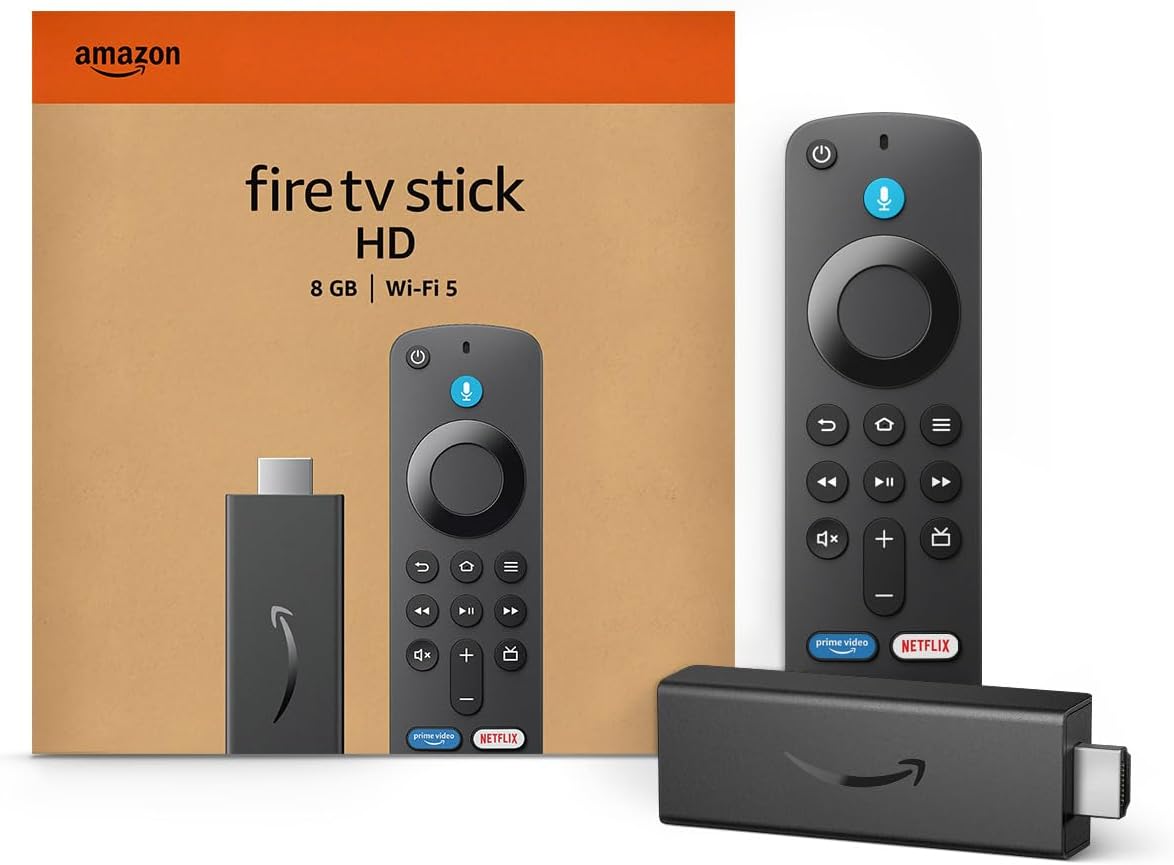
Amazon Fire TV Stick HD
Turn Any TV to a Smart TV. Stream Netflix, Prime Video & More. Alexa Voice Remote Included. Easy Plug & Play Setup.
Shop on AmazonCable connection problems rank as the most frequent culprit behind HDMI failures. Loose connections at either the TV or device end can interrupt signal transmission, causing “No Signal” messages or black screens. Physical wear on cable connectors can also create intermittent connectivity issues.
HDMI cable quality significantly impacts port functionality. Older or damaged cables may not support the bandwidth requirements of modern 4K content, leading to signal dropouts or complete connection failures. Low-quality cables often lack proper shielding and can introduce interference.
Additionally, HDMI handshake failures occur when your TV and connected device cannot negotiate a compatible signal format. This digital communication process determines resolution, refresh rate, and audio format compatibility. When handshake fails, you may experience no signal, flickering, or intermittent connection issues.
HDMI handshake problems are among the most frustrating issues because they can occur randomly, even with previously working setups.
Furthermore, software-related issues can affect HDMI port recognition. Outdated TV firmware may lack compatibility with newer devices or HDMI standards. Similarly, incorrect HDMI-CEC settings can interfere with device communication and port functionality.
Input source confusion also creates apparent HDMI failures. Users may inadvertently select the wrong input source or experience automatic input switching caused by HDMI-CEC conflicts between multiple connected devices.
Hardware malfunctions represent the most serious category of HDMI problems. Physical damage to HDMI ports, internal circuit board issues, or power supply problems can permanently disable port functionality, requiring professional repair or replacement.
Power Cycling and Basic Troubleshooting Steps
Power cycling serves as the foundation of HDMI troubleshooting and resolves many temporary glitches that affect port functionality. This process clears temporary memory states and resets communication protocols between devices.
Complete Power Cycle Process
Begin with a full power cycle of all connected devices. Turn off your Insignia TV and all connected devices (cable boxes, gaming consoles, streaming devices). Unplug the TV’s power cord and wait at least 60 seconds for capacitors to discharge completely.
While waiting, disconnect all HDMI cables from both the TV and connected devices. This physical disconnection ensures a complete reset of HDMI handshake protocols. After the waiting period, plug in your TV first and allow it to boot completely before reconnecting any devices.
Reconnect devices one at a time, starting with your primary device. Power on each device individually and test HDMI connectivity before adding the next device. This methodical approach helps identify which device or combination of devices might be causing conflicts.
Input Source Verification
Verify that you’re selecting the correct input source on your TV. Use your remote to cycle through available inputs (HDMI 1, HDMI 2, HDMI 3, etc.) to ensure you’re matching the physical port where your device is connected.
Many Insignia TVs automatically detect active HDMI inputs and may switch sources without user intervention. Check your TV’s input/source settings to disable automatic switching if it’s causing confusion or conflicts.
Cable Inspection and Testing
Physically inspect all HDMI cables for visible damage, including bent connectors, frayed shielding, or kinked cable bodies. Even minor physical damage can cause signal integrity problems that result in connection failures.
Test with known working HDMI cables to eliminate cable-related issues. If possible, use the HDMI cable that came with your device, as these are typically tested for compatibility with that specific device.
HDMI Cable Quality and Compatibility Issues
HDMI cable quality plays a crucial role in port functionality, particularly with modern 4K and HDR content that demands higher bandwidth capabilities. Understanding cable specifications helps prevent compatibility-related connection failures.
HDMI Version Compatibility
Different HDMI cable types support varying bandwidth and feature requirements:
- Standard HDMI Cables: Support up to 1080p resolution and basic audio
- High-Speed HDMI Cables: Handle 4K at 30Hz, 3D content, and enhanced audio
- Premium High-Speed HDMI Cables: Support 4K at 60Hz with HDR content
- Ultra High-Speed HDMI Cables: Enable 8K, 4K at 120Hz, and HDMI 2.1 features
Your Insignia TV’s HDMI port specifications determine which cable types provide optimal performance. Using an inadequate cable can result in reduced resolution, audio dropouts, or complete connection failure.
Bandwidth Requirements
Modern content demands significant bandwidth for proper transmission. 4K HDR content requires approximately 18 Gbps, while 8K content can exceed 48 Gbps. Insufficient cable bandwidth manifests as signal dropouts, resolution downgrades, or “No Signal” errors.
Cheap HDMI cables claiming 8K support may lack proper certification and fail to deliver promised bandwidth, creating frustrating connectivity issues.
Cable Length Considerations
HDMI signal quality degrades over distance, particularly with longer cable runs. Standard HDMI cables work reliably up to 15 feet, while specialized active cables or signal boosters may be necessary for longer distances.
For runs exceeding 25 feet, consider certified Ultra High-Speed HDMI cables or premium high-speed options with signal boosting to maintain signal integrity.
Testing Cable Quality
Test questionable cables by swapping them with known working alternatives. Cable problems often manifest intermittently, so test for several minutes with different content types (4K video, gaming, streaming) to verify consistent performance.
HDMI-CEC Settings and Device Communication
HDMI-CEC (Consumer Electronics Control) enables connected devices to communicate and control each other through the HDMI connection. While convenient, CEC can cause conflicts that appear as HDMI port malfunctions.
Locating CEC Settings on Insignia TVs
Access CEC settings through your TV’s menu system. Navigate to Settings > Display & Sounds > HDMI CEC Device Control (on Fire TV models) or Settings > System > HDMI-CEC (on standard models). CEC may also be labeled as “INlink” on some Insignia models.
CEC settings typically include options to enable/disable the feature entirely, control device power states, and manage automatic input switching. Understanding these options helps prevent unwanted behavior that mimics HDMI port failures.
Troubleshooting CEC Conflicts
Multiple CEC-enabled devices can create communication conflicts that disrupt HDMI functionality. Symptoms include automatic input switching, devices powering on unexpectedly, or loss of device control.
To troubleshoot CEC issues:
- Disable CEC on all connected devices except your primary device
- Test HDMI connectivity with CEC disabled
- Re-enable CEC devices one at a time to identify conflict sources
- Consider disabling CEC entirely if conflicts persist
CEC Benefits vs. Drawbacks
CEC provides convenience features like using your TV remote to control connected devices and automatic input switching when devices power on. However, these features can become problematic in complex setups with multiple devices.
Evaluate whether CEC benefits outweigh potential conflicts in your specific setup. Simple configurations with one or two devices typically work well with CEC enabled, while complex entertainment systems may function better with CEC disabled.
Advanced Hardware Troubleshooting Methods
When basic troubleshooting fails to resolve HDMI port issues, advanced hardware diagnostic techniques can identify deeper problems requiring professional intervention or component replacement.
Port-Specific Testing
Test each HDMI port individually to determine if the problem affects all ports or specific ones. Connect your device to each available HDMI port and test functionality. Port-specific failures often indicate physical damage or circuit board problems affecting individual ports.
Create a testing matrix documenting which ports work with which devices. Some devices may work on certain ports but fail on others, indicating compatibility issues or port-specific hardware limitations.
Internal Hardware Inspection
If comfortable with electronics, visually inspect HDMI ports for physical damage such as bent pins, loose connections, or debris. Use a flashlight to examine port interiors for foreign objects or corrosion that might interfere with connections.
Warning: Opening your TV voids the warranty and poses electrical safety risks. Only qualified technicians should perform internal inspections on powered devices.
Professional Diagnostic Options
HDMI port replacement requires specialized equipment and skills beyond most home repair capabilities. Contact Insignia support or qualified TV repair services for professional diagnosis of persistent hardware issues.
Professional repair costs for HDMI port replacement typically range from $150-300, depending on your TV model and local service rates. Compare repair costs against replacement TV prices to determine the most economical solution.
Alternative Connection Methods
While awaiting repair or replacement, consider alternative connection methods for essential devices. Component video cables, composite connections, or wireless streaming options can provide temporary connectivity solutions.
Modern streaming devices like Fire TV Stick, Roku, or Chromecast offer wireless alternatives that bypass HDMI port problems entirely. These solutions work particularly well for streaming content when HDMI ports fail.
Video Credit: Studio 6060 / YouTube
Frequently Asked Questions
Why does my Insignia TV say “No Signal” when HDMI is connected?
“No Signal” messages typically indicate communication failures between your TV and connected device. Start by verifying that both devices are powered on and the correct input source is selected. Check that your HDMI cable is securely connected at both ends and try a different HDMI cable to eliminate cable-related issues.
If the problem persists, perform a complete power cycle by unplugging both devices for 60 seconds, then reconnecting them. This process resets the HDMI handshake and often resolves temporary communication glitches. Additionally, try connecting your device to a different HDMI port to determine if the issue is port-specific.
Can a bad HDMI cable damage my TV’s HDMI ports?
While extremely rare, severely damaged HDMI cables can potentially cause electrical issues that affect HDMI ports. More commonly, poor-quality cables create signal integrity problems that manifest as connection failures without causing permanent damage. However, cables with short circuits or improper grounding could theoretically damage sensitive port circuitry.
To prevent potential damage, avoid using visibly damaged cables with bent connectors, exposed wiring, or burn marks. Invest in certified HDMI cables from reputable manufacturers that meet proper electrical specifications. If you suspect a cable caused port damage, discontinue use immediately and test with known good cables.
How do I know if my HDMI port is physically damaged?
Physical HDMI port damage often presents obvious visual signs such as bent or missing pins inside the connector, loose or wobbly connections, or visible cracks in the port housing. Functional symptoms include intermittent connections that work when cables are held in specific positions, or complete connection failure regardless of cable or device used.
Test suspected damaged ports with multiple known working devices and cables. If no devices connect reliably to a specific port while working fine on other ports, physical damage is likely. Professional diagnosis and repair are typically required for physically damaged HDMI ports, as these issues rarely resolve without component replacement.
Why do some devices work on certain HDMI ports but not others?
HDMI port specifications can vary between different ports on the same TV. Some Insignia models designate specific ports for enhanced features like 4K at 60Hz, HDR support, or eARC functionality. Devices requiring these advanced features may only function properly when connected to compatible ports.
Check your TV’s manual or specifications to identify which ports support specific features your device requires. Gaming consoles, 4K Blu-ray players, and high-end streaming devices often need HDMI 2.0 or 2.1 compatible ports for full functionality. Additionally, some ports may be configured for specific device types through CEC settings.
Can software updates fix HDMI port problems?
Software updates can resolve HDMI compatibility issues, particularly those related to newer device support or HDMI standard implementations. Firmware updates may include improved handshake protocols, expanded device compatibility, or bug fixes that address specific HDMI-related problems.
Check for available system updates through your TV’s settings menu under Device Options or System Updates. Install any available updates and restart your TV before testing HDMI connectivity. However, software updates cannot fix physical hardware damage or worn-out port components that require physical repair or replacement.
Sources:
- Smart TVs – Insignia TV HDMI Troubleshooting Guide
- Tech Junctions – Insignia TV HDMI Issues
- Insignia TV Official Troubleshooting
- HDMI.org – Cable Specifications and Standards