

When deciding between Samsung and Hisense TVs, your choice largely depends on what matters most to you. Samsung generally leads in build quality, long-term reliability, and smart TV features, making it a solid option if you want a premium and consistently refined experience.
Meanwhile, Hisense offers strong picture quality and impressive features at a much lower price. This provides excellent value for budget-conscious buyers.
If you prioritize design, ecosystem integration, and cutting-edge technology, Samsung is likely the better choice. But if you want the best features for your money without paying a premium, Hisense should be on your radar.
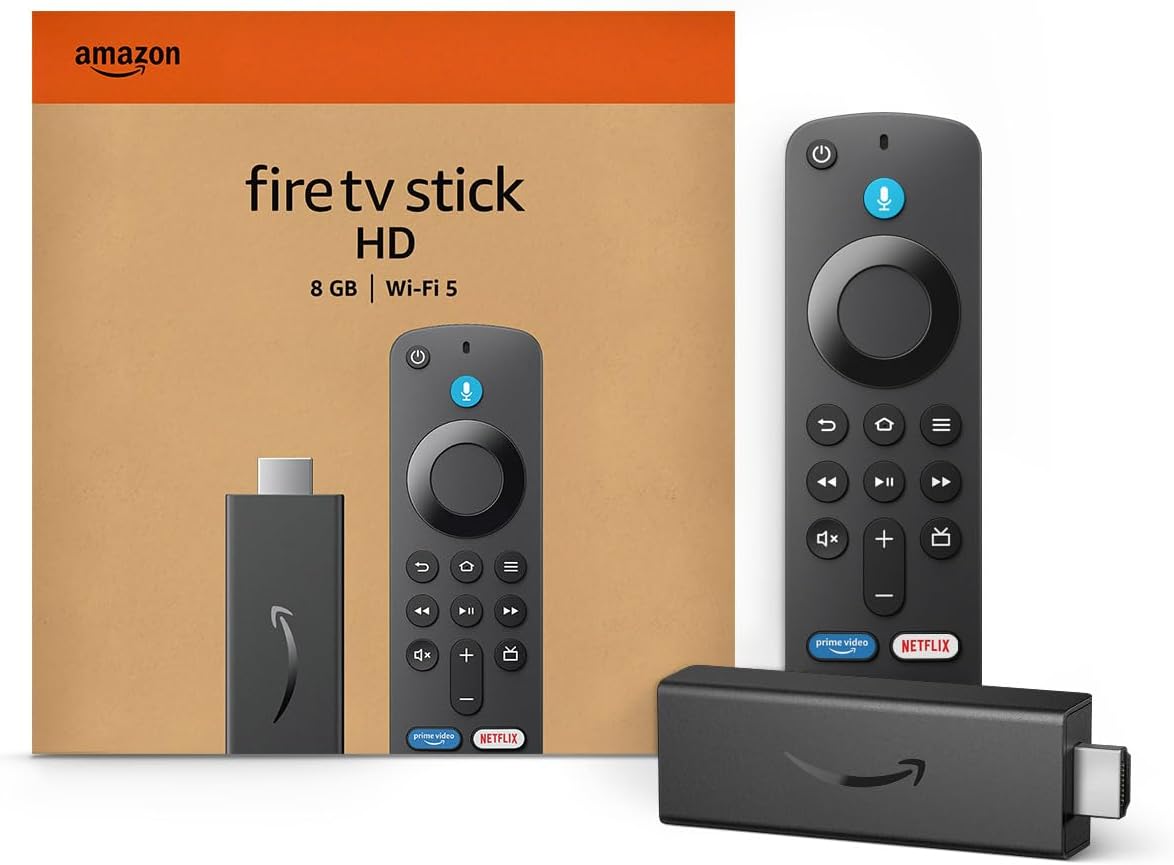
Amazon Fire TV Stick HD
Turn Any TV to a Smart TV. Stream Netflix, Prime Video & More. Alexa Voice Remote Included. Easy Plug & Play Setup.
Shop on AmazonBoth brands have made significant improvements. Understanding their strengths and trade-offs will help you pick the TV that fits your needs and budget.
The differences become clearer once you look at picture quality, software, and warranty support. Knowing these details will help you find a TV that matches your viewing habits and expectations.

Core Differences Between Samsung and Hisense TVs
When choosing between Samsung and Hisense TVs, you will notice clear distinctions in their market standings, pricing strategies, and physical qualities. These differences impact what you get for your money and how the TV fits into your space and lifestyle.
Brand Reputation and Market Position
Samsung has built a strong reputation over decades as a global leader in TV technology. Their focus on innovation, consistent quality, and cutting-edge features makes Samsung TVs a popular choice for those seeking longevity and premium performance.
Samsung invests heavily in research and development to maintain its edge, particularly in display technologies like QLED and QD-OLED. Hisense, while a younger brand internationally, has gained traction by offering competitive technology at lower prices.
It is recognized for closing the quality gap with premium brands and becoming a value-oriented alternative in many markets. Hisense is more aggressive in pricing and targeting budget-conscious consumers who want features like mini-LED and Dolby Vision HDR without a premium price tag.
Price Range and Value Proposition
Samsung TVs generally cover a wide price range, from affordable entry models to ultra-premium flagship sets priced significantly higher. Their premium models justify these prices with advanced displays, refined software, and a polished smart TV experience via Tizen OS.
This can be worth it if you prioritize build quality and long-term reliability. Hisense TV models focus mainly on value.
At similar price points, Hisense often delivers more features, such as Dolby Vision support and local dimming, which Samsung sometimes limits to pricier models. For example, the Hisense U8N with mini-LED technology is priced well below comparable Samsung options, giving you strong picture quality and gaming features at a mid-range cost.
| Feature | Samsung TVs | Hisense TVs |
|---|---|---|
| Price Range | Low to Ultra-Premium | Budget to Mid-Range |
| Key Value Drivers | Innovation, Ecosystem, Reliability | Feature-rich, Affordable |
| Warranty | Standard 1-year | Up to 3 years on premium models |
Design and Build Quality
Samsung TVs are known for their sleek, premium designs. You’ll find metal accents, thin bezels, and thoughtful features like cable management and sturdy stands across most models.
Their high-end sets often double as lifestyle pieces, with designs that complement modern interiors. This attention to physical quality extends to mounting options and durability over time.
Hisense TVs tend to have a more utilitarian design, especially in their budget and mid-range models. Plastic materials are common, and bezels may be thicker.
Although recent Hisense premium models show improved aesthetics, their build still tends to lag behind Samsung’s refinement. If the look and feel of your TV are important for your living space, Samsung’s superior design may be more satisfying.
You should weigh how these design factors affect durability and ease of use before deciding which brand aligns more closely with your preferences.
For further detailed comparisons, visit this comprehensive analysis of Hisense vs Samsung TVs.
Display Technology and Picture Quality
When choosing between Samsung and Hisense, understanding their display technologies and how they affect picture quality is crucial. Factors like panel types, brightness, contrast, and HDR support all play significant roles in what you’ll experience on screen.
Panel Types: OLED, QLED, and ULED
Samsung is known for its advanced QLED and QD-OLED panels. QLED TVs use quantum dot technology to enhance brightness and color volume, while QD-OLED combines OLED’s self-emissive pixels with quantum dots for deeper blacks and richer colors.
Samsung’s flagship models like the S95F use QD-OLED, offering excellent motion handling and anti-glare coatings that reduce reflections. Hisense primarily uses ULED, a marketing term for their enhanced LED-LCD technology, often incorporating mini-LED backlighting to boost brightness and contrast.
Their U8N and U9N models feature mini-LED local dimming zones, which closely mimic OLED’s black level performance at a much lower price.
Brightness, Contrast Ratio, and Local Dimming
Samsung regularly pushes peak brightness in its flagship models, with mini-LED and QD-OLED sets reaching over 1,500 nits, allowing vivid HDR highlights. Their advanced local dimming provides precise control to minimize blooming and enhance dark scenes without sacrificing brightness.
Hisense’s mini-LED implementations, such as in the U8N, deliver competitive peak brightness, often exceeding 1,200 nits, with effective local dimming zones that control light bleed and improve contrast. While Hisense budget models may struggle with contrast, their higher-end TVs provide strong black levels that rival Samsung’s mid-tier options.
| Feature | Samsung Flagship | Hisense U8N |
|---|---|---|
| Peak Brightness (nits) | 1,500+ (QD-OLED) | ~1,200 (mini-LED) |
| Local Dimming Zones | Numerous, precise | Effective, fewer |
| Contrast Ratio | Excellent (OLED + mini-LED) | Very good (mini-LED) |
Color Accuracy and Quantum Dot Technology
Samsung’s use of quantum dots in their QLED and QD-OLED panels provides wide color gamuts and high color volume, translating into vibrant and accurate color reproduction without oversaturation. Out-of-box color accuracy is among the best, especially in premium models, aided by advanced AI processing.
Hisense also integrates quantum dot layers into its ULED displays for vibrant colors. While color accuracy generally improves after calibration on Hisense TVs, Samsung’s processors typically offer better accuracy straight from the box.
Hisense’s mid-range models, such as the U7N, strike a good balance between cost and color performance.
HDR Standards: HDR10, HDR10+, and Dolby Vision
Samsung supports HDR10, HDR10+, and HLG but does not include Dolby Vision on any models. HDR10+ dynamically adjusts tone mapping scene-by-scene, enhancing HDR content when supported.
Hisense models, particularly in the mid-to-high range, support Dolby Vision HDR alongside HDR10 and HDR10+, offering broader compatibility with streaming content. This can improve dynamic range and color fidelity on content mastered for Dolby Vision.
If you value extensive HDR format support for streaming services like Netflix and Disney+, Hisense provides a clear advantage in this regard.
For more details on these differences, see Hisense vs Samsung TV detailed comparison.
Smart Features, Gaming, and User Experience
You want a TV that not only looks good but also offers a smooth, responsive interface and supports the latest entertainment and gaming needs. The choice of operating system, app availability, voice control options, and gaming technologies all shape your daily interaction with the TV.
Operating Systems: Tizen, Google TV, and VIDAA
Samsung TVs use the Tizen OS, which is known for its polished, fast, and intuitive interface. You get a responsive system with minimal lag and extensive customization options.
Tizen integrates well with smart home devices and supports voice assistants like Bixby, Alexa, and Google Assistant for easy control. Hisense employs VIDAA OS, which is simpler and user-friendly but less refined.
While VIDAA covers popular apps like Netflix and YouTube, it has fewer customization options. Some newer Hisense models also offer Google TV, providing broader app support and Chromecast functionality, making content casting effortless.
Choosing between these depends on how much you value a smooth, feature-rich smart experience. Tizen offers more frequent updates and better integration, while VIDAA keeps things straightforward and budget-friendly.
Streaming Apps and Voice Assistants
Samsung’s Tizen platform delivers access to a wide variety of streaming services, including Netflix, Disney+, YouTube, and many niche apps. You benefit from a large app library, ensuring you’re covered for current and new services.
Its voice assistant support covers Bixby, Alexa, and Google Assistant, enabling hands-free search and control. Hisense TVs with VIDAA give you the essential streaming apps, but the selection can be narrower, and app updates occur less frequently.
If your Hisense model has Google TV, app availability improves significantly, plus you gain built-in Chromecast support to stream from mobile devices effortlessly. Voice control is smoother and more integrated on Samsung TVs.
Hisense’s options are serviceable but can feel less responsive and less connected to smart ecosystems.
Gaming Features and HDMI 2.1
Samsung TVs stand out for gaming with features designed to optimize performance. Many support HDMI 2.1, enabling 4K at 120Hz, Variable Refresh Rate (VRR), and Auto Low Latency Mode (ALLM).
This combination reduces input lag and screen tearing, giving you smoother gameplay, especially on next-gen consoles. Hisense offers competitive gaming features in higher-end models but doesn’t consistently match Samsung’s performance levels.
Some Hisense TVs support HDMI 2.1 and basic VRR, yet refresh rates and response times can lag behind Samsung’s offerings. If gaming is a priority, Samsung provides a notably better experience through faster response, higher refresh rates, and more reliable low-latency modes.
Specialty Models and Unique Options
Certain TV models go beyond typical entertainment, blending seamlessly with your decor by doubling as art displays. These specialty models offer unique features that turn your screen into a dynamic gallery, shaped by distinct design philosophies, streaming platforms, and customizable options.
Samsung Frame TV and Art Mode
The Samsung Frame TV is designed for users who want a TV that visually disappears into their living space when off. Its flagship Art Mode uses a best-in-class matte anti-glare coating to eliminate reflections, creating a canvas-like appearance that looks like real art.
You get access to the Samsung Art Store, a paid subscription service offering thousands of works from museums such as MoMA and the Art Institute of Chicago. This catalog updates frequently, allowing your display to evolve with new exhibitions.
The Frame also offers a wide range of customizable bezels in styles like Modern or Beveled colors, with third-party frame options available. Sizes range from 32 to 85 inches, making it flexible for various room sizes and tastes.
Hisense Canvas TV and Art Store
Hisense’s Canvas TV offers a budget-friendly art TV experience with a simpler design approach. It includes a built-in free art library featuring mostly classic pieces by Monet, Klimt, and da Vinci, but lacks the variety and scale of Samsung’s subscription Art Store.
The Canvas TV uses an edge-lit panel and supports Dolby Vision, giving you nuanced HDR performance, though it’s more prone to glare in bright rooms compared to Samsung’s anti-reflective coating. It comes with one wood-look frame option and sizes from 55 to 85 inches.
Google TV powers the Canvas, giving you access to 800+ free channels and easy casting via Chromecast. Art customization options and frame choices are limited.
Lifestyle and Art TV Comparison
If your priority is a fully customizable display that closely mimics real artwork, Samsung’s Frame TV is the more premium solution. You benefit from advanced anti-glare tech and dynamic brightness adjustments.
The Frame TV also offers a constantly refreshed collection from globally renowned art institutions.
In contrast, Hisense’s Canvas TV suits those who want a straightforward, lower-cost model with a decent art mode and smart platform. It sacrifices deeper blacks, frame options, and extensive art catalogs for value and ease of use.
| Feature | Samsung Frame TV | Hisense Canvas TV |
|---|---|---|
| Art Library | Paid, expansive, museum-partnered | Free, smaller, classic-focused |
| Anti-Glare Coating | Industry-leading matte coating | Hi-Matte coating, more glare prone |
| Frame Options | Multiple styles, colors, third-party | Single wood-look frame |
| Smart Platform | Samsung Tizen with Apple AirPlay 2 | Google TV with Chromecast |
| Size Options | 32″ to 85″ | 55″ to 85″ |