
Your laptop keyboard has stopped cooperating. One moment you’re typing, the next moment keys are registering wrong characters, double-typing, or refusing to respond at all. It’s frustrating, disruptive, and threatens every deadline you have.
Most laptop keyboard malfunctions stem from either software conflicts, corrupted drivers, accessibility settings interference, or incorrect keyboard layouts, or physical hardware failures like stuck keys, liquid damage, ribbon cable disconnection, or worn-out key switches. You can diagnose the root cause yourself by testing the keyboard in BIOS, running Windows troubleshooters, checking Device Manager for driver errors, and inspecting keys for visible debris or spills.
This guide walks you through proven diagnostic steps to isolate software glitches from hardware defects, fix common configuration errors, and decide whether your keyboard needs professional repair or simple driver reinstallation.
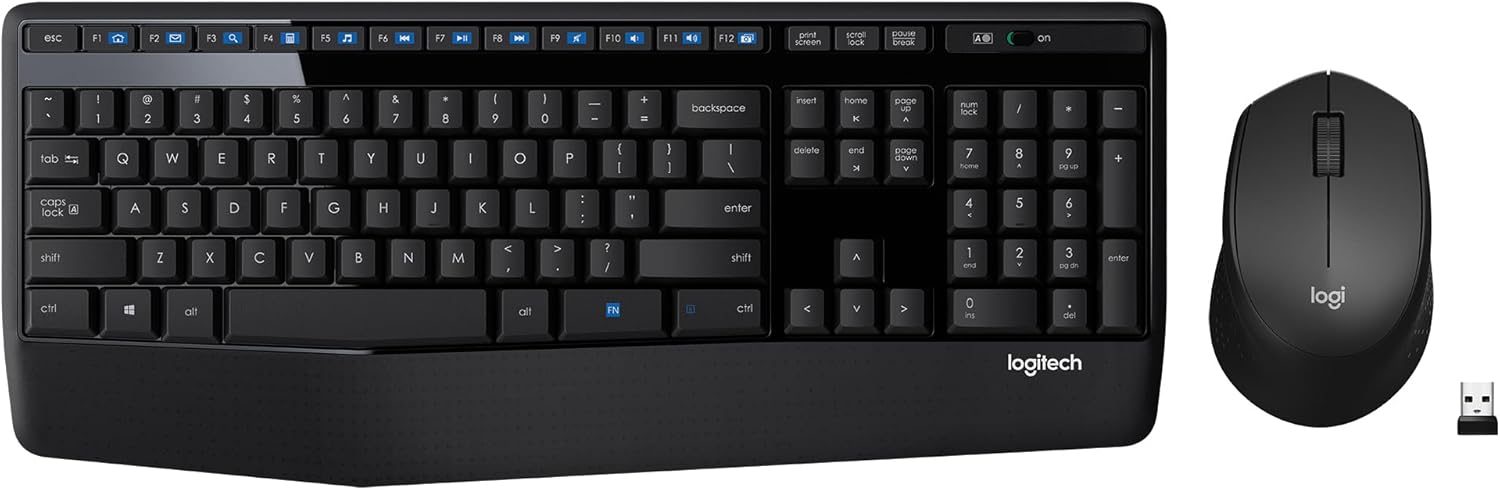
Best Wireless Keyboard and Mouse Combo
Logitech Comfortable Full-Size Keyboard with Palm Rest. Reliable 2.4GHz Wireless Connection up to 10m. Long Battery Life for Everyday Productivity.
Shop on Amazon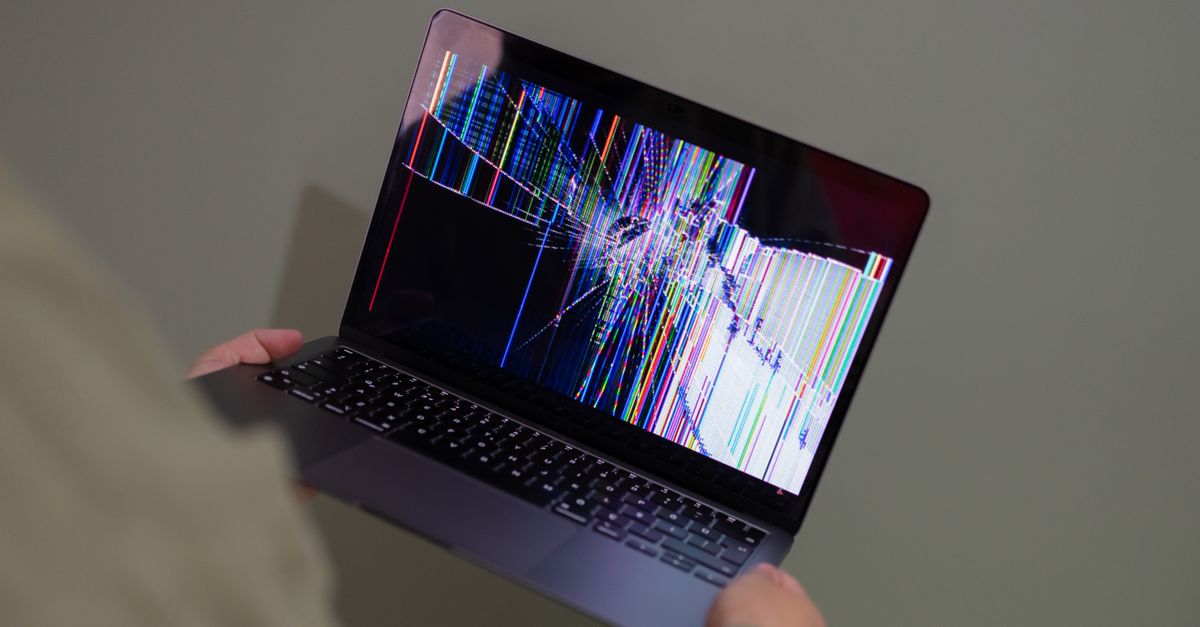
Key Takeaways
- Most laptop keyboard malfunction issues originate from either software conflicts like corrupted drivers and accessibility settings or physical hardware failures such as liquid damage and worn-out switches.
- Test your keyboard in BIOS to quickly determine whether the problem is a software configuration issue or a hardware defect—if it works in BIOS, your drivers or Windows settings need fixing.
- Run the Windows Keyboard Troubleshooter, check for incorrect keyboard layouts, disable Sticky Keys and Filter Keys, and reinstall HID keyboard drivers before assuming you need hardware repairs.
- Clean debris and spills safely using isopropyl alcohol and microfiber cloths; power off immediately after liquid exposure and let the laptop dry for 48 hours to prevent circuit damage.
- If you’ve exhausted all software fixes and your keyboard still malfunctions, contact your manufacturer’s technical support to explore warranty coverage or cost-effective keyboard replacement options.
- Prevent future laptop keyboard malfunction by keeping liquids away, updating drivers regularly, and cleaning your keyboard monthly with compressed air.
Quick Checks to Restore Typing
Restart the Laptop and Disconnect Accessories
Your first move is simple: restart your laptop. Many transient keyboard glitches resolve after a fresh boot because the operating system reloads keyboard drivers and clears temporary input conflicts. Before you restart, disconnect all external peripherals, USB mice, gaming controllers, external keyboards, and docking stations. Sometimes these accessories create input conflicts that freeze your built-in keyboard.
If your keyboard works normally after the restart, the problem was likely a software hiccup or a conflicting accessory. If keys still fail or type incorrectly, continue to the next diagnostic step.
Use an External or On-Screen Keyboard
Plug in a wired USB keyboard to test whether your laptop’s input subsystem is functioning. If the external keyboard works perfectly, your laptop’s built-in keyboard is the problem, not Windows. You can also enable the on-screen keyboard by pressing Windows + Ctrl + O or searching “On-Screen Keyboard” in the Start menu. This lets you continue working while you troubleshoot.
The on-screen keyboard confirms whether the issue is isolated to the physical keyboard hardware or affects all input methods. If typing on the external or on-screen keyboard produces identical errors, you’re dealing with a system-wide software configuration problem, not a hardware defect.
Check Connections, Bluetooth, and Battery Life
For wireless or Bluetooth keyboards, verify the battery level and connection status in Windows Settings. Dead batteries or weak Bluetooth signals cause intermittent key presses and lag. Built-in laptop keyboards connect via a delicate ribbon cable: if you recently opened your laptop for upgrades or cleaning, that cable may have come loose.
Inspect the ribbon cable connection carefully if you’re comfortable opening your laptop chassis. A partially disconnected ribbon cable causes sporadic key failures, entire rows of dead keys, or phantom keypresses. Reseat the cable gently and ensure the locking tab clicks into place.
Test Num Lock, Function Lock, and Stuck Keys
Some laptop keyboards have a Num Lock function that converts letter keys into a numeric keypad. Press Fn + Num Lock to toggle it off. If you’re typing numbers instead of letters, Num Lock is the culprit. Similarly, Function Lock (Fn Lock) can invert the behavior of F-keys and media keys, causing confusion.
Physically stuck keys register continuous input or block nearby keys. Press each key firmly a few times to dislodge debris. You can test individual keys using a free tool like Keyboard Tester to identify which keys are unresponsive or repeating.
Identify Whether the Problem Is Software or Hardware
Test the Keyboard Outside Windows
Restart your laptop and enter the BIOS or UEFI setup screen (usually by pressing F2, Delete, Esc, or F10 during boot). If your keyboard works normally in BIOS, the hardware is fine, Windows settings or drivers are the issue. If keys fail in BIOS, you have a hardware defect.
This test isolates software from hardware because BIOS runs independently of Windows. It’s the fastest way to determine whether you need driver fixes or physical repairs.
Recognize Physical Damage, Spills, and Debris
Inspect your keyboard under good lighting. Liquid spills leave sticky residue, corrosion, or discoloration around key caps. Even small amounts of coffee, soda, or water can short circuits and cause erratic behavior. If you spilled liquid recently, power off immediately, flip the laptop upside down, and let it dry for 48 hours.
Dust, crumbs, pet hair, and debris accumulate under keys over time, blocking the mechanical switch or capacitive sensor. Compressed air can dislodge surface particles, but stubborn grime requires careful removal of the keycap and cleaning with isopropyl alcohol.
“Spilled half a cup of tea on my ThinkPad keyboard. Keys stuck for a week, then some stopped working entirely. Alcohol swap and patience brought most back.” via r/thinkpad
Use a Keyboard Test to Isolate Failed Keys
Visit Keyboard Tester or a similar online tool. Press every key and note which ones fail to register or produce the wrong character. If entire rows or columns don’t work, the ribbon cable or keyboard controller may be damaged. If only one or two keys fail, the switches themselves are likely worn out.
Keyboard testers help you document the exact failure pattern before you contact support or order replacement parts. Screenshot your results for reference.
Clean Keys Safely With a Microfiber Cloth
For sticky keys, dampen a microfiber cloth with 70% isopropyl alcohol, never use bleach, ammonia, or harsh solvents. Gently wipe the surface of each key and the gaps between them. For deeper cleaning, carefully pry off the keycap using a plastic spudger (never a metal tool) and clean the exposed switch.
Compressed air cans blow out loose debris without touching fragile components. Hold the laptop at a 75-degree angle and spray in short bursts, moving from top to bottom. Don’t shake the can or use it upside down, as this releases freezing propellant that can damage circuits.

Fix Windows Settings and Driver Problems
Run the Windows Keyboard Troubleshooter
Open Settings > System > Troubleshoot > Other troubleshooters and run the Keyboard troubleshooter. Windows scans for common driver conflicts, registry errors, and configuration problems, then applies automatic fixes. This tool resolves many software-related keyboard malfunctions in under two minutes.
If the troubleshooter reports “issues found and fixed,” restart your laptop and test the keyboard. If it finds no problems but your keyboard still fails, continue to driver and accessibility checks.
Review Layout, Language, and Accessibility Options
Incorrect keyboard layouts cause keys to type the wrong characters. Press Windows + Space to cycle through installed layouts, or go to Settings > Time & Language > Language & region to remove unwanted input methods. If you see multiple layouts (e.g., US and UK), delete the ones you don’t use.
Check your region settings to ensure Windows uses your actual keyboard layout. Mismatched layouts make symbols, punctuation, and special characters appear in unexpected places.
Turn Off Sticky Keys and Filter Keys
Windows accessibility features like Sticky Keys and Filter Keys alter keyboard input behavior. Sticky Keys lets you press modifier keys (Shift, Ctrl, Alt) sequentially instead of simultaneously, causing unexpected capitalization or command triggers. Filter Keys ignores brief or repeated keypresses, leading to missed inputs.
Disable both in Settings > Accessibility > Keyboard. Toggle off Sticky Keys, Filter Keys, and Toggle Keys. Also disable the shortcut that activates Sticky Keys by accident (pressing Shift five times).
“My laptop keyboard kept missing every third letter. Turned off Filter Keys and boom, instant fix. Had no idea it was even enabled.” via r/Windows10
Reinstall the HID Keyboard Device
Open Device Manager (right-click Start and select it from the menu). Expand Keyboards, right-click your HID Keyboard Device or Standard PS/2 Keyboard, and choose Uninstall device. Check the box to delete the driver software, then restart your laptop. Windows automatically reinstalls the driver on boot.
Corrupted or outdated keyboard drivers cause erratic input, key chatter (double-typing), and unresponsive keys. Reinstallation replaces damaged driver files with clean copies from Windows Update.
Install Windows and Manufacturer Driver Updates
Visit your laptop manufacturer’s support site (Dell, HP, Lenovo, ASUS, etc.) and download the latest chipset and keyboard drivers for your exact model. Install them manually, then restart. Also check Settings > Windows Update for pending system updates, which often include driver patches.
Manufacturer-specific drivers optimize keyboard performance for proprietary features like custom function keys, RGB backlighting, and macro programming. Generic Windows drivers may not fully support these features.
When to Repair or Contact Support
Signs the Keyboard Needs Professional Repair
If you tested the keyboard in BIOS and it failed, cleaned all keys, reinstalled drivers, and disabled accessibility settings, yet keys still don’t work, you have a hardware defect. Common culprits include a damaged ribbon cable, failed keyboard controller chip, or worn-out membrane switches.
Multiple dead keys in a row or column indicate ribbon cable failure. Random, sporadic failures across the entire keyboard suggest controller chip damage. Individual stuck or unresponsive keys mean the switches themselves are worn out. Any of these scenarios require component-level repair or full keyboard replacement.
Use Warranty Coverage and Technical Support
Check your laptop’s warranty status on the manufacturer’s website. Many brands offer one to three years of hardware coverage that includes keyboard replacement at no cost. Contact technical support via live chat, phone, or email, and describe your troubleshooting steps in detail.
Manufacturers may send a technician to your location or provide a prepaid shipping label for mail-in repair. If your warranty expired, ask for out-of-warranty repair quotes. Sometimes replacing the keyboard assembly costs less than buying a new laptop, especially for premium models.
Prevent Future Input Problems
Keep liquids away from your laptop. Use a spill-resistant keyboard cover for added protection in coffee shops or shared workspaces. Clean your keyboard monthly with compressed air and a microfiber cloth to prevent debris buildup.
![Green Onions Supply[3 Pack] Universal Fully Covered Flat Style 0.025mm Wipeable Superb Tactile Feeling Waterproof Anti-Dust Keyboard Cap Cover for Desktop Keyboard with Numeric Hospital/Dentist Use](https://m.media-amazon.com/images/I/419QgtV8jDL._SS500_.jpg)
Update Windows and manufacturer drivers regularly to avoid software conflicts. Avoid eating over your keyboard, and store your laptop in a protective sleeve when traveling to prevent physical damage.
Frequently Asked Questions
What are the most common causes of laptop keyboard malfunction?
Laptop keyboard malfunctions stem from software issues like corrupted drivers, incorrect layouts, or accessibility settings interference, as well as hardware problems such as stuck keys, liquid damage, ribbon cable disconnection, or worn-out switches. Testing in BIOS and using external keyboards helps isolate the cause.
How can I test if my laptop keyboard problem is software or hardware?
Restart your laptop and enter BIOS (usually F2, Delete, or F10 during boot) without loading Windows. If the keyboard works in BIOS, it’s a software issue. If it fails in BIOS, you have a hardware defect requiring professional repair or replacement.
What should I do if I spilled liquid on my laptop keyboard?
Power off immediately and flip the laptop upside down. Let it dry for 48 hours. Liquid spills can short circuits and cause erratic behavior. If keys remain stuck or unresponsive after drying, seek professional repair to prevent corrosion damage.
How do I disable Windows accessibility features that interfere with keyboard input?
Go to Settings > Accessibility > Keyboard and turn off Sticky Keys, Filter Keys, and Toggle Keys. These features can cause missed inputs, unexpected capitalization, or ignored keypresses. Also disable the shortcut that accidentally activates Sticky Keys by pressing Shift five times.
Can a loose ribbon cable cause keyboard keys to stop working?
Yes. If you recently opened your laptop for upgrades, a partially disconnected ribbon cable causes sporadic key failures, entire rows of dead keys, or phantom keypresses. Carefully reseat the cable and ensure the locking tab clicks into place to restore function.
When should I replace my laptop keyboard instead of troubleshooting it?
Replace the keyboard if BIOS testing confirms hardware defects, multiple dead keys appear in rows or columns, or individual switches are worn out after cleaning and driver reinstallation. Check warranty coverage first; many manufacturers offer free keyboard replacement within one to three years.
Read More:
- Laptop Keyboard Lights Up But Screen Stays Black (Quick Fix Guide)
- Laptop Keyboard Mouse Not Working (Here’s the Fast Troubleshooting)
- Laptop Keyboard Keeps Spamming a Key (Causes and Quick Fixes Explained)
- Laptop Keyboard Not Working (Complete Fix Guide for All Brands)
- Letters Keyboard Not Working? 7 Proven Fixes to Get You Typing Again
- Some Laptop Keys Not Working? Quick Fixes That Really Work