

If your Lenovo laptop is not booting, the issue could stem from several common causes such as a faulty charger, battery problems, or software errors. The most direct way to address this is by systematically checking your power supply, battery health, and attempting a reset using the emergency reset hole if available.
These steps often resolve the majority of boot problems without needing professional repair. You might also encounter issues like corrupted files or hardware faults that prevent startup.
Knowing how to recognize and troubleshoot these problems early can save you time and frustration. This guide will help you identify the root of the problem and provide clear solutions to get your Lenovo laptop running again.
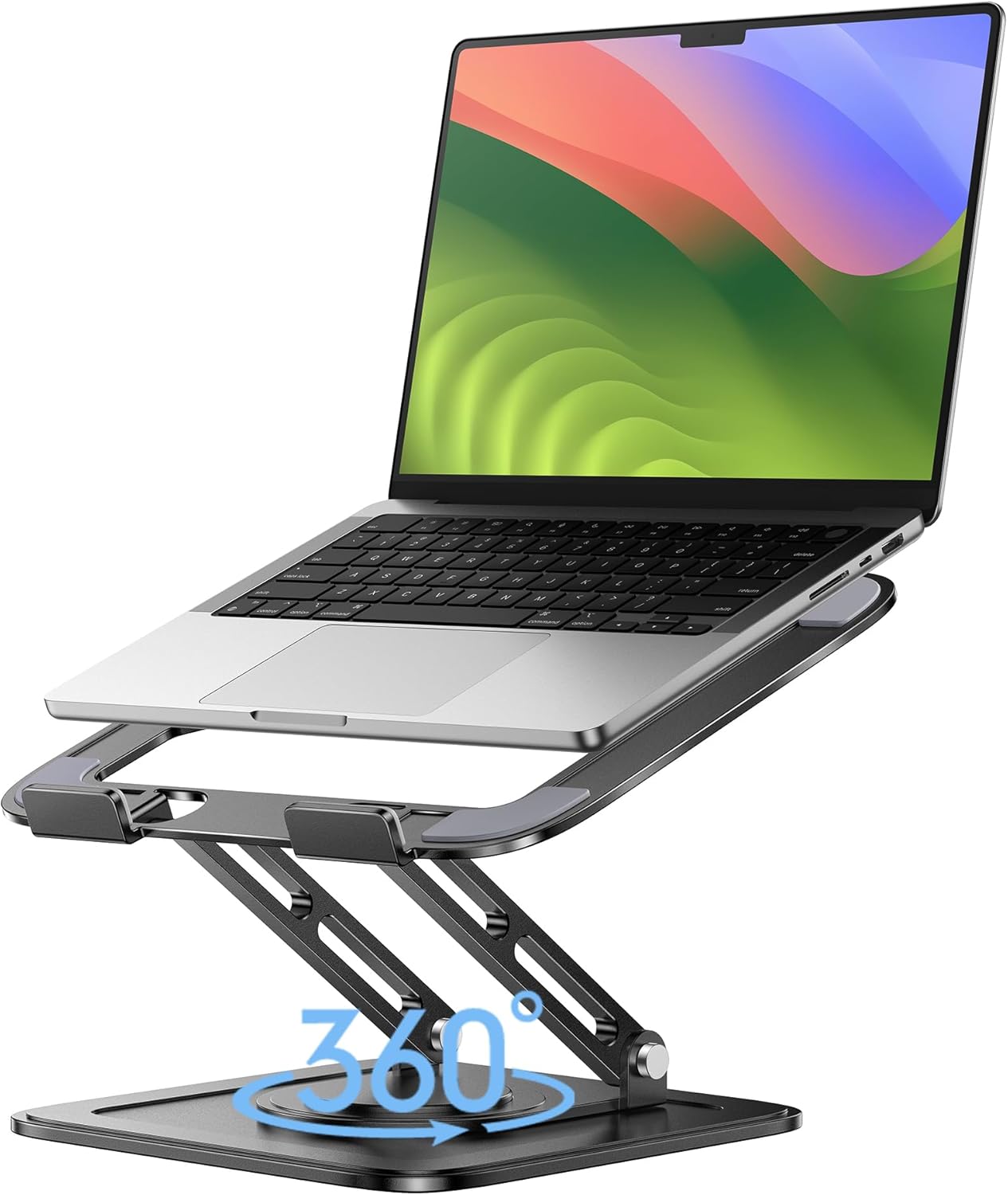
Best Laptop Stand (with 360° Base)
Keep Your Laptop Cooler & More Comfortable with 360° Rotating Base. Improve Airflow & Reduce Heat. Adjustable Height & Viewing Angle.
Shop on AmazonUnderstanding why your laptop won’t boot and what to do next can make a big difference, especially if you rely on your device for work or personal tasks. By following simple, practical steps, you improve your chances of resolving the issue quickly.
For detailed troubleshooting advice, see this Lenovo laptop won’t turn on guide.

Fundamental Causes of Lenovo Laptop Not Booting
When your Lenovo laptop fails to start, the cause often lies within specific components tied to power, firmware, storage, or software. Identifying the root issue quickly lets you apply the right solution without unnecessary troubleshooting steps.
Battery and Power Supply Issues
A common cause for a Lenovo laptop not booting is power-related problems. Your laptop may have a dead battery that no longer holds a charge, preventing startup.
Even if you connect the power cord and adapter, a faulty or damaged adapter or power cable can interrupt the power supply. Check if the power indicator light is on when connected to power.
If not, try a different outlet or adapter to rule out external issues. Removing the battery and powering your laptop on with just the adapter can also help identify if the battery is the problem.
Power supply issues often result in no response when pressing the power button or very brief flashes of the screen before shutting off. These symptoms indicate the need to test your charger and battery or replace them if necessary.
For details, see power troubleshooting tips for Lenovo laptops that won’t turn on.
Corrupted BIOS or Firmware
The BIOS controls basic hardware initialization during boot. If your Lenovo laptop’s BIOS or firmware becomes corrupted, it can prevent the laptop from passing the startup process.
You might see no display or an error message during boot. Firmware corruption can happen due to interrupted updates or hardware failures.
Resetting the BIOS to default settings by entering its setup (usually by pressing F2 on startup) often resolves simple corruption. If that fails, you may need to update or reflash the BIOS using a USB recovery tool.
Be cautious when adjusting BIOS settings, as incorrect configurations can worsen boot issues. If the boot order is set wrong, your Lenovo may try to boot from an empty or unbootable source, causing a failed start.
Storage or Hard Drive Failures
Your laptop’s hard drive or solid-state drive (SSD) stores the operating system essential for booting. A failing or damaged drive can stop Windows 10, Windows 8, or Windows 7 from loading, resulting in repeated boot failures or system freezes on the boot screen.
Physical damage, corrupted sectors, or a loose connection between the drive and motherboard can cause this issue. You might hear unusual noises or notice failure messages during startup.
Testing the drive through Lenovo’s diagnostic tool can help determine if a replacement is necessary. If the hard drive has failed, you will need to replace it and reinstall the operating system.
Always back up your data regularly to avoid data loss when faced with storage failures.
Software and Operating System Corruption
A corrupted operating system often causes boot issues on Lenovo laptops. System files essential for booting Windows may be damaged by malware, improper shutdowns, or failed updates.
Symptoms can include hanging on the Lenovo logo, repeated restarts, or error messages about system files. You can try booting into Safe Mode by pressing F8 during startup to repair or remove recently installed drivers or software.
If Safe Mode doesn’t work, performing a system restore or reinstalling Windows might be necessary. Before reinstalling, back up your files if possible, especially when working with Windows 7 or Windows 8 systems.
These steps can fix corrupted bootloaders or system partitions preventing normal startup. For step-by-step guidance, see Lenovo laptop troubleshooting for non-boot issues.
Step-by-Step Troubleshooting Process
When your Lenovo laptop fails to boot, it’s important to isolate the cause systematically. Power issues, battery condition, connected devices, and software conflicts are common factors to check.
Each step helps you identify whether you need a simple restart, hardware replacement, or deeper diagnostics.
Performing a Hard Reset and Power Cycle
Start by completely draining any residual power by performing a hard reset. Disconnect your laptop from the power adapter and, if removable, take out the battery.
Next, press and hold the power button for about 45 seconds. This step clears any electrical charge trapped in the circuitry that may block startup.
After waiting at least two minutes, reconnect the battery and power cable. Press the power button to turn on your laptop.
This process addresses common power supply problems and fixes around 40% of boot failures on Lenovo laptops, including ThinkPad models.
Checking Power Cord and Battery Health
A faulty power adapter or battery is often the root cause if your Lenovo laptop won’t boot. Begin with a visual check: ensure the power adapter LED lights steadily and the cord is free from bends, cuts, or fraying.
If possible, test the adapter with a multimeter to verify voltage output matches the laptop’s requirements. For removable batteries, remove it and try powering the laptop with the adapter alone.
If your laptop powers on, the battery likely needs replacement. For laptops with built-in batteries, use Lenovo’s battery health tools or Windows powerreport commands to check battery status.
A dead or failing battery often causes boot issues, especially when the laptop only works plugged in.
Inspecting for Faulty Peripherals and External Devices
External devices can interfere with the boot sequence or cause your Lenovo laptop to hang during startup. Disconnect all USB devices, external monitors, and peripherals.
If your laptop boots normally without them, reconnect each device one at a time to identify the culprit. Faulty or incompatible peripherals may cause driver conflicts affecting boot performance.
Additionally, check for physical damage to ports and clean dust from connectors. Removing unnecessary accessories simplifies troubleshooting and prevents external hardware from masking power or boot problems.
Booting into Safe Mode or Lenovo Diagnostics Tool
If your Lenovo laptop powers on but stalls during boot, start by accessing Safe Mode. Repeatedly press F8 during startup until the boot menu appears, then select Safe Mode to load minimal drivers.
This allows you to uninstall problematic drivers or recent updates that may cause boot loops on Windows. If Safe Mode is inaccessible, use Lenovo’s built-in diagnostics tools.
Models like ThinkPad include hardware tests accessible via pressing F10 or using the Novo button on IdeaPad devices. Running these diagnostics can pinpoint hardware failures such as bad memory, storage, or motherboard issues, helping you decide whether a repair or replacement is needed.
Fixes for Persistent Boot Issues
When your Lenovo laptop fails to boot normally, addressing firmware settings, repairing boot files, or restoring the operating system are crucial steps. These actions often require technical tools and careful handling to avoid data loss.
Resetting or Recovering the BIOS
If your laptop can’t get past startup, resetting the BIOS to its default settings is a fundamental step. Enter the BIOS menu by restarting and pressing F1 or F2 key depending on your model.
Once inside, locate the option labeled Load Setup Defaults or Factory Default, then save and exit. Resetting the BIOS can correct misconfigured boot orders or hardware misdetections causing boot failures.
Be sure to check the boot priority after reset to ensure your internal hard drive is first. If reset doesn’t help, you might consider updating or reflashing the BIOS using Lenovo’s official update tool or documentation, but only if you suspect firmware corruption.
Repairing Boot Configuration with Bootrec.exe
The Windows-built-in tool, bootrec.exe, is effective for repairing corrupted boot records that block startup in Windows 10 and others. You must first create bootable installation media on a USB drive and boot from it.
After entering the recovery environment, open Command Prompt and run these commands one by one:
bootrec /fixmbrbootrec /fixbootbootrec /scanosbootrec /rebuildbcd
These repair the Master Boot Record (MBR), write a new boot sector, scan for installed OS, and rebuild the Boot Configuration Data (BCD). Use this method carefully, as incorrect commands can cause data issues.
Reinstalling or Repairing Windows
If boot issues persist after repairing the boot records, you may need to repair the Windows installation itself or perform a clean reinstall. Boot from a Windows 10 installation USB or DVD.
Choose Repair your computer > Troubleshoot > Advanced options > Startup Repair to fix system files without deleting data. If startup repair fails, select Install Now to reinstall Windows.
This process may erase your files if you do a full reinstall, so back up critical data if possible. Running Lenovo’s diagnostic tool beforehand can help determine if hardware faults contribute to the boot failure, potentially avoiding unnecessary OS reinstallation.
Factory Reset and OneKey Recovery Options
Lenovo laptops often include a recovery partition accessible via the OneKey Recovery button or specific boot key (usually F9). This option lets you restore your laptop to factory settings without needing external media.
To initiate, power off the device, then press the OneKey Recovery button. Navigate to the recovery menu and select System Recovery.
This process wipes user data but keeps the original OS intact and factory drivers installed. If OneKey Recovery isn’t available, you may reset the PC through Windows recovery by booting into Advanced startup options and choosing Reset this PC, with options to keep or remove personal files before reinstalling Windows.
When to Seek Expert Help and Additional Resources
If your Lenovo laptop continues to fail booting after basic troubleshooting, it’s important to recognize signs of deeper hardware issues and know where to turn for professional support. Timely action can prevent further damage and data loss, especially when your device is still under warranty or eligible for official repairs.
Identifying Hardware Failures
You should consider hardware failure if your laptop shows consistent symptoms like no power at all, unusual noises, repeated error beeps, or failure to pass BIOS diagnostics.
Components such as the motherboard, RAM, or hard drive can be at fault.
Look for these key indicators:
- No lights or fan activity when pressing power.
- Beep codes or blinking LEDs when booting.
- System freezing before showing logos.
- Visible damage inside (if you open it carefully).
Attempting repairs without experience can cause more harm. If these signs appear, you should avoid further DIY fixes and seek expert assessment to accurately diagnose failing parts and prevent data loss.
Utilizing Lenovo Support and Warranty Services
If your Lenovo laptop is under warranty, contacting Lenovo support should be your next step. They provide official diagnostics and can authorize repairs or replacements at no extra cost for covered issues.
You can use your warranty by:
- Visiting Lenovo’s official support website for online troubleshooting and live chat.
- Running official diagnostic tools provided by Lenovo.
- Providing your serial number to check warranty status.
Lenovo support can also guide you through software recovery options or direct you to an authorized service center near an outlet or your location. Using authorized channels ensures repairs meet Lenovo’s standards and protect your warranty.
Engaging Authorized Service Centers and Forums
When professional repair is needed, authorized service centers offer reliable hardware fixes using genuine parts. They are trained specifically for Lenovo laptops, ensuring quality service and adherence to warranty terms.
You can find these centers listed on Lenovo’s support site by region. They are also available at physical retail outlets offering Lenovo services.
Lenovo user forums can be valuable when seeking advice or troubleshooting help from other users who may have faced similar boot issues. Forums often provide detailed, practical insights and community-tested fixes beyond official guidance.
Just remember to verify suggestions before applying them to avoid voiding warranties or causing damage.