
Last updated on April 6th, 2026 at 10:46 am
If your LG TV is not responding to the remote or buttons, it can quickly become frustrating and disrupt your viewing experience.
The most common causes are battery issues, interference between the remote and TV, or the remote needing to be reset or re-paired. Sometimes the problem lies in stuck or faulty buttons on the remote or TV itself, or the remote may not be properly registered with your LG TV. Checking the batteries, resetting the remote, or power cycling the TV can resolve many issues.
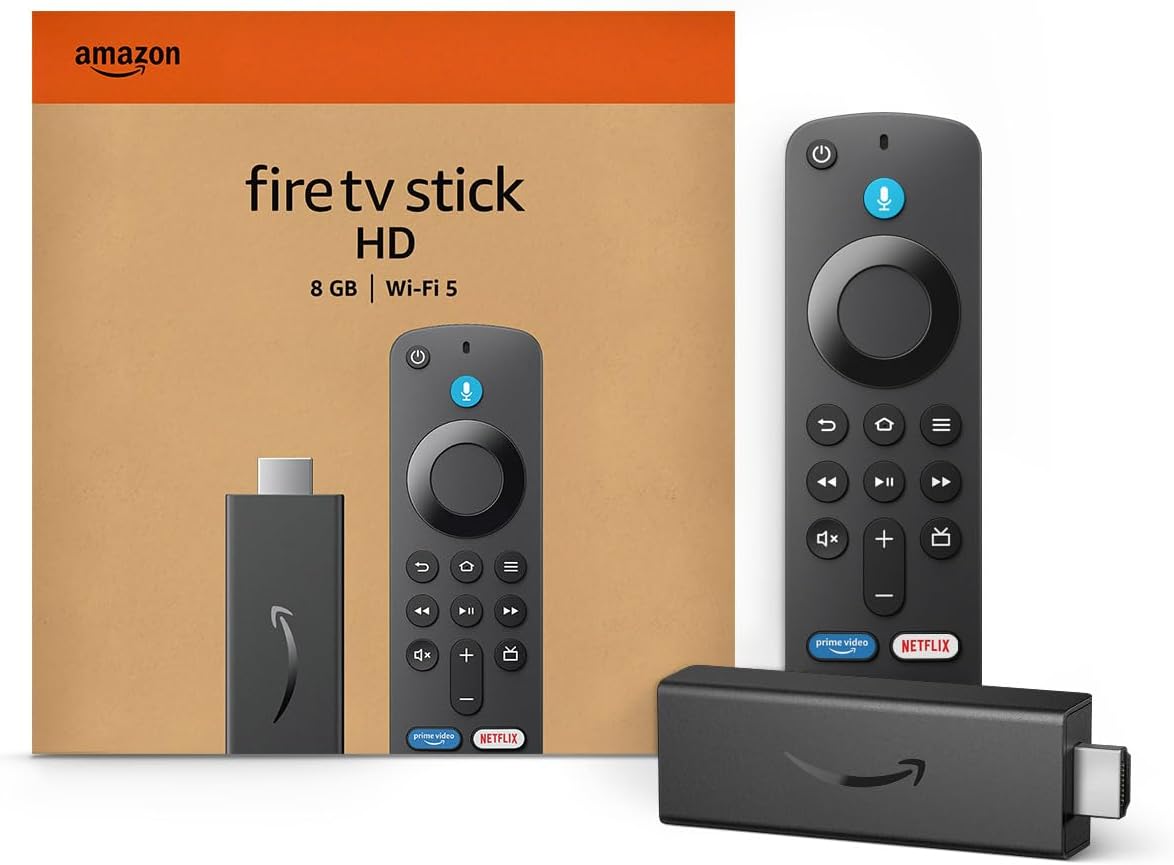
Amazon Fire TV Stick HD
Turn Any TV to a Smart TV. Stream Netflix, Prime Video & More. Alexa Voice Remote Included. Easy Plug & Play Setup.
Shop on Amazon
Key Reasons an LG TV Becomes Unresponsive
When your LG TV stops responding to the remote or buttons, several specific factors may be at play.
Issues with power supply, physical sensor blocks, electrical interference, or software glitches often cause this unresponsiveness.
Power Supply and AC Power Switch Issues
A common cause of unresponsiveness lies in the power supply or the AC power switch.
If your LG TV isn’t receiving steady power, it won’t respond to commands. Check that the power cord is firmly connected to both the TV and the wall outlet.
Sometimes, the issue stems from a faulty outlet rather than the TV itself. Many LG TVs have an AC power switch on the back or side. If this switch is off or loose, the TV won’t turn on or respond.
Ensure the switch is fully in the “on” position.
Additionally, power surges or fluctuations can damage internal components, causing the TV to freeze or ignore button presses.
If you notice intermittent power cycling or failure to turn on, power supply problems deserve close inspection.
Physical Obstructions and IR Sensor Problems
Your LG TV relies on an infrared (IR) sensor to receive remote commands. Physical obstructions can block this sensor, leading to remote unresponsiveness.
Objects placed in front of the TV, such as furniture, decorations, or even dust buildup, may interfere with the IR signal. Keep the area in front of the IR sensor clear. Sometimes, the sensor itself can become dirty or covered with grime.
Gently cleaning the sensor with a soft cloth can restore remote functionality.
Check also whether the remote’s IR emitter is working properly by testing it with another device or a smartphone camera.
Buttons on the TV itself may remain responsive even if the remote is blocked or damaged.
Interference from Ambient or Fluorescent Lamps
Ambient lighting, especially from fluorescent lamps, can cause interference with your LG TV’s IR sensor. The flickering of fluorescent lamps emits IR signals that can confuse or block the remote’s commands.
Similarly, other ambient light sources, including direct sunlight or LED bulbs, may cause similar issues. If your remote is unresponsive only in certain lighting conditions, try switching off fluorescent lamps or repositioning lamps away from the TV.
Using indirect lighting or changing the angle of the TV can help reduce interference.
This type of interference mostly impacts remote control operation and rarely affects buttons on the TV itself.
TV Software or Firmware Glitches
Software faults are another frequent reason your LG TV won’t respond.
Firmware bugs can cause the TV to freeze, ignore remotes, or become stuck on a particular screen. If you haven’t updated your TV lately, outdated software might be the culprit.
You can check for updates in your TV’s settings under General > About This TV. Installing the latest firmware often resolves many responsiveness issues.
If the TV becomes entirely unresponsive, a factory reset or power cycle (unplugging the TV for at least 60 seconds) may be necessary to clear glitches.
Always keep your TV software current to prevent malfunctions and improve compatibility with remote controls and other devices.
Diagnosing Remote and Button Failures
When your LG TV isn’t responding, the issue could stem from the remote control signal, power and connection problems in the remote, differences between remote types, or the physical buttons on the TV itself.
Knowing how to identify where the fault lies is essential to fix the problem efficiently.
Testing the Remote Control Signal
Start by checking if your remote is sending a signal to the TV.
You can do this by pointing the remote at a smartphone camera and pressing any button. If you see a flashing light through the camera, the remote is emitting an infrared (IR) signal.
For LG Magic Remotes, which use Bluetooth, ensure the remote is paired correctly. An unpaired remote won’t communicate with the TV even if buttons are pressed. If you notice no signal or irregular flashing, the remote may be faulty or require a reset.
Try resyncing the Magic Remote by pointing it at the TV and pressing the OK (scroll wheel) button.
If that fails, hold the Home and Back buttons simultaneously until the Power button LED blinks, indicating a reset attempt. If the signal test fails completely, consider battery or hardware issues.
Checking Remote Control Batteries and Battery Cover
One common cause of unresponsiveness is depleted batteries. Open your LG TV remote’s battery cover and inspect the batteries for leaks, corrosion, or low charge.
Replace old or weak batteries with new ones, making sure they fit properly with correct polarity (+ and -). Faulty or loose battery contacts can also prevent power flow, so ensure the battery cover clicks securely.
Because the LG Magic Remote uses a constant Bluetooth connection, it requires high-output power to stay paired; we recommend using Energizer Max AA Batteries because they are leak-resistant and provide the stable voltage needed to prevent the remote from randomly disconnecting during use.

A loose cover can interrupt battery connection.
For Magic Remotes, battery issues directly affect Bluetooth function. Always use fresh, good-quality alkaline batteries.
If the Power button LED on the remote doesn’t light up or blinks weakly, start with replacing the batteries before trying other fixes.
LG Magic Remote vs. Standard Remote
Your LG TV may use either a Magic Remote or a standard IR remote. Magic Remotes connect via Bluetooth and often include motion sensors and scroll wheels, while standard remotes rely on line-of-sight infrared signals.
Because the Magic Remote depends on pairing, if it loses connection, it won’t work until re-paired. Standard remotes don’t have this issue but are more sensitive to obstacles and interference.
If your Magic Remote fails, resyncing is often needed.
For standard remotes, replacing batteries and ensuring clear line-of-sight to the TV sensor is critical.
Knowing which remote type you have helps tailor troubleshooting steps and avoid unnecessary resets or replacements.
Physical Buttons on the TV Panel
If your remote seems fine but your LG TV still won’t respond, test the TV’s physical buttons.
These are usually on the side, bottom edge, or back panel. Press the Power, Volume, or Input buttons directly to see if the TV reacts. Non-responsive buttons might indicate hardware faults.
Keep the buttons clean and free from dust or debris, as buildup can cause poor contact.
If some buttons work and others don’t, individual button failures may need professional repair or replacement.
Using these buttons provides a backup method to control your TV while troubleshooting remote issues or waiting for repairs on unresponsive buttons.
For more ways to test and fix remote issues, see specific tips on how to troubleshoot your LG Magic Remote.
Step-by-Step Solutions to Restore Functionality
If your LG TV stops responding to the remote or buttons, start by checking power actions and resetting key settings.
Ensuring your remote is correctly connected and eliminating obstacles will often return behavior to normal.
Resetting Power and TV Settings
Begin by turning off your LG TV using the ac power switch or unplugging it from the outlet.
Wait at least 60 seconds to allow residual power to drain, then plug it back in. This power cycle can clear temporary glitches affecting responsiveness.
If the issue persists, perform a factory reset through the TV’s settings menu.
For models released after 2024, press the Settings button, navigate to General > System > Reset to Initial Settings, and follow on-screen prompts.
Choose whether to reset all settings or keep your network configuration. Be aware this will erase installed apps and personalized settings.
Use this method to resolve software-related errors and refresh the TV system when button presses or remote signals don’t register.
Re-pairing or Registering the LG Magic Remote
If you use an LG Magic Remote and it’s not working, it may need re-pairing.
Point the remote at the TV and press and hold the OK (wheel) button for about 5 seconds until a pairing message appears on the screen.
Alternatively, access the TV’s Settings, then Devices > Remote Control, and select Pair New Device if available.
Make sure the remote’s batteries are fresh, as low power reduces signal strength. Remember, pairing uses Bluetooth, so distance and obstacles matter.
Re-registering the remote often restores communication, fixing issues where buttons respond intermittently or not at all.
Eliminating External Interference
External factors can disrupt your remote’s signals.
Remove or relocate devices like fluorescent lights, wireless routers, or other electronics near your LG TV. These can generate electromagnetic interference causing your remote to stop working.
Check nearby objects that might block the remote signal, such as furniture or decorative items.
Also, avoid direct sunlight on the TV sensor.
If you use a universal remote, confirm it’s correctly programmed for your LG TV model to prevent signal conflicts. This ensures that external disturbances don’t prevent your remote or TV buttons from registering commands.
Cleaning and Unblocking the IR Sensor
The infrared (IR) sensor on your LG TV detects signals from traditional remotes.
Dust, dirt, or damage to this sensor can cause unresponsiveness. You should regularly clean the sensor area gently with a soft, dry cloth.
Inspect the sensor for cracks or obstructions. Avoid using liquids, which may harm the sensor’s electronics. If you notice persistent issues even after cleaning, the sensor might need professional repair.
Ensuring the IR sensor is clear and functional guarantees your remote’s signals are accurately received by the TV.
When and How to Replace or Repair Components
Knowing when to replace or repair parts connected to your LG TV remote or buttons can save time and frustration.
Some issues are easily fixed by swapping batteries or remotes, while others require hardware service or expert support.
Replacing Faulty Remotes or Batteries
If your remote is unresponsive and simple troubleshooting like checking the battery does not help, start by replacing the batteries with fresh, high-quality ones.
Low or dead batteries are the most common cause of remote failure. Use alkaline batteries and insert them correctly, observing polarity.
If the remote still doesn’t work, test it by pointing it at your smartphone camera to see if the infrared light blinks when pressing buttons. No light indicates a faulty remote.
If your original remote has failed the signal test or has a broken scroll wheel, upgrading to an official LG Magic Remote is the most reliable fix; it restores the motion-sensing pointer and voice command features that are often lost when using generic universal replacements.

For Magic Remotes, ensure it’s paired correctly to your LG TV.
If issues persist or the remote is physically damaged, replacement is the next step. Buying an official LG remote or a compatible universal remote can restore control.
Servicing TV Hardware or Contacting Support
If your LG TV buttons are unresponsive or only part of the remote functions fail, the issue may lie in the TV’s hardware or software. Start by performing a power reset: unplug the TV for a minute, then plug it back in.
For persistent button or sensor problems, check the TV’s settings for features like Quickstart+ that might interfere with remote response. If you suspect hardware malfunction such as a faulty infrared sensor on the TV itself, professional repair may be needed.
Contact LG customer support if your TV is under warranty. Authorized service centers can diagnose and repair internal issues beyond user repair abilities.