

Your Microsoft Surface mouse suddenly stopped responding, and you need it working again fast. Most Surface mouse problems can be fixed by checking the battery placement, re-pairing the Bluetooth connection, or updating your Windows drivers.
A non-working mouse disrupts your entire workflow. You might see the device listed in your Bluetooth settings but notice no cursor movement, or your mouse may not appear in the device list at all. Sometimes the buttons stop clicking properly or the cursor moves erratically across your screen.
This guide walks you through everything from simple battery checks to advanced troubleshooting methods. You’ll learn why your mouse stopped working and how to get it functioning again, whether you’re dealing with connection issues, power problems, or software conflicts.
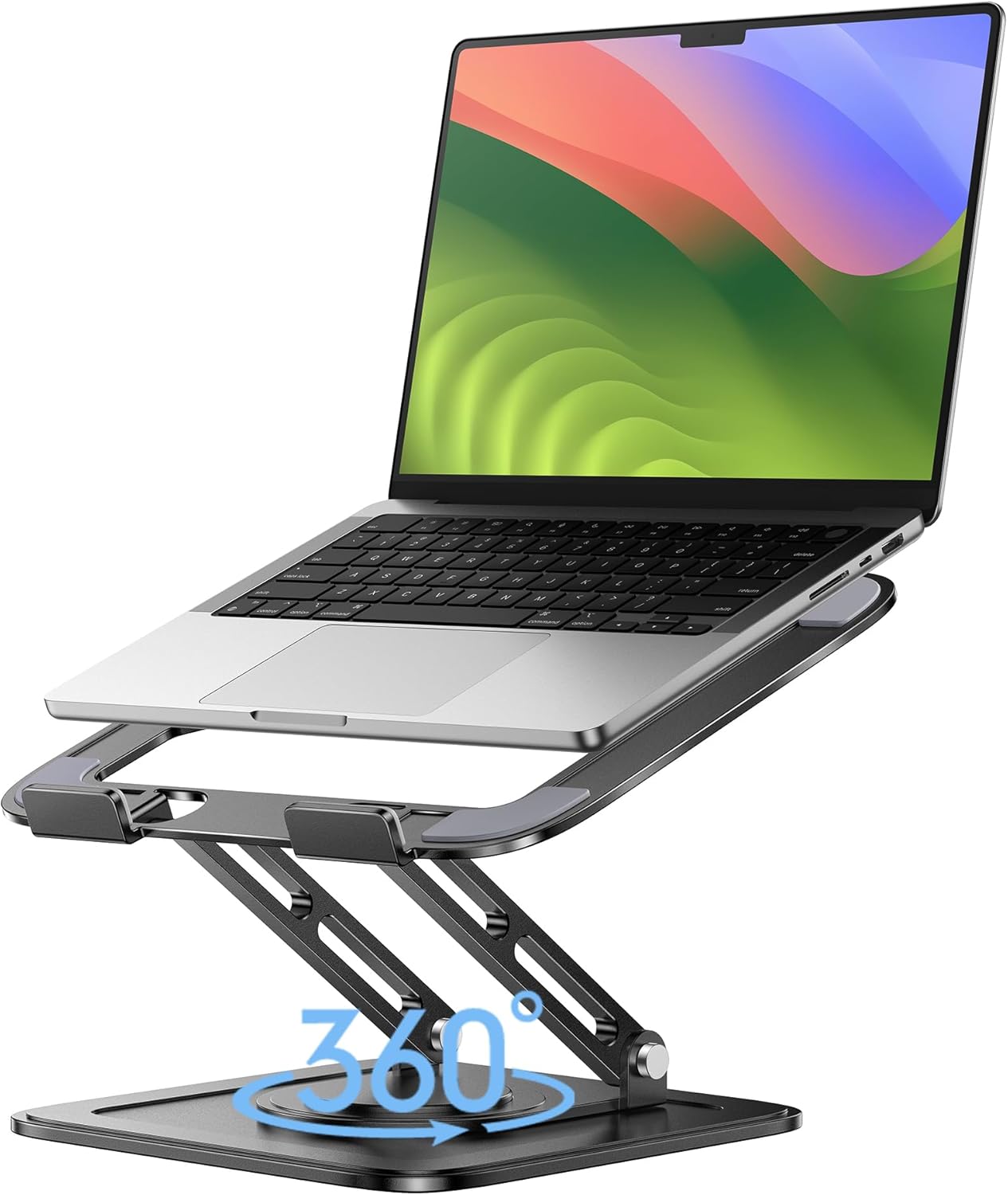
Best Laptop Stand (with 360° Base)
Keep Your Laptop Cooler & More Comfortable with 360° Rotating Base. Improve Airflow & Reduce Heat. Adjustable Height & Viewing Angle.
Shop on Amazon
Common Reasons Microsoft Surface Mouse Is Not Working
Your Surface mouse can stop working due to depleted batteries, Bluetooth pairing failures, or faulty USB connections. These issues often have straightforward fixes once you identify the root cause.
Battery and Power Issues
Dead or incorrectly installed batteries are among the most common reasons for mouse connectivity problems. You should open your mouse’s battery compartment and verify the batteries are positioned correctly with the positive and negative ends matching the diagram inside.
If your batteries are old, they may not provide enough power even if they seem partially charged. Replace them with fresh batteries to see if this resolves the issue.
For rechargeable Surface mice, use the original USB cable that came with your device. Third-party cables may not provide adequate charging power.
You can test if your mouse has power by pressing the pairing button for 5-7 seconds. If the indicator light blinks, your mouse has sufficient power. If nothing happens, your batteries need replacement or recharging.
Bluetooth Connection Problems
Your Surface mouse may fail to appear in your available Bluetooth devices list due to pairing issues or interference. Press and hold the pairing button on the bottom of your mouse for 5-7 seconds until the light blinks.
Navigate to Start > Settings > Devices > Bluetooth & other devices and ensure Bluetooth is turned on. Select Add Bluetooth or other device and choose your mouse from the list.
Having too many Bluetooth devices connected simultaneously can interfere with your connection. Disconnect other Bluetooth accessories temporarily to see if your mouse connects.
Your mouse may already be paired to another nearby computer. If this happens, remove the mouse from that device’s Bluetooth settings before attempting to pair it again.
Bluetooth mice enter hibernation mode after 8-10 minutes of inactivity. You might notice a brief delay when you first move your mouse after this period.
USB Receiver and Port Malfunctions
Wireless mice that use USB receivers can fail when the receiver is loose or the port is damaged. Remove the USB receiver and inspect both the receiver and port for visible debris or damage.
Try plugging the receiver into a different USB port on your Surface device. Some ports may provide better connectivity or more consistent power delivery than others.
The USB receiver should fit snugly in the port without wobbling. A loose connection can cause intermittent connectivity where your mouse works briefly then stops responding.
Physical obstructions between your mouse and receiver can block the signal. Keep the receiver plugged directly into your device rather than using USB hubs or extension cables when possible.
Initial Troubleshooting Steps
Before diving into complex solutions, a few basic checks can often resolve mouse connectivity problems quickly. Simple actions like restarting your device or testing for interference help identify whether the issue stems from your Surface or the mouse itself.
Restarting the Surface Device
A simple restart refreshes your device’s drivers and clears temporary glitches that may prevent your mouse from working properly. Close all open applications on your Surface before restarting, as too many running programs can interfere with your mouse connection.
Press and hold the power button on your Surface for about 10 seconds until the screen turns off. Wait a few seconds, then press the power button again to turn it back on. This complete power cycle gives your device a fresh start.
After your Surface boots up, check if your mouse responds. If you recently installed Windows updates, this restart is especially important since driver updates need a full restart to take effect. Your mouse may reconnect automatically once the system fully loads.
Testing the Mouse on Another Device
Testing your mouse with another PC helps determine if the problem lies with your Surface or the mouse hardware. If your mouse works on a different computer, your Surface likely has a software or settings issue.
Connect your mouse to another laptop or desktop computer using the same connection method. For Bluetooth mice, pair it with the other device following normal pairing steps. For wireless USB mice, plug the USB receiver into the other computer.
Move the mouse around and test all buttons and scroll functions. If everything works correctly on the second device, you can rule out hardware failure. However, if the mouse still doesn’t work on multiple devices, you may need to replace the batteries or consider that the mouse itself has failed.
Checking for Interference from Other Devices
Multiple Bluetooth devices connected at once can cause connection problems with your mouse. Turn off other Bluetooth devices connected to your Surface to see if performance improves.
Go to Settings > Devices > Bluetooth & other devices and review your connected devices. Temporarily disconnect speakers, headphones, keyboards, or game controllers that use Bluetooth. Leave only your mouse connected.
Wireless routers, cordless phones, and microwave ovens can also interfere with wireless mouse signals. Move your Surface away from these devices if possible. Keep your mouse within three feet of your Surface for the strongest connection, especially when using Bluetooth or wireless USB receivers.
Advanced Solutions for Persistent Mouse Issues
Driver updates, device re-pairing, Bluetooth adjustments, and system updates can resolve stubborn mouse connection problems that basic troubleshooting doesn’t fix.
Updating Mouse Drivers and Firmware
Outdated drivers often cause mouse connectivity issues on Surface devices. Windows Update handles most driver updates automatically, but you should manually check for updates if your mouse still doesn’t work properly.
Go to Start > Settings > Update & Security > Windows Update and select Check for updates. Windows will download and install any available driver updates for your mouse. After the update completes, restart your computer to ensure the new drivers load correctly.
You can also update Windows and Bluetooth drivers through Device Manager. Press Windows key + X and select Device Manager. Find your mouse under Mice and other pointing devices, right-click it, and choose Update driver. Select Search automatically for drivers to let Windows find the latest version.
For Surface-branded mice, check the Microsoft website for firmware updates specific to your model. These updates can improve performance and fix bugs that affect connectivity.
Reinstalling or Pairing the Mouse Again
Removing and re-pairing your mouse clears connection errors and establishes a fresh Bluetooth link. This step helps resolve conflicts and improve connectivity when other solutions fail.
Open Settings > Devices > Bluetooth & other devices. Find your mouse in the list of devices, click on it, and select Remove device. Confirm the removal and wait a few seconds.
Press and hold the pairing button on your mouse for 5-7 seconds. The pairing light should blink to show the mouse is ready to connect. On your PC, select Add Bluetooth or other device > Bluetooth and choose your mouse from the list.
If you have issues with mice randomly stopping, unpair all other Bluetooth devices first. Too many connected devices can interfere with your mouse connection. After pairing your mouse successfully, reconnect other devices one at a time.
Adjusting Windows Bluetooth Settings
Windows power settings can cause your mouse to disconnect unexpectedly. The system may turn off USB ports or Bluetooth to save battery power, which interrupts your mouse connection.
Open Device Manager and expand Universal Serial Bus controllers. Right-click each USB Root Hub entry and select Properties. Go to the Power Management tab and uncheck Allow the computer to turn off this device to save power. Repeat this for all USB Root Hub entries.
For Bluetooth mice, expand Bluetooth in Device Manager. Right-click your Bluetooth adapter, select Properties, and go to Power Management. Uncheck the power-saving option here as well.
You should also adjust your mouse cursor settings if the pointer moves too slowly or erratically. Go to Settings > Devices > Mouse > Additional mouse options > Pointer Options and adjust the pointer speed slider to your preference.
Performing a System Software Update
System updates include critical fixes for hardware compatibility and Bluetooth functionality. Running an outdated Windows version can prevent your mouse from working correctly.
Navigate to Settings > Update & Security > Windows Update and click Check for updates. Install all available updates, including optional updates that may contain driver improvements. Your computer will restart during this process.
After the update finishes, check if your mouse works properly. If you still have problems, restart your PC one more time. Restarting refreshes the drivers after updates install.
Surface device owners should also check for firmware updates specific to their Surface model. These updates optimize hardware performance and can fix mouse connectivity issues that Windows updates don’t address.
Additional Tips for Surface Mouse Reliability
Keeping your mouse sensors clean, managing battery power properly, and storing your device correctly can prevent most connection and performance problems.
Maintaining Clean Mouse Sensors
Dirt and debris on your mouse sensor can cause tracking issues and erratic cursor movement. Turn off your mouse and flip it over to access the sensor window on the bottom.
Use a dry microfiber cloth to gently wipe the sensor lens. Avoid using liquids or cleaning solutions that could damage the sensor. If you notice stubborn debris, use compressed air to blow it away from the sensor area.
Clean your mouse pad or work surface regularly too. Dust and particles from your desk can transfer to the mouse sensor and affect tracking accuracy. You should clean your mouse sensor every two to three weeks if you use it daily.
The tracking surface also needs attention. Wipe down the bottom of your mouse where it contacts your desk to remove oils and grime that build up from regular use.
Best Practices for Battery Life
Bluetooth devices enter hibernation after 8-10 minutes of inactivity to save power. This is normal behavior and helps extend battery life.
Check your battery levels regularly through your Windows settings. Go to Start > Settings > Devices > Bluetooth & other devices to view current battery status for connected devices.
Replace batteries before they run completely dead. Low battery power can cause connection drops and slow response times. Keep spare batteries on hand so you can swap them quickly when needed.
For mice with rechargeable batteries, use only the USB cable that came with your device. Third-party cables may not charge properly or could damage your mouse. Charge your mouse overnight when the battery indicator shows low power.
Turn off your mouse when you’re not using it for extended periods. This prevents unnecessary battery drain and extends the time between charges or battery replacements.
Safe Storage and Handling
Store your Surface mouse in a dry location away from extreme temperatures. Heat and humidity can damage internal components and affect Bluetooth connectivity.
Avoid dropping your mouse or placing heavy objects on top of it. Physical damage to the internal hardware can cause permanent connection problems. Transport your mouse in a protective case if you travel frequently.
Keep your mouse away from other electronic devices that might cause interference. Wireless routers, cordless phones, and other Bluetooth devices can disrupt the signal between your mouse and computer.
Don’t expose your mouse to liquids or moisture. If your mouse does get wet, remove the batteries immediately and let it dry completely for at least 24 hours before using it again. Water damage can short circuit the electronics and make your mouse unusable.