
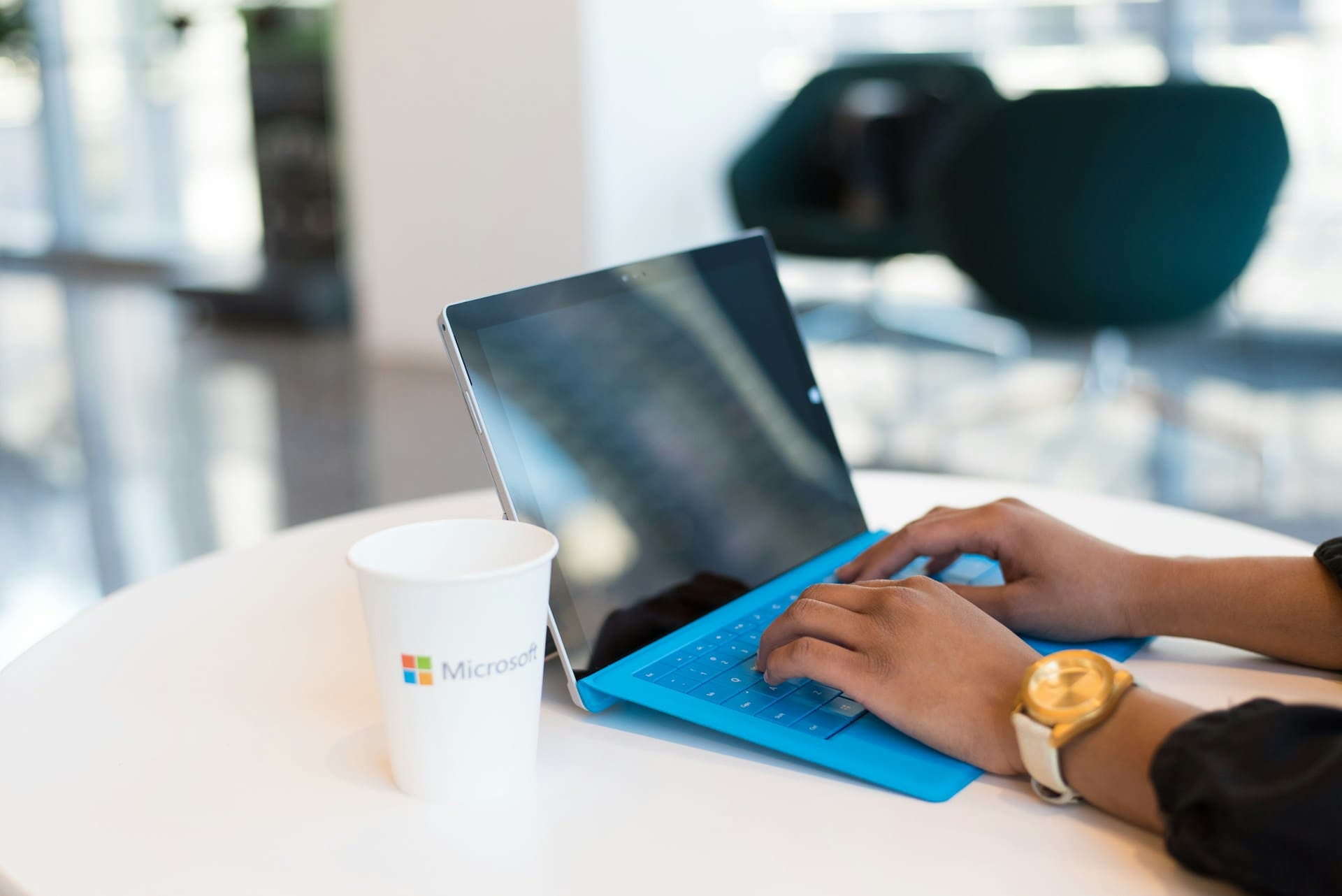
If your Microsoft Surface stops responding to touch, stay calm—you can often fix it yourself. Start with quick checks like force restarting the device and testing touch in UEFI to tell whether the problem is hardware or software.
If touch works in UEFI, the issue is likely a software or driver problem; if it doesn’t, you probably need service. (See Microsoft’s UEFI testing steps for guidance: https://support.microsoft.com/en-us/surface/how-to-fix-touch-issues-on-your-surface-touchscreen-01575279-71ab-637d-60f4-eac111ad703f.)
You’ll also try simple fixes that often work: reinstall the touchscreen driver, look for Windows and Surface updates, and run the Surface diagnostics. The article will walk through quick steps you can perform now, explain common software settings that break touch, and show how to run deeper diagnostics safely.
Best Laptop Stand (with 360° Base)
Keep Your Laptop Cooler & More Comfortable with 360° Rotating Base. Improve Airflow & Reduce Heat. Adjustable Height & Viewing Angle.
Shop on AmazonIf those steps don’t help, the post covers when to back up data and submit a service order or seek professional repair. You’ll learn which signs point to a hardware failure and which ones mean a fix is likely just a few clicks away.

Immediate Steps for a Unresponsive Microsoft Surface Touchscreen
Check the screen for visible damage, try a forced restart, and run quick driver and update checks. These steps separate hardware problems from software issues and help you decide if the device needs service.
Verifying Physical Damage and Debris
Look closely at the screen edges and back for cracks, dents, or bent corners. Small cracks or pressure points can disrupt touch sensors even if the display still shows an image.
Clean the screen with a soft, lint-free cloth and a tiny amount of water or 70% isopropyl alcohol. Wipe in straight strokes, not circles, and avoid getting moisture into ports or seams. Remove any screen protector and test touch again; protectors can trap dust or lift at the edges and cause ghost touches.
Check for debris around the bezel and in the case or Type Cover hinge. Metal dust, grit, or a warped case can press the screen and cause false or no touches. If you find liquid damage or large cracks, stop here and prepare for service.
Performing a Force Restart
Hold the power button for about 20 seconds until the Surface turns off, then release and press power once to restart. This clears temporary firmware and driver hangs that often foul touch input.
If your Surface has volume buttons, hold Volume Up + Power until the Surface logo appears, then release to enter UEFI. Test touch inside UEFI; if touch works there, the issue is likely Windows or the touchscreen driver. If touch fails in UEFI, the hardware likely needs repair.
After restart, reconnect any Type Cover, keyboard, mouse, or pen and test touch again. Note whether the problem returns immediately, intermittently, or only in certain apps.
Trying Basic Troubleshooting
Open Device Manager: expand Human Interface Devices, right-click any HID-compliant touch screen or Intel Precise Touch Device, and choose Uninstall. Then use Action → Scan for hardware changes or restart to let Windows reinstall the driver automatically. This often fixes driver corruption.
Check Windows Update and the Surface app for firmware updates and install any available patches. Also disable and re-enable the touchscreen in Device Manager if uninstalling feels risky. If you have a Surface with ARM-based Windows, avoid uninstalling drivers; use the Surface recovery options instead.
If touch behaves oddly after these steps—ghost touches, partial touch, or multi-touch failure—document when it happens and submit a service order for repair or guided diagnostics. For official guidance on initial checks and reinstalling touch drivers, see Microsoft’s troubleshooting page.
Common Software and Settings Causes
Software or settings problems often block touch input. Check recent updates, drivers, calibration, and power settings first to rule out reversible issues before assuming hardware failure.
Windows Updates and Driver Issues
Windows updates can change touchscreen drivers or firmware. If touch stopped after an update, open Device Manager and look under Human Interface Devices for HID‑compliant touch screen or Intel Precise Touch Device. Right‑click to update the driver or uninstall and then select Scan for hardware changes so Windows reinstalls the correct driver.
Also check Windows Update and the Surface app for firmware updates. Missing or outdated firmware can break touch even when drivers appear correct. If touch works in UEFI but not in Windows, that points to software, not hardware, so focus on drivers and recent system changes.
Touchscreen Calibration Problems
Calibration errors make touch register in the wrong spot or not at all. On Windows, search for Calibrate the screen for pen or touch input and follow the calibration wizard. Recalibrate after major display changes like external monitors or swapping display rotation.
If calibration options are greyed out, try reinstalling the HID touch driver first. Clean the screen and remove screen protectors before calibrating. Dirt or a warped protector can give false calibration results and cause “ghost” touches.
Power Management and Sleep Settings
Power settings can disable touchscreen devices to save battery. In Device Manager, open the properties of HID devices and uncheck Allow the computer to turn off this device to save power under the Power Management tab. That prevents sleep from cutting power to the digitizer.
Also review Windows power plans and advanced settings: set USB selective suspend to disabled and make sure the system isn’t applying aggressive battery saver modes. If touch fails after waking from sleep, update drivers and disable device power‑off options first, then test by putting the Surface to sleep and waking it again.
Advanced Diagnostics and Recovery
You will run firmware-level tests, try Windows restore or reset, and reinstall drivers safely. Each step helps identify whether the issue is hardware, software, or driver related.
Accessing UEFI for Hardware Tests
Shut down your Surface, then press and hold the Volume Up button. While holding Volume Up, press the Power button until the Surface logo appears. Release the buttons and you will land in the UEFI menu.
Use touch in UEFI to tap menus and move between screens. If touch does not work in UEFI, the touchscreen likely has a hardware fault and you should prepare a service order. If touch works in UEFI, the problem is probably caused by Windows or drivers, not the panel itself.
Note the UEFI firmware version and any diagnostic entries shown. If available, run built-in hardware tests. Document any error codes or odd behavior before you leave UEFI so you can report them when seeking repair.
Restoring or Resetting Windows
Back up your important files before making system changes. Use an external drive, OneDrive, or another cloud service to avoid data loss during restore or reset.
Open Settings > System > Recovery and choose either “Reset this PC” or use a System Restore point if one exists. Select “Keep my files” to preserve documents, or “Remove everything” only if you have a reliable backup. Follow on-screen prompts and let the Surface complete the process without interruption.
If you cannot boot to Windows, access Advanced Startup: hold Shift while selecting Restart or use the Windows Recovery Environment. From Troubleshoot > Advanced options you can run System Restore, Startup Repair, or choose Reset. Record any error messages you see during the process for support or repair requests.
Reinstalling Touchscreen Drivers
Connect a keyboard or mouse if touch is unreliable. Open Device Manager (type “device manager” in the taskbar search) and expand Human Interface Devices. Right-click HID-compliant touch screen and Intel Precise Touch Device (if present) and choose Uninstall device for each touchscreen entry.
After uninstalling, select Action > Scan for hardware changes or restart the Surface. Windows should reinstall the touchscreen drivers automatically when online. If the drivers do not reinstall, download the latest drivers and firmware for your model from Microsoft and manually install them.
Avoid uninstalling drivers on Arm-based Surface models unless you plan a full system reset. If reinstalling drivers does not restore touch, test touch in UEFI to confirm whether the fault is hardware-related before pursuing repair or parts replacement.
When to Seek Professional Repair or Support
If touch stops working after basic fixes, check warranty status and official repair paths first. Know the signs of hardware failure so you can decide whether to submit a service order or visit an authorized repair center.
Warranty and Microsoft Support Options
Check your device warranty and Microsoft account coverage before opening the device. If your Surface is under warranty or has Microsoft Complete, you can create a service order online, print a shipping label, or book in-person service through Microsoft. Expect to provide serial number, purchase date, and a description of the touchscreen problem when you start a repair request.
If your device is out of warranty, Microsoft shows repair pricing and options during the service flow. You can choose “send to Microsoft” for factory repair, or see if local authorized service providers offer lower cost or faster turnaround. For self-repair, Microsoft lists replaceable parts and guides, but note that certain models may lose software drivers if you uninstall them incorrectly.
Identifying Hardware Faults Requiring Repair
If touch fails in UEFI or shows ghost touches, dead zones, or parts of the screen that never respond, these point to a hardware fault. Also watch for touch that works in UEFI but not in Windows; that suggests a driver or software issue instead. Test by booting to UEFI and by checking Device Manager for missing or errored HID-compliant touch drivers.
Use these quick checks before repair: boot to UEFI and test touch, inspect screen for physical damage, and try reseating any recently replaced display or digitizer cables if you performed repairs. If problems persist after these checks, submit a service order or take the device to an authorized technician.
For Microsoft’s repair steps and to start a service order, see Microsoft’s guide on what to try if your Surface touchscreen doesn’t work (https://support.microsoft.com/en-us/surface/what-to-try-if-your-surface-touchscreen-doesn-t-work-01575279-71ab-637d-60f4-eac111ad703f).