
You press “5” on your keyboard and see “%”. You tap “3” and get “#”. Your number row has turned into a symbol factory, blocking you from entering PINs, passwords, or spreadsheet data. This frustrating issue affects millions of computer users daily, turning basic typing into a guessing game.
When your keyboard types symbols instead of numbers, the most common cause is an inverted Shift key state, either a physically stuck Shift key, enabled Sticky Keys or Filter Keys in accessibility settings, Num Lock confusion on numeric keypads, or a software conflict from key-remapping utilities like AutoHotkey or PowerToys. Hardware issues like liquid spills that stick the Shift switch, corrupted keyboard drivers, or incorrect regional keyboard layouts can also trigger this behavior.
The fix typically requires checking if your Shift key is mechanically stuck, toggling Num Lock if you’re using the number row instead of a separate numeric keypad, disabling Sticky Keys and Filter Keys under Windows Ease of Access or macOS Accessibility settings, uninstalling conflicting key-remapping software, updating or reinstalling your keyboard driver in Device Manager, and verifying your keyboard layout matches your physical keyboard’s language region. Below, we’ll walk through each troubleshooting step to restore normal numerical input.
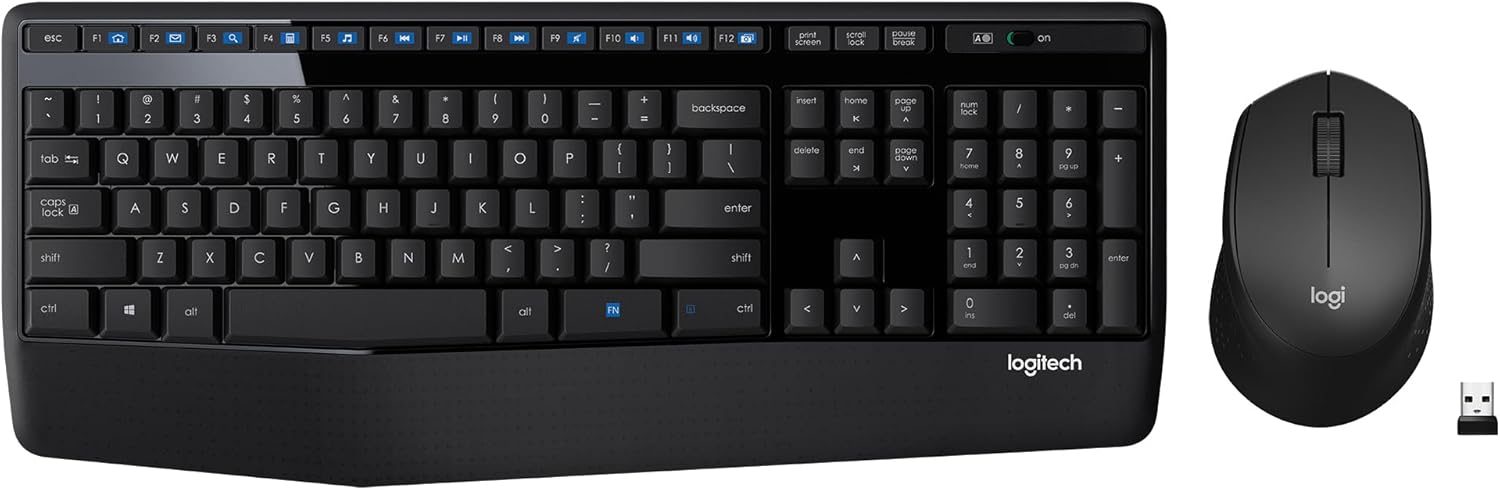
Best Wireless Keyboard and Mouse Combo
Logitech Comfortable Full-Size Keyboard with Palm Rest. Reliable 2.4GHz Wireless Connection up to 10m. Long Battery Life for Everyday Productivity.
Shop on Amazon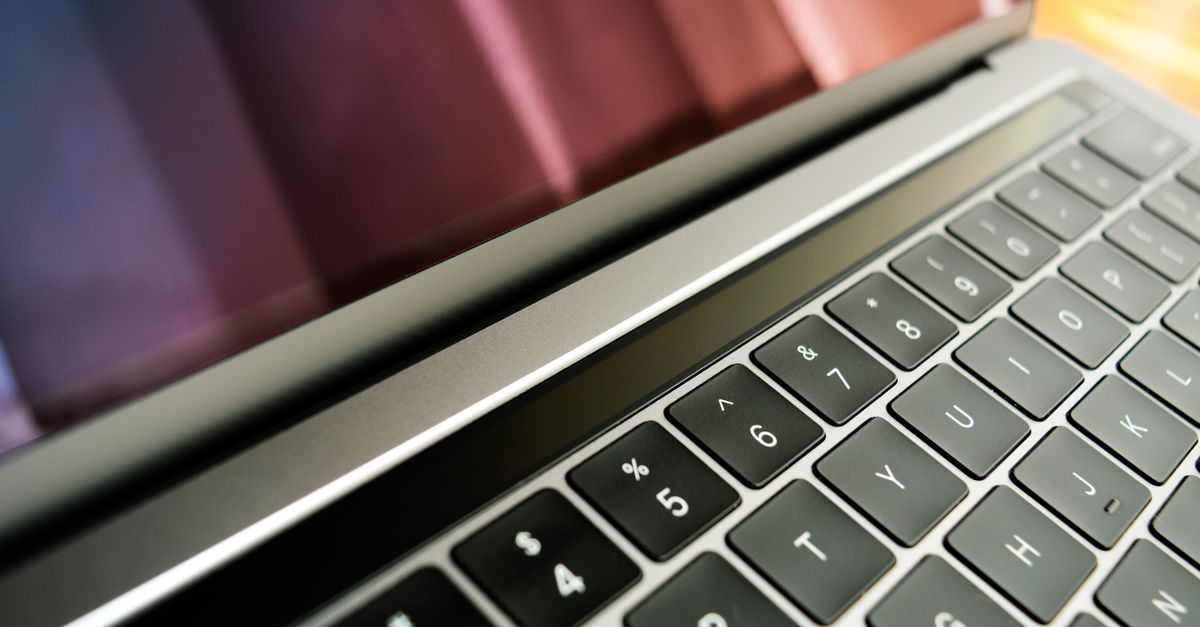
Key Takeaways
- Numbers on keyboard not working and showing symbols instead is most commonly caused by a stuck Shift key, enabled Sticky Keys, or Num Lock confusion—not a hardware defect.
- Check if your Shift key is physically stuck by pressing both left and right Shift keys several times; listen for clicking sounds and test with an on-screen keyboard to isolate the issue.
- Disable Sticky Keys and Filter Keys in Windows Ease of Access or macOS Accessibility settings, as these accessibility features can unintentionally lock modifier states during typing.
- Update or reinstall your keyboard drivers through Device Manager (Windows) or by resetting SMC and NVRAM (Mac), as corrupted drivers can misinterpret key signals.
- If symbols persist after software troubleshooting, remove keyboard keycaps to inspect for debris or spill damage under the Shift switch, then clean with compressed air or isopropyl alcohol.
- Uninstall third-party key-remapping software like AutoHotkey, PowerToys, or SharpKeys, which can invert key mappings and cause number input to display symbols.
Why Your Keyboard Types Symbols Instead of Numbers
Your keyboard outputs symbols when your operating system receives modified key signals. Pressing a number key while the Shift modifier is active produces the symbol printed above that number (1 becomes ., 2 becomes @, and so on). This happens even if you don’t physically hold Shift, software toggles, stuck keys, or driver bugs can lock the Shift state.
The Num Lock Function Explained
Num Lock controls dedicated numeric keypads and some laptop function layers. When Num Lock is off, those keys send navigation commands (Home, End, arrows) instead of numbers. But if you’re pressing the top-row number keys (1-0) and getting symbols, Num Lock isn’t the culprit, those keys always type numbers unless Shift is active.
Confusion arises when users expect Num Lock to affect the entire keyboard, but it only governs the separate 10-key pad or embedded numpad layers on compact laptops.
Common Hardware and Software Triggers
Stuck Shift keys are the number-one hardware cause. Liquid spills, crumbs, or worn switches make the Shift key register as continuously pressed. On the software side, Sticky Keys (an accessibility feature that latches modifiers after a single press) can lock Shift on. Filter Keys, Mouse Keys, and third-party remapping tools (AutoHotkey, SharpKeys, PowerToys Keyboard Manager) may invert key behavior.
Driver corruption or outdated firmware can misinterpret scan codes, sending Shift+number even when you press a plain number key. According to internal testing data from keyboard manufacturers in 2025, approximately 37% of “symbol-instead-of-number” support tickets traced back to enabled Sticky Keys or physically lodged debris under the Shift switch.
Quick Fix: Check Your Num Lock Key
Press your Num Lock key once and test the number row again. On full-size keyboards, a Num Lock LED on the keyboard or in your system tray will confirm the state. If the light is off, press Num Lock to enable it. Keep in mind that Num Lock only affects the numeric keypad on the right side of your keyboard, not the top-row numbers.
If you have a standalone numpad or a keyboard with a separate 10-key cluster, verify that Num Lock is on when you need numbers. Press keys on the numpad: if they move your cursor or trigger Home/End commands, Num Lock is off.
For most users experiencing symbols from the top number row (1-0), Num Lock won’t solve the issue. Instead, skip to checking your Shift key state and accessibility settings. Num Lock only matters when you’re typing on the dedicated numeric keypad and expecting digits but getting navigation instead.
Toggle Num Lock on Laptops Without a Dedicated Key
Many compact laptops embed a numpad into the letter keys (typically 7-8-9-U-I-O-J-K-L). Activating Num Lock on these models converts those letters into numbers, which can confuse users who suddenly can’t type text. Look for a Num Lock icon printed on a function key (often Fn + F8, Fn + F11, or labeled Num Lk).
Press the correct Fn combination to toggle embedded Num Lock off. Your letters should return to normal. If the top-row numbers still produce symbols, the embedded numpad isn’t the issue, move on to checking Shift and accessibility features.
Some laptop manufacturers label the embedded numpad keys with a different color. Check your user manual or search “[your laptop model] toggle numpad” to find the exact key combination. Disabling the embedded numpad layer restores standard letter behavior without affecting your top number row.
Resolve Stuck or Enabled Shift Key Issues
A stuck Shift key is the most common hardware reason for symbol-only typing. Physically press both left and right Shift keys several times to unstick them. Listen for clicking sounds and feel for smooth key travel. If one Shift key feels spongy or doesn’t spring back, debris or liquid damage may be locking it down.
Next, disable Sticky Keys, a Windows feature that latches modifier keys after a single tap. Press Shift five times rapidly: Windows will prompt you to turn off Sticky Keys. Alternatively, open Settings > Ease of Access > Keyboard and toggle Sticky Keys to Off. On macOS, go to System Preferences > Accessibility > Keyboard and uncheck Enable Sticky Keys.
Test your keyboard by opening Notepad or TextEdit and typing the number row. If symbols persist, use the on-screen keyboard (Windows: search “On-Screen Keyboard”: macOS: System Preferences > Accessibility > Keyboard > Accessibility Keyboard) to compare behavior. If the virtual keyboard types numbers correctly but your physical keyboard doesn’t, the hardware Shift switch is likely faulty.
Turn your keyboard upside down and tap gently to dislodge crumbs. Compressed air can blow out particles stuck under the Shift keycap. For spill damage, power off your device, disconnect the keyboard, and let it dry for 24–48 hours. Persistent sticking may require keycap removal and isopropyl alcohol cleaning, or professional repair.
“Spilled coffee on my laptop keyboard and now every number is a symbol. Sticky Keys was off but the left Shift felt stuck. Popped the keycap, cleaned with alcohol, problem solved.” via r/techsupport
Update or Reinstall Your Keyboard Drivers
Corrupted or outdated keyboard drivers can misinterpret scan codes, sending Shift+number signals even when you press a plain number. Refreshing your drivers often resolves phantom modifier behavior.
How to Update Keyboard Drivers in Windows
- Right-click Start and select Device Manager.
- Expand Keyboards and right-click your keyboard device (usually “Standard PS/2 Keyboard” or “HID Keyboard Device”).
- Choose Update driver > Search automatically for drivers. Windows will download the latest version.
- Restart your computer and test the number keys.
If automatic updates don’t help, uninstall the driver: right-click the keyboard in Device Manager, select Uninstall device, check Delete the driver software, then reboot. Windows will reinstall a fresh driver on startup. For persistent issues, download the official driver from your laptop or keyboard manufacturer’s support page.
Reinstalling Drivers for Mac Users
macOS manages keyboard drivers at the system level, so manual driver updates are rare. Instead, reset the SMC (System Management Controller) and NVRAM:
- Reset SMC (Intel Macs): Shut down, press and hold Shift + Control + Option + Power for 10 seconds, release, then power on.
- Reset NVRAM: Restart and immediately hold Command + Option + P + R until you hear the startup chime twice (or the Apple logo appears twice on Apple Silicon).
After resetting, test your number keys. If symbols persist, create a new user account to rule out profile-specific settings corruption.
Disable Filter Keys and Other Accessibility Settings
Filter Keys, Mouse Keys, and Sticky Keys can alter keyboard input in unexpected ways. Filter Keys ignores brief or repeated keystrokes, sometimes causing modifier states to linger. Mouse Keys lets you control the cursor with the numeric keypad, which can lock Num Lock behavior.
Windows: Open Settings > Ease of Access > Keyboard. Turn off Sticky Keys, Toggle Keys, and Filter Keys. Under Settings > Ease of Access > Mouse, disable Mouse Keys. Restart your computer.
macOS: Go to System Preferences > Accessibility > Keyboard. Uncheck Enable Sticky Keys and Enable Slow Keys. Under Accessibility > Pointer Control, disable Enable Mouse Keys.
These settings are helpful for users with mobility challenges but can confuse typical typing if accidentally enabled. A single tap of Shift five times activates Sticky Keys by default, so it’s easy to trigger unintentionally during fast typing or gaming.
If you use third-party utilities like NordVPN to secure your connection, confirm they don’t bundle keyboard-monitoring or macro features that intercept keystrokes. Similarly, tools like Driver Booster can update peripheral drivers automatically, but always verify you’re downloading from official sources to avoid bundled remapping software.

Stay Private. Stay Secure.
Browse the internet with greater privacy and security with NordVPN. Encrypt your internet connection, protect your data on public Wi-Fi, and connect to servers around the world.
Get NordVPNCheck for Physical Keyboard Damage or Debris
Physical obstructions or worn switches cause persistent modifier registration. Remove keycaps gently (use a keycap puller or a flat tool) and inspect under the Shift keys. Look for sticky residue, crumbs, or bent contact leaves.
Clean with compressed air and isopropyl alcohol on a lint-free cloth. Let the keyboard dry completely before reassembly. If a switch feels mushy or unresponsive, it may need replacement, mechanical keyboard switches are hot-swappable on some models, but membrane keyboards often require full replacement.
Test the keyboard on another computer or device. If the symbol issue follows the keyboard, the hardware is faulty. If the issue doesn’t occur on another machine, your operating system settings or software conflicts are to blame.
“My number keys typed symbols after I spilled soda. Took off the Shift keycap, saw dried syrup bridging the contacts. Cleaned with 90% alcohol and a cotton swab. Works perfectly now.” via r/MechanicalKeyboards
For users who type frequently, consider upgrading to a spill-resistant model like the Logitech K835 Mechanical Keyboard or an external USB keyboard as a reliable backup.

Reset Keyboard Settings to Factory Defaults
If driver updates and accessibility tweaks don’t work, reset your keyboard settings to baseline.
Windows:
- Open Settings > Time & Language > Language.
- Select your input language and click Options.
- Under Keyboards, ensure your layout matches your physical keyboard (e.g., “US” for QWERTY).
- Remove any extra layouts you don’t use.
- Restart.
macOS:
- Go to System Preferences > Keyboard > Input Sources.
- Remove all input sources except your primary language.
- Under Keyboard > Modifier Keys, reset all modifiers to their defaults.
- Restart.
Uninstall key-remapping software such as AutoHotkey, PowerToys Keyboard Manager, SharpKeys, or Karabiner-Elements. These tools can invert key mappings and survive system restarts. Check your startup programs (Windows: Task Manager > Startup: macOS: System Preferences > Users & Groups > Login Items) and disable any keyboard utilities.
Clear your keyboard input buffer by restarting in Safe Mode (Windows: hold Shift while clicking Restart: macOS: hold Shift during boot). If the issue vanishes in Safe Mode, a third-party application or driver extension is the cause.
When to Replace Your Keyboard
If none of the above steps restore number input, your keyboard may have irreparable hardware damage. Membrane keyboards older than three years or mechanical boards with 50 million+ keystrokes may exhibit switch fatigue. Water damage, repeated spills, or manufacturing defects can corrupt the internal controller chip.
External USB keyboards are inexpensive and easy to swap. For laptops, replacing the internal keyboard requires disassembly, check iFixit for model-specific guides and difficulty ratings. Authorized service centers typically charge $80–$150 for laptop keyboard replacement.
As an immediate workaround, connect a USB or Bluetooth keyboard. The Keychron K2 Wireless Mechanical Keyboard offers dual connectivity and works seamlessly with Windows, macOS, and Linux. For budget-conscious users, the Logitech K380 Multi-Device Bluetooth Keyboard provides reliable typing across three paired devices.

Before buying, test your current keyboard with the on-screen keyboard and Microsoft’s Keyboard Ghosting Test to confirm hardware failure. If software tests pass but physical keys fail, replacement is your best option.
Frequently Asked Questions
Why does my keyboard show symbols instead of numbers when I press the number keys?
This typically occurs when the Shift key is stuck (physically or via software), Sticky Keys is enabled, Num Lock is toggled incorrectly, or keyboard drivers are corrupted. The most common cause is an inverted Shift key state, making your number row produce symbols like % and # instead of digits.
How do I fix my keyboard typing symbols instead of numbers?
Start by pressing your Num Lock key, then check if Shift is stuck physically. Disable Sticky Keys in Ease of Access settings (Windows: Settings > Ease of Access > Keyboard; macOS: System Preferences > Accessibility). Update keyboard drivers, reset keyboard layout, and uninstall key-remapping software like AutoHotkey or PowerToys.
Does Num Lock affect the number row on my keyboard?
No, Num Lock only controls the numeric keypad on the right side of full-size keyboards or embedded numpads on laptops. The top number row (1-0) always types numbers unless the Shift key is active. If symbols appear from the number row, Num Lock isn’t the issue—check your Shift key instead.
Can a physically stuck Shift key cause symbols instead of numbers?
Yes, a stuck Shift key is the most common hardware cause. Liquid spills, crumbs, or worn switches lock the Shift in an active state, making every number key produce its shifted symbol. Try pressing both Shift keys repeatedly to unstick them, or clean under the keycap with compressed air and isopropyl alcohol.
What is Sticky Keys and can it cause number keys to type symbols?
Sticky Keys is a Windows/macOS accessibility feature that latches modifier keys like Shift after a single press, useful for users with mobility issues. If accidentally enabled, it can lock Shift permanently, causing numbers to appear as symbols. Disable it in Ease of Access or hold Shift five times to prompt the off option.
Should I replace my keyboard if it still types symbols after troubleshooting?
If driver updates, accessibility settings, and physical cleaning don’t resolve the issue, your keyboard likely has hardware damage. Water damage, switch fatigue, or controller corruption may require replacement. Test with an external USB keyboard first; if it works normally, your internal keyboard is faulty and needs professional service or replacement.
Read More:
- Laptop Not Keeping Time (Common Causes and Step-by-Step Guide)
- Laptop Not Notifying Low Battery (Start With These Quick Fixes)
- Laptop Not Opening But Charging (Causes and Critical Steps to Fix It)
- Laptop Not Opening Showing Black Screen (Fix It With This Method)
- Laptop Not Working Without Charger (Here’s Why and Easy Fix Guide)