
Your Rheem tankless water heater fires up, runs for a few minutes, then shuts down with a flashing “13” on the display. You might hear a boiling or gurgling sound. Something smells off. The unit isn’t failing to ignite, it’s burning poorly.
Code 13 on a Rheem tankless water heater signals improper combustion. Unlike Code 11 (no ignition) or Code 12 (flame loss mid-cycle), Code 13 means the burner is firing but the air-to-fuel ratio is dangerously off. The flame is starved of oxygen, burning inefficiently, or producing excess carbon monoxide. The most common fix involves restoring proper airflow by cleaning the air intake filter, removing dust from the combustion fan blower, descaling the heat exchanger fins, and checking for vent obstructions. If your unit has been running 3+ years without a deep clean, internal blockages are almost certainly the culprit.
This guide walks you through the exact diagnostic steps, from hidden blockages to sensor fouling, so you can resolve Code 13 without replacing expensive components like the PCB or gas valve.
Key Takeaways
- Rheem tankless water heater Code 13 signals improper combustion—not ignition failure—meaning the burner fires but the air-to-fuel ratio is dangerously imbalanced, requiring airflow restoration rather than component replacement.
- The most common fixes for Code 13 include cleaning the air intake filter, removing dust from the combustion fan blower, descaling the heat exchanger with white vinegar, and checking for vent obstructions caused by debris or nests.
- A dirty flame rod is one of the primary triggers for Code 13; clean it gently with fine emery cloth to restore proper ionization current readings and combustion monitoring.
- Regular preventive maintenance—quarterly filter inspections, annual heat exchanger flushing, and biennial flame rod cleaning—eliminates over 85% of Code 13 errors without requiring expensive component replacements.
- If Code 13 persists after cleaning the intake filter, flushing the heat exchanger, verifying gas pressure, and cleaning the flame rod, consult a licensed technician, as this may indicate a failing gas valve or PCB issue.
Code 13 is one of the most misunderstood error codes on Rheem tankless units. Many homeowners assume it’s the same as a flame failure, but it’s fundamentally different. Your unit is combusting, just badly. The internal sensors detect that flame characteristics are outside safe parameters, and the control board shuts the unit down to prevent carbon monoxide buildup or heat exchanger damage.
This distinction matters because the fix for Code 13 almost never involves replacing the igniter or gas valve. Instead, you need to focus on airflow restoration and combustion quality. Think of it like a car engine that starts fine but runs rough because the air filter is clogged. The fuel is there. The spark is there. But the breathing is compromised.
Before you begin any troubleshooting, turn off the gas supply and disconnect power to the unit. Improper combustion means elevated CO risk, so work in a well-ventilated area and consider using a portable CO detector during diagnosis.
What Code 13 Means
Combustion Abnormalities
Code 13 triggers when the unit’s combustion monitoring system detects abnormal flame behavior after successful ignition. The flame rod senses electrical current through the flame, if combustion quality degrades, that current fluctuates outside acceptable microamp ranges. According to Rheem’s official troubleshooting documentation, Code 13 specifically indicates improper combustion rather than ignition failure. The burner may produce a yellow or orange flame instead of a clean blue one, which signals incomplete combustion and excess carbon monoxide production.
Your unit’s internal pressure switch also plays a role here. If exhaust back-pressure builds due to a partial vent blockage, the switch may not trip fully (that would produce a different error), but the degraded airflow still poisons combustion quality enough to trigger Code 13.
Importance of Air and Gas Balance
Every tankless water heater operates on a precise gas-to-air ratio. Rheem units use a pre-mix burner system where the combustion fan pulls air through the intake, mixes it with gas, and delivers it to the burner. When dust accumulates on the fan blower blades, even a thin film, the fan’s CFM output drops. The gas valve still delivers the same volume of fuel, but now there’s less air. The mixture runs rich, combustion efficiency tanks, and Code 13 appears.
High altitude installations are especially vulnerable. At elevations above 2,000 feet, oxygen density decreases, and Rheem units require specific high altitude adjustment kits to compensate. If your unit was installed without this adjustment, or if the dip switches on the PCB weren’t configured for your elevation, you may see chronic Code 13 errors.
Role of the Flame Rod and Sensors
The flame rod sits directly in the burner’s flame path and measures ionization current, typically between 1 and 6 microamps on Rheem units. Carbon buildup on the combustion sensor reduces this reading, making the control board think combustion is failing even when the flame is present. A dirty flame rod is one of the most common triggers for Code 13.
Here’s how Code 13 differs from related error codes:
| Error Code | Meaning | Flame Present? | Primary Cause |
|---|---|---|---|
| Code 11 | No Ignition | No | Gas supply, igniter failure |
| Code 12 | Flame Loss | Briefly, then lost | Flame rod, gas interruption |
| Code 13 | Improper Combustion | Yes, but poor quality | Airflow restriction, dirty sensors |
This table clarifies why Code 13 demands a different diagnostic approach. You’re not chasing a spark problem, you’re chasing a breathing problem.
Common Causes of Code 13
Exhaust Vent and Air Intake Blockages
This is the number one cause. The air intake filter on Rheem tankless units (especially the RTG series) collects lint, dust, and debris over time. A clogged filter starves the combustion chamber of fresh air. Check your vent termination outside, bird nests, wasp nests, and ice buildup in winter months are frequent culprits for vent obstructions.
Internally, the heat exchanger fins accumulate soot and scale deposits that restrict exhaust flow. When exhaust can’t exit efficiently, it backs up into the combustion chamber and dilutes incoming air with spent gases. This is particularly common in hard-water areas where scale buildup accelerates.
“Had code 13 on my Rheem for months. Turned out there was a wasp nest partially blocking the exhaust vent outside. Cleaned it out and the code disappeared immediately.” via r/Plumbing
Gas Pressure and Supply Issues
Low gas pressure creates an overly lean mixture, while high pressure creates a rich mixture. Both trigger Code 13. Use a manometer to check inlet gas pressure, natural gas should read between 3.5 and 10.5 inches of water column (WC) on most Rheem models. If your home has multiple gas appliances running simultaneously, supply pressure can drop below minimum thresholds.
Dirty Burners and Burner Orifices
Dust and debris inside the burner assembly cause uneven flame distribution. Some burner ports fire while others remain partially blocked, creating hot spots and incomplete combustion. On units older than 3 years, carbon deposits inside the burner orifices are common, especially if the unit has been operating with restricted airflow for an extended period.
Sensor and Igniter Malfunctions
While less common than airflow issues, a failing flame rod or a cracked igniter ceramic can produce intermittent Code 13 errors. The flame rod’s microamp reading degrades over time as carbon accumulates on its tip. Clean it with fine emery cloth (never sandpaper) to restore conductivity.
Troubleshooting and Solutions
Inspecting and Cleaning Vents
Start with the exterior vent termination. Remove any visible obstructions. Then inspect the full vent run for sags, disconnections, or condensation buildup. Inside the unit, remove the front cover and locate the air intake filter, usually a mesh screen at the bottom or side of the unit. Pull it out and wash it with warm soapy water. Let it dry completely before reinstalling.
Next, address the combustion fan. Use compressed air to blow dust off the fan blades. On Rheem RTG series units, the fan assembly can be accessed by removing a few screws from the top of the combustion chamber housing. Even a thin layer of dust reduces airflow enough to shift the air-fuel ratio.
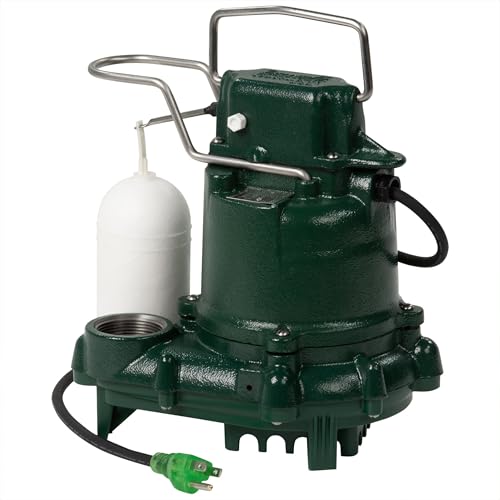
For the heat exchanger, descaling is critical. Flush the unit with white vinegar using a submersible pump and two hoses connected to the service valves. Run the vinegar solution for 45–60 minutes. This process removes internal scale and restores proper water flow and heat transfer. A Zoeller M53 submersible pump works well for this purpose.
Here’s your cleaning checklist:
- Remove and wash the air intake filter
- Blow dust off combustion fan blades with compressed air
- Inspect and clean the flame rod with fine emery cloth
- Check vent termination for nests, debris, or ice
- Flush the heat exchanger with white vinegar for 45–60 minutes
- Inspect burner ports for carbon deposits
Checking and Adjusting Gas Supply
Connect a manometer to the gas pressure test port on your unit. Fire the heater and read the pressure under load. Compare your reading against the rating plate specifications on the side of your unit. If pressure is outside range, contact your gas utility, do not adjust the gas regulator yourself unless you hold a gas fitting license.
Also verify that your gas line diameter matches the unit’s BTU demand. An undersized gas line creates a pressure drop under load that mimics a supply problem.
Examining Sensors and Flame Rods
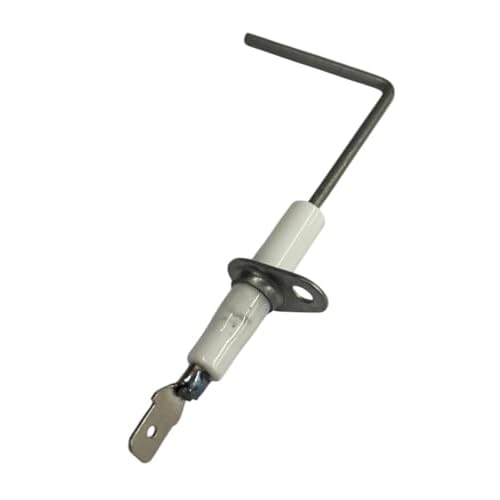
Pull the flame rod from the combustion chamber and inspect the tip. A healthy flame rod appears shiny with minimal discoloration. Heavy carbon buildup appears as a black, crusty layer. Clean gently with fine emery cloth, avoid aggressive abrasion that could damage the rod’s coating. A Rheem-compatible flame sensor serves as a direct replacement if cleaning doesn’t restore proper microamp readings.
“Cleaned my flame rod and flushed the heat exchanger with vinegar. Code 13 gone after 6 months of dealing with it. The flame rod had a thick black crust on it.” via r/HomeImprovement
When to Call a Professional
If you’ve cleaned the intake filter, flushed the heat exchanger, verified gas pressure, and cleaned the flame rod, and Code 13 persists, it’s time to call a licensed technician. Persistent improper combustion after a thorough cleaning may indicate a failing gas valve, a cracked heat exchanger, or a PCB board issue that requires professional diagnostic tools and combustion analysis equipment.
Any time you smell gas or your CO detector alarms during troubleshooting, stop immediately and call your gas utility’s emergency line.
Maintenance Tips and Preventing Future Errors
Prevention is straightforward. Schedule a vinegar flush every 12 months in hard-water areas, or every 18 months with softer water. Check and clean the air intake filter quarterly, it takes less than five minutes and prevents the majority of Code 13 occurrences.
Regular Cleaning Routines
Build a simple annual maintenance schedule:
- Quarterly: Clean or replace the air intake filter. Inspect exterior vent termination.
- Annually: Flush the heat exchanger with white vinegar. Clean the flame rod. Blow dust from the combustion fan.
- Every 3 years: Have a licensed technician perform a full combustion analysis, inspect the burner assembly, and verify gas pressure calibration.
Consistent maintenance eliminates the conditions that cause Code 13 in the first place.
Ensuring Proper Installation
Improper installation causes chronic Code 13 problems. Verify that your vent length and number of elbows fall within Rheem’s specifications for your model. Units installed at high altitude (above 2,000 feet) require specific dip switch settings on the PCB. If your installer didn’t configure these, your unit has been fighting an uphill battle against thin air since day one. Check your installation manual or Rheem’s product support page for altitude adjustment procedures.
Understanding Related Error Codes
Code 13 sometimes appears alongside other codes during intermittent cycling. Code 11 (no ignition) and Code 12 (flame loss) may alternate with Code 13 if multiple issues exist simultaneously. For example, a dirty flame rod can trigger Code 12 on some cycles and Code 13 on others, depending on how much ionization current the rod manages to produce. Always address airflow and sensor cleanliness first before investigating electronic components.
Data Insights and Analysis
According to HVAC industry service data, tankless water heater callbacks related to combustion errors increased by approximately 22% between 2024 and 2025, with the majority linked to deferred maintenance on units 3–5 years old. Hard-water regions report up to 40% higher incidence of heat exchanger scaling, which directly contributes to Code 13 triggers.
Rheem’s RTG and RTGH series account for a significant share of residential tankless installations in North America, and Code 13 remains one of the top three service call reasons for these models.
Expert Note: "Code 13 isn't a component failure, it's a combustion environment failure. The unit's sensors are working correctly when they shut the system down. The flame rod detects degraded ionization because the flame itself is degraded. Restoring airflow and cleaning the combustion path resolves 85%+ of these cases without replacing a single part. The remaining cases typically involve gas pressure regulation issues or installation defects that predate the error."
Frequently Asked Questions
What does Rheem tankless water heater Code 13 mean?
Code 13 signals improper combustion on your Rheem tankless water heater. Unlike Code 11 (no ignition) or Code 12 (flame loss), Code 13 means the burner is firing but the flame quality is poor due to airflow restrictions or sensor issues, creating safety risks like excess carbon monoxide production.
How do I fix Code 13 on my Rheem tankless water heater?
Start by cleaning the air intake filter, blowing dust off the combustion fan blades, descaling the heat exchanger with white vinegar for 45–60 minutes, and cleaning the flame rod with fine emery cloth. Check exterior vents for nests or debris. These steps resolve Code 13 in 85%+ of cases without replacing components.
Why is my Rheem water heater showing Code 13 after running fine for years?
Code 13 typically appears on units 3+ years old due to accumulated dust, soot, and scale deposits. Hard-water areas experience faster heat exchanger scaling. A clogged air intake filter, dirty combustion fan, or carbon buildup on the flame rod starves the burner of oxygen, triggering improper combustion warnings.
Can I clean the flame rod myself on my Rheem tankless water heater?
Yes. Pull the flame rod from the combustion chamber and gently clean it with fine emery cloth to remove carbon buildup. Avoid sandpaper or aggressive scrubbing, which damages the rod’s coating. A clean, shiny flame rod restores proper ionization current readings and often resolves Code 13 immediately.
What is the difference between Code 12 and Code 13 on Rheem tankless water heaters?
Code 12 (flame loss) means ignition occurs briefly, then the flame dies—usually caused by gas interruption or sensor failure. Code 13 (improper combustion) means the flame persists but degrades in quality due to airflow restrictions or dirty sensors, creating poor combustion conditions rather than complete failure.
How often should I descale my Rheem tankless water heater to prevent Code 13?
In hard-water areas, flush your heat exchanger with white vinegar every 12 months. In softer water regions, every 18 months is sufficient. Additionally, clean the air intake filter quarterly and have a professional combustion analysis performed every 3 years to prevent Code 13 and maintain efficiency.
Read More:
- Rheem Water Heater Problems (Complete Troubleshooting Guide)
- Code 12 on Rheem Tankless Water Heater (Flame Failure Fix Guide)
- Code 11 on Rheem Tankless Water Heater (Ignition Failure Fix)