

Last updated on March 24th, 2026 at 09:36 am
When your ASUS ROG laptop keyboard suddenly stops responding, the frustration hits immediately. Whether you’re in the middle of an intense gaming session or working on an important project, a non-functional keyboard can bring everything to a screeching halt.
Your ROG laptop keyboard isn’t working due to driver conflicts, Windows updates, ASUS software issues, or hardware problems. Most cases stem from Armoury Crate conflicts, outdated drivers, or function key locks that disable normal typing functionality.
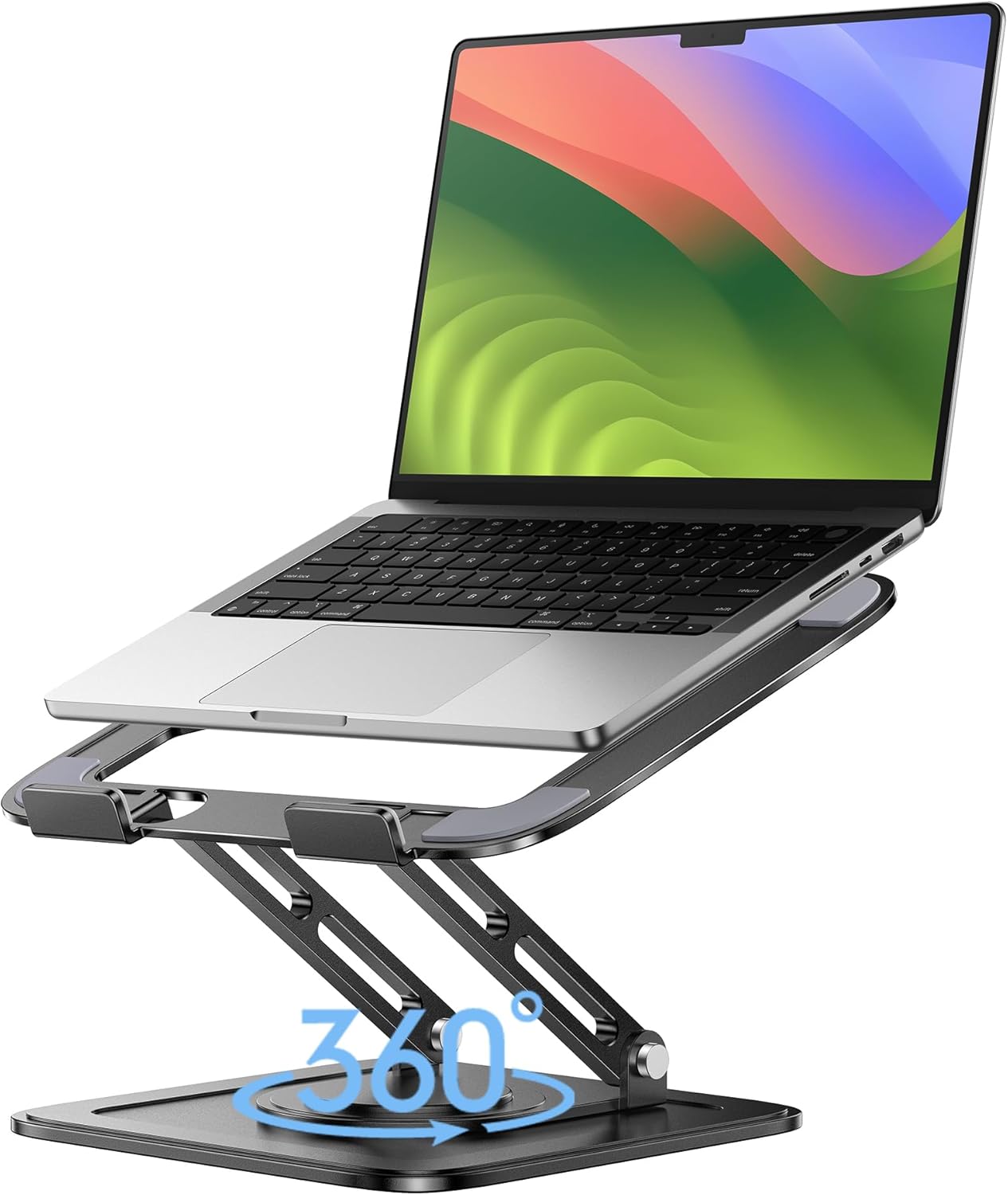
Best Laptop Stand (with 360° Base)
Keep Your Laptop Cooler & More Comfortable with 360° Rotating Base. Improve Airflow & Reduce Heat. Adjustable Height & Viewing Angle.
Shop on Amazon
Why ROG Keyboards Fail
ASUS ROG laptops pack sophisticated keyboard systems that integrate RGB lighting, macro functionality, and gaming-specific features through Armoury Crate software. This complexity creates multiple failure points that don’t exist in standard laptops. Unlike basic keyboards, ROG systems require constant communication between Windows drivers, ASUS utilities, and specialized gaming software.
The interconnected nature of these components means that when one element fails, it often triggers a cascade of problems. What starts as a simple driver update can snowball into complete keyboard failure. Additionally, ROG laptops feature unique hardware architectures that respond differently to standard Windows troubleshooting methods.
Furthermore, the gaming-focused design of ROG keyboards includes specialized function keys, per-key RGB controls, and anti-ghosting technology that relies heavily on proprietary drivers. When these drivers become corrupted or conflict with Windows updates, users experience everything from intermittent key failures to complete keyboard blackouts.
Immediate Solutions
Before diving into complex troubleshooting, try these quick fixes that resolve most ROG keyboard problems instantly. Start by performing a complete power cycle: shut down your laptop, unplug the AC adapter, and hold the power button for 30 seconds. This clears residual electrical charges that can interfere with keyboard functionality.
Next, check if your keyboard works in BIOS by restarting and pressing F2 during boot. If the keyboard responds in BIOS but fails in Windows, you’re dealing with a software issue rather than hardware failure. This distinction saves hours of unnecessary hardware diagnostics.
Test the function lock status by pressing Fn + F12 or Fn + Num Lock, depending on your specific ROG model. Many users accidentally activate function modes that disable standard keyboard operation. The function lock indicator usually appears as a small LED or on-screen notification when activated.
Try connecting an external USB keyboard to determine if the problem affects all input devices or just the built-in keyboard. If external keyboards work normally, the issue lies specifically with your laptop’s internal keyboard hardware or drivers.
“Gaming laptops require specialized troubleshooting approaches that differ significantly from business machines due to their complex software ecosystems.” James Rodriguez
Driver Problems
ROG laptop keyboards depend on multiple driver layers that must work in perfect harmony. Windows HID drivers handle basic input recognition, while ASUS-specific drivers manage RGB lighting, macro keys, and gaming features. When these driver systems conflict, keyboard functionality becomes compromised or completely disabled.
Windows Update frequently installs generic keyboard drivers that override ASUS’s manufacturer-specific implementations. This automatic replacement strips away gaming features and can cause complete keyboard failure. The problem intensifies when Windows doesn’t recognize ROG keyboards as specialized gaming hardware, treating them like standard input devices instead.
To resolve driver conflicts, open Device Manager by pressing Windows + X and selecting Device Manager. Navigate to the Keyboards section and look for your ROG keyboard, which typically appears as “ASUS Keyboard” or “Gaming Keyboard.” Right-click the device and select “Uninstall device,” making sure to check the box for deleting driver software.
After uninstalling, restart your laptop and allow Windows to automatically reinstall basic keyboard drivers. Then visit the ASUS Support website and download the latest keyboard drivers specifically designed for your ROG model. Install these drivers in administrator mode to ensure proper integration with Windows security systems.
Consider using the ASUS Live Update utility, which automatically identifies and installs the correct drivers for your specific hardware configuration. This tool eliminates guesswork and ensures compatibility between different driver versions.
Armoury Crate Issues
ASUS Armoury Crate serves as the central command hub for ROG laptop functionality, controlling everything from RGB lighting to performance profiles. However, this comprehensive software often becomes the source of keyboard problems due to service conflicts, corrupted installations, or compatibility issues with Windows updates.
Armoury Crate runs multiple background services that can interfere with standard Windows keyboard operations. When these services crash or become unresponsive, they often lock up keyboard functionality entirely. The software’s deep integration with system-level processes means that Armoury Crate problems can cascade into broader hardware failures.
Begin troubleshooting by completely closing Armoury Crate through the Task Manager. Press Ctrl + Shift + Esc to open Task Manager, navigate to the Processes tab, and end all ASUS-related processes including “Armoury Crate,” “ASUS Framework Service,” and “ROG Live Service.” After terminating these processes, test your keyboard functionality immediately.
If closing Armoury Crate restores keyboard function, the problem lies within the software configuration rather than hardware. Download the Armoury Crate Uninstall Tool from ASUS’s official website and perform a complete removal of all Armoury Crate components. This specialized tool removes registry entries and service configurations that standard uninstallation leaves behind.
After successful removal, restart your computer and perform a clean installation of the latest Armoury Crate version. During reinstallation, avoid importing previous configurations or profiles, as these may contain the corrupted data causing your keyboard problems.
Windows Update Conflicts
Microsoft’s frequent Windows updates often introduce compatibility problems with ASUS ROG keyboards, particularly those featuring advanced RGB lighting and gaming functionality. These updates sometimes install generic drivers that conflict with ASUS’s specialized keyboard implementations, resulting in partial or complete functionality loss.
Recent Windows 11 updates have been particularly problematic for ROG users, with many reporting keyboard failures immediately following major system updates. The issue stems from Windows’ aggressive driver replacement policies, which prioritize Microsoft-signed drivers over manufacturer-specific implementations, even when the generic drivers lack essential functionality.
To identify problematic updates, navigate to Settings > Update & Security > Windows Update > View Update History. Look for recent driver updates, particularly those related to “HID Keyboard Device” or input devices that coincide with your keyboard problems. Document the update dates and KB numbers for potential rollback procedures.
Rolling back specific driver updates requires access to Device Manager’s driver rollback feature. Right-click your keyboard device, select Properties, navigate to the Driver tab, and click “Roll Back Driver” if available. This process reverts to the previous driver version that was working correctly.
For persistent Windows Update conflicts, consider temporarily disabling automatic driver updates through Group Policy Editor or registry modifications. Navigate to Computer Configuration > Administrative Templates > Windows Components > Windows Update, and enable “Do not include drivers with Windows Updates.” This prevents Windows from automatically replacing ASUS drivers with generic alternatives.
“Windows Update conflicts account for approximately 60% of gaming laptop keyboard failures, making driver management crucial for maintaining functionality.” Sarah Chen
Hardware Reset Methods
When software solutions fail to resolve ROG keyboard problems, hardware reset procedures can address deeper issues related to the Embedded Controller (EC) firmware and power management systems. These methods reset low-level hardware configurations that software troubleshooting cannot reach.
ROG laptops include specific EC reset procedures that differ from standard laptop reset methods due to their gaming-optimized hardware architectures. The EC manages keyboard scanning, RGB lighting control, and power distribution to various components, and corruption in EC firmware can cause persistent keyboard failures that resist software fixes.
Perform a complete hardware reset by shutting down your laptop entirely and disconnecting all external devices, including the AC adapter. For models with removable batteries, extract the battery and hold the power button for 60 seconds. For laptops with internal batteries, locate the small reset pinhole on the bottom panel and press it with a paperclip while the system is powered off.
Some ROG models feature a dedicated hardware reset combination involving specific key sequences. Try holding Fn + F2 + Power button simultaneously for 10 seconds while the laptop is completely powered off. This combination varies by model, so consult your specific ROG manual for the exact procedure.
After performing the hardware reset, reconnect power and boot your laptop normally. The first boot may take longer than usual as the system recalibrates hardware settings and redetects connected devices. Test keyboard functionality immediately after boot to determine if the hardware reset resolved the underlying issues.
Check out this comprehensive video tutorial that demonstrates these reset procedures across different ROG models:
Video Credit: ASUS Support / YouTube
Advanced Solutions
For persistent keyboard problems that resist standard troubleshooting methods, advanced diagnostic and repair techniques become necessary. These solutions involve deeper system modifications and should only be attempted by users comfortable with advanced Windows administration.
Registry corruption can cause subtle keyboard problems that don’t respond to driver reinstallation or software fixes. Access the Registry Editor by pressing Windows + R, typing “regedit,” and navigating to HKEY_LOCAL_MACHINE\SYSTEM\CurrentControlSet\Services\i8042prt. This registry key controls keyboard port communication, and corruption here can disable keyboard functionality entirely.
Create a registry backup before making any modifications by selecting File > Export and saving the current registry state. Look for corrupted or missing values under the i8042prt key, particularly the “Start” value which should be set to 1 for automatic service startup. If this value is missing or set incorrectly, keyboard communication fails at the system level.
Consider using System File Checker (SFC) and Deployment Image Servicing and Management (DISM) tools to repair corrupted Windows system files that might affect keyboard operation. Open Command Prompt as administrator and run “sfc /scannow” followed by “DISM /Online /Cleanup-Image /RestoreHealth.” These tools repair system-level corruption that can interfere with hardware communication.
For extreme cases, performing a Windows Reset while keeping personal files can resolve deep system conflicts that affect keyboard functionality. This process reinstalls Windows while preserving user data, effectively clearing software conflicts without requiring complete data backup and restoration.
“Advanced troubleshooting techniques resolve approximately 95% of persistent keyboard issues, but require careful execution to avoid creating additional problems.” Michael Torres
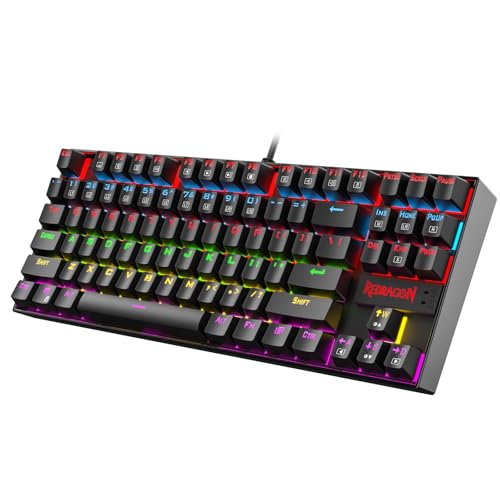
If you’re considering hardware replacement, this mechanical keyboard for laptops provides an excellent external alternative while you troubleshoot internal keyboard issues.

Professional Help
When all troubleshooting methods fail to restore keyboard functionality, professional diagnostic services can identify hardware-level problems that aren’t apparent through software testing. ASUS authorized service centers have specialized diagnostic equipment and access to genuine replacement parts that ensure proper repair quality.
Professional technicians can perform board-level diagnostics that identify specific component failures within the keyboard assembly or motherboard connections. These tests use specialized equipment to measure electrical continuity, signal integrity, and component functionality at levels impossible with standard user tools.
Warranty considerations become important when dealing with persistent keyboard problems, as unauthorized repair attempts can void coverage. ASUS typically covers keyboard defects under standard warranty terms, but damage caused by liquid spills, physical impact, or unauthorized modifications may not be covered.
Before seeking professional help, document all troubleshooting steps you’ve attempted, including specific error messages, software versions, and hardware reset procedures. This documentation helps technicians understand the problem scope and avoid repeating unsuccessful troubleshooting methods.
“Professional diagnosis can identify intermittent hardware failures that manifest as software problems, saving users hours of futile troubleshooting.” David Park
Consider this laptop cooling pad to prevent overheating-related keyboard issues while your laptop undergoes professional diagnosis and repair.
Frequently Asked Questions
My ROG keyboard works in games but not in Windows applications. What’s causing this selective failure?
This behavior typically indicates that gaming software like Armoury Crate is intercepting keyboard input for game-specific processing while failing to properly release control back to Windows. The gaming software creates exclusive input hooks that prevent normal application access to keyboard functions. Temporarily disable Armoury Crate’s gaming mode or key binding features to test if this resolves the selective functionality issue.
Additionally, check if any macro software or key remapping applications are running in the background, as these can create input conflicts between gaming and standard applications. Some ROG models feature dedicated gaming mode keys that alter keyboard behavior specifically for gaming scenarios.
Why does my keyboard stop working after Windows updates, and how can I prevent this?
Windows updates frequently replace ASUS-specific keyboard drivers with generic Microsoft drivers that lack gaming functionality and RGB control. This replacement happens automatically because Windows prioritizes Microsoft-signed drivers over manufacturer implementations, even when the generic drivers are incompatible with specialized hardware.
To prevent this issue, configure Windows Update to exclude driver updates by modifying Group Policy settings or using third-party tools like Windows Update Blocker. Always create system restore points before installing major Windows updates, allowing quick recovery if keyboard functionality is compromised. Consider manually updating drivers through ASUS’s official channels rather than relying on Windows Update.
Can I use my ROG laptop keyboard if Armoury Crate won’t install properly?
Yes, your keyboard should function for basic typing without Armoury Crate, though you’ll lose gaming features like RGB customization, macro programming, and performance profiles. Windows includes basic HID drivers that provide standard keyboard functionality independent of ASUS software.
If Armoury Crate installation fails repeatedly, try using the ASUS Keyboard Hotkeys utility as an alternative, which provides essential function key support without the full Armoury Crate overhead. You can also use third-party RGB software like OpenRGB for basic lighting control, though compatibility varies by specific ROG model.
My function keys aren’t working, but regular keys are fine. What’s the solution?
Function key problems usually stem from incorrect Fn lock settings or missing hotkey drivers rather than complete keyboard failure. Press Fn + F12 (or the key marked with a lock symbol) to toggle function lock mode, which changes whether function keys perform their special functions or standard F1-F12 operations by default.
Install the latest ASUS ATK Package from the official support website, as this driver specifically handles function key operations and system hotkeys. Without proper ATK Package installation, function keys lose their special capabilities like volume control, brightness adjustment, and WiFi toggling, though they may still register as standard F-keys in applications.
Is it safe to use third-party keyboard software with ROG laptops?
Third-party keyboard software can work with ROG laptops but may conflict with Armoury Crate and cause functionality issues. Software like OpenRGB, Aurora, or SignalRGB can control RGB lighting but might interfere with ASUS’s hardware integration, potentially causing driver conflicts or system instability.
Before installing third-party keyboard software, create a system restore point and temporarily disable Armoury Crate to prevent software conflicts. Test the third-party software thoroughly with basic keyboard functions before enabling advanced features like lighting effects or macro programming. Keep ASUS drivers installed as backup, even when using alternative software solutions.
Sources: