

Last updated on April 5th, 2026 at 08:42 am
If your Samsung TV shows a “Not Enough Memory” message, it means the internal storage is full or nearly full. This limits your ability to download or update apps, and can cause the TV to slow down. To fix this, you need to clear storage by uninstalling unused apps, deleting app cache or data, or using external storage options.
Samsung TVs have limited built-in storage, typically between 2 to 8 GB, which fills up quickly with apps, cached files, and system updates. You might also encounter restrictions when trying to remove preinstalled apps unless you enable developer mode. Knowing how to manage your TV’s memory can prevent interruptions and improve performance.
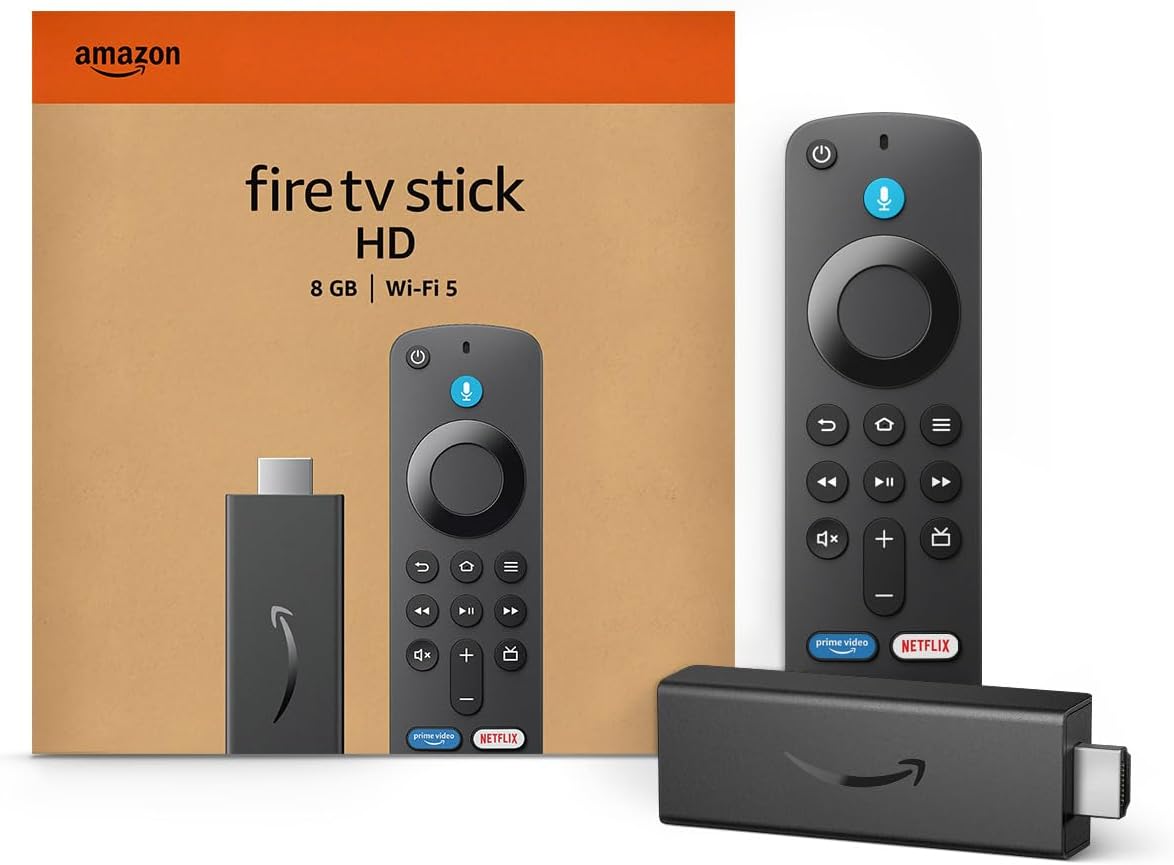
Amazon Fire TV Stick HD
Turn Any TV to a Smart TV. Stream Netflix, Prime Video & More. Alexa Voice Remote Included. Easy Plug & Play Setup.
Shop on AmazonIf you don’t manage storage regularly, your TV can become sluggish or refuse new installations. You can also free up space by resetting the Smart Hub or, as a last resort, performing a factory reset. Learning these options helps you keep your Samsung TV running smoothly without running out of storage. For detailed steps and solutions, see this guide on fixing Samsung TV insufficient storage space.

Understanding the ‘Not Enough Memory’ Issue
When your Samsung TV shows a “Not Enough Memory” message, it means the internal storage has reached its limit. This can disrupt app updates, installations, and overall performance. Knowing what causes memory shortages, what data fills your TV’s storage, and how to recognize the signs will help you address the issue effectively.
Common Causes of Samsung TV Memory Problems
Your Samsung smart TV comes with limited internal storage, typically between 2 to 8 GB. This space fills up as you download apps, save app data, and perform software updates. One major cause is installing too many apps or apps that require large amounts of storage.
Cached data also accumulates over time. Temporary files from streaming apps or system processes can take up significant space. Preinstalled apps, which cannot be easily removed, contribute to this storage demand.
Frequent software updates and system logs additionally consume memory. When you ignore these factors, your TV may warn you about insufficient storage, leading to app crashes and update failures.
If you find yourself constantly deleting apps just to make room, the most effective long-term solution is to bypass Samsung’s limited internal storage entirely. Plugging in an Amazon Fire TV Stick 4K Max gives you a much faster interface and its own dedicated storage, so you never have to worry about your TV’s ‘Memory Full’ errors again.

Types of Data Consuming TV Memory
The key types of data using your Samsung TV’s memory include:
- Apps: Both downloaded and preinstalled apps occupy storage. Some apps store data locally, increasing their footprint.
- Cache: Temporary files from apps like Netflix, YouTube, or browsers help apps load faster but take up ongoing space.
- App Data: This includes login details, offline downloads, and personalized settings, often larger than cache.
- System Files: Operating system updates and background files are essential but also consume space.
Each category plays a part in reducing available memory. Because your TV can’t expand internal storage, managing these data types is crucial to avoid “memory full” errors.
Symptoms of Insufficient Storage Space
You will notice several clear signs when your Samsung TV’s memory is low. The most common symptom is seeing the “Not Enough Memory” or “Insufficient Storage Space” message during app installation or updates.
Performance issues like sluggish navigation, app freezing, or crashes often follow. Some apps may fail to launch, especially the ones that require frequent data storage.
Your TV might also prevent system updates from downloading or installing. These symptoms indicate the internal memory is overburdened and need you to take action by clearing storage or uninstalling unused apps.
For more detailed fixes and management steps, you can check guidance on memory full issues on Samsung TVs.
How to Free Up Memory on Your Samsung TV
Managing storage on your Samsung Smart TV involves clearing temporary files, removing apps you no longer use, and handling downloaded content that can take up space. These steps help maintain smooth performance and avoid memory full errors.
Clear Cache and App Data
Your Samsung TV stores cache files to help apps run faster, including recent search history and viewed content. Over time, these files accumulate and consume significant memory. To clear the cache, go to Settings > Support > Device Care > Manage Storage. Select each app, then choose Clear Cache to free space without deleting important user data.
If clearing cache isn’t enough, you can also delete app data, which resets the app to its original state. This removes downloaded videos and saved account information. Follow the same steps as clearing cache but select Clear Data instead. Both actions are especially useful for Samsung Smart TVs made from 2020 onward, as these models provide native options for these tasks.
Uninstall Unused Applications
Apps can take up valuable storage on your Samsung TV, often consuming space even if you rarely use them. Removing unused apps is one of the fastest ways to free up memory.
To uninstall, press the Home button on your remote and navigate to Apps > Settings. Highlight any unwanted apps and select Delete. For older models, the menu options may vary slightly, but the process remains similar. Note that some preinstalled apps like Netflix or YouTube cannot be deleted through standard menus, but enabling Developer Mode allows you to remove certain preinstalled apps if needed.
Regularly reviewing and uninstalling unnecessary apps helps keep your Samsung TV’s memory from reaching full capacity and maintains overall speed.
Remove or Manage Downloaded Files
Some apps allow you to download content directly to your Samsung Smart TV, which can quickly fill internal storage. To free memory, delete old downloads within these apps, such as offline videos or cached media.
For downloaded files stored outside apps, check your Samsung TV’s storage section via Settings > Storage and Reset. From here, you can view files and remove those no longer needed. Using an external USB drive to offload downloads is also an effective option, especially if your device supports formatting the drive as additional storage.
Managing downloaded files regularly prevents them from silently consuming your Samsung TV memory and helps avoid storage warnings. For detailed help with clearing app data or using external storage, visit this guide on freeing storage space on Samsung TVs.
Expanding Storage and Preventing Memory Issues
When your Samsung TV shows messages about insufficient storage space, you can address these by adding external storage and optimizing its settings. Properly expanding storage enhances performance and prevents frequent memory errors.
Add External Storage Via USB
You can increase your TV’s available memory using a USB flash drive. Most Samsung TVs have multiple USB ports designed to support external storage devices, which enables you to store apps, data, and cache externally, freeing up the internal memory.
Choose a USB drive with at least 32GB capacity for better longevity and space. To use it, plug the device into a USB port on your TV. Then, access your TV’s settings and format the drive for device storage, so the system can recognize and utilize it efficiently. Keep in mind that only certain Samsung TV models fully support this feature; check compatibility before purchasing.
This approach is cost-effective and straightforward, helping you avoid the limitations of built-in memory that can’t be physically upgraded.
A compact, high-speed option like the SanDisk 64GB Ultra Flare is perfect for this. Its metal casing helps dissipate heat while it’s plugged into your TV 24/7, and the 64GB capacity provides more than enough room for dozens of apps and system cache files.

Choose the Right Storage Format (e.g., FAT32)
Selecting the correct file system format for your external drive is critical. Samsung TVs typically require USB drives formatted to FAT32 or exFAT for seamless compatibility. FAT32 is widely supported but works best with drives up to 32GB, while exFAT supports larger drives but may not be recognized by all TV models.
Formatting to FAT32 ensures your TV can read and write data without errors. You can format the USB drive on your TV through Settings > Storage and Reset, or use a computer with built-in formatting tools if your TV doesn’t offer formatting options.
Avoid using NTFS or other file systems, as these often cause recognition failures or slow performance. Proper formatting optimizes read/write speeds and stabilizes your TV’s interaction with the external storage.
Configure Storage Settings for Optimal Performance
After adding external storage, configure your Samsung TV settings to maximize efficiency. Navigate to Settings > Storage and Reset to manage devices and allocate storage usage.
Set your USB drive as the preferred storage for app installations and data when possible. Clearing cache and app data regularly helps maintain free space and reduces the chance of “not enough memory” notifications. You can also monitor storage usage within Device Care to preempt storage issues.
Be sure to eject USB devices properly before removal to prevent data corruption. Keeping your storage well-managed extends your TV’s responsiveness and helps avoid interruptions due to insufficient storage space.
For detailed steps on formatting and managing external storage, see this guide on expanding memory on Samsung Smart TV.
Keeping Your Samsung TV Running Smoothly
Maintaining optimal performance on your Samsung TV involves managing software updates, regularly clearing storage, and knowing when a factory reset is necessary. These actions help prevent memory issues and keep your device responsive.
Update Your Samsung TV Software
Keeping your Samsung Smart TV software up to date is crucial. Each update can include bug fixes, security patches, and performance improvements that optimize your TV’s memory management.
To update, press the Home button, navigate to Settings, then select Support > Software Update > Update Now. Ensure your TV is connected to the internet for smooth downloading.
Regular software updates can prevent memory errors caused by outdated system files. Skipping updates can lead to slower performance or compatibility problems with apps. Set your TV to update automatically if possible, so you don’t have to check manually. If you experience persistent memory issues, confirming you have the latest firmware is a good first step.
Regular Storage Maintenance Tips
Managing storage effectively on your Samsung TV can prevent “memory full” errors. Begin by uninstalling apps you no longer use. Go to Apps, open Settings, highlight the app, and select Delete.
Clearing app cache and data is also important. On newer models, this is done by navigating to Settings > Support > Device Care > Manage Storage, then selecting apps to clear cache or data.
Using an external USB drive can extend your storage but requires formatting it as device storage via Settings > Storage and Reset. This lets you offload apps and content without affecting internal memory.
Doing these steps periodically—about once a month—helps maintain free space and keeps your Samsung TV responsive.
When to Consider a Factory Reset
If your Samsung TV still reports insufficient storage after regular maintenance, a factory reset might be necessary. This resets all settings and removes all downloaded apps and data, restoring your TV to its original state.
To reset on newer models, go to Settings > General > Reset, enter your PIN (default is 0000), and confirm. Older models use Support > Self Diagnosis > Reset.
Use factory reset as a last resort because it deletes personalized settings and requires you to set up your TV from scratch. After resetting, only reinstall essential apps, and monitor storage regularly to avoid recurring memory problems.