
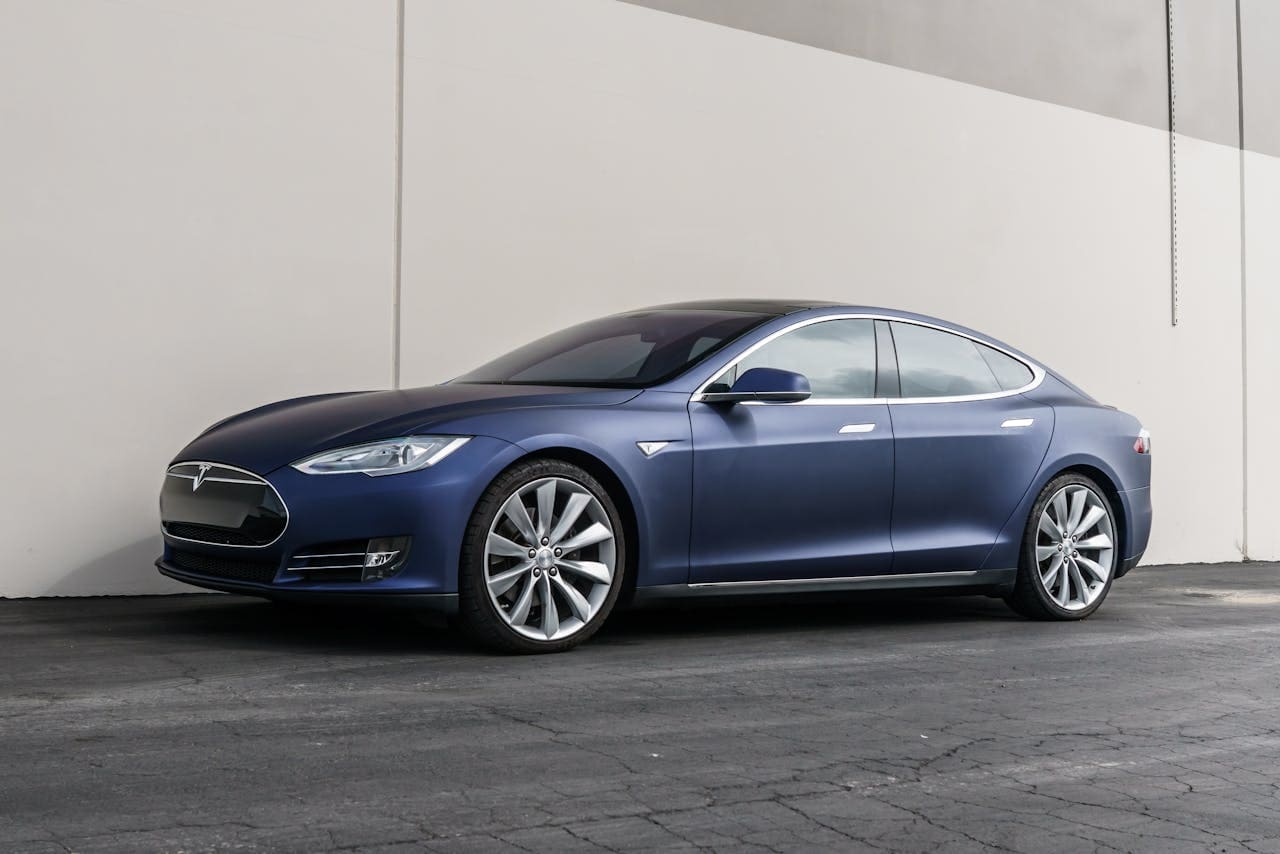
If your Tesla driver profile is not working properly, it can disrupt the convenience of automatic seat, mirror, and steering wheel adjustments. The most common cause is a software glitch, which can often be resolved by rebooting the car or re-linking your phone and profile settings.
In some cases, the issue may stem from improper profile syncing or calibration problems within the vehicle’s system. You might need to manually switch profiles through the touchscreen or recalibrate your seat and steering settings in the service menu to restore full functionality.
Understanding how Tesla profiles interact with your phone key and the software updates can help you troubleshoot quickly. Issues like profiles not loading consistently or settings not saving are frequently reported and usually fixable through simple adjustments or system resets. For more details about these scenarios visit Tesla driver profile troubleshooting discussions.
Best Bluetooth OBD2 Scanner
Detect 39,000+ Issues With Enhanced Codes. Save $1000s on car repairs & buying used vehicles by diagnosing problems yourself.
Shop on Amazon
Common Problems With Tesla Driver Profiles
Tesla driver profiles are designed to personalize your vehicle settings, but you may encounter issues like profiles not loading, automatic switching failures, or changes not saving. These problems can affect key features such as seat position, mirror adjustments, and key recognition, impacting your overall driving experience.
Profile Not Loading or Displaying
If your Tesla driver profile does not load or display consistently, you might notice settings defaulting to a generic profile or requiring manual selection each time you enter the vehicle. This issue is often linked to connectivity problems between your phone’s Bluetooth and the car, or internal software glitches.
For example, Bluetooth low-energy (BLE) sensor malfunctions on the driver’s side can cause the profile not to activate properly. You might also experience random failure in features tied to the profile, such as the trunk auto-opening. Troubleshooting steps include deleting paired devices and reconnecting them, rebooting the car’s system, and ensuring your Tesla software is up to date. Persistent failures usually require professional service to diagnose potential hardware faults or sensor mismatches.
Failure to Switch Profiles Automatically
Your Tesla should switch to the correct driver profile automatically when it recognizes an authorized key or phone. If this isn’t happening, it may be due to incorrect Bluetooth priority settings or interference from multiple devices nearby.
Make sure the Tesla “Nearby Interactions” setting is enabled on your paired phones. Sometimes, profiles do not switch because key fobs or phone keys are not properly linked to the specific driver profiles. The system prioritizes the closest recognized key, but if multiple keys are near, the car might default to the wrong profile or none at all. You can verify and manage linked keys through the Tesla app or car touchscreen settings.
Driver Profile Not Saving Changes
When changes to your Tesla driver profile—such as seat adjustments, climate preferences, or saved radio stations—do not save, it usually points to a cloud synchronization failure or corrupted profile data. This can happen if your Tesla account experiences server issues or if there are conflicts between local and cloud-stored profiles.
If you rely on cloud-based profiles synced with your Tesla account, sudden deletions or resets may force you to create local profiles stored only on the car. Local profiles tend to be more stable but lack portability across vehicles. To minimize saving issues, ensure your vehicle and Tesla app are running the latest versions, and confirm your account credentials are accurate. If your profile keeps deleting or reverting, creating a local profile can be a practical workaround.
For more details on troubleshooting Tesla driver profiles, check this discussion on driver profiles not loading and sensor issues.
Troubleshooting Steps for Profile Issues
When Tesla driver profiles fail to load or apply settings properly, pinpointing the cause requires a structured approach. Common aspects to focus on include profile reset procedures, physical calibration of adjustable components, and the connectivity between your phone key, app, and vehicle.
Resetting and Reconfiguring Profiles
Start by deleting the problematic driver profiles from your Tesla to clear any corrupted settings. Navigate to the driver profile menu and remove each profile you want to reset. After this, recreate the profiles fresh, carefully assigning them to the correct phone keys.
It’s also helpful to unpair and re-pair your phone’s Bluetooth connection with the car. This often resolves issues where profiles don’t automatically switch upon entry. A full reboot of your Tesla system can refresh software processes linked to profile loading.
If profiles keep deleting or not saving, check that your Tesla app is up-to-date and that your vehicle’s software version supports driver profile cloud syncing to avoid compatibility glitches.
Calibrating Seats, Mirrors, and Steering Wheel
Profile issues often manifest as failure to adjust seats, mirrors, or steering yoke. First, manually adjust these components to your preferred positions. Save the new settings explicitly in your driver profile before exiting.
Some Tesla models require deliberate calibration steps after resetting profiles. After saving, verify that switching between profiles correctly repositions hardware by opening and closing the door or locking/unlocking the car with your phone key to prompt a fresh profile load.
If adjustments still don’t save or apply, a deeper diagnostic might be necessary. Issues with hardware sensors or communication modules—like Bluetooth endpoints—can prevent proper calibration.
Resolving Phone Key and App Connection Problems
Your Tesla uses the phone key and app as triggers to load associated driver profiles. If profiles don’t switch automatically, first confirm your phone’s Bluetooth is active and set to “Nearby Interactions” enabled for Tesla services.
Try deleting the car from your Tesla app and re-adding it after a fresh app restart. Also, delete the phone key from the car’s Bluetooth settings and then reconnect it. This can resolve miscommunications between the car’s sync system and your device.
If trunk auto-opening or unlocking features tied to the phone or watch key are inconsistent, these symptoms may point to Bluetooth hardware faults, such as BLE endpoint communication loss. If so, scheduling a service appointment is advisable. For more details on similar user experiences, consult discussions about driver profile problems on Tesla Motors Club.
Understanding the Role of Easy Entry
Easy Entry is designed to streamline how your Tesla adjusts when you enter and exit. It uses your saved driver profile to set the seat and steering wheel positions automatically. However, understanding how it works and its common issues can help you troubleshoot if it isn’t functioning as expected.
How Easy Entry Interacts With Profiles
Easy Entry relies on your driver profile to recall specific seat and steering wheel positions for both entering and driving. When enabled, it moves the seat and steering wheel to an easy access position as you exit and restores your driving position once you start driving.
The system typically activates when you engage the brake and buckle the seatbelt. However, if you press the brake while buckling the seatbelt simultaneously, the steering wheel memory may fail, even though the seat position still adjusts correctly. This interaction can cause confusion but is a known issue that does not appear in the manual. It’s important to set your profile correctly and use Easy Entry settings for smooth operation. You can learn more details about how profiles affect Easy Entry in Tesla’s driver profiles documentation.
Common Easy Entry Malfunctions
Several issues can cause Easy Entry to not work properly. System or software glitches may prevent the steering wheel or seat from adjusting. Misconfigured driver profiles or recent changes can also disrupt settings.
Additionally, pressing and holding the brake pedal while buckling your seatbelt can result in the steering wheel failing to lower or extend to the saved position. External factors like Valet Mode or physical limitations in seat or steering range may interfere as well.
Common troubleshooting steps include deleting and re-adding your profile, performing a hard reboot on your Tesla, and recalibrating the seat and steering wheel. Checking for software updates can also resolve bugs. For a detailed troubleshooting guide, see Tesla Easy Entry troubleshooting tips.
Disabling or Adjusting Easy Entry Settings
You control Easy Entry through your driver profile settings. To disable it, simply uncheck the “Use Easy Entry” box within your profile. This stops automatic seat and steering adjustments upon entry and exit.
If you want to customize Easy Entry, start by saving a driver profile with your preferred steering wheel and seat positions. Then enable Easy Entry to use these settings. You can tweak these positions at any time and resave to update the Easy Entry configuration.
If you experience malfunctions, try resetting Easy Entry by deleting all profiles, rebooting your Tesla, and then adding profiles back without enabling Easy Entry initially. After multiple exits and entries, enable Easy Entry again. More detailed instructions are available in discussions like those found on the Tesla Motors Club forum.
Adding and Managing Drivers in Tesla Vehicles
You can control which drivers have access to your Tesla vehicle through the Tesla app. Managing profiles allows you to share your EV securely, set driver permissions, and maintain control over vehicle features. The process involves adding, removing, and ensuring compatibility between accounts and app versions.
Adding a New Driver Profile via the Tesla App
To add a new driver to your Tesla, start by opening the Tesla app and selecting your vehicle. Navigate to Security & Drivers and tap Add Driver. You will need to enter the email or phone number of the person you want to invite. They must have or create a Tesla account to accept the invitation and link their profile to the car.
You can add up to five drivers per vehicle. Added drivers gain access to most app features but cannot manage payment methods, purchase upgrades, or remove other drivers. This method avoids sharing your personal credentials directly, increasing security. If the option to add a driver doesn’t appear, try using a desktop browser to access your account, as it may offer better functionality than the mobile app.
Removing and Editing Existing Driver Profiles
If you want to remove or edit a driver, go to the same Security & Drivers menu in the Tesla app, then select Manage Drivers. Find the driver’s name, then tap Remove to revoke access. Confirm your choice when prompted.
Editing driver permissions is limited in the app, but removing and re-adding profiles is an effective way to refresh access. Keep in mind, only the primary owner can add or remove drivers. Changes reflect almost immediately, taking effect once the driver’s app synchronizes with the vehicle. This helps you maintain control over who can operate your EV and what features they may use.
Account Compatibility and App Version Requirements
Tesla requires the driver’s account region to match or be compatible with the primary owner’s country settings. Discrepancies here can prevent adding a new driver. Both you and new drivers should use the latest Tesla app version to avoid software bugs or limitations.
Incompatibility between Tesla app versions on different devices sometimes causes synchronization issues with driver profiles. Ensure that all drivers update their Tesla app regularly for smooth interaction. If problems persist, logging out and back into the app or contacting Tesla support can resolve most connectivity or permission problems.
Software, Account, and Environmental Factors
Tesla driver profile issues often stem from software glitches, account mismatches, or interference caused by device conflicts. Understanding these factors can help you identify and address why your profile might not be working as expected.
Software Updates and Compatibility Issues
Tesla’s cloud driver profile feature relies heavily on the latest software version for proper function. If your vehicle’s firmware is outdated or if you have software bugs, your profile might not appear or sync correctly. Tesla periodically releases over-the-air (OTA) updates that fix known bugs, including profile display problems.
If your profile disappears after repairs involving the car’s computer or after connectivity interruptions, it’s likely due to a software incompatibility. Keep your vehicle updated and be aware that newly delivered EVs might initially run factory versions that lack full cloud profile integration. You can check the current software version in your settings and monitor Tesla’s update notes for relevant fixes.
Geographic and Account Region Mismatches
Tesla driver profiles are linked to your Tesla account and cloud servers, which work best when your account region matches the vehicle’s configuration. If there’s a mismatch—such as your Tesla account region differing from your vehicle’s physical location or the app’s region—cloud profiles might fail to sync.
Additionally, Tesla requires account ownership verification tied to the vehicle for profile access. If your account information, such as your email or region, isn’t properly recognized, your profile might not show up. Verifying and ensuring your Tesla app, vehicle, and account share consistent regional settings can help minimize these problems.
Resolving Interference From Multiple Devices
If you use multiple devices as keys or share your Tesla with family members, device conflicts can disrupt driver profile recognition. The car automatically associates driver profiles based on the Bluetooth key proximity, but overlapping signals sometimes prevent correct profile switching.
To troubleshoot, make sure only one recognized phone or key fob is near the car during startup. Removing and re-pairing devices often helps. Also, disabling unnecessary Bluetooth connections on phones or clearing and re-adding your phone as a key in the Tesla app can restore proper syncing of your driver profile with the vehicle.