
If your Tesla’s green light chime isn’t working, it’s often because the feature is disabled in the settings. You need to manually enable the Green Traffic Light Chime inside the Autopilot menu for it to function. Even if it’s toggled on, software updates or glitches might temporarily disrupt the sound.
This chime is designed to notify you when traffic lights turn green, but it won’t always play if you start moving quickly or if certain Autopilot features are engaged. Understanding how to check and adjust these settings will help you restore the alert and avoid missing green lights. For more details, see this explanation on enabling the chime.

Key Reasons the Tesla Green Light Chime Stops Working
When the green light chime isn’t functioning, it’s usually due to settings, software, or hardware factors. These issues affect whether your vehicle alerts you when a traffic light turns green, which can impact your driving awareness and timing.
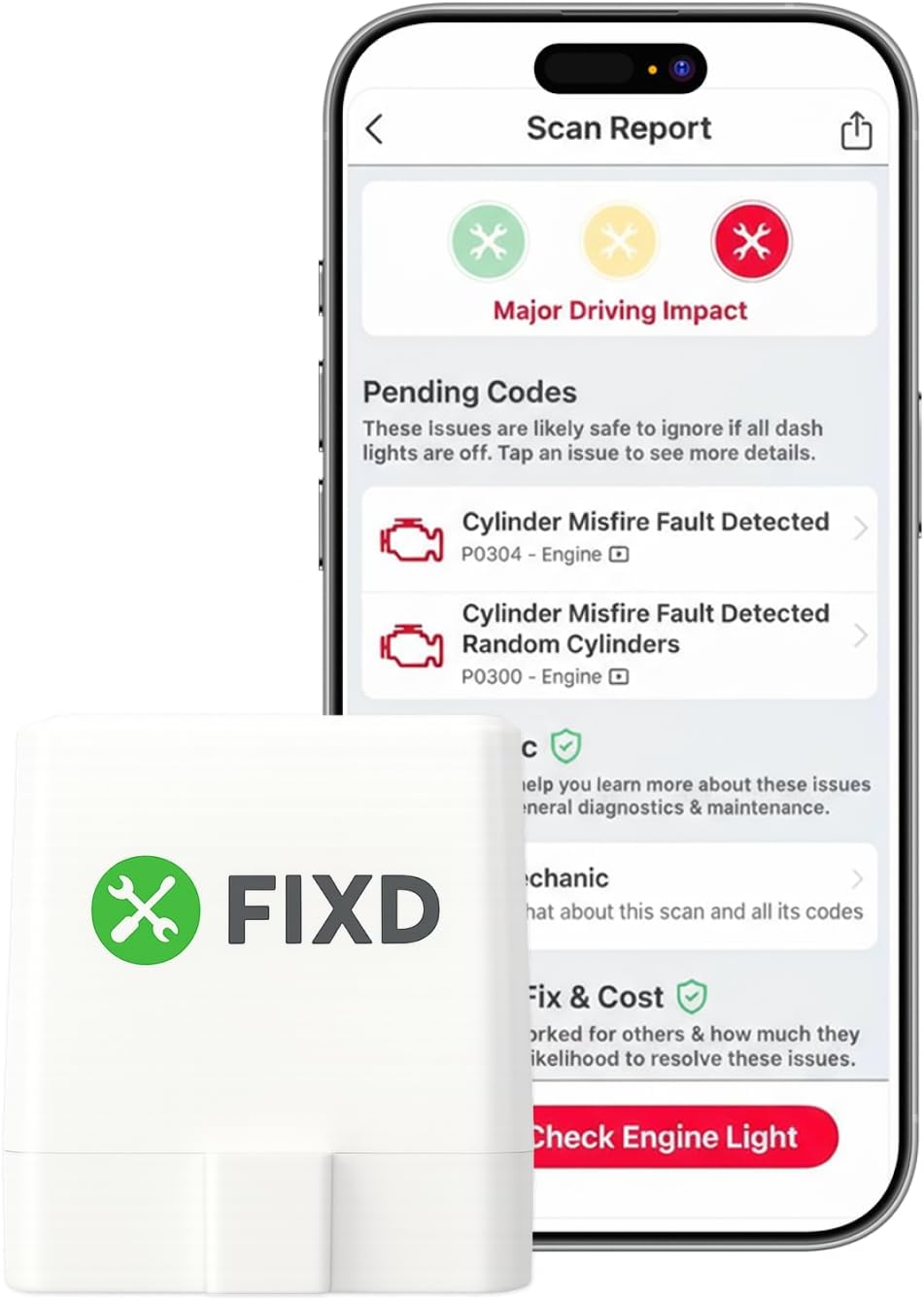
Best Bluetooth OBD2 Scanner
Detect 39,000+ Issues With Enhanced Codes. Save $1000s on car repairs & buying used vehicles by diagnosing problems yourself.
Shop on AmazonGreen Light Chime Setting Disabled
The green light chime is not enabled by default in most Tesla vehicles. You have to manually turn it on through the Autopilot settings. To do this, tap the car icon, open Autopilot, and scroll to find the toggle for the green light chime.
If the setting is off or accidentally toggled off, the chime won’t sound even at green lights. This is the most common reason why the notification stops working after a software update or reset.
If you’ve confirmed the option is enabled but still don’t hear the chime, it’s worth toggling the setting off, then on again to force a reset. This process can fix minor glitches temporarily affecting the chime’s performance.
‘Joe Mode’ and Other Audio Settings
Tesla’s Joe Mode lowers the overall volume of chimes and alerts to minimize disturbance while driving with passengers, especially children. If Joe Mode is activated, you may notice the green light chime is significantly quieter or almost inaudible.
Other audio settings like media volume, notification volume, or Bluetooth audio sources can also interfere with chime audibility. Even if the chime works, low volumes or audio routing (e.g., headphones or external devices) can mask it entirely.
Make sure system sounds and notification volumes are set at audible levels. Also, check your audio source and disable Joe Mode if you want the chime at normal volume.
Software Bugs and Updates
Tesla periodically updates its software, which can introduce bugs impacting features, including the green light chime. Some users report that after specific updates, the chime stops working or disappears from settings altogether unless you have Full Self-Driving (FSD) enabled.
Certain updates might also limit the chime’s functionality based on Autopilot or FSD activation status. Vehicles without FSD have experienced the removal of the chime until re-enabled or software patches roll out.
If the green light chime stops suddenly after an update, check your Tesla forums or official channels for known issues. Tesla’s response often involves releasing a follow-up update to restore full functionality.
Hardware Issues: MCU and Sensors
The green light chime depends on your vehicle’s Media Control Unit (MCU) and cameras or sensors detecting when a traffic light changes. Older MCU versions or malfunctions can disrupt the signal that triggers the chime.
Faulty cameras or miscalibrated sensors may fail to recognize the traffic light state reliably. This can prevent the chime even if your settings and software are correct.
If you suspect hardware issues, diagnostic scans or factory resets won’t always help. It may require a Tesla service appointment for hardware inspection or MCU replacement to restore green light chime operation.
Step-by-Step Troubleshooting Process
When the green light chime stops working, quickly identifying and addressing the root cause can save time and prevent frustration. You’ll need to confirm the chime is enabled, adjust audio or profile settings, possibly reset your Tesla’s system, and consider reporting persistent issues to Tesla.
Checking and Enabling the Green Light Chime
First, ensure the green light chime feature is turned on in your Tesla’s settings. It is not enabled by default after software updates like 2022.20 or later.
To do this:
- Tap the ‘car’ icon on your touchscreen.
- Go to the ‘Autopilot’ menu.
- Scroll down and locate the ‘Green Traffic Light Chime’ toggle.
- Activate it by switching it on.
If it’s already enabled and still silent, confirm you’re actually stopped at a red light or waiting behind a vehicle under normal conditions. The chime won’t trigger if Autopilot or Traffic-Aware Cruise Control is actively moving your vehicle forward. Also, check if your software version supports this feature, particularly if you disabled Full Self-Driving (FSD) recently, as some updates affect the chime when FSD is off (Tesla Owners Online Forum).
Adjusting Audio and User Profile Settings
Your audio settings can impact whether you hear the green light chime. Check the master volume and chime-specific volume levels.
Steps to verify audio:
- Ensure your media volume isn’t muted or too low.
- In the settings menu, explore ‘Sound’ or ‘Alerts’ sections to adjust chime volumes.
- Switch between user profiles if you have multiple user settings stored, as profiles can have distinct configurations.
A common issue occurs if the chime volume is low or overridden by connected Bluetooth devices. Disconnect Bluetooth accessories temporarily to test if the chime sounds under standard audio output.
This approach helps isolate whether sound settings or potential Bluetooth conflicts are causing the green light chime failure.
Performing a Tesla System Reset
If settings are correct and audio levels sufficient but the chime remains inactive, a system reset can resolve software glitches.
To reset your Tesla:
- Press and hold both scroll wheels on the steering wheel simultaneously until the touchscreen turns black.
- Release after the Tesla logo appears, and wait for the system to reboot (usually under two minutes).
This soft reset clears temporary system errors without affecting personal data.
If you are using an older MCU or FSD Beta software, you might consider rebooting those systems separately or updating the software to the latest available build.
Regular resets sometimes restore the green light chime function, especially if the vehicle has been running for prolonged periods without a restart (Tesla Motors Club).
Filing a Bug Report with Tesla
When all practical steps fail, and the green light chime still doesn’t work, you should notify Tesla directly.
To submit a bug report:
- Use the ‘Tesla app’ or ‘Contact Support’ feature in your vehicle’s touchscreen.
- Provide details on your vehicle model, software version, and the problem specifics.
- Mention any troubleshooting steps you’ve already tried to speed up the process.
Tesla actively tracks chime-related issues, especially after major software updates. Reporting your issue can help engineers identify and patch bugs quickly while providing you updates about fixes or recalls.
Keep records of your reports and check Tesla’s release notes periodically for any chime-related improvements. Reporting helps ensure your vehicle functions at its best and could trigger a targeted software update.
Common Fixes and Preventive Measures
To troubleshoot and maintain your Tesla’s green light chime, focus on ensuring your software is up to date, managing your user profiles properly, and addressing any issues related to your MCU hardware. These steps target the most frequent causes of the chime stopping or working inconsistently.
Updating Tesla Software
Keeping your Tesla’s software current is critical for the green light chime to function correctly. Software updates often include bug fixes that may resolve glitches causing the chime to stop working.
You should regularly check for updates in your vehicle’s settings. Some users with MCU1 reported the chime was restored after installing specific updates like version 2022.8.10.15. Tesla frequently refines features and resolves issues related to chime behavior in these releases.
If you notice intermittent or complete loss of the chime, filing a bug report through the car’s interface can help Tesla prioritize a fix. Also, be aware that some updates might temporarily disable the chime if you do not have FSD enabled, so review your settings after each update.
Resetting or Recreating User Profiles
The green light chime setting is linked to your Tesla user profile. If the chime suddenly stops working, creating a new user profile may restore the feature.
Start by disabling “Joe Mode,” which mutes many sounds including the green light chime. If the chime still does not work after this, try deleting your current profile and setting up a new one. Sometimes, corrupted profile settings cause the chime to fail.
Be sure to save your preferences under the new profile and test the chime’s functionality. While this solution helps some owners, it is less effective if the issue stems from software or MCU-related hardware problems.
Addressing MCU Hardware Concerns
In some Tesla models, especially those with MCU1, hardware limitations can affect the green light chime’s performance. Failures in the MCU may lead to the chime not sounding at all.
If software updates and profile resets do not solve the issue, consider checking your MCU version. Upgrading to MCU2 has resolved many users’ problems with sound features, including the green light chime.
Hardware degradation can be gradual, with symptoms like intermittent chimes or loss of other audio functions such as Homelink. If you suspect this, consulting Tesla service for diagnostics or MCU upgrade options is advisable.
Taking action on these hardware concerns can prevent further loss of sound features in your vehicle.
Tips for Reliable Green Light Chime Performance
To keep your green light chime working effectively, focus on maintaining strong system connections, using the feature as intended, and staying informed on software updates. Small adjustments in settings and habits can ensure you don’t miss the alerts that help with safe driving.
Ensuring Consistent Connectivity
Your green light chime depends heavily on the car’s ability to detect traffic signals accurately. Ensure your vehicle’s sensors and cameras are clean and unobstructed. Dirt, debris, or damage can prevent the system from recognizing lights.
Stable software and network connectivity also contribute to the feature’s reliability. Make sure your Tesla’s firmware is up to date since many fixes related to green light chime bugs are addressed in updates. If you experience issues, performing a system reboot can restore normal function by refreshing active processes.
Lastly, check that your user profile settings have the chime enabled, and avoid “Joe Mode,” which can mute alerts. Creating a new user profile may help if the feature malfunctions repeatedly.
Best Practices for Feature Usage
The green light chime activates only if you delay at a green light, so don’t lightly press the accelerator before the light changes. If you accelerate too early, the chime won’t sound because the system assumes you’re moving through the intersection with intent.
Use the feature only during manual driving. It will not trigger when Autopilot or FSD is actively controlling the vehicle, as those systems follow their own signaling protocols.
Be patient with occasional misses; the chime is designed as a helpful reminder, not a flawless alert. Inconsistent sounds can occur due to environmental factors like rapid traffic light timing changes or sensor sensitivity.
Monitoring Feature Changes in Release Notes
Tesla regularly updates its software and sometimes modifies how features like the green light chime behave. Always review the release notes after an update to understand changes affecting the chime.
Look for information on bug fixes or known issues in the notes. If a new version introduces green light chime problems, Tesla often issues follow-up patches quickly.
Consider forums or owner clubs where users share their experiences after updates. This can provide early warnings about feature disruptions and workarounds before official fixes arrive. Checking these will keep you ahead in maintaining green light chime functionality.
More detailed guidance on managing green light chime issues can be found on forum discussions like those at Tesla Motors Club or Tesla Owners Online Forum.