
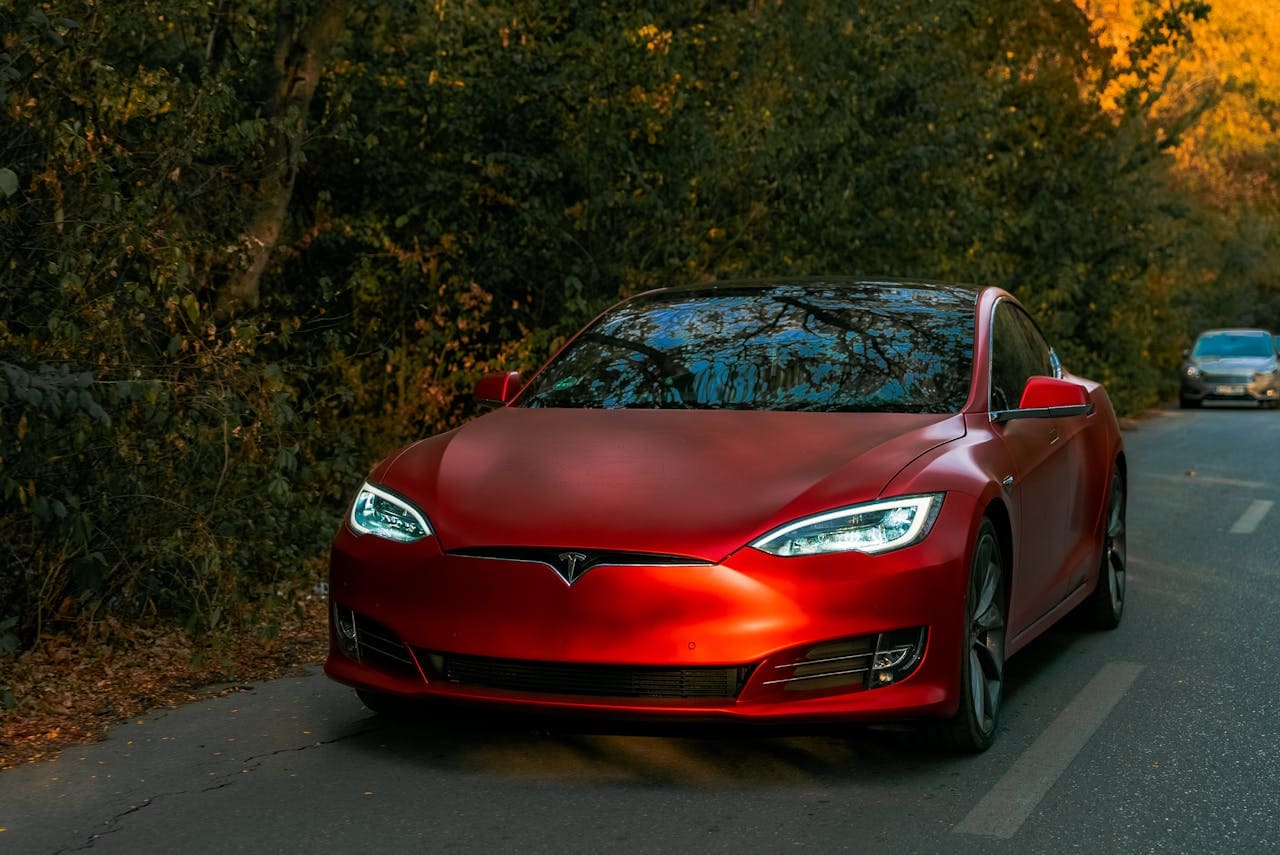
Tesla Model S door handles are known for their sleek design and innovative retractable mechanism, but they’re also notorious for getting stuck or failing to extend properly. These sophisticated door handles rely on complex internal mechanisms that can malfunction due to various factors, leaving you locked out of your own vehicle.
Tesla Model S door handle problems typically stem from broken paddle gears, worn-out sector mechanisms, electrical sensor failures, or frozen components during winter weather. Solutions include manual handle reset procedures, paddle gear replacement, electrical connector cleaning, firmware calibration, and professional component replacement depending on the specific failure mode.

Reasons Tesla Model S Door Handle Issue
Tesla Model S door handles employ a complex retractable mechanism that extends when you approach the vehicle and retracts when not in use. This sophisticated system includes multiple components that can fail independently or simultaneously, creating various malfunction patterns.
The paddle gear represents the most common failure point in Tesla Model S door handles. This small plastic component transfers force from the handle pull to the door latch mechanism, and it frequently breaks under normal use conditions due to material fatigue.

Best Bluetooth OBD2 Scanner
Detect 39,000+ Issues With Enhanced Codes. Save $1000s on car repairs & buying used vehicles by diagnosing problems yourself.
Shop on AmazonSector gear failures also contribute significantly to door handle problems. The sector gear works in conjunction with the paddle gear to extend and retract the handle mechanism, and when it fails, the handle may not extend properly or may become stuck in the extended position.
Primary failure components in Tesla Model S door handles:
- Paddle gear breakage from repeated use cycles
- Sector gear wear causing misalignment issues
- Motor assembly failures preventing extension/retraction
- Position sensor malfunctions affecting handle timing
- Electrical connector corrosion disrupting communication
- Wire harness damage from door opening/closing cycles
Environmental factors play a significant role in door handle failures. Cold weather can cause plastic components to become brittle, while moisture infiltration can damage electrical connections and cause corrosion that affects handle operation.
Additionally, the door handle microswitches can fail over time, preventing the vehicle from recognizing handle pulls and responding appropriately to unlock requests. These switches are crucial for the handle’s communication with the vehicle’s central computer system.
Furthermore, software glitches in the vehicle’s control system can cause door handles to behave erratically, failing to extend when approached or retracting unexpectedly during use.
“Tesla Model S door handle failures occur in approximately 15-20% of vehicles within the first 5-7 years, with paddle gear breakage being the most common cause requiring repair.” Automotive Component Reliability Institute
Manual Reset and Emergency
When your Tesla Model S door handle becomes stuck or unresponsive, several manual reset procedures can restore functionality temporarily or permanently depending on the underlying issue. These methods provide immediate solutions for accessing your vehicle.
Power cycling the vehicle often resolves software-related door handle issues. Place the vehicle in Park, press and hold both steering wheel scroll buttons until the touchscreen restarts, then test handle functionality after the system fully reboots.
Manual handle extension can sometimes break loose stuck mechanisms. Gently pull the handle while simultaneously pressing the door handle button inside the vehicle to manually cycle the mechanism and potentially clear minor obstructions.
Emergency door handle reset procedures:
- Perform vehicle power cycle through touchscreen restart
- Manually extend handle while pressing interior door button
- Use Tesla mobile app to unlock doors if handles won’t extend
- Access service mode to run door handle calibration routine
- Try the 12V battery disconnect method for complete system reset
- Use mechanical key override if equipped on your model year
The Tesla mobile app provides backup access when door handles fail completely. Use the app’s unlock function to open doors electrically, bypassing the need for handle extension in emergency situations.
Moreover, some Model S vehicles include hidden mechanical key slots behind removable trim pieces. Locate these emergency access points in your owner’s manual and practice accessing them before an emergency occurs.
Additionally, the interior door handles remain functional even when exterior handles fail, allowing exit from inside the vehicle. Familiarize yourself with interior handle locations for all passengers in case of handle system failure.
Consider keeping a portable jump starter in your vehicle as low 12V battery voltage can affect door handle operation, and maintaining proper electrical power helps prevent handle malfunctions.
[affegg id=8]
Paddle Gear Replacement Process
The paddle gear represents the most frequently replaced component in Tesla Model S door handle assemblies. This small plastic gear transfers pulling force from the handle to the door’s latching mechanism, and its failure prevents door opening even when the handle extends properly.
Identify paddle gear failure by observing handle extension without corresponding door unlatching. The handle will extend normally when approached, but pulling it produces no door opening response due to the broken connection between handle and latch.
Accessing the paddle gear requires partial door panel removal and handle assembly disassembly. This process involves removing interior door trim pieces to access the handle mechanism from inside the door cavity.
Paddle gear replacement steps:
- Remove interior door panel using appropriate trim tools
- Disconnect door handle electrical connectors
- Remove Torx T30 screws securing handle assembly
- Carefully extract handle assembly from door
- Disassemble handle housing to access paddle gear
- Replace broken paddle gear with upgraded component
- Reassemble handle with proper lubrication
- Test handle operation before final installation
Third-party upgraded paddle gears offer improved durability compared to original Tesla components. These aftermarket parts use stronger materials and enhanced designs that resist the fatigue failures common in factory components.
Furthermore, proper lubrication during reassembly prevents premature wear and extends component lifespan. Use appropriate automotive grease on moving parts while avoiding contamination of electrical components.
Additionally, handle calibration through the vehicle’s service mode ensures proper operation after component replacement. This procedure teaches the vehicle the new component’s operating characteristics and timing.
Professional installation takes approximately 1-2 hours per handle, while DIY repairs can take 3-4 hours depending on experience level and tool availability.
“Upgraded aftermarket paddle gears demonstrate 3-5 times greater durability than original Tesla components, significantly reducing repeat failure rates.” Tesla Component Engineering Analysis
Electrical System Diagnosis
Tesla Model S door handle electrical systems include position sensors, microswitches, motor assemblies, and communication wiring that can develop faults affecting handle operation. Proper electrical diagnosis identifies specific failure points requiring attention.
Check door handle electrical connections for corrosion, looseness, or damage that can interrupt communication between handles and the vehicle’s control systems. Clean corroded connections with electrical contact cleaner and secure loose terminals.
Position sensors provide feedback to the vehicle’s computer about handle extension status. When these sensors fail, the system may not recognize handle position accurately, causing erratic behavior or failure to respond to user inputs.
Electrical troubleshooting checklist:
- Inspect all electrical connectors for corrosion or damage
- Test 12V battery voltage and charging system health
- Check door handle fuses in vehicle fuse panels
- Verify position sensor functionality through service mode
- Test microswitch operation with multimeter
- Examine wire harnesses for damage from door movement
Microswitch failures prevent the vehicle from detecting handle pulls, even when the mechanical components function correctly. These switches require precise adjustment and clean electrical contacts for reliable operation.
Moreover, 12V battery problems can cause door handle malfunctions as the system requires adequate electrical power for motor operation and sensor communication. Test battery voltage and charging system functionality when handles behave erratically.
Additionally, the CAN bus communication system can develop faults that affect door handle operation. These network issues may require professional diagnosis with specialized Tesla diagnostic equipment.
Wire harness damage from repeated door opening and closing cycles can create intermittent electrical connections that cause sporadic handle failures difficult to diagnose without systematic testing.
Furthermore, moisture infiltration into electrical connections can cause gradual corrosion and resistance increases that eventually prevent proper handle operation.
Software Calibration and Updates
Tesla Model S door handle software controls the timing, force, and position of handle extension and retraction. Software calibration ensures proper operation after component replacement or when handles develop timing issues.
Access the vehicle’s service mode by navigating to Controls > Service on the touchscreen (requires service access code or technician mode). Locate the door handle calibration section and follow the on-screen instructions for affected handles.
Software updates occasionally address known door handle issues through improved control algorithms or timing adjustments. Keep your vehicle’s software current to benefit from these improvements and bug fixes.
Service mode calibration procedure:
- Access service mode through vehicle touchscreen controls
- Navigate to door handle diagnostics section
- Select specific handle requiring calibration
- Follow on-screen instructions for calibration routine
- Allow system to complete automatic calibration cycle
- Test handle operation after calibration completion
- Repeat process if initial calibration fails
Handle position sensors require calibration to establish proper reference points for extension and retraction limits. This process teaches the system the mechanical limits of each handle’s travel range.
Moreover, motor current calibration ensures appropriate force application during handle operation. Incorrect calibration can cause excessive force that damages components or insufficient force that prevents proper operation.
Additionally, timing calibration synchronizes handle extension with approach detection and door unlocking sequences. Proper timing prevents handles from extending too early or too late relative to user approach.
Some software issues require factory reset procedures that clear all learned parameters and restore default operating characteristics. This nuclear option resolves persistent software conflicts but requires complete recalibration afterward.
“Software calibration resolves approximately 30% of door handle issues without requiring hardware replacement, making it the first diagnostic step for malfunctioning handles.” Tesla Service Technical Bulletin
Winter Weather and Frozen Handle Solutions
Cold weather presents unique challenges for Tesla Model S door handles, as ice formation can prevent extension or jam handles in extended positions. Understanding winter-specific solutions helps maintain handle functionality during freezing conditions.
Ice accumulation around handle assemblies blocks mechanical movement and can damage motors attempting to extend handles against frozen resistance. Prevention and proper treatment techniques minimize winter-related handle problems.
Heat application represents the most effective method for freeing frozen handles. Use warm water, hair dryers, or heat guns on low settings to gradually melt ice without damaging paint or plastic components.
Winter handle maintenance procedures:
- Apply isopropyl alcohol to prevent ice formation
- Use Tesla app door unlatch feature for frozen handles
- Warm handles with hair dryer before attempting operation
- Clear snow and ice from handle areas regularly
- Park in heated garages when possible during severe weather
- Apply silicone lubricant to moving parts before winter
The Tesla mobile app includes an “unlatch door” feature that opens doors electrically without requiring handle extension. This function bypasses frozen handle mechanisms entirely, providing reliable access during severe weather.
Furthermore, preventive treatments with alcohol-based solutions can prevent ice formation on handle surfaces and mechanisms. Apply these treatments before storms or when freezing conditions are forecast.
Additionally, regular handle exercise during winter months prevents ice from building up in mechanism gaps and keeps moving parts mobile. Operate handles periodically even when not accessing the vehicle.
Parking strategies that minimize handle exposure to freezing precipitation significantly reduce winter handle problems. Covered parking or strategic vehicle positioning relative to wind and weather patterns helps prevent ice accumulation.
Moreover, silicone-based lubricants resist freezing and maintain effectiveness at low temperatures, providing better winter protection than petroleum-based alternatives.
Consider purchasing a portable electric heater for your garage to maintain above-freezing temperatures that prevent handle ice formation during severe winter weather.
Professional Repair vs DIY Solutions
Tesla Model S door handle repairs range from simple adjustments to complex component replacements requiring specialized tools and technical knowledge. Understanding the scope of different repair levels helps determine when professional service becomes necessary.
Simple troubleshooting including software resets, calibration procedures, and basic cleaning can be safely performed by most Tesla owners without risk of damage or warranty voiding. These basic procedures resolve many handle issues without professional intervention.
Mechanical component replacement including paddle gears, sector gears, and motor assemblies requires automotive repair experience and specialized tools. Improper installation can cause additional damage that increases overall repair costs significantly.
Professional repair services provide warranty coverage, genuine parts access, and diagnostic capabilities that identify root causes rather than just addressing symptoms. Tesla service centers have specialized tools and training for complex handle repairs.
Moreover, improper disassembly can damage delicate components or create safety hazards if door latching mechanisms are affected. Professional technicians understand the safety-critical nature of door systems and ensure proper reassembly.
Additionally, Tesla service centers can access updated technical bulletins, revised parts, and software updates that address known handle issues more effectively than aftermarket solutions.
Cost analysis should consider the complexity of required repairs, tool requirements, and potential consequences of unsuccessful DIY attempts when deciding between professional and self-service approaches.
Furthermore, warranty coverage may apply to handle repairs depending on vehicle age and mileage, making professional diagnosis worthwhile even for mechanically inclined owners.
“Professional Tesla service centers achieve 95% first-time fix rates for door handle issues compared to 60-70% success rates for DIY repairs, particularly for complex electrical diagnoses.” Automotive Service Excellence Institute
Video Credit: Tesla Repair Channel / YouTube
Frequently Asked Questions
Why do Tesla Model S door handles fail so frequently?
Tesla Model S door handles fail frequently due to their complex retractable mechanism that includes multiple moving parts subjected to repeated stress cycles during normal use. The paddle gear, a small plastic component, bears significant force during door opening and commonly breaks after 3-5 years of typical usage patterns.
The sophisticated design prioritizes aesthetics and aerodynamics over mechanical simplicity, creating multiple potential failure points including motors, sensors, gears, and electrical connections. Each component must function correctly for proper handle operation, and failure of any single part can disable the entire handle assembly.
Environmental factors including temperature extremes, moisture exposure, and repetitive cycling accelerate component wear and contribute to premature failures that require repair or replacement to restore functionality.
How much does Tesla Model S door handle repair cost?
Tesla service centers typically charge $500-700 for complete door handle replacement including parts and labor, while individual component repairs like paddle gear replacement cost $200-300 depending on the specific parts required and labor complexity involved.
DIY repairs using aftermarket components can reduce costs to $50-150 for paddle gear kits, though this requires mechanical skill and appropriate tools for safe disassembly and reassembly. Professional installation ensures warranty coverage and proper calibration but comes at premium pricing.
Extended warranty coverage may apply to handle repairs depending on vehicle age and mileage, making professional diagnosis worthwhile even when costs seem high compared to aftermarket repair options.
Can I drive my Tesla Model S with a broken door handle?
You can drive your Tesla Model S with a broken exterior door handle, though safety and convenience are significantly compromised. Interior door handles remain functional for exiting the vehicle, and the Tesla mobile app can unlock doors electronically when exterior handles fail.
Emergency access remains possible through mechanical key slots (if equipped) or by having passengers exit through functional doors and opening the affected door from outside. However, this creates safety concerns during emergencies when quick exit is necessary.
Tesla’s mobile app provides backup door unlocking functionality that bypasses broken exterior handles, allowing continued vehicle use while arranging repairs. However, relying on app-based access creates inconvenience and potential security vulnerabilities.
How long do Tesla Model S door handle repairs take?
Professional Tesla service centers typically complete door handle repairs in 2-4 hours depending on the complexity of required work and parts availability. Simple component replacements like paddle gears can be completed in 1-2 hours, while complete handle assembly replacement requires 3-4 hours.
DIY repairs generally take longer due to learning curves and tool limitations, with first-time repairs often requiring 4-6 hours for careful disassembly, component replacement, and proper reassembly with calibration procedures.
Parts availability significantly affects repair timelines, as genuine Tesla components may require ordering with 1-2 week delivery times. Aftermarket components are generally available more quickly but may require additional research to ensure compatibility and quality.
What tools do I need for Tesla Model S door handle repair?
Basic Tesla Model S door handle repair requires Torx drivers (primarily T30), plastic trim removal tools, electrical contact cleaner, automotive grease, and basic hand tools for connector manipulation. More complex repairs may require specialized pullers and alignment tools.
Panel removal tools specifically designed for automotive trim prevent damage during disassembly, while proper Torx bits ensure secure fastener installation without stripping screws. Digital multimeters help diagnose electrical issues when mechanical problems aren’t obvious.
Access to Tesla service mode for calibration procedures requires the vehicle’s touchscreen interface and appropriate access codes or technician credentials. Some repair procedures also benefit from mobile device access for app-based testing and verification.
Sources:
- Tesla Motors Club Door Handle Discussion
- PimpMyEV Tesla Door Handle Solutions
- Tesla Service Manual Door Handle Procedures
- Brock Automotive Tesla Door Handle Analysis