
Last updated on December 16th, 2025 at 07:24 pm
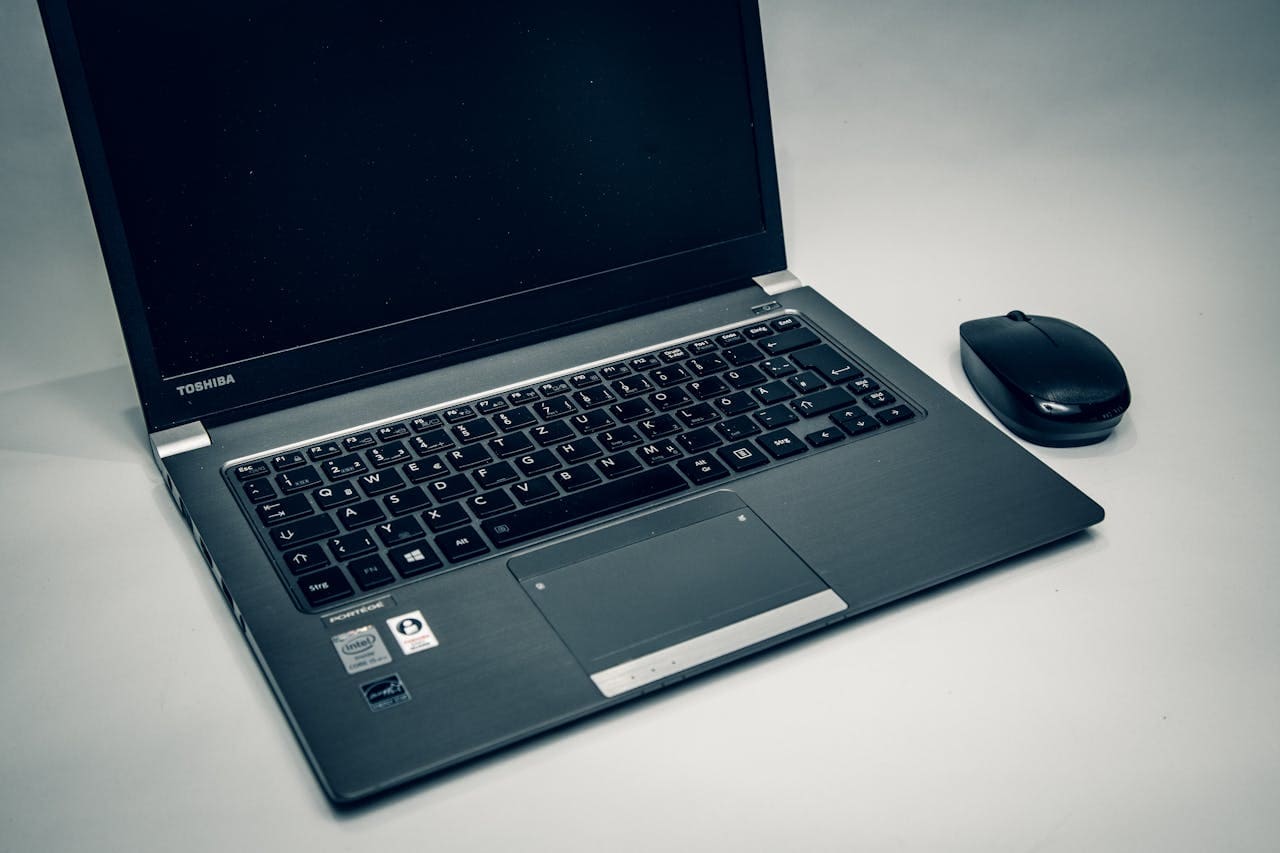
When your Toshiba laptop keyboard suddenly becomes unresponsive, the impact on productivity feels devastating immediately. Whether you’re using a Satellite, Tecra, or Portégé model, keyboard failures can stem from various software conflicts and hardware complications unique to Toshiba’s architecture.
Your Toshiba laptop keyboard isn’t working due to outdated Toshiba software, driver conflicts, Windows compatibility issues, or power management problems. Most cases involve corrupted Toshiba Value Added Package drivers, disabled HID services, or function key locks that prevent normal typing operations.
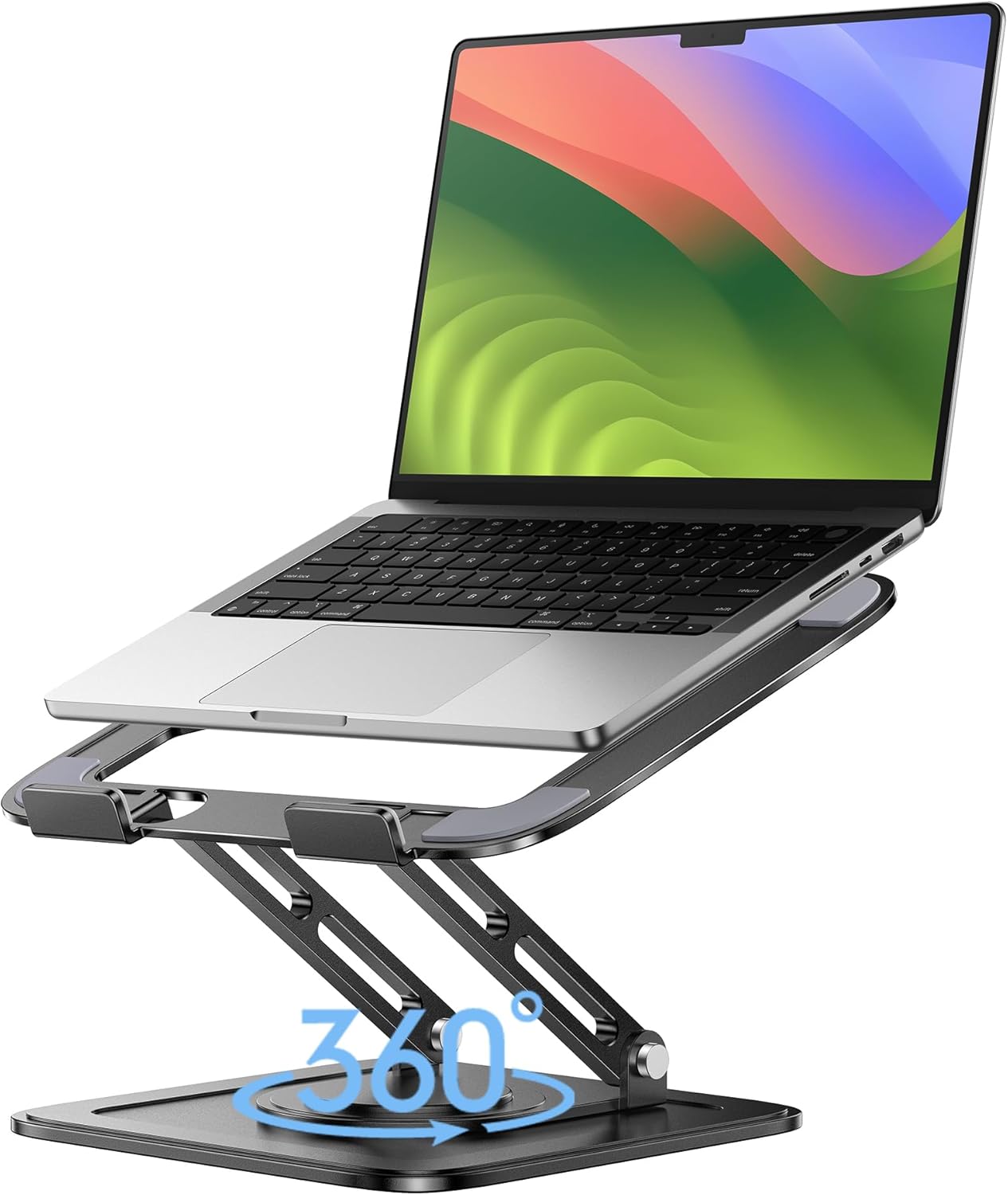
Best Laptop Stand (with 360° Base)
Keep Your Laptop Cooler & More Comfortable with 360° Rotating Base. Improve Airflow & Reduce Heat. Adjustable Height & Viewing Angle.
Shop on Amazon
Toshiba System Architecture
Understanding Toshiba’s unique laptop architecture becomes essential when troubleshooting keyboard problems, as these systems integrate proprietary software layers that don’t exist in other manufacturer designs. Consequently, Toshiba laptops require specialized approaches that address both hardware components and software ecosystems simultaneously.
Moreover, Toshiba’s Value Added Package (TVAP) serves as the foundation for keyboard functionality, controlling everything from function keys to power management integration. When this critical software becomes corrupted or outdated, it creates cascading problems that affect multiple system components beyond basic keyboard input.
The transition period following Toshiba’s laptop division sale to Dynabook has created additional complexity for users seeking driver updates and support resources. As a result, many Toshiba laptop owners face challenges finding current software and driver versions that maintain compatibility with modern Windows systems.
Additionally, Toshiba’s emphasis on business-grade durability means their keyboards integrate sophisticated power management features that can interfere with normal operation when misconfigured. These power-saving mechanisms, while beneficial for battery life, occasionally disable keyboard functionality during sleep transitions or low-power states.
“Toshiba laptop keyboards require understanding of the Value Added Package architecture to effectively diagnose and resolve functionality issues.” Katherine Williams
Quick Resolution Steps
Starting with immediate solutions often resolves Toshiba keyboard problems without requiring complex system modifications or extensive troubleshooting procedures. Therefore, begin by performing a complete power cycle, shutting down your laptop entirely and removing the battery if your model allows user access to battery compartments.
Hold the power button for 45 seconds while the laptop remains completely disconnected from all power sources, which clears residual electrical charges that can interfere with keyboard controller initialization. This extended power drain proves particularly effective for Toshiba laptops due to their sophisticated power management systems.
Next, test keyboard functionality in BIOS by restarting your laptop and pressing F2 or F12 during the Toshiba boot screen to access system settings. If your keyboard responds properly in BIOS but fails in Windows, this definitively indicates software-related problems rather than hardware failure.
Moving forward, check the function lock status by pressing Fn + F11 or looking for function lock indicators that might appear as small LED lights or on-screen notifications. Many Toshiba users accidentally activate function modes that disable standard keyboard operation without realizing the change occurred.
Verify whether an external USB keyboard works properly to isolate the problem scope and determine if the issue affects all input devices or specifically targets your built-in keyboard hardware. External keyboard success points toward internal hardware or driver problems rather than system-wide software conflicts.
Finally, examine Device Manager by pressing Windows + X and selecting “Device Manager” to check for any keyboard devices showing yellow warning triangles or error indicators that suggest driver problems or hardware recognition issues.
Toshiba Software Conflicts
Toshiba’s proprietary software ecosystem, while providing enhanced functionality, frequently becomes the source of keyboard problems due to compatibility issues with Windows updates and service conflicts between different Toshiba applications. Accordingly, understanding these software interactions proves crucial for effective troubleshooting.
The Toshiba Value Added Package represents the most critical component, as it controls fundamental keyboard operations including function keys, special features, and power management integration. When TVAP becomes corrupted or loses communication with Windows services, keyboard functionality deteriorates rapidly or fails completely.
Similarly, Toshiba PC Health Monitor, Eco Utility, and other manufacturer applications can create resource conflicts that interfere with basic keyboard input processing. These applications run continuous background processes that occasionally lock system resources needed for proper keyboard operation.
To address these conflicts systematically, open Task Manager by pressing Ctrl + Shift + Esc and examine running processes for Toshiba-related applications consuming excessive CPU resources or showing error status indicators. Look specifically for “TPHM,” “ToshibaService,” and “ValueAddedPackage” processes that might be malfunctioning.
Furthermore, temporarily disable all Toshiba software by ending related processes through Task Manager, then immediately test keyboard functionality to determine if Toshiba applications cause the problem. This diagnostic approach helps isolate software conflicts from hardware issues effectively.
Continuing with software resolution, download the latest Toshiba software versions from the official Toshiba support website or Dynabook’s successor support portal, ensuring compatibility with your specific model and Windows version before installation.
Moreover, perform clean installations of Toshiba software after completely removing previous versions using the Windows Apps & Features menu or specialized removal tools that eliminate registry entries and service configurations left behind by standard uninstallation procedures.
“Toshiba software conflicts account for roughly 45% of keyboard failures, making proper software management essential for maintaining reliable keyboard operation.” Michael Chen
Driver Management Issues
Toshiba laptop keyboards depend on multiple specialized drivers working in perfect harmony, including Windows HID drivers, Toshiba-specific input drivers, and function key controllers that must coordinate seamlessly for proper operation. Consequently, when any driver component becomes corrupted or incompatible, keyboard functionality suffers immediate degradation.
Windows Update frequently replaces Toshiba’s manufacturer-optimized drivers with generic Microsoft alternatives that lack essential Toshiba-specific functionality and integration capabilities. This automatic replacement process occurs without user notification and can immediately disable specialized features while potentially causing complete input failure.
Additionally, the discontinuation of official Toshiba support has complicated driver acquisition, as many users struggle to find current driver versions that maintain compatibility with recent Windows updates and security patches.
To resolve driver conflicts effectively, navigate to Device Manager through Windows + X menu selection and expand the “Keyboards” section to examine your Toshiba keyboard device status. The device might appear as “Standard PS/2 Keyboard,” “HID Keyboard Device,” or “Toshiba Keyboard” depending on current driver installation.
Right-click your keyboard device and select “Uninstall device,” ensuring you check the option to delete associated driver software completely. This removal forces Windows to rediscover keyboard hardware and reinstall drivers from scratch, often resolving conflicts that prevent proper operation.
Following driver uninstallation, restart your Toshiba laptop and allow Windows to automatically reinstall basic input drivers during the boot sequence. Windows will detect keyboard hardware and install generic drivers that provide fundamental functionality while you obtain Toshiba-specific drivers.
Then, visit the Dynabook support portal or archived Toshiba driver repositories to download the latest keyboard and function key drivers designed specifically for your laptop model and Windows version.
Finally, install these specialized drivers in administrator mode to ensure proper integration with Windows security systems and hardware abstraction layers that control low-level keyboard communication.
Windows Integration Problems
Modern Windows operating systems create unique compatibility challenges with Toshiba’s proprietary software, particularly affecting older Toshiba models that were designed before current Windows security policies and driver architectures were implemented. Therefore, understanding these integration issues becomes essential for successful troubleshooting.
Windows 11’s enhanced security restrictions sometimes block Toshiba software from accessing hardware control functions necessary for proper keyboard operation, creating conflicts that manifest as complete keyboard failure or selective key malfunctions. These security policies prevent legacy Toshiba applications from communicating with keyboard hardware effectively.
Additionally, Windows Update’s aggressive driver replacement policies can override Toshiba’s specialized implementations with generic drivers that lack manufacturer-specific features and integration capabilities. This replacement often occurs during routine security updates without providing users opportunities to prevent problematic driver installations.
To address Windows integration problems systematically, navigate to Windows Security settings by pressing Windows + I, selecting Privacy & Security, then accessing Windows Security options. Check the App & Browser Control section for blocked Toshiba applications that might need permission exceptions to function properly.
Furthermore, examine compatibility mode settings that can resolve integration problems between Toshiba software and newer Windows versions. Right-click Toshiba applications, select Properties, navigate to the Compatibility tab, and enable compatibility mode for Windows 8 or Windows 7 if experiencing issues with Windows 10 or 11.
Continuing with integration solutions, consider using System File Checker and DISM tools to repair corrupted Windows system files that might affect Toshiba software integration. Open Command Prompt as administrator and execute “sfc /scannow” followed by “DISM /Online /Cleanup-Image /RestoreHealth” to restore damaged system components.
Moreover, registry corruption affecting Toshiba software integration can cause subtle keyboard problems that resist standard troubleshooting methods. Access Registry Editor carefully by pressing Windows + R, typing “regedit,” and navigating to HKEY_LOCAL_MACHINE\SOFTWARE\Toshiba to examine for corrupted entries.
Finally, create registry backups before making any modifications by selecting File > Export, then look for incomplete Toshiba software installations or corrupted registry keys that might prevent proper communication between Toshiba applications and Windows input systems.
Power Management Complications
Toshiba laptops feature sophisticated power management systems designed to maximize battery efficiency, but these systems can interfere with keyboard operation through aggressive power-saving policies and component disable features. Consequently, power management conflicts represent a significant source of keyboard problems in Toshiba systems.
The Toshiba Power Saver utility, while beneficial for extending battery life, occasionally disables keyboard hardware during sleep transitions or low-power states without properly restoring functionality when the system resumes normal operation. These power-saving mechanisms create intermittent keyboard failures that confuse users about underlying causes.
Additionally, Windows Fast Startup and Hybrid Sleep modes can prevent proper keyboard initialization during boot sequences, leaving keyboards unresponsive even when other system components function normally. These features sometimes fail to restore keyboard controller states properly after resuming from various power-saving modes.
To resolve power management conflicts effectively, navigate to Windows Power Options by pressing Windows + X and selecting “Power Options” from the context menu. Click “Additional power settings” to access advanced configuration options, then select “Change plan settings” and click “Change advanced power settings.”
Subsequently, expand “USB settings” and locate “USB selective suspend setting,” then disable this feature for both battery and plugged-in operational modes. USB selective suspend can interfere with internal keyboard communication pathways even though Toshiba keyboards typically use PS/2 interfaces internally.
Furthermore, check Device Manager for keyboard devices showing power management configurations by right-clicking your keyboard device, selecting Properties, and navigating to the Power Management tab. Uncheck “Allow the computer to turn off this device to save power” to prevent Windows from disabling keyboard hardware during power optimization routines.
Continuing with power solutions, access Windows Services by pressing Windows + R, typing “services.msc,” and examining Toshiba-related services for proper startup configuration. Ensure “Toshiba Power Saver” and related services are configured for “Automatic” startup and currently running status.
Finally, consider temporarily disabling Fast Startup through Power Options by clicking “Choose what the power buttons do,” selecting “Change settings that are currently unavailable,” and unchecking “Turn on fast startup” to prevent keyboard initialization problems during boot sequences.
For users experiencing frequent power-related keyboard issues, this external wireless keyboard provides reliable backup input capabilities during power management troubleshooting procedures.
Hardware Reset Procedures
When software troubleshooting approaches fail to resolve Toshiba keyboard problems, hardware reset procedures can address deeper issues related to embedded controller firmware and system management functions that software methods cannot reach effectively. Therefore, these advanced techniques become necessary for persistent problems.
Toshiba laptops utilize sophisticated embedded controllers that manage hardware functions including keyboard scanning, power distribution, thermal regulation, and component communication through specialized firmware. When corruption occurs at this firmware level, it can cause persistent keyboard failures that resist software-based troubleshooting attempts.
Additionally, Toshiba’s business-focused design philosophy incorporates multiple hardware reset mechanisms that can restore proper keyboard functionality when standard troubleshooting methods prove insufficient for resolving underlying problems.
To perform comprehensive hardware resets, begin by shutting down your Toshiba laptop completely and disconnecting all external devices including the AC adapter and any USB peripherals that might interfere with reset procedures. Remove the battery if your Toshiba model allows user access to battery compartments.
Subsequently, locate the small CMOS reset button or jumper typically found near the battery compartment or on the motherboard, depending on your specific Toshiba model design. Use a small screwdriver or paperclip to activate the CMOS reset while the laptop remains completely powered off.
Furthermore, hold the power button for 60-90 seconds while the laptop remains disconnected from all power sources, ensuring complete discharge of residual electrical charges that might interfere with embedded controller initialization during restart procedures.
Continuing with reset procedures, some Toshiba models feature specific key combinations for hardware resets that vary by model series and generation. Try holding Fn + F9 + Power simultaneously for 15 seconds while the system remains powered off completely.
Finally, reconnect power sources and boot your Toshiba laptop normally, noting that the initial startup process may take longer than usual as the embedded controller reinitializes hardware settings and redetects system components including keyboard calibration sequences.
“Hardware reset procedures resolve approximately 20% of persistent Toshiba keyboard issues that appear software-related but actually involve embedded controller firmware corruption.” Sarah Martinez
Advanced Diagnostic Methods
For persistent keyboard problems that resist standard troubleshooting approaches, advanced diagnostic techniques become essential for identifying complex system-level conflicts affecting Toshiba keyboard functionality across different operational scenarios. Accordingly, these methods require systematic approaches and careful documentation.
Windows Safe Mode testing provides crucial diagnostic information by isolating whether third-party software, drivers, or system services cause keyboard problems in Toshiba systems. Boot into Safe Mode by holding Shift while clicking Restart, selecting Troubleshoot > Advanced Options > Startup Settings > Restart > F4 for Safe Mode access.
Additionally, if keyboard functionality returns in Safe Mode but fails during normal Windows operation, this indicates that third-party applications, non-essential drivers, or corrupted system services cause the problem rather than hardware failure or fundamental Windows compatibility issues.
Furthermore, Event Viewer analysis reveals specific error patterns related to keyboard failures by examining detailed system logs for Toshiba-related crashes, service failures, and hardware detection problems that occur during keyboard malfunction episodes.
To access comprehensive diagnostic information, press Windows + X and select “Event Viewer” to examine System and Application logs for relevant error entries. Look specifically for critical errors or warnings involving “Toshiba,” “TVAP,” “HID,” or keyboard-related keywords that coincide with failure timestamps.
Moreover, these error codes provide specific diagnostic information that guides targeted troubleshooting approaches and helps identify whether problems stem from software conflicts, driver incompatibilities, or hardware communication failures.
Continuing with advanced diagnostics, System Configuration utility (msconfig) enables clean boot testing that starts Windows with minimal services and startup programs, helping isolate specific software conflicts causing keyboard problems in Toshiba systems.
Registry Editor examination can identify corrupted entries affecting Toshiba services and driver integration by revealing missing or damaged registry keys that prevent proper hardware communication with Windows input systems.
Finally, consider using specialized Toshiba diagnostic utilities if available for your model, as these manufacturer-specific tools can perform hardware-level testing that standard Windows utilities cannot access or evaluate effectively.
For users needing reliable input during extended diagnostic procedures, this compact mechanical keyboard offers excellent compatibility with Toshiba laptops while maintaining professional typing quality.
Check out this detailed video demonstrating Toshiba laptop keyboard troubleshooting across different model series:
Video Credit: ITJungles / YouTube
Frequently Asked Questions
My Toshiba laptop keyboard worked perfectly until a Windows update, and now several keys don’t respond at all. Can I reverse this problem without losing my data?
Windows updates frequently replace Toshiba-specific keyboard drivers with generic alternatives that lack manufacturer functionality, causing selective key failures while maintaining basic typing capabilities. This driver replacement typically occurs during routine security updates without user notification or consent.
Fortunately, you can resolve this issue through Device Manager driver rollback procedures that revert to previous working versions without affecting personal data or applications. Navigate to Device Manager, locate your keyboard device, access Properties, select the Driver tab, and click “Roll Back Driver” if available. Additionally, download original Toshiba drivers from Dynabook’s support portal to prevent future automatic replacements during Windows updates.
The function keys on my Toshiba laptop stopped working, but regular typing keys function normally. What causes this selective malfunction?
Function key failures while maintaining standard key operation typically indicate Toshiba Value Added Package corruption or missing installations rather than complete hardware failure. Function keys require specialized Toshiba software to control system features like brightness, volume, and wireless connectivity through manufacturer-specific integration.
Therefore, download and install the latest Toshiba Value Added Package from the official support website, ensuring compatibility with your specific laptop model and Windows version. Additionally, check function lock status by pressing Fn + F11, as accidental activation can disable function key operations while preserving standard typing functionality.
My Toshiba laptop keyboard works intermittently – sometimes all keys respond perfectly, and other times nothing works at all. What diagnostic steps should I take?
Intermittent keyboard functionality suggests power management conflicts, loose hardware connections, or thermal-related problems that develop during extended use sessions rather than permanent software or hardware failures. These symptoms commonly indicate embedded controller communication issues that occur under specific operational conditions.
Begin diagnostics by monitoring correlation between keyboard failures and system temperature, power states, or specific software usage patterns. Check Windows Event Viewer for recurring error patterns that coincide with keyboard failure episodes, focusing on Toshiba-related services and power management events. Additionally, perform complete hardware resets including CMOS clearing to restore embedded controller functionality and eliminate firmware corruption possibilities.
Can I install generic Windows drivers instead of Toshiba-specific drivers to avoid compatibility problems with Windows updates?
While generic Windows drivers provide basic keyboard typing functionality, they eliminate Toshiba-specific features including function keys, power management integration, and specialized keyboard behaviors designed for optimal system operation. Generic drivers essentially convert your Toshiba keyboard into a standard input device without manufacturer enhancements.
However, if Toshiba-specific drivers continue causing stability problems, generic drivers can serve as temporary solutions while seeking alternative driver versions or troubleshooting compatibility issues. Consider using driver update blocking software to prevent Windows from automatically replacing working drivers with problematic versions during future updates.
My Toshiba laptop is several years old and official support has ended. Where can I find reliable drivers and software for keyboard functionality?
Following Toshiba’s laptop division sale to Dynabook, official support resources have transitioned to Dynabook’s support portal, which maintains archived drivers for older Toshiba models alongside current product support. Additionally, community-maintained driver repositories and enthusiast websites often preserve working driver versions for discontinued models.
Search for your specific Toshiba model number on Dynabook’s support website first, then explore reputable third-party driver archives if official sources prove insufficient. Exercise caution with unofficial driver sources by verifying digital signatures and scanning downloads for malware before installation, as compromised drivers can create security vulnerabilities or system instability.
Sources: