

Last updated on April 5th, 2026 at 01:26 pm
Samsung TVs can frustrate users with sluggish performance that turns simple navigation into a tedious experience. Whether you’re dealing with delayed menu responses or apps that take forever to load, understanding the root causes helps restore your viewing pleasure.
Samsung TVs become slow due to several interconnected factors: excessive cache buildup in memory, insufficient storage space from too many installed apps, outdated firmware creating compatibility issues, weak internet connections affecting streaming performance, and hardware limitations as the TV ages. The most effective solutions include clearing system cache, removing unused apps, updating firmware, and optimizing network settings.

Reasons Samsung TV Performs Slowly
Here is why your Samsung TV may perform slowly: it could be due to limited memory and storage, where too many apps or cached data clog up the system, or because of outdated firmware that isn’t optimized for newer features.
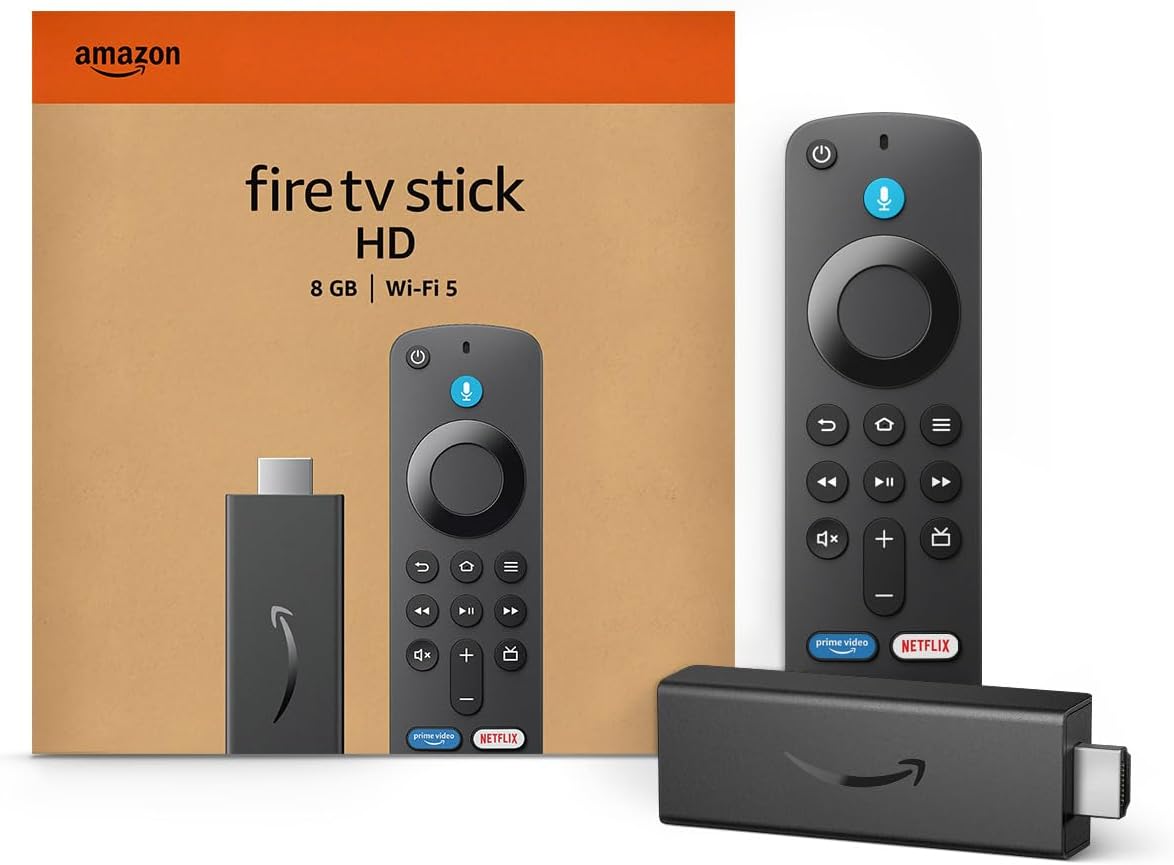
Amazon Fire TV Stick HD
Turn Any TV to a Smart TV. Stream Netflix, Prime Video & More. Alexa Voice Remote Included. Easy Plug & Play Setup.
Shop on AmazonMemory and Storage Limitations
Your Samsung TV operates with limited internal memory that can quickly become overwhelmed by app data, cached files, and system processes. Modern Samsung TVs typically include 1.5GB to 4GB of RAM, which seems adequate until multiple apps run simultaneously or accumulate substantial cache data over time.
The storage problem becomes particularly acute when you install numerous streaming apps, games, and other applications. Each app stores temporary files, user preferences, and cached content that gradually consumes available space. When storage reaches 80% capacity, your Samsung TV begins experiencing significant performance degradation as the system struggles to manage memory allocation effectively Samsung Support.
Cache accumulation represents one of the most overlooked performance killers. Streaming apps like Netflix, YouTube, and Amazon Prime Video store thumbnails, user data, and video segments to improve loading times. However, this cached information can grow to hundreds of megabytes per app, eventually overwhelming your TV’s memory management system.
Network Connectivity Impact
Slow internet connections create a cascade effect that makes your entire Samsung TV appear sluggish. When streaming apps struggle to buffer content due to inadequate bandwidth, they consume more system resources attempting to maintain playback quality. This resource competition affects other TV functions, creating the perception of overall slowness.
WiFi interference from neighboring networks, physical obstacles, and outdated router firmware can substantially impact streaming performance. Samsung TVs require consistent internet speeds of at least 25 Mbps for 4K content and 5 Mbps for HD streaming to function optimally. Lower speeds force apps to continuously rebuffer, consuming processing power that would otherwise support smooth navigation.
DNS configuration problems frequently cause delayed app loading and sluggish menu responses. When your Samsung TV struggles to resolve streaming service addresses, it creates noticeable delays in app startup times and content discovery features.
Software and Firmware Issues
Samsung regularly releases firmware updates that can either improve or hinder TV performance depending on your specific model’s hardware capabilities. Newer firmware versions designed for current-generation TVs may overwhelm older hardware, creating performance bottlenecks that didn’t exist with previous software versions.
The Tizen operating system that powers Samsung smart TVs accumulates temporary files and background processes over extended use periods. Without regular maintenance, these accumulated processes consume valuable system resources and create the sluggish responses users experience during navigation.
Background applications continue running even when not actively used, consuming memory and processing power. Samsung TV Plus, voice recognition services, and automatic content recommendation systems all operate continuously, reducing available resources for user-initiated tasks.
“Smart TV performance degradation is inevitable without proper maintenance, similar to any computing device” – Tech Performance Analyst
Immediate Performance Steps
Here are some immediate performance steps you can take if your Samsung TV is running slowly.
System Memory and Cache Management
The most effective immediate solution involves clearing your Samsung TV’s system cache and app data. This process removes accumulated temporary files that consume memory and slow system operations.
- Navigate to Settings > Support > Device Care
- Select “Manage Storage” from the available options
- Choose “Clean Now” to remove temporary system files
- Review installed apps and delete unnecessary applications
- Clear individual app caches for frequently used streaming services
- Restart your TV to complete the cleanup process
For older Samsung TV models without Device Care functionality, alternative cache clearing methods include performing a soft reset by holding the power button for 10 seconds while the TV remains unplugged.
Network Configuration
Improving your network connection substantially enhances Samsung TV performance across all functions. Ethernet connections provide superior stability compared to WiFi for streaming-intensive applications.
Configure your router to prioritize streaming device traffic through Quality of Service (QoS) settings. This ensures your Samsung TV receives adequate bandwidth even when other devices compete for network resources.
Switch to Google DNS servers (8.8.8.8 and 8.8.4.4) through your TV’s network settings to improve app loading speeds and reduce connection timeouts. Samsung TVs often experience improved performance with these more responsive DNS servers compared to default ISP-provided options.
App Management and Storage
Uninstall apps you rarely use to free valuable storage space and reduce background processing overhead. Samsung TVs allow removal of most third-party apps while retaining essential system applications.
Move frequently used apps to the home screen while organizing less-used applications in folders or secondary screens. This reduces the system resources required for app discovery and launch processes.
Disable automatic app updates temporarily to prevent background downloads that consume bandwidth and processing power during active TV use. Schedule manual updates during off-peak hours to maintain app functionality without performance impact.
Advanced Performance Enhancement
For advanced performance enhancement on a Samsung TV, users can go beyond basic fixes by resetting the Smart Hub to clear out hidden app data, performing a factory reset to restore the TV to its original state, or switching to a wired Ethernet connection for faster, more stable internet speed.
Firmware and Software Management
Keep your Samsung TV firmware updated but research specific update reviews before installing newer versions on older TV models. Some firmware updates improve performance while others may introduce compatibility issues with aging hardware.
Access the Service Menu for advanced optimization options not available through standard settings. Press Info > Menu > Mute > Power in sequence to enter service mode, where you can adjust memory allocation and disable unnecessary background services.
Reset Smart Hub if performance problems persist after other optimization attempts. This process removes all downloaded apps and cached data while preserving TV settings and preferences. Navigate to Settings > Support > Self Diagnosis > Reset Smart Hub to perform this operation.
Hardware Enhancement Options
Consider external streaming devices for Samsung TVs older than three years. Modern streaming sticks like the Nvidia Shield or Amazon Fire TV Stick offer superior processing power and more recent software optimization compared to aging built-in smart TV platforms.

The Nvidia Shield TV Pro provides exceptional performance for demanding users who want the fastest possible streaming experience with extensive app compatibility and regular software updates.
USB storage expansion can alleviate space constraints on Samsung TVs with USB ports. High-speed USB 3.0 drives allow app installation and cache storage on external media, reducing internal memory pressure.
“External streaming devices often outperform built-in smart TV platforms after 2-3 years of use” – Digital Media Specialist
Network Infrastructure Improvements
Upgrade to WiFi 6 routers for Samsung TVs in homes with multiple streaming devices. These routers provide better bandwidth management and reduced latency compared to older wireless standards.
Mesh network systems eliminate WiFi dead zones and provide consistent signal strength throughout your viewing area. This consistency prevents Samsung TVs from continuously switching between network access points, which can cause temporary performance drops.
Consider powerline adapters if ethernet cable installation isn’t feasible. These devices use existing electrical wiring to create network connections that typically offer more stable performance than WiFi for streaming applications.
TV Settings and Configuration Tweaks
Optimizing your Samsung TV’s settings and configurations can significantly boost its overall speed and responsiveness.
Picture and Processing Settings
Disable unnecessary picture enhancement features that consume processing power without providing meaningful visual improvements. Motion smoothing, noise reduction, and edge enhancement algorithms require significant computational resources that affect overall system responsiveness.
Set picture mode to “Movie” or “Cinema” for optimal balance between visual quality and processing efficiency. These modes typically disable resource-intensive enhancements while maintaining excellent image quality for most content types.
Reduce screen resolution temporarily if your Samsung TV struggles with 4K content playback. Operating at 1080p requires less processing power and can improve overall system responsiveness while you implement other optimization strategies.
Audio and Accessibility Optimization
Disable voice recognition features if you don’t use voice commands regularly. These services continuously monitor audio input and consume background processing power that could improve navigation speed.
Turn off automatic volume leveling and other audio processing features that require real-time analysis of incoming audio signals. These features add computational overhead without providing essential functionality for most users.
Disable accessibility features like audio descriptions and screen readers unless specifically needed. While important for users who require them, these features consume system resources that can impact performance for other users.
Long-term Maintenance
Long-term maintenance of your Samsung TV is essential to keep it running smoothly and prevent performance issues from building up over time.
Regular Maintenance Schedule
Perform monthly cache clearing to prevent gradual performance degradation from accumulated temporary files. This proactive approach maintains optimal performance rather than waiting for problems to develop.
Update apps individually rather than enabling automatic updates for all applications simultaneously. This approach prevents bandwidth competition and allows you to test each update’s impact on system performance before installing additional updates.
Monitor storage usage regularly through Device Care or storage management menus. Maintaining at least 20% free storage space ensures your Samsung TV has adequate room for temporary file creation and system operations.
Performance Monitoring
Track app loading times and menu response speeds to identify gradual performance degradation before it becomes problematic. Early intervention prevents minor issues from developing into major performance problems.
Test streaming quality regularly across different services to identify network or hardware issues early. Consistent monitoring helps distinguish between temporary internet problems and persistent hardware limitations.
Document settings changes and their performance impact to identify optimal configurations for your specific Samsung TV model and usage patterns. This record helps troubleshoot future problems and guides optimization decisions.
Video Credit: Tricks Tips Fix / YouTube
Frequently Asked Questions
Why does my Samsung TV suddenly become slow after working fine for months?
Gradual cache accumulation and temporary file buildup cause this progressive slowdown over extended use periods. Your Samsung TV’s memory fills with app data, cached video segments, and system logs that weren’t present when the TV was new. Background processes also multiply as you install more apps and enable additional features. Regular maintenance through cache clearing and app management prevents this gradual degradation from becoming problematic.
The Tizen operating system doesn’t automatically manage memory as efficiently as dedicated computing devices. Unlike phones or computers that aggressively manage memory, Samsung TVs allow cached data to accumulate until manual intervention becomes necessary. This design philosophy prioritizes immediate app loading over long-term performance optimization.
Can installing too many apps make my Samsung TV permanently slower?
Yes, excessive app installation creates persistent performance issues through storage consumption and background process multiplication. Each installed app reserves memory space and may run background services even when not actively used. Samsung TVs have limited RAM compared to modern smartphones or computers, making them more susceptible to performance degradation from app overload.
However, this slowdown isn’t permanent if you remove unused apps and clear accumulated cache data. The key involves maintaining a reasonable number of frequently used apps while regularly cleaning temporary files. Most users find optimal performance with 10-15 installed apps rather than filling available storage completely.
Does using ethernet instead of WiFi improve Samsung TV performance beyond streaming quality?
Ethernet connections improve overall system responsiveness beyond streaming performance by reducing network-related processing overhead. WiFi connections require continuous signal management, authentication, and error correction that consume system resources. Wired connections eliminate these background processes, freeing up processing power for user interface operations and app functionality.
Additionally, ethernet connections provide more predictable bandwidth availability, preventing apps from consuming extra resources attempting to adapt to fluctuating WiFi speeds. This consistency allows your Samsung TV to allocate processing power more efficiently across all system functions rather than constantly adjusting to network conditions.
If your Samsung TV’s built-in WiFi chip is struggling or if your model lacks a dedicated LAN port, using a TP-Link USB to Ethernet Adapter can provide a rock-solid wired connection. This bypasses unstable wireless signals and ensures your apps have the consistent bandwidth they need to prevent interface lag.

Will a factory reset permanently fix my slow Samsung TV?
Factory resets address software-related performance problems by removing accumulated cache, corrupted files, and configuration conflicts. This process restores your Samsung TV to its original performance level by eliminating months or years of accumulated system clutter. However, factory resets don’t address hardware limitations or network infrastructure problems that may contribute to slow performance.
The performance improvement from factory resets typically lasts 6-12 months before gradual degradation resumes without proper maintenance. Regular cache clearing, app management, and system updates maintain post-reset performance levels without requiring complete system reinstallation. Consider factory resets as intensive maintenance rather than permanent solutions.
Can old Samsung TV models handle current streaming service requirements?
Samsung TVs older than four years may struggle with current streaming service demands due to hardware limitations and software optimization changes. Modern streaming apps require more processing power, memory, and network bandwidth than older Samsung TV hardware was designed to support. Additionally, streaming services regularly update their apps with features that demand increased system resources.
However, older Samsung TVs can often handle current streaming requirements with proper optimization and realistic expectations. Reducing streaming quality to 1080p, limiting simultaneous app usage, and maintaining minimal installed app counts allows aging hardware to provide satisfactory performance. External streaming devices offer superior performance for older TVs that can’t meet current streaming demands effectively.
Sources:
- Samsung Support – Clear App Cache and Data
- Samsung Support – Troubleshoot Slow TV Apps
- ZDNet – TV Performance Enhancement
- Best Buy – Smart TV Performance Guide