
TCL has become synonymous with affordable quality televisions, consistently offering feature-rich displays at prices that undercut premium brands. Understanding the company’s business model reveals sophisticated strategies that enable exceptional value without compromising essential performance.
TCL TVs are cheap due to their vertically integrated manufacturing in China, economies of scale, direct-to-consumer shipping, minimal marketing expenses, and strategic focus on volume sales over premium pricing. The company manufactures most components in-house, eliminating middleman costs, while leveraging China's manufacturing advantages and state subsidies to maintain competitive pricing structures.
Manufacturing Cost Advantages
Vertical integration represents TCL’s primary cost advantage over traditional TV manufacturers. Unlike brands that source components from multiple suppliers, TCL operates its own display panel factories, semiconductor facilities, and assembly plants across China, Vietnam, Mexico, Brazil, and Poland.
This in-house production capability eliminates supplier markups and provides direct control over quality and costs.
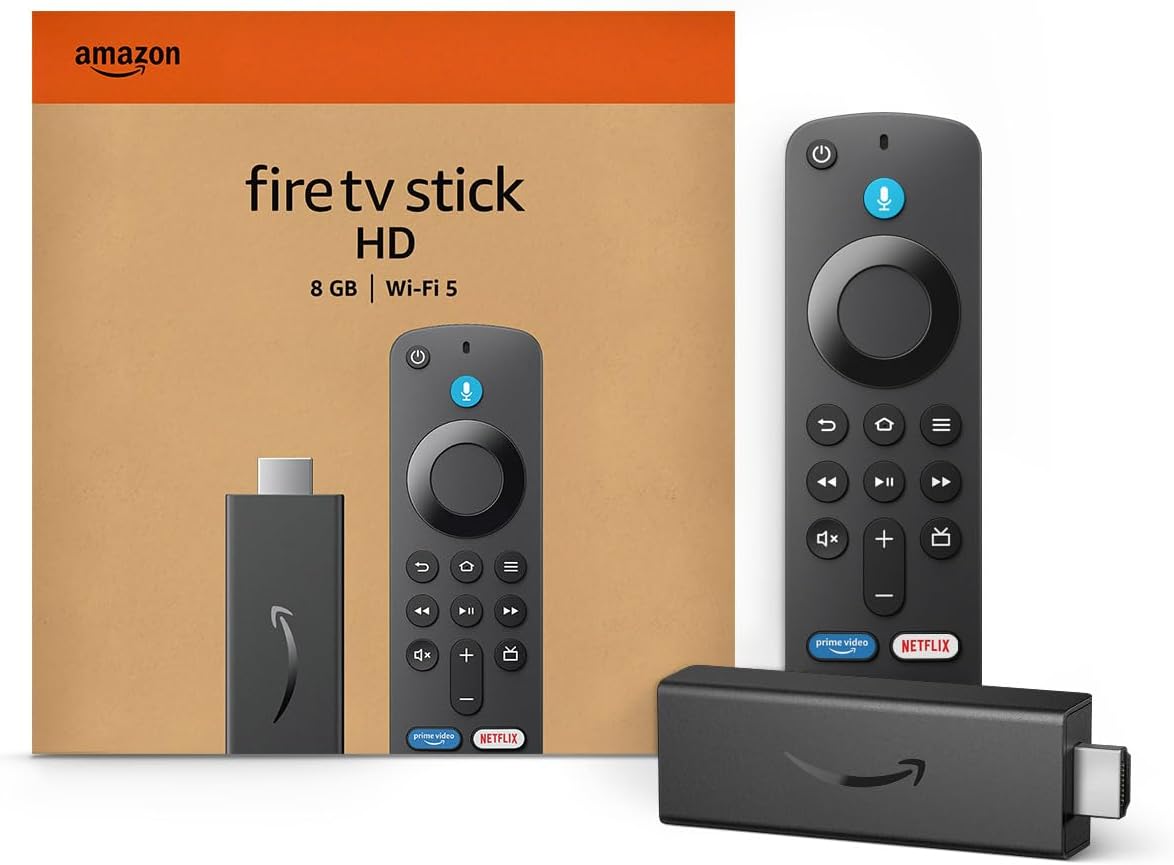
Amazon Fire TV Stick HD
Turn Any TV to a Smart TV. Stream Netflix, Prime Video & More. Alexa Voice Remote Included. Easy Plug & Play Setup.
Shop on AmazonChinese manufacturing benefits significantly impact TCL’s pricing strategy. The company leverages China’s established electronics supply chain, skilled workforce, and government infrastructure investments to reduce production costs.
State-backed subsidies and favorable policies for technology companies further lower operational expenses, allowing TCL to offer competitive pricing while maintaining healthy profit margins.
Economies of scale play a crucial role in cost reduction. TCL shipped over 30 million TV units globally in 2024, ranking among the world’s top three TV manufacturers.
This massive production volume enables bulk component purchasing, reduced per-unit manufacturing costs, and optimized factory utilization rates that smaller manufacturers cannot achieve.
The company’s supply chain efficiency extends beyond manufacturing. TCL owns LCD panel production facilities, including the recently acquired LG Display plant in Guangzhou for $1.5 billion, ensuring steady component supply while reducing dependency on external suppliers. This vertical control translates directly into lower production costs and faster time-to-market.
“Given China’s state-backed subsidies and low manufacturing costs, it’s almost impossible for Korean companies to lower prices like Chinese manufacturers,” industry analyst, Kim Jong-min
Business Model and Profit Strategy
Volume-focused strategy defines TCL’s approach to the television market. Rather than competing on premium features or brand prestige, TCL prioritizes market share growth through aggressive pricing that attracts budget-conscious consumers.
The company’s gross profit margin of approximately 15.5% for overseas TV sales demonstrates sustainable profitability despite lower prices.
Direct distribution channels eliminate traditional retail markups. TCL ships large volumes directly to major retailers like Walmart, Best Buy, and Amazon, bypassing distributors and regional sales representatives. This direct-to-retailer model reduces costs by 10-15% compared to traditional distribution networks used by premium brands.
Smart TV platform partnerships generate additional revenue streams beyond hardware sales. TCL collaborates with Roku, Google TV, and Amazon Fire TV to integrate streaming platforms, earning licensing fees and advertising revenue that offset lower hardware margins. These partnerships also reduce software development costs while ensuring competitive smart TV functionality.
The company’s diversified product portfolio supports overall profitability. TCL’s electronics division includes smartphones, air conditioners, washing machines, and other appliances, allowing cross-subsidization where profitable product lines support competitive TV pricing. This strategy enables sustained low prices without compromising company-wide financial performance.
Regional market adaptation optimizes pricing for local economic conditions. TCL adjusts product specifications and pricing based on regional purchasing power, offering entry-level models in price-sensitive markets while maintaining premium options for developed economies. This tiered approach maximizes global market penetration.
Supply Chain Efficiency
Integrated component sourcing eliminates multiple supplier relationships that typically increase costs and complexity. TCL produces its own display panels, processing chips, power supplies, and circuit boards through subsidiary companies like TCL CSOT (China Star Optoelectronics Technology). This internal supply chain provides cost predictability and quality control advantages.
Strategic geographic positioning reduces logistics expenses. Manufacturing facilities in China serve Asian markets, while plants in Mexico and Poland handle North American and European distribution respectively. This regional production strategy minimizes shipping costs, import duties, and delivery times compared to centralized manufacturing approaches.
Technology licensing partnerships reduce research and development expenses. Instead of developing proprietary display technologies from scratch, TCL licenses proven technologies from established companies while focusing internal R&D on cost optimization and manufacturing efficiency. This approach accelerates product development while controlling expenses.
The company’s component standardization across multiple product lines creates additional economies of scale. Similar processors, power supplies, and circuit boards are used across different TV sizes and model ranges, enabling bulk purchasing and simplified inventory management that reduces overall component costs.
“Chinese companies are leveraging global supply chains to keep costs down, such as by ordering displays and other components in massive quantities,” supply chain analyst, Maria Chen
Competition with Premium Brands
Feature parity strategy challenges the premium pricing model of established brands. Modern TCL TVs include 4K resolution, HDR support, smart TV platforms, and gaming features comparable to Samsung, LG, and Sony models at 30-50% lower prices. This value proposition attracts consumers who prioritize functionality over brand prestige.
Technology adoption speed gives TCL competitive advantages in emerging display technologies. The company rapidly incorporated Mini-LED backlighting, QLED quantum dots, and 120Hz gaming displays into mid-range models while premium brands reserved these features for expensive flagship TVs. This democratization of technology appeals to early adopters seeking advanced features affordably.
Market disruption tactics pressure established manufacturers to reconsider pricing strategies. TCL’s aggressive pricing forces premium brands to justify higher costs through marketing, build quality, or exclusive features. Some consumers discover that mid-range TCL models meet their needs adequately, reducing demand for expensive alternatives.
Regional market penetration demonstrates TCL’s growing influence. In Japan, Chinese brands including TCL captured over 50% market share for the first time in 2024, primarily through competitive pricing and feature-rich offerings. Similar trends appear in European and North American markets where price-conscious consumers embrace affordable alternatives.
The company’s premium segment expansion challenges traditional market boundaries. TCL’s high-end C855K and QM8 series compete directly with Samsung and LG flagship models while maintaining 20-30% price advantages. This upmarket movement threatens established brands’ profit margins in premium segments.
Consumer Value Proposition
Price-to-performance ratio defines TCL’s appeal to budget-conscious consumers. A 55-inch TCL 4K TV typically costs $300-500 compared to $800-1200 for equivalent Samsung or LG models. This significant savings allows consumers to purchase larger screens or allocate budgets to other entertainment equipment like soundbars or streaming devices.
Feature inclusion across price ranges provides exceptional value. Even entry-level TCL models include smart TV platforms, voice remote controls, multiple HDMI ports, and mobile app connectivity that premium brands often reserve for higher-tier products. This comprehensive feature set eliminates the need for additional streaming devices or accessories.
Size options availability caters to diverse space and budget requirements. TCL offers 32-inch to 98-inch models across multiple price points, enabling consumers to choose appropriate sizes without compromising essential features. Premium brands typically limit large screen options to expensive product lines.
Gaming capabilities appeal to younger demographics seeking affordable gaming displays. TCL TVs include low input lag, variable refresh rates, and gaming-specific picture modes at prices significantly below dedicated gaming monitors or premium TV alternatives. This gaming value attracts budget-conscious gamers and console owners.
Smart TV ecosystem provides seamless streaming experiences comparable to expensive alternatives. Partnerships with Roku, Google TV, and Fire TV ensure access to popular streaming services, voice control, and mobile casting capabilities without additional hardware purchases or subscription fees.
Video Credit: Logically Answered / YouTube
Frequently Asked Questions
Are TCL TVs actually good quality despite being cheap?
TCL TVs offer solid quality for their price range, with modern models featuring 4K resolution, HDR support, and smart TV capabilities comparable to more expensive brands.
While premium brands may have superior build quality and advanced features, TCL provides excellent value for budget-conscious consumers. The company’s quality has improved significantly over the past five years, earning positive reviews from major technology publications.
Recent testing shows TCL’s mid-range models perform comparably to entry-level Samsung and LG TVs while costing significantly less. Picture quality, smart TV functionality, and build reliability meet expectations for their price points.
However, premium features like advanced local dimming, premium audio systems, and extended warranties remain limited compared to flagship models.
How does TCL maintain quality while keeping prices low?
TCL achieves this balance through vertical integration, manufacturing most components in-house rather than sourcing from multiple suppliers. This eliminates middleman markups while maintaining quality control throughout the production process.
The company also benefits from China’s established electronics manufacturing infrastructure, skilled workforce, and government support for technology companies.
Additionally, TCL focuses on proven technologies rather than developing expensive proprietary innovations. By licensing established display technologies and partnering with software companies like Roku and Google, TCL reduces research and development costs while ensuring reliable functionality. Volume production and standardized components across product lines create economies of scale that lower per-unit costs.
Do TCL TVs last as long as more expensive brands?
TCL TVs typically last 5-7 years with normal usage, which is comparable to entry-level models from premium brands.
However, build quality and component longevity may not match flagship models from Samsung, LG, or Sony that use premium materials and undergo extensive testing. The most common issues with TCL TVs include backlight failure after 2-3 years and software updates becoming slower over time.
Proper care and usage significantly impact longevity regardless of brand. TCL TVs that receive regular software updates, adequate ventilation, and surge protection often exceed expected lifespans. The company’s improving quality control and component selection in recent models suggest better long-term reliability compared to earlier generations.
What compromises should I expect with a cheap TCL TV?
The main compromises include limited local dimming zones in backlit models, basic sound quality requiring external speakers or soundbars, and potentially slower smart TV performance compared to premium alternatives.
TCL’s entry-level models may also have fewer HDMI ports, limited gaming features, and basic remote controls compared to flagship models from other brands.
Build quality differences become apparent in stand stability, button responsiveness, and overall finish quality. However, these compromises primarily affect user experience rather than core functionality.
Most consumers find TCL’s picture quality, smart TV features, and reliability adequate for their needs, especially considering the significant cost savings compared to premium alternatives.
Should I buy TCL instead of Samsung or LG?
The choice depends on your priorities and budget. TCL provides excellent value for consumers seeking large screens, smart TV functionality, and modern features at affordable prices.
If you prioritize cost savings and don’t require premium features like advanced picture processing or premium audio, TCL represents a smart choice that delivers solid performance.
However, consider premium brands if you want cutting-edge display technology, superior build quality, extensive warranty coverage, or plan to keep the TV for 8+ years. Samsung and LG typically offer better customer service, longer software support, and more advanced features that justify higher prices for some consumers. Evaluate your specific needs, room size, and budget to determine the best option.
Sources:
- TCL Electronics Financial Results 2024
- Forbes – Chinese TV Brands Market Analysis
- RTINGS TCL TV Reviews 2025
- LG Display TCL Manufacturing Deal