

If your Microsoft Surface network adapter is not working, you won’t be able to connect to Wi-Fi or Ethernet, which can disrupt your productivity and communication.
The most common cause of this issue is outdated or faulty drivers, but it can also result from corrupted settings or recent updates. You might notice your Surface not detecting any networks or showing a “No internet” message even when networks appear.
Addressing the issue involves steps like updating or rolling back drivers, reinstalling the network adapter, and resetting your network settings. These actions often resolve the problem without requiring hardware repairs.
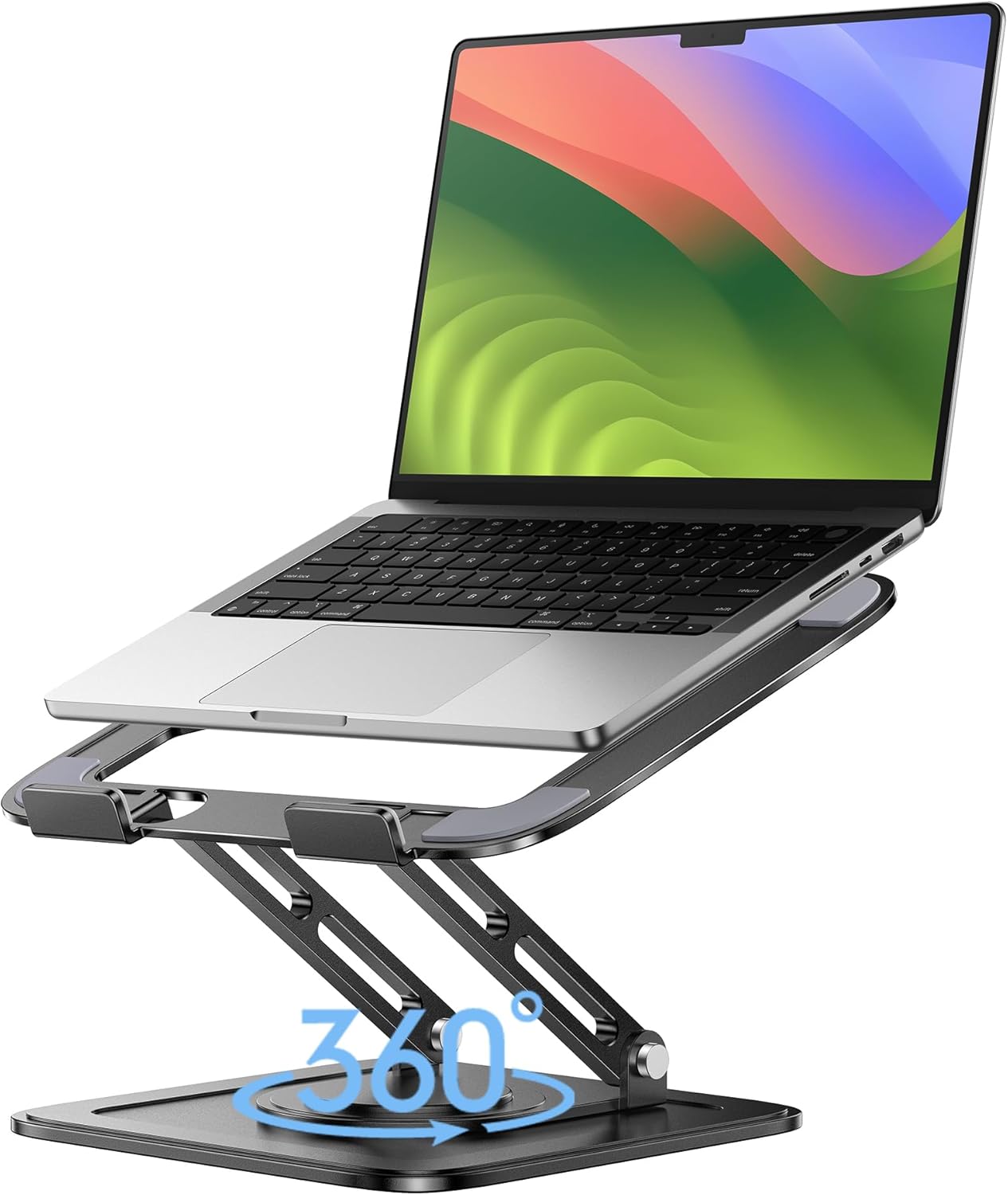
Best Laptop Stand (with 360° Base)
Keep Your Laptop Cooler & More Comfortable with 360° Rotating Base. Improve Airflow & Reduce Heat. Adjustable Height & Viewing Angle.
Shop on AmazonThis guide will walk you through effective methods to regain stable internet access on your Microsoft Surface.

Key Causes of Microsoft Surface Network Adapter Not Working
Issues with your Microsoft Surface network adapter usually stem from specific technical faults.
Common problems involve driver malfunctions, missing hardware recognition, software updates affecting compatibility, or incorrect settings that hinder connectivity.
Driver Issues and Conflicts
Your Surface relies heavily on network drivers to communicate with wireless or Ethernet hardware.
If these drivers become outdated, corrupted, or incompatible, your network adapter may stop working properly.
A recent Windows update could introduce driver conflicts that disrupt functionality.
You can verify driver status in Device Manager.
If the network adapter shows a warning icon or is missing there, driver problems are likely.
Rolling back to a previous driver version or updating to the latest official drivers can often resolve these issues.
Driver conflicts with other device drivers might also cause connectivity problems.
Sometimes, third-party software interferes with driver operation, requiring manual driver reinstallation or network reset.
Missing or Disabled Network Adapter
Sometimes your Surface won’t detect the network adapter at all.
This could be due to the adapter being disabled either in Device Manager or through power management settings.
Check if your network adapter is listed in Device Manager under “Network adapters.”
If it’s missing, your Surface isn’t recognizing the hardware, possibly due to driver uninstallations or firmware glitches.
If the adapter is disabled, right-click it in Device Manager and select “Enable.”
You should also review power management options for the device.
Windows may turn off adapters to save battery, which can be adjusted in device properties under the power management tab to prevent this.
Windows Update and Firmware Problems
Windows updates sometimes introduce incompatibilities with network drivers or Surface firmware.
After an update, you might notice your Surface network adapter fails to connect or disappears.
Microsoft Surface devices benefit from regular firmware updates that optimize hardware performance.
If these updates don’t install correctly—or if Windows rollback occurs—the network adapter could malfunction.
Connecting your Surface via Ethernet or USB adapter can allow you to download and install missing firmware or driver updates through the Settings app under Update & Security.
This step is essential if recent system changes coincide with network issues.
Incorrect Network or Power Settings
Network connectivity problems can also arise from misconfigured network or power settings.
If your Surface is set to connect automatically to the wrong network or keeps limited access status, the network adapter may appear unresponsive.
Review saved Wi-Fi credentials and forget networks you no longer use.
Firewalls or VPNs can block adapter functionality, so disable them temporarily to test connection.
Power settings can disable hardware to conserve battery.
Within Device Manager, under your network adapter’s power management section, uncheck “Allow the computer to turn off this device to save power” to maintain adapter readiness.
These settings affect how your Surface manages network hardware and can cause intermittent or persistent connectivity failures.
Troubleshooting Steps and Solutions
When your Microsoft Surface network adapter stops working, targeted actions can restore your connection.
These include simple restarts, updating drivers, diagnostic checks with Device Manager, and running built-in troubleshooters.
Each step addresses common causes like driver conflicts, hardware recognition issues, or software errors.
Restart and Basic Connectivity Checks
Begin by restarting your Surface and your router or modem.
This clears temporary network glitches that often cause limited connectivity or loss of Wi-Fi connection.
If you use Ethernet, confirm the cable and port are securely connected and functional.
Next, check your network status icon for a yellow warning symbol or “limited connectivity” message.
These indicate potential adapter issues.
Disconnect from Wi-Fi and reconnect to refresh the link.
You can also toggle Airplane mode on and off to reset wireless functions quickly.
If your Surface has a physical Wi-Fi switch, make sure it’s enabled.
Sometimes, simply disabling and enabling the Wi-Fi adapter via the Settings > Network & Internet options can reactivate the connection without further action.
Update or Reinstall Network Drivers
Outdated or corrupted drivers are leading causes of network adapter failures on Surface devices.
To address this, start by updating your Wi-Fi or Ethernet drivers through Device Manager or the manufacturer’s website.
If updating doesn’t work, uninstall the network adapter driver: open Device Manager, right-click your Wi-Fi adapter, and choose Uninstall device.
Ensure you select the option to delete the driver software if available.
Restart your device, and Windows will attempt to reinstall the driver automatically.
For manual installation, download the correct driver package from Microsoft or Surface support pages.
Installing the latest stable driver version can resolve issues caused by incompatible or faulty driver updates that Windows sometimes installs by default.
Use Device Manager for Diagnostics
Device Manager is your key tool for diagnosing network adapter problems.
Open it and look for devices marked with a yellow warning icon or listed as “unknown device.”
These symbols suggest driver problems or hardware conflicts preventing proper operation.
Under the Network adapters section, expand the list to verify if your Wi-Fi adapter or network controller appears.
If it’s missing, use the View > Show hidden devices option to uncover disabled or problematic drivers hidden by Windows.
Check the hardware IDs for each network device by right-clicking and selecting Properties > Details > Hardware Ids.
Comparing these IDs to known drivers can help confirm if the correct driver is installed or if you need a replacement.
You can also try disabling and re-enabling the adapter here to reset its operation without a full uninstall.
Run Network Troubleshooters
Windows includes dedicated network troubleshooters that automatically detect and fix common adapter and connectivity issues on your Surface.
Access this tool via Settings > System > Troubleshoot > Other troubleshooters > Network Adapter, then click Run.
The troubleshooter tests adapter status, driver functionality, and connection settings.
It attempts to repair errors like missing drivers, misconfigured IP settings, or connectivity conflicts with other devices.
If you still experience problems after the automatic fix, run the Internet Connections troubleshooter for broader network diagnostics.
Using these troubleshooters can save time and simplify complex troubleshooting by applying Microsoft’s tested fixes tailored to your device’s configuration and error codes.
Learn more about the process for Surface network adapter troubleshooting at Microsoft’s support pages.
Advanced Fixes and Reset Procedures
Certain network issues require deeper intervention beyond basic troubleshooting.
You can restore your Surface’s connectivity by resetting settings, running command-line repairs, or verifying hardware configurations in BIOS.
These actions help address corrupt settings, misconfigurations, or hardware-related causes that often block your network adapter.
Reset Network Settings and Adapters
Resetting network settings clears all current configurations and reinstalls network adapters, often resolving persistent adapter issues.
To do this, open Settings > Network & Internet, then scroll to and select Network reset.
Click Reset now to initiate the process.
This action removes all network adapters and their settings.
Your Surface will restart, and Windows will reinstall the default network adapters automatically.
After the reset, you must reconnect to Wi-Fi and reconfigure any VPN or proxy connections manually.
Network reset is especially useful if driver updates or manual adjustments have failed and you suspect corrupted network profiles or conflicting settings.
Command Prompt Network Repairs
Using Command Prompt commands can fix deeper network stack issues and refresh IP configurations.
Run Command Prompt as an administrator, then enter these commands one by one:
netsh winsock reset— resets Windows sockets catalog, fixing corrupted socket settings.netsh int ip reset— rewrites IP-related registry entries to default.ipconfig /release— drops the current IP address.ipconfig /renew— requests a new IP from the DHCP server.ipconfig /flushdns— clears the DNS resolver cache.
After running these, reboot your system.
These commands help if the adapter appears but can’t connect to networks or resolve DNS addresses.
Check BIOS and Hardware Configurations
If software fixes don’t work, verify that your network adapter is enabled in the BIOS.
Restart your Surface and enter BIOS setup (usually by pressing the volume up button while powering on).
Navigate to Integrated Peripherals or Onboard LAN / Network settings.
Ensure the network adapter is enabled; if disabled, re-enable it and save changes.
Hardware failure or improper BIOS configurations may cause your network adapter to disappear from Windows.
If BIOS settings are correct but problems persist, the issue might be hardware-related, requiring professional repair or replacement.
Additional Tips for Surface Network Adapter Issues
When facing network adapter problems on your Surface device, there are viable hardware alternatives and practical connection habits to consider.
It’s also important to recognize the right time to reach out for professional help.
Wi-Fi and Ethernet Adapter Alternatives
If your built-in network adapter isn’t functioning, a USB Wi-Fi adapter can restore wireless connectivity immediately.
These adapters plug into your USB port and provide reliable Wi-Fi reception, especially useful if your internal Wi-Fi module is damaged or malfunctioning.
Alternatively, a USB to Ethernet adapter offers a stable wired connection through the Surface’s USB port, especially if the device’s Ethernet port or adapter is faulty or absent.
This method bypasses wireless issues and often improves internet speed and reliability.
Both options are straightforward to install.
They typically require plugging in and installing drivers, which Windows should do automatically.
Make sure any adapter you use is compatible with your specific Surface model and Windows version.
Network Connectivity Best Practices
Improving your Wi-Fi connection involves several steps.
First, check your Wi-Fi signal strength and try moving closer to the router to eliminate interference.
Ensure your Wi-Fi password is correctly entered and updated if you recently changed it.
You should also verify that firewalls or VPN settings are not blocking your network adapter.
Disabling a firewall temporarily can help diagnose if it’s interrupting connectivity.
Regularly update your Surface’s firmware and Windows updates to keep drivers current and improve adapter performance.
Using the built-in Network reset feature can resolve many issues by reinstalling network components.
To access it, go to Settings > Network & Internet > Network reset.
This can clear corrupted configurations affecting your Wi-Fi or Ethernet adapters.
When to Contact Microsoft Support
If you’ve tried software fixes and adapter replacements without success, it may be time to seek professional assistance.
Contact Microsoft Support when your device’s network adapter shows hardware-level failure or if updates and resets don’t solve the problem.
Support agents can guide you through advanced diagnostics or arrange repairs under warranty. Before calling, have your Surface’s model number, error messages, and troubleshooting steps ready.
This preparation helps Microsoft provide quicker, more accurate support tailored to your situation.