
You’re in the middle of a deadline when your laptop keyboard suddenly stops working. Keys produce nothing on screen. Panic sets in.
When your laptop keyboard isn’t responding, the issue usually stems from static charge buildup, corrupted keyboard drivers in Device Manager, accessibility features like Filter Keys or Sticky Keys blocking input, Fast Startup interfering with device detection, or physical damage such as a disconnected ribbon cable or liquid spill affecting the internal hardware controller.
The good news? Most unresponsive keyboard problems don’t require expensive repairs. You can methodically isolate driver conflicts, power glitches, and system settings before considering hardware service. This guide walks you through every diagnostic step to restore keyboard functionality and regain control of your laptop.
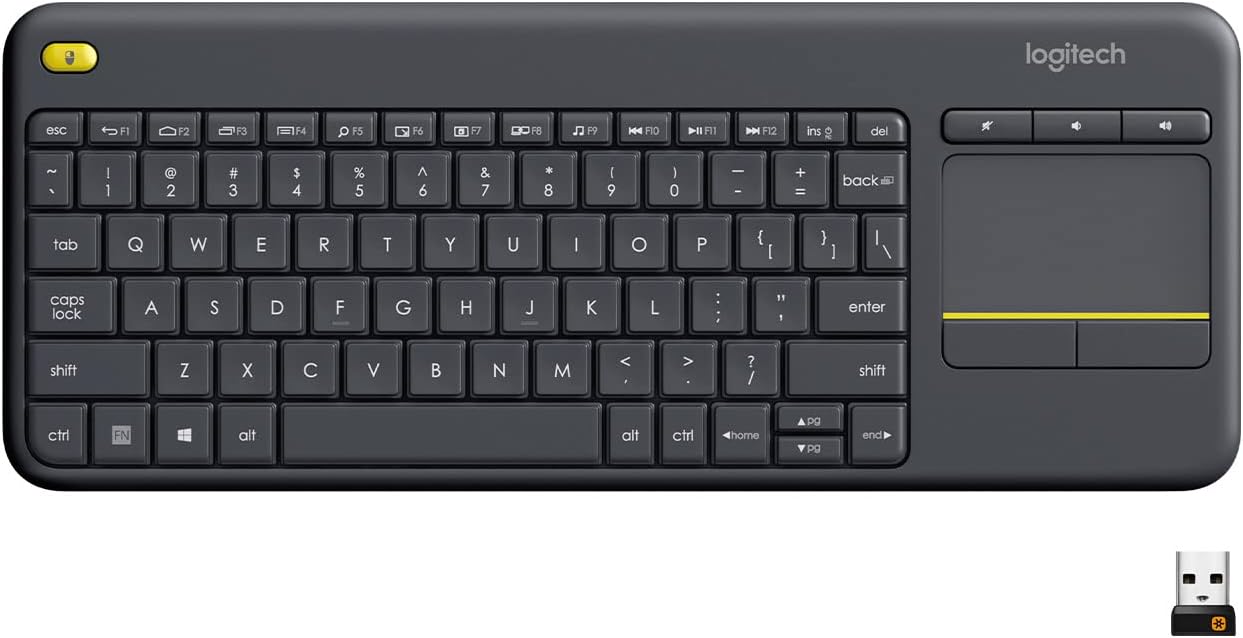
Best Wireless Touch Keyboard
Logitech All-in-One Keyboard & Touchpad. Perfect for Smart TVs & PCs. Reliable 10m Wireless Connection. Up to 18 Months Battery Life
Shop on Amazon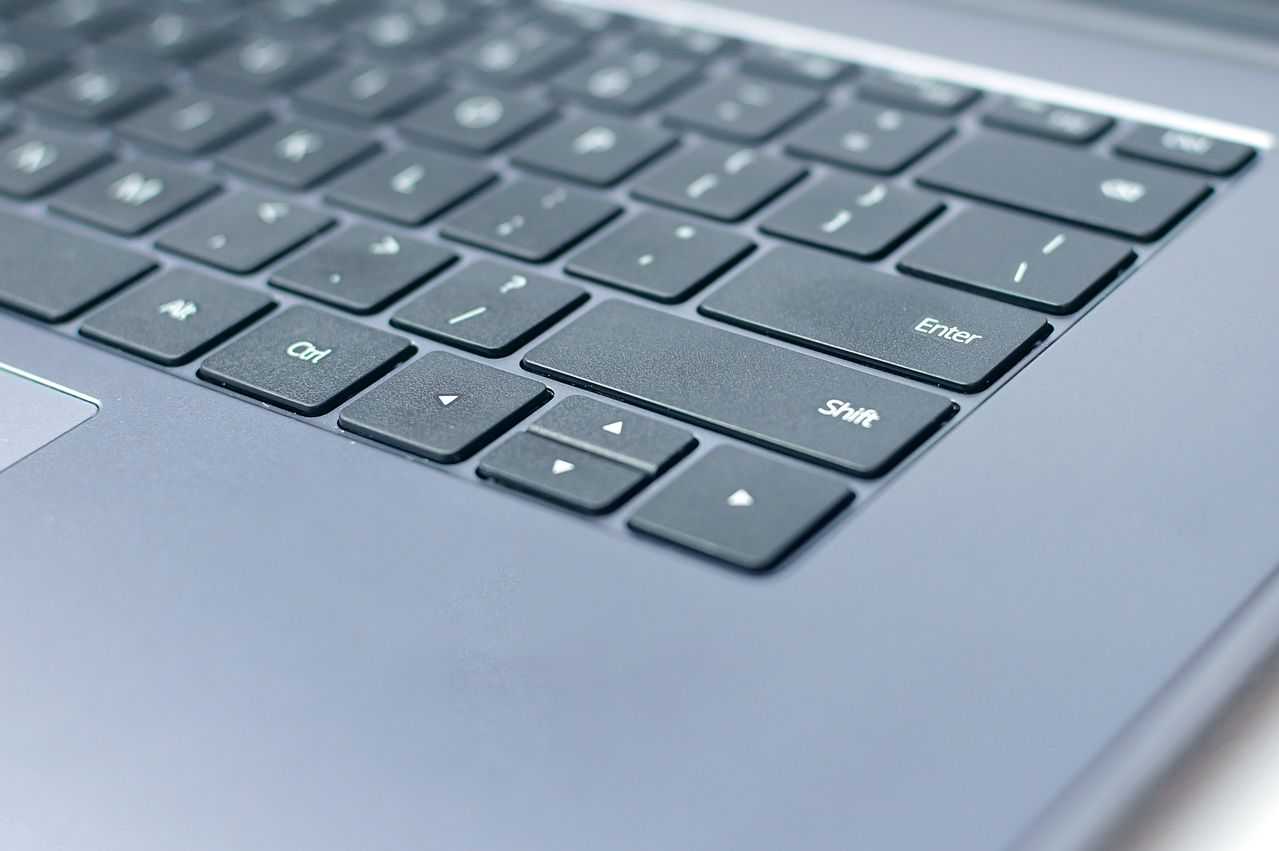
Key Takeaways
- A laptop keyboard not responding is often caused by software issues like corrupted drivers, accessibility settings, or Fast Startup—not expensive hardware damage—and can usually be fixed through systematic troubleshooting.
- Test your keyboard in BIOS and with an external USB device to quickly determine whether the problem is hardware or software, isolating the root cause before attempting complex fixes.
- Check and disable accessibility features like Filter Keys and Sticky Keys in Settings > Accessibility, as these can accidentally block normal keyboard input.
- Update, roll back, or reinstall keyboard drivers through Device Manager, then run System File Checker (SFC) and DISM to repair corrupted Windows system files that disable input devices.
- If your keyboard works in Safe Mode but fails in normal Windows, a third-party driver or startup program is the culprit—perform a Clean Boot to identify and disable the blocking software.
- When hardware repair is necessary, consult iFixit guides for your laptop model or contact an authorized service center, as ribbon cable corrosion and internal controller failure typically require professional replacement.
Start With Quick Isolation Checks
Restart and Check for Keyboard Lock
Before diving into complex troubleshooting, perform a simple reboot. Press and hold your laptop’s power button for 10 seconds until the machine shuts down completely. Wait 30 seconds, then power it back on. This clears temporary memory states and resets the keyboard controller.
Check whether your laptop has a physical keyboard lock key, often labeled Fn + F6 or a padlock icon. Some models let you accidentally disable the entire keyboard with a single keystroke combination. Consult your manufacturer’s quick-start guide or look for an LED indicator near the function row.
Inspect for Stuck Keys, Damage, and Debris
Examine your keyboard surface under bright light. A single stuck key can block the entire keyboard matrix on certain laptop models. Gently press each key to confirm none are jammed beneath the keycap. Look for crumbs, pet hair, or foreign objects lodged under the edges.
If you recently spilled liquid, power off immediately and flip the laptop upside down in a tent shape to drain residual moisture. Even a small coffee drip can short the keyboard membrane and disable input. Don’t attempt to dry it with a hairdryer, heat warps plastic components. Laptop liquid damage can compromise keyboard circuits within hours.
Test With an External Keyboard
Plug in a USB keyboard or pair a Bluetooth model. If the external device works perfectly while the built-in keyboard remains dead, you’ve isolated the problem to your laptop’s internal keyboard hardware or its connection to the motherboard. This distinction is critical, it tells you the operating system and drivers are functional.
An Amazon Basics wired USB keyboard provides an instant workaround under $15. Keep it handy as a diagnostic tool and emergency backup during repairs.
Check Whether the Keyboard Works in BIOS
Restart your laptop and press F2, F10, Delete, or Esc (varies by manufacturer) repeatedly during the boot logo to enter BIOS/UEFI setup. Try navigating menus with your arrow keys. If the keyboard responds in BIOS but fails once Windows or macOS loads, the hardware is functional, your operating system or drivers are blocking input.
BIOS operates independently of your OS, so this test isolates software-layer problems from physical failures. If keys work here, skip ahead to driver and system settings sections. If they don’t respond even in BIOS, you’re facing a hardware ribbon cable or controller issue.
Correct Windows Input and Power Settings
Run the Built-In Keyboard Troubleshooter
Windows includes an automated diagnostic tool that scans for common keyboard problems. Press Win + I to open Settings (using an external keyboard or on-screen keyboard), navigate to System > Troubleshoot > Other troubleshooters, and click Run next to Keyboard. The wizard tests device drivers, checks registry entries, and resets input services.
While Microsoft’s troubleshooter rarely fixes deep driver corruption, it can quickly resolve simple service conflicts or toggled settings you might overlook manually. Microsoft’s official troubleshooting steps document this process in detail.
Verify Keyboard Layout and Accessibility Options
Open Settings > Time & Language > Language & region and confirm your keyboard layout matches your physical keys. A mismatch won’t cause total unresponsiveness, but it can make you think the keyboard is broken when it’s actually outputting unexpected characters.
Next, search for “ease of access keyboard settings” in the Start menu. Disable Filter Keys (which ignores rapid repeated keystrokes), Sticky Keys (which modifies modifier behavior), and Toggle Keys. These accessibility features can block normal input if accidentally activated. You’ll find them under Settings > Accessibility > Keyboard.
“I spent two hours troubleshooting my ThinkPad keyboard. Turned out Filter Keys was on and blocking every keypress. Disabled it and everything worked again.” via r/thinkpad
Reconnect Bluetooth and USB Devices
Sometimes Windows prioritizes an external Bluetooth keyboard’s signal over the built-in one, causing the internal device to appear unresponsive. Open Settings > Bluetooth & devices and disconnect or remove all paired keyboards. Restart your laptop and test the built-in keyboard again.
If you use a USB hub, unplug it entirely. Faulty hubs can flood the USB controller with error packets, freezing keyboard input. Plug your external test keyboard directly into the laptop’s native USB port to rule out hub interference.
Disable Fast Startup and Review Power Management
Fast Startup is a Windows feature that hibernates device drivers instead of fully shutting down, and it frequently causes keyboard detection failures after sleep or reboot. Open Control Panel, search for Power Options, click Choose what the power buttons do, then Change settings that are currently unavailable, and uncheck Turn on fast startup.
Next, open Device Manager (Win + X > Device Manager), expand Keyboards, right-click your keyboard device, select Properties > Power Management, and uncheck Allow the computer to turn off this device to save power. This prevents Windows from idling your keyboard controller during low-power states.
Repair Keyboard Drivers and System Files
Update, Roll Back, or Reinstall Keyboard Drivers
Open Device Manager, expand Keyboards, and right-click Standard PS/2 Keyboard or HID Keyboard Device. Select Update driver > Search automatically for drivers. Windows will query Microsoft’s servers for the latest version.
If the problem started immediately after a Windows update, select Properties > Driver tab, then click Roll Back Driver to restore the previous version. If rollback is grayed out or doesn’t help, select Uninstall device, check Delete the driver software for this device, and reboot. Windows will reinstall a clean copy automatically.
Driver corruption is a leading cause of peripheral failures in Windows 11, especially after major feature updates.
Use Device Manager to Remove and Detect Devices
With Device Manager open, click Action > Scan for hardware changes. This forces Windows to re-enumerate all connected devices and rebuild the device tree. It often detects keyboards that failed to initialize during boot.
If your keyboard appears with a yellow exclamation mark, right-click it and select Properties to read the error code. Common codes include Code 10 (device cannot start) and Code 19 (registry corruption). Each code has a specific fix, search “Device Manager error code [number]” on Microsoft’s support site for targeted solutions.
Repair Windows With SFC and DISM
Corrupted system files can disable input devices. Open Command Prompt as Administrator (search cmd, right-click, Run as administrator) and type:
sfc /scannow
The System File Checker scans protected Windows files and replaces damaged versions from a cached copy. This process takes 10–20 minutes. If SFC finds issues it can’t repair, run the more powerful DISM tool:
DISM /Online /Cleanup-Image /RestoreHealth
DISM rebuilds the component store using Windows Update as a source. After both scans complete, reboot and test your keyboard.
Install Windows, Firmware, and BIOS Updates
Check Settings > Windows Update and install all pending updates, including optional driver packages. Manufacturers frequently push keyboard firmware patches through Windows Update to fix input lag and detection bugs.
Visit your laptop manufacturer’s support page (Dell, HP, Lenovo, ASUS) and download the latest BIOS or UEFI firmware. A firmware update can resolve hardware controller glitches that prevent keyboard initialization. Follow the manufacturer’s flashing instructions carefully, never interrupt a BIOS update.
Use Advanced Recovery or Arrange Hardware Service
Identify Software Conflicts With Safe Mode and Clean Boot
Boot into Safe Mode by holding Shift while clicking Restart, then navigate Troubleshoot > Advanced options > Startup Settings > Restart and press F4. Safe Mode loads only essential drivers. If your keyboard works in Safe Mode but not in normal Windows, a third-party driver or startup program is blocking input.
Perform a Clean Boot by typing msconfig in the Start menu, selecting Services, checking Hide all Microsoft services, clicking Disable all, then rebooting. Re-enable services one group at a time to identify the culprit. Antivirus suites and RGB lighting software are common offenders.
Restore a Recent Working Configuration
If your keyboard stopped working after a recent software install or Windows update, use System Restore to roll back your configuration. Search for Create a restore point in the Start menu, click System Restore, and choose a restore point dated before the problem began.
System Restore doesn’t affect personal files but removes apps and drivers installed after the selected date. It’s a safe way to undo system-level changes without reinstalling Windows.
Use Registry Changes Only When Specifically Required
Registry edits can fix rare keyboard detection issues, but incorrect changes can prevent Windows from booting. Before editing the registry, create a full backup. Press Win + R, type regedit, navigate to HKEY_LOCAL_MACHINE\SYSTEM\CurrentControlSet\Services, and export the entire Services key.
Only apply registry fixes from official manufacturer or Microsoft support articles. Generic “fix all keyboards” registry scripts found on forums often cause more harm than good. If you’re uncomfortable with regedit, skip this step and proceed to hardware diagnostics.
Recognize When the Internal Keyboard Needs Repair
If your keyboard fails in BIOS, doesn’t respond after fresh driver installs, and shows no physical damage, the ribbon cable connecting the keyboard to the motherboard may be loose or corroded. Opening a laptop requires care, consult iFixit’s teardown guides for your specific model before attempting repairs.
For a long-term external solution, consider a Logitech K380 wireless keyboard as the ultimate desk upgrade. Its compact form factor and multi-device pairing make it ideal for users who need reliable input while arranging professional keyboard replacement service.

“My Dell XPS keyboard died after 18 months. Ribbon cable was corroded from humidity. Replaced it myself for $25 following an iFixit guide.” via r/Dell
If you lack the tools or confidence for DIY repair, contact an authorized service center. Many manufacturers offer keyboard replacement under warranty if the failure isn’t user-caused.
Frequently Asked Questions
Why is my laptop keyboard not responding?
A non-responsive laptop keyboard usually stems from static charge buildup, corrupted keyboard drivers, accessibility features like Filter Keys blocking input, Fast Startup interfering with device detection, or physical damage such as a disconnected ribbon cable or liquid spill affecting the internal hardware controller.
How do I fix a laptop keyboard not responding in Windows?
Start by restarting your laptop and testing an external keyboard. Run the built-in Windows troubleshooter, disable accessibility features like Filter Keys and Sticky Keys, disable Fast Startup, update or reinstall keyboard drivers through Device Manager, and run System File Checker (sfc /scannow) to repair corrupted system files.
What should I do if my laptop keyboard gets wet?
Power off immediately and flip the laptop upside down in a tent shape to drain residual moisture. Never use a hairdryer, as heat warps plastic components. Even small liquid spills can short the keyboard membrane and disable input within hours, so allowing proper drying time is critical before powering back on.
Can accessibility features cause keyboard problems?
Yes. Filter Keys ignores rapid repeated keystrokes, Sticky Keys modifies modifier behavior, and Toggle Keys can block normal input if accidentally activated. Open Settings > Accessibility > Keyboard and disable these features if you’ve unknowingly enabled them—they’re common culprits in unresponsive keyboard issues.
How do I know if my laptop keyboard hardware is damaged?
Test your keyboard in BIOS by pressing F2, F10, Delete, or Esc during startup. If keys work in BIOS but fail in Windows, the hardware is functional and the problem is software-related. If the keyboard doesn’t respond in BIOS, the issue is likely a loose ribbon cable or corrupted hardware controller requiring professional repair.
What’s the best way to troubleshoot a non-responsive keyboard before hardware repair?
Follow these steps methodically: restart your laptop, test an external keyboard, check BIOS functionality, run the keyboard troubleshooter, verify accessibility settings, update drivers, disable Fast Startup, run System File Checker and DISM, and perform a clean boot to isolate software conflicts before considering hardware service.
Read More:
- Numbers on Keyboard Not Working? Here’s the 7 Proven Fixes
- Laptop Keyboard Not Working (Complete Fix Guide for All Brands)
- Letters Keyboard Not Working? 7 Proven Fixes to Get You Typing Again
- Keyboard Double Typing (2026 Pro Guide to Fixing Key Chatter Fast)
- Some Laptop Keys Not Working? Quick Fixes That Really Work