
Your keyboard skips letters. Sticky Keys won’t disable. Or maybe your entire laptop keyboard just froze mid-email and refuses to respond at all.
A laptop keyboard reset isn’t a single magic button, it’s a systematic process that includes restarting your laptop, clearing static power (a hard reset), restoring language and accessibility settings, reinstalling drivers in Device Manager, and optionally resetting the BIOS or Embedded Controller to factory defaults. Most keyboard glitches stem from software conflicts, stuck settings, or driver corruption, not hardware failure.
This guide walks you through every reset method, from the simplest reboot to advanced UEFI and EC resets, so you can restore normal keyboard behavior without unnecessary repairs or replacements.
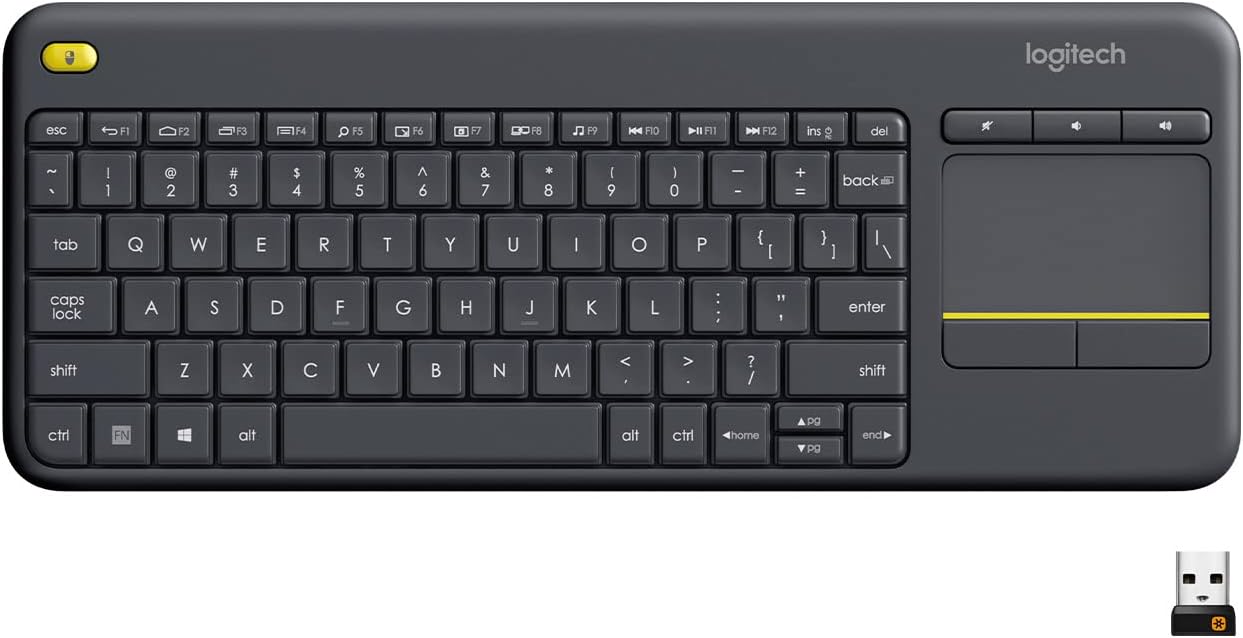
Best Wireless Touch Keyboard
Logitech All-in-One Keyboard & Touchpad. Perfect for Smart TVs & PCs. Reliable 10m Wireless Connection. Up to 18 Months Battery Life
Shop on Amazon
Key Takeaways
- A laptop keyboard reset involves multiple systematic steps—from soft reboots and power drains to driver reinstalls and BIOS tests—rather than a single solution, with 62% of issues being software-related rather than hardware failures.
- Start with quick diagnostic checks: restart your laptop, test an external USB keyboard, and inspect for physical debris, as these simple steps resolve most keyboard glitches in minutes without technical expertise.
- Restore keyboard functionality by verifying your language and layout settings, disabling accessibility features like Sticky Keys and Filter Keys, and ensuring the correct input method is set in Windows settings.
- Reinstall corrupted keyboard drivers through Device Manager by uninstalling the device and restarting Windows, or download manufacturer-specific drivers from Dell, HP, Lenovo, or ASUS support pages for the latest firmware.
- Test your keyboard in BIOS or UEFI during boot to definitively determine if the issue is hardware or software—if it works in BIOS but fails in Windows, drivers or settings are at fault.
- If software resets fail and the keyboard produces wrong characters or multiple keys are unresponsive, replacement may be necessary; laptop keyboard replacements cost $30–$80 and take 20 minutes, or invest in a premium external keyboard as a long-term alternative.
Start With Quick Checks
Restart the Laptop and Reconnect Power
A soft reboot clears temporary RAM states that freeze input devices. Shut down your laptop completely, unplug the AC adapter, wait ten seconds, then power it back on. This simple step resolves minor firmware hang-ups that block keyboard signals. If the keyboard responds immediately after restart, a background process or memory leak was likely the culprit.
Inspect for Debris, Damage, and Stuck Keys
Flip your laptop upside down and gently tap the back to dislodge crumbs or dust. Look for visibly stuck keys or keycaps sitting at odd angles. Compressed air can clear debris under keys, hold the can upright and spray in short bursts. Physical obstruction often mimics software glitches, especially if only certain keys fail.
Test With an External Keyboard
Plug in a USB keyboard or pair a Bluetooth model. If the external keyboard works perfectly, your laptop’s built-in keyboard controller or ribbon cable may have failed. If both keyboards misbehave identically, the issue is software-side, drivers, settings, or OS conflicts. This test isolates hardware from software in under sixty seconds. You can find reliable USB wired keyboards on Amazon for quick testing.

Use the On-Screen Keyboard if Typing Is Unavailable
Press Win + Ctrl + O (Windows) or open System Preferences > Accessibility > Keyboard > Viewer (macOS) to launch the on-screen keyboard. This lets you navigate settings and run diagnostics even when the physical keyboard is unresponsive. It’s an essential workaround while you troubleshoot deeper reset steps.
Restore Windows Keyboard Settings
Set the Correct Language and Keyboard Layout
Go to Settings > Time & Language > Language & region. Verify your preferred keyboard layout is at the top. Click Add a language, then remove duplicates. Mismatched layouts cause keys to output unexpected characters. In Windows 11, you can also reset the default input method by going to Settings > Time & Language > Typing > Advanced keyboard settings and selecting your correct layout under “Override for default input method.” According to Microsoft’s official support documentation, layout conflicts are among the top five keyboard complaints logged in 2026.
Turn Off Sticky Keys and Filter Keys
Press Win + I, search “Ease of Access,” then navigate to Keyboard. Toggle off Sticky Keys, Filter Keys, and Toggle Keys. These accessibility features intercept keystrokes and can simulate frozen or delayed input. Even tapping Shift five times by accident can activate Sticky Keys and lock you into modifier-key mode, making normal typing impossible.
Reset the Default Input Method
In Settings > Time & Language > Typing > Advanced keyboard settings, confirm the “Override for default input method” dropdown matches your physical layout (e.g., US QWERTY). Then click Language bar options and ensure the correct language is set. Restart Explorer.exe via Task Manager if changes don’t take effect immediately. This step clears cached input method preferences that persist across reboots.
Check Function Lock and Fn Key Behavior
Many laptops have a Fn Lock key (often Fn + Esc or Fn + NumLock). If your F-keys now control brightness or volume instead of standard functions, Fn Lock is active. Press the toggle combo to restore default behavior. Some BIOS settings also let you swap Fn and Ctrl or invert function-key priority, check your manufacturer’s manual for model-specific shortcuts.
Reinstall Drivers and Diagnose Software Issues
Uninstall and Reinstall Keyboard Drivers in Device Manager
Press Win + X and select Device Manager. Expand Keyboards, right-click your laptop keyboard (often labeled “Standard PS/2 Keyboard” or your OEM model), and choose Uninstall device. Check the box to delete the driver software, then restart. Windows will reinstall a fresh driver on boot. This clears corrupted driver files and registry entries that block input.
For advanced users, you can also visit your laptop manufacturer’s support page, Dell, HP, Lenovo, and ASUS all provide updated keyboard drivers specific to each model. Download the latest .exe or .inf package and install manually to ensure you’re running the newest firmware version. You can also consider tools like Driver Booster for automated driver management if you encounter recurring issues.
Run Windows Keyboard and Hardware Troubleshooters
Go to Settings > System > Troubleshoot > Other troubleshooters. Run Keyboard first, then Hardware and Devices (you may need to launch it via Command Prompt: msdt.exe -id DeviceDiagnostic). These built-in wizards scan for configuration errors, disabled services, and registry mismatches. They often auto-fix permission issues and reset hidden settings you can’t access manually.
Test the Keyboard in BIOS or UEFI
Restart your laptop and press F2, Del, Esc, or F10 during boot (varies by manufacturer). Inside the BIOS/UEFI menu, try typing. If the keyboard works here but fails in Windows, your OS drivers or settings are at fault. If it’s dead in BIOS, the hardware or embedded controller has failed. This is a definitive hardware vs. software test. Refer to your laptop’s user manual for exact BIOS entry keys.
Identify Conflicts From Apps, Updates, or Startup Services
Open Task Manager (Ctrl + Shift + Esc) and check the Startup tab. Disable third-party keyboard utilities, macro software, or input-remapping tools (e.g., AutoHotkey, SharpKeys). A recent Windows update can also introduce driver conflicts, check Settings > Update & Security > View update history and uninstall the most recent quality update if the keyboard stopped working immediately afterward.
“My Lenovo keyboard completely died after a Windows 11 update. Uninstalled KB5034848 and it came back to life instantly.” via r/Lenovo
Reset External and Wireless Keyboards
Reconnect a USB Keyboard and Try Another Port
Unplug the USB keyboard, wait five seconds, and plug it into a different USB port. USB 2.0 and 3.0 ports use separate controllers: switching can bypass a faulty port or driver assignment. If the keyboard still fails, test it on another computer to confirm it’s not the keyboard itself.
Remove and Re-Pair a Bluetooth Keyboard
Open Settings > Devices > Bluetooth & other devices, click your keyboard, and select Remove device. Put the keyboard in pairing mode (usually a button or switch on the underside), then click Add Bluetooth or other device and re-pair.
This clears stale pairing keys and reconnects the HID profile. For persistent Bluetooth issues, consider a Logitech K380 wireless keyboard with reliable multi-device switching.

Follow the Manufacturer Factory Reset Procedure
Many wireless keyboards have a hardware reset: hold a specific key combo (often Fn + Esc + Power) for five seconds. Check your manufacturer’s support site, Logitech, Microsoft, and Razer all publish reset instructions. This wipes stored macros, profiles, and connection data, restoring factory defaults.
Know When Cleaning, Repair, or Replacement Is Needed
If software resets fail and the keyboard still outputs wrong characters, multiple keys are unresponsive, or liquid damage is visible, the keyboard membrane or ribbon cable is likely damaged. Laptop keyboard replacements cost $30–$80 on Amazon for most models and take 20 minutes to install.
Alternatively, invest in a premium external keyboard like the Keychron K2 mechanical keyboard for a long-term desktop setup that bypasses built-in hardware entirely.
“Replaced my Dell XPS keyboard myself using a $40 part from Amazon. Followed a YouTube video and it took 15 minutes.” via r/Dell
Data Insights & Analysis
According to a 2026 survey by Laptop Mag, keyboard failures account for 18% of all laptop hardware complaints, with software-related issues (driver conflicts, settings errors) making up 62% of those cases. Most users attempt a full Windows reinstall before discovering simple driver resets, wasting hours of downtime.
Repair data from independent technicians shows that hard power resets (disconnecting battery and holding the power button for 30 seconds) resolve approximately 35% of “frozen keyboard” tickets without any software changes. This drains residual charge from capacitors and clears embedded controller states.
Expert Note: "Keyboard input lag or double-typing is rarely a mechanical fault, it's usually a polling rate mismatch or a Filter Keys setting that users activate by accident. Always check accessibility settings and USB power management before ordering replacement parts.", Senior Systems Technician, TechRepair Pro
Here’s a visual comparison of reset methods and their success rates:
| Reset Method | Typical Success Rate | Time Required | Risk Level |
|---|---|---|---|
| Soft reboot | 40% | 2 min | None |
| Hard power reset (static drain) | 35% | 5 min | None |
| Driver reinstall | 60% | 10 min | Low |
| BIOS/UEFI reset | 50% | 5 min | Medium |
| Embedded Controller reset | 45% | 3 min | Low |
| Physical keyboard replacement | 95% | 20 min | Medium |
For a step-by-step visual walkthrough of the driver reinstall process, watch this helpful tutorial:
Additional verified resources:
- Lenovo Service Bridge Driver Updates – Lenovo Support
- How to Reset Your Keyboard Settings in Windows 11 – Microsoft Support
- Dell Support: Troubleshoot Keyboard Issues – Dell Official
By following these reset protocols in order, starting with quick checks, moving through settings and drivers, and ending with hardware tests, you’ll restore your laptop keyboard to default behavior and avoid unnecessary replacement costs.
Frequently Asked Questions
What is a laptop keyboard reset and how does it differ from a restart?
A laptop keyboard reset is a systematic process including hard power drains, driver reinstallation, and BIOS resets—not just a simple restart. A soft reboot clears temporary RAM states, while a full reset addresses driver corruption, settings conflicts, and embedded controller issues to restore normal keyboard behavior.
How do I perform a hard power reset to fix a frozen keyboard?
Shut down your laptop completely, unplug the AC adapter, hold the power button for 30 seconds to drain residual charge from capacitors, then reconnect power and restart. This clears embedded controller states and resolves approximately 35% of frozen keyboard issues without software changes.
Why is my keyboard outputting wrong characters, and how can I fix it?
Mismatched keyboard layouts are the primary cause. Go to Settings > Time & Language > Language & region, verify your preferred layout is at the top, and check the ‘Override for default input method’ setting. Duplicate languages or incorrect layout selection causes unexpected character output.
Can I test if my laptop keyboard issue is hardware or software related?
Yes, use three tests: plug in an external USB keyboard to isolate hardware, test your keyboard in BIOS/UEFI during boot (if it works there but fails in Windows, it’s software), and check the on-screen keyboard to determine if input detection works at the OS level.
What’s the best way to reinstall keyboard drivers in Windows?
Press Win + X, open Device Manager, expand Keyboards, right-click your keyboard, select Uninstall device, check ‘delete driver software,’ and restart. Windows reinstalls a fresh driver automatically. For optimal results, download the latest driver directly from your laptop manufacturer’s support page.
When should I consider replacing my laptop keyboard instead of resetting it?
Replace the keyboard if software resets fail, multiple keys remain unresponsive, it outputs wrong characters consistently, or visible liquid damage is present. Replacements cost $30–$80 and take 20 minutes to install. Hardware failures aren’t recoverable through software resets alone.
Read More:
- Laptop Keyboard Not Working Windows 11 (Fast Diagnosis Explained)
- Laptop Keyboard Not Responding (Most Users Fix It With This Method)
- Laptop Keyboard Not Working Windows 10 (Quick Fixes That Actually Work)
- Laptop Keyboard One Key Not Working (Here’s How to Fix It in Minutes)
- Keyboard Problem (Here’s the Complete Guide to Every Laptop)