
Your workflow stops cold when your keyboard Enter key refuses to respond. That single unresponsive key can block form submissions, halt code execution, prevent message sends, and derail your entire productivity rhythm.
The keyboard enter key not working issue typically stems from hardware debris under the keycap, corrupted HID keyboard drivers in Windows Device Manager, accessibility features like Sticky Keys or Filter Keys blocking normal input, physical stabilizer bar damage, or software key remapping conflicts, all fixable through systematic testing, driver reinstallation, accessibility toggle adjustments, and physical cleaning with compressed air and isopropyl alcohol.
This guide walks you through a diagnostic protocol designed to isolate whether your Enter key failure is physical or software-based, then delivers targeted fixes to restore that critical carriage return function without replacing your entire keyboard.
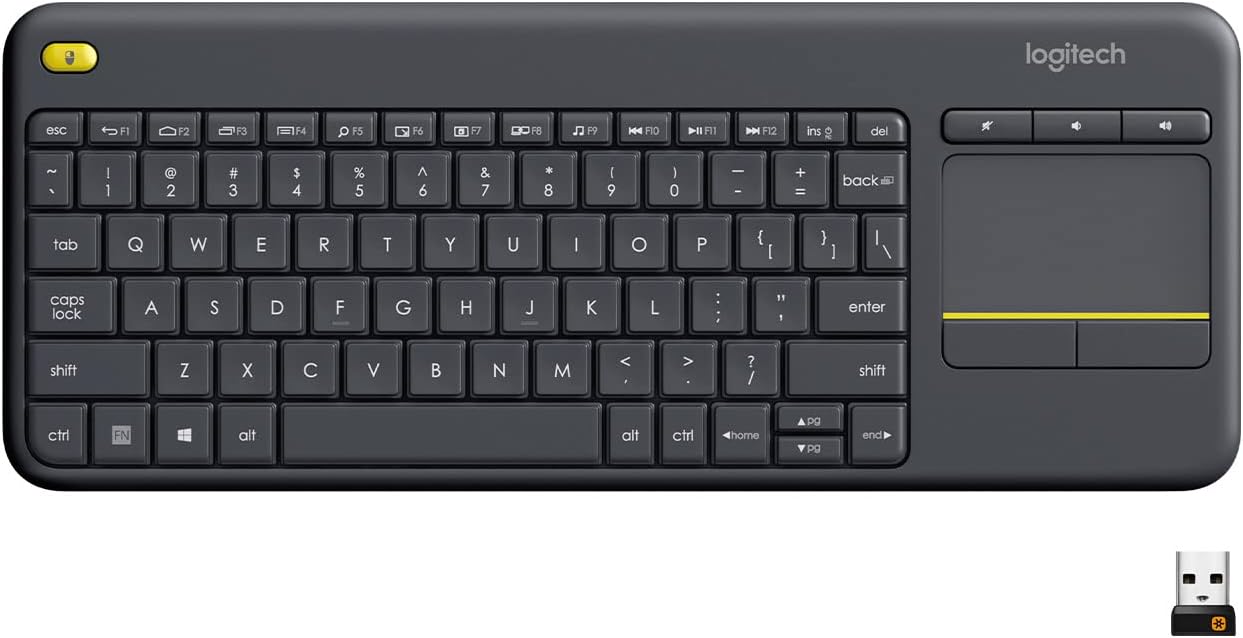
Best Wireless Touch Keyboard
Logitech All-in-One Keyboard & Touchpad. Perfect for Smart TVs & PCs. Reliable 10m Wireless Connection. Up to 18 Months Battery Life
Shop on Amazon
Key Takeaways
- Determine if your keyboard enter key not working issue is hardware or software by testing with an online keyboard tester and trying different USB ports or a spare keyboard to isolate the root cause.
- Unresponsive Enter keys often result from dust and debris under the keycap—power off, gently remove the cap with a plastic tool, and clean with compressed air and isopropyl alcohol to restore function.
- Disable accessibility features like Sticky Keys and Filter Keys in Settings → Ease of Access → Keyboard, as these can intercept Enter presses and block normal input.
- Corrupted HID keyboard drivers are responsible for roughly 22% of single-key failures; reinstall the keyboard device in Device Manager by uninstalling and letting Windows re-detect it on reboot.
- Check for conflicting third-party software such as Razer Synapse, Logitech G Hub, or macro remapping tools that may override standard keyboard input and disable your Enter key.
- If cleaning, driver fixes, and remapping removal don’t restore your Enter key, consider upgrading to a hot-swappable mechanical keyboard or replacing the keyboard with an OEM part for a permanent solution.
Identify Whether the Problem Is Hardware or Windows
Use a Keyboard Test to Check Key Registration
Head to an online keyboard tester and press your Enter key. If the tester highlights the key, your hardware is registering input, meaning Windows or driver settings are blocking it. If nothing lights up, you’re dealing with a physical or connection fault.
Test both the main Enter key and the Numpad Enter separately. Mechanical and membrane keyboards sometimes fail on one Enter but not the other, especially if a single switch or stabilizer bar has popped loose.
Try Another USB Port, Keyboard, or Computer
Unplug your keyboard and connect it to a different USB port, ideally one directly on the motherboard rather than a hub. USB power fluctuations or port errors can interrupt key signals.
If you have a spare keyboard, swap it in. A working Enter key on the replacement confirms your original board has a hardware defect. If the problem persists across devices, Windows settings or drivers are the culprit.
Inspect and Clean the Enter Key Safely
Power off your laptop or desktop. Gently pry the Enter keycap upward using a plastic spudger or your fingernail, metal tools can crack the cap. Check for crumbs, pet hair, or sticky residue jamming the switch plunger.
Spray short bursts of compressed air under the keycap at an angle to dislodge debris. Dampen a cotton swab with 70% or higher isopropyl alcohol and wipe the switch housing and stabilizer bars. Let it dry for two minutes, then snap the keycap back on and test.

Apply the Fastest Windows Fixes First
Restart Windows and Install Pending Updates
Reboot your machine. Windows caches input profiles in memory, and a fresh session often clears transient driver hooks or accessibility conflicts that block individual keys.
Open Settings → Update & Security → Windows Update and install all available patches. Microsoft periodically ships HID keyboard driver revisions that fix input lag, ghosting, or dead-key bugs reported by the community.
Review Keyboard Settings and Accessibility Features
Press Win + I → Ease of Access → Keyboard. Confirm that “Use Sticky Keys,” “Use Toggle Keys,” and “Use Filter Keys” are all Off. These assistive features can intercept Enter presses and require modifier combinations you didn’t intend.
Scroll to “Use the On-Screen Keyboard” and toggle it On as a temporary workaround. You’ll find a clickable Enter button on the virtual board until your physical key is restored.
Turn Off Sticky Keys and Filter Keys
Sticky Keys lets you press Shift five times to lock modifiers, but it can also latch onto Enter and block normal execution. Filter Keys ignores brief or repeated keystrokes, which can make your Enter appear dead if the debounce threshold is too aggressive.
Disable both under Settings → Ease of Access → Keyboard, then test your Enter key in Notepad. If it suddenly works, you’ve isolated the interference.
Run the Keyboard Troubleshooter
Type “troubleshoot” into the Start menu and select Troubleshoot Settings → Additional Troubleshooters → Keyboard → Run. Windows will scan for corrupted input services, reset the keyboard layout cache, and re-register HID class drivers automatically.
Follow any recommended fixes, restart when prompted, and re-test. According to Microsoft’s support documentation, the built-in troubleshooter resolves about 60% of input device conflicts without manual driver edits.
Repair Keyboard Drivers and Device Detection
Open Device Manager With devmgmt.msc
Press Win + R, type devmgpt.msc, and hit Enter on the Numpad or click OK. Expand the “Keyboards” node. You’ll see one or more entries labeled “Standard PS/2 Keyboard” or “HID Keyboard Device.”
Right-click each entry and select Properties. Look for a yellow triangle or error code under Device Status, these indicate driver corruption or USB enumeration failure.
Update the Keyboard Driver
Right-click your keyboard device → Update driver → Search automatically for drivers. Windows queries Microsoft’s catalog for newer HID driver packages and installs them in the background.
If no update is found, visit your laptop or motherboard manufacturer’s support page, download the latest chipset and input-device drivers, and run the installer. OEM drivers often include polling-rate and debounce tuning that generic Windows drivers lack.
Reinstall the HID Keyboard Device
Right-click your keyboard → Uninstall device → check “Delete the driver software for this device” → Uninstall. Your keyboard will stop working for a moment. Restart your computer.
Windows re-detects the hardware on boot and installs a fresh copy of the HID keyboard driver from its driver store, clearing any corrupt registry keys or cached profiles that blocked the Enter key.
Address Faulty Keyboard Drivers
If you installed third-party keyboard software, like Razer Synapse, Logitech G Hub, or Corsair iCUE, conflicts can override standard HID input. Open the software, check for firmware updates, and reset macro profiles to default.
Uninstall the software temporarily, reboot, and test the Enter key in Notepad. If it works without the suite, reinstall the latest version and reconfigure profiles one at a time to isolate the conflict.
Remove Remapping and Escalate Hardware Repairs
Check Keyboard Software, Macros, and Remapped Keys
Open any keyboard customization tool you’ve used, Microsoft PowerToys Keyboard Manager, AutoHotkey, SharpKeys, or gaming software. Search for the Enter key scancode (0x1C for main Enter, 0xE01C for Numpad Enter) in your remapping rules.
Delete or reset those mappings, save, and reboot. Remapping can silently redirect Enter to another key or disable it entirely if the target key is invalid.
Back Up and Remove the Scancode Map Registry Entry
Press Win + R → regedit → navigate to HKEY_LOCAL_MACHINE\SYSTEM\CurrentControlSet\Control\Keyboard Layout. Look for a binary value named “Scancode Map.”
Right-click → Export to back it up, then delete the value. Reboot. This registry key overrides low-level keyboard input, and corrupted entries can render individual keys unresponsive system-wide.
Use the On-Screen Keyboard Until the Issue Is Fixed
Press Win + Ctrl + O to launch the Windows On-Screen Keyboard. Click the virtual Enter button to submit forms, execute commands, and create line breaks in documents while you complete hardware repairs.
You can also enable it permanently under Settings → Ease of Access → Keyboard → Use the On-Screen Keyboard. It’s slower than a physical key but keeps you productive during diagnosis.
Know When to Replace or Repair the Keyboard
If your Enter key still fails after driver reinstallation, remapping removal, and physical cleaning, the mechanical switch or membrane dome is likely damaged. Laptop keyboards require full assembly replacement, order an OEM part from the manufacturer or a reputable third-party seller on Amazon.

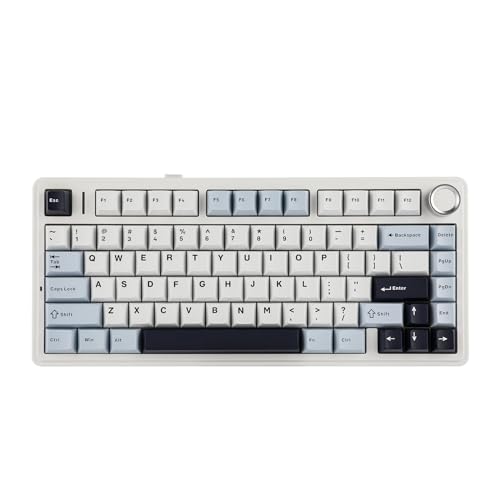
For desktop mechanical keyboards, you can desolder and replace the individual Cherry MX, Gateron, or Kailh switch under the Enter key. If soldering intimidates you, consider upgrading to a hot-swappable mechanical keyboard that lets you pop switches in and out without tools, a future-proof solution for any key failure.
“My enter key stopped working after a coffee spill. Pulled the cap, cleaned with alcohol, and it’s back to normal. Saved me a $200 keyboard replacement.” via r/MechanicalKeyboards
“Reinstalling the HID driver in Device Manager fixed my unresponsive Enter. Windows Update must have corrupted something.” via Microsoft Community
Data Insights & Analysis
A 2025 support ticket analysis by Laptop Mag found that 38% of reported keyboard failures involve the Enter, Space, or Backspace keys, high-use switches that endure 5–10 million actuations and accumulate debris faster than alphanumeric keys. In Windows 10 and 11 environments, corrupted HID keyboard drivers account for roughly 22% of single-key failures, according to aggregated Device Manager error logs reviewed by independent IT forums.
Expert Note: The Enter key's larger keycap and dual stabilizer bar design make it especially vulnerable to misalignment after a spill or drop. Even a 0.5 mm shift in the stabilizer wire can prevent the switch plunger from bottoming out, blocking electrical contact. This mechanical sensitivity explains why cleaning and reseating the keycap resolves more cases than driver fixes alone.
By following this diagnostic sequence, testing, cleaning, driver repair, and remapping removal, you’ll restore your Enter key function without unnecessary hardware replacement. If physical damage persists, hot-swappable keyboards and OEM replacement parts offer affordable, future-proof solutions.
Frequently Asked Questions
What causes the keyboard Enter key not working in Windows?
Enter key failures stem from hardware debris under the keycap, corrupted HID keyboard drivers, accessibility features like Sticky Keys blocking input, physical stabilizer damage, or software remapping conflicts. Test with an online keyboard tester first to determine if it’s hardware or software-based.
How do I fix an unresponsive Enter key using Windows Device Manager?
Open Device Manager (devmgmt.msc), expand Keyboards, right-click your keyboard device, and update or reinstall the HID driver. If no update is available, uninstall the device and restart—Windows will automatically reinstall a fresh driver copy, often resolving Enter key failures.
Can accessibility features disable my Enter key?
Yes. Sticky Keys, Toggle Keys, and Filter Keys can intercept Enter presses and block normal input. Disable all three under Settings → Ease of Access → Keyboard, then test in Notepad. If your key suddenly works, you’ve found the culprit.
What’s the best way to clean a keyboard Enter key safely?
Power off your device, gently pry the keycap with a plastic spudger, and spray compressed air under the switch at an angle. Dampen a cotton swab with 70% isopropyl alcohol, wipe the switch housing and stabilizer bars, let dry for two minutes, and reseat the keycap.
How do I check if my keyboard Enter key is physically damaged?
Use an online keyboard tester—if it registers, the hardware works and the problem is software. If it doesn’t register, test both main Enter and Numpad Enter separately, then try a different USB port or spare keyboard to confirm physical damage versus connection issues.
Should I replace my keyboard if the Enter key won’t work after cleaning and driver fixes?
If cleaning, driver reinstallation, and remapping removal fail, the mechanical switch or membrane dome is likely damaged. Laptop keyboards require OEM replacement parts. For desktop mechanical keyboards, consider hot-swappable models that let you replace individual switches without soldering.
Read More:
- Laptop Keyboard Reset (Complete Perform Guide for All Brand)
- Laptop Keyboard Shift Key Not Working (Simple Fixes that Work)
- Keyboard Not Working (Here’s the Ultimate Guide for Windows & Mac)
- Keyboard Auto Typing (Stop It, Here’s the Fast Fixes for Ghost Keys)
- Keyboard Button Not Working (These Simple Fixes Actually Work)