
You’re typing an email, and suddenly your J, K, and L keys spit out 1, 2, and 3 instead of letters. Before you panic and order a new keyboard, relax.
Your keyboard is likely fine, you’ve accidentally enabled the Num Lock feature on a laptop or compact keyboard with an embedded numeric keypad. Most laptops use keys like J, K, L, U, I, O, and 7, 8, 9 as dual-purpose letter and number keys. When Num Lock activates, these keys switch to number mode. The fix is simple: toggle Num Lock off by pressing Fn + NumLk, Fn + Shift + NumLk, or a dedicated Num Lock key, depending on your laptop brand.
This guide walks you through every fix, from quick toggles to driver resets, so you can type letters again in under two minutes.
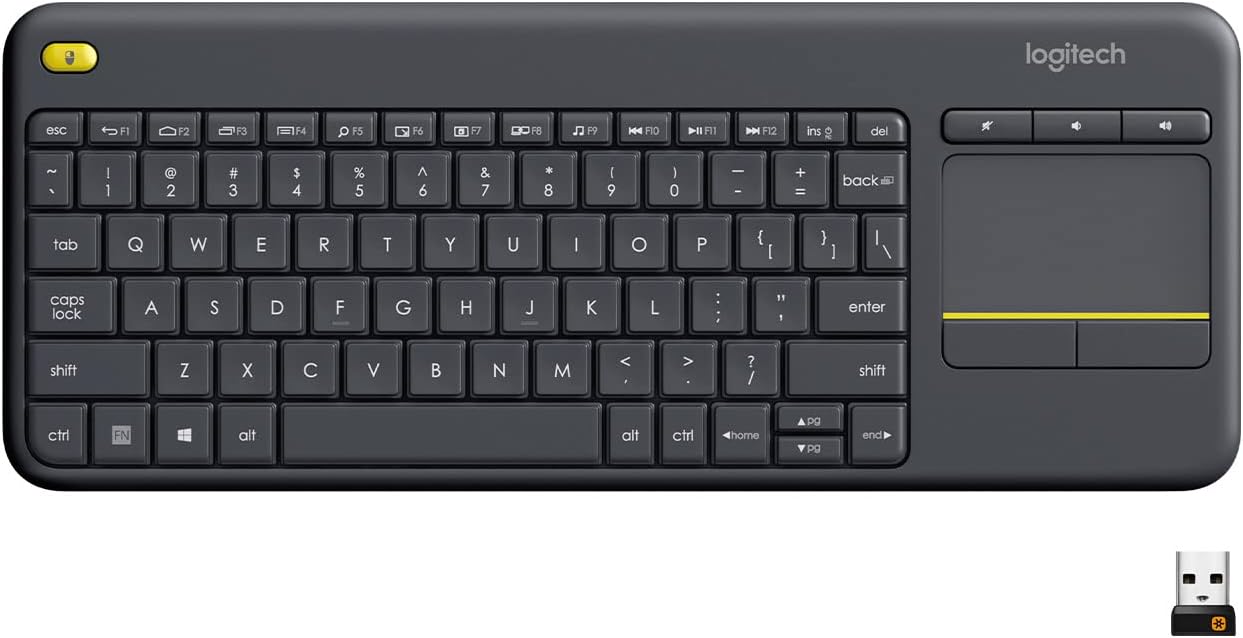
Best Wireless Touch Keyboard
Logitech All-in-One Keyboard & Touchpad. Perfect for Smart TVs & PCs. Reliable 10m Wireless Connection. Up to 18 Months Battery Life
Shop on Amazon
Key Takeaways
- Keyboard typing numbers instead of letters is typically caused by accidentally enabling Num Lock, which switches certain keys between letters and numbers on laptops and compact keyboards.
- The fastest fix is pressing Fn + Num Lock (or Fn + Shift + Num Lock on some Lenovo models), or using the on-screen keyboard via Windows + Ctrl + O to toggle Num Lock off.
- External keyboards on Mac can cause number output if connected to a PC keyboard with an active Num Lock key—press the Clear key or use macOS Keyboard Viewer to resolve the issue.
- Corrupted keyboard drivers or incorrect Windows Registry settings can lock Num Lock in the on position; update drivers through Device Manager or adjust the InitialKeyboardIndicators registry value to 0.
- Prevent accidental Num Lock activation by disabling the embedded keypad in your laptop’s settings software, using external USB numeric keypads, or labeling the Num Lock key for quick identification.
Why Is Your Keyboard Typing Numbers Instead of Letters?
The Num Lock Key: The Most Common Culprit
Num Lock is a toggle key that switches certain keys between letters and numbers. On full-sized keyboards, it controls the dedicated number pad on the right. But on laptops and compact keyboards, it activates an embedded number pad overlaid on your letter keys.
When Num Lock is on, your keyboard interprets J as 1, K as 2, L as 3, U as 4, I as 5, and O as 6. You don’t see a physical number pad, it’s invisible until Num Lock flips the switch. This embedded numeric keypad saves space but confuses users who don’t know it exists.
Accidental activation happens all the time. You might press Fn + Num Lock while gaming, cleaning the keyboard, or using a shortcut. Some laptops enable Num Lock at startup due to BIOS settings or external keyboard sync bugs.
“I was freaking out thinking my keyboard was broken until I realized Num Lock was on. Pressed Fn + NumLk and everything went back to normal.” via r/techsupport
Most laptops show a small indicator light labeled “Num Lock” on the keyboard or screen. If you don’t see one, check your system tray or on-screen keyboard.
Embedded Numeric Keypad on Laptops
Laptops from Dell, HP, Lenovo, and Asus commonly feature embedded numeric keypads. These keypads overlay the right-center section of your keyboard. The affected keys usually have small numbers printed in a different color, often blue, gray, or orange.
Here’s the typical layout:
| Letter Key | Number Output (Num Lock On) |
|---|---|
| U | 4 |
| I | 5 |
| O | 6 |
| J | 1 |
| K | 2 |
| L | 3 |
| 7 | 7 |
| 8 | 8 |
| 9 | 9 |
| M | 0 |
This design mimics a calculator’s number pad. It’s useful for data entry but frustrating when you don’t know it’s active.
Some brands place the Num Lock key in different spots. Lenovo often uses Fn + Scroll Lock. Dell and HP might use Fn + F11 or a dedicated key. Check the top or side edges of your function row for a key labeled “Num Lock,” “Num Lk,” or “NumLk.”
If you use an external keyboard with your laptop, the Num Lock state can sync between devices. Turning on Num Lock on the external keyboard sometimes activates it on the laptop keyboard too, creating confusion.
Quick Fixes for Windows Keyboards
How to Turn Off Num Lock on Windows
The fastest fix is pressing the right key combination. Most laptops use one of these shortcuts:
- Fn + Num Lock (Dell, HP, Asus)
- Fn + Shift + Num Lock (some Lenovo models)
- Fn + F11 (Dell Inspiron, Latitude)
- Fn + Scroll Lock (Lenovo ThinkPad)
Press the combination once, then try typing. Your letters should return immediately.
If you can’t find a Num Lock key, use the on-screen keyboard. Press Windows + Ctrl + O to open it. Look for the “NumLock” button at the bottom right. Click it to toggle off. The on-screen keyboard shows the current state, if the button is highlighted, Num Lock is on.
Another method: open Settings > Ease of Access > Keyboard and ensure Toggle Keys and Mouse Keys are off. Mouse Keys can activate Num Lock overlays unexpectedly.
“My HP laptop kept typing numbers. Fn + Num Lock didn’t work, but Fn + F11 did the trick. Saved me a trip to the repair shop.” via Microsoft Community
To disable Num Lock at startup, restart your computer and enter BIOS/UEFI. Press F2, Del, or F10 during the boot logo (varies by brand). Navigate to Boot or Advanced settings. Look for NumLock State or Boot NumLock. Set it to Off. Save changes and exit.
Disabling the Fn Key Lock
Some laptops have an Fn Lock feature that reverses the Fn key behavior. When Fn Lock is on, pressing F1–F12 triggers media controls instead of function keys. This can interfere with Num Lock toggles.
To turn off Fn Lock, press Fn + Esc (most brands) or Fn + Caps Lock (some HP models). Look for a padlock icon on the Esc or Caps Lock key. A small LED indicates Fn Lock status.
If Fn Lock is active, you might need to press Fn + Fn + Num Lock or simply Num Lock without Fn. Test both combinations.
Lenovo Vantage, Dell SupportAssist, and HP Command Center software let you customize Fn key behavior. Open the app, navigate to Keyboard Settings or Input, and adjust the Fn Lock toggle. Some models let you disable the embedded keypad entirely.
If you frequently use software that requires number input, consider using an external USB number pad instead of relying on the embedded overlay.

Fixing Mac Keyboard Number Issues
Troubleshooting External Keyboards on Mac
Mac laptops don’t have embedded numeric keypads, but external Windows keyboards can trigger number output on macOS. If you connect a PC keyboard with a physical Num Lock key, pressing it can cause letter keys to type numbers.
To fix this, press the Num Lock or Clear key on the external keyboard. On Mac-specific keyboards, the Clear key (located where Num Lock sits on PC keyboards) toggles the number pad.
If the external keyboard lacks a visible Num Lock key, use macOS Keyboard Viewer. Go to System Preferences > Keyboard and check Show keyboard and emoji viewers in menu bar. Click the menu bar icon and select Show Keyboard Viewer. The viewer displays which keys are active. If Num Lock is on, the number pad area will be highlighted.
Some third-party keyboards (Logitech, Razer, Corsair) include software that remaps keys. Open the keyboard’s configuration app, Logitech Options, Razer Synapse, or iCUE, and check for active macros or number pad overlays. Reset to default settings if needed.
Driver conflicts can also cause this. Unplug the keyboard, restart your Mac, then reconnect. macOS automatically reinstalls generic drivers. If issues persist, reset the SMC (System Management Controller): shut down, press Shift + Control + Option + Power for 10 seconds, then release and power on.
For Bluetooth keyboards, unpair and re-pair the device. Go to System Preferences > Bluetooth, click the X next to the keyboard, then pair it again. This clears stored settings.
If you need a reliable external keyboard for Mac, the Apple Magic Keyboard with Numeric Keypad eliminates compatibility issues and provides a dedicated number pad without overlay confusion.

Advanced Solutions for Persistent Problems
Updating and Reinstalling Keyboard Drivers
Corrupted or outdated keyboard drivers can lock Num Lock in the on position. To update drivers, press Windows + X and select Device Manager. Expand Keyboards, right-click your keyboard, and choose Update driver. Select Search automatically for drivers. Windows will download the latest version.
If updating doesn’t help, uninstall the driver. Right-click the keyboard again and select Uninstall device. Check Delete the driver software for this device if the option appears. Restart your PC. Windows reinstalls the driver automatically.
For laptops with proprietary keyboard controllers (Lenovo, Dell, HP), download drivers from the manufacturer’s support site. Enter your model number, navigate to Drivers & Downloads, and install the latest keyboard or input device driver.
Third-party tools like IObit Driver Booster scan for outdated drivers and update them automatically. This is useful if you’re unsure which driver version you need. Always download from official sources to avoid malware.
Some users report that VPN software or security tools interfere with keyboard input. If you use a VPN like NordVPN or ExpressVPN, disconnect temporarily and test your keyboard. Reconnect after confirming the issue is resolved.

Stay Private. Stay Secure.
Browse the internet with greater privacy and security with NordVPN. Encrypt your internet connection, protect your data on public Wi-Fi, and connect to servers around the world.
Get NordVPNAdjusting Windows Registry Settings
The Windows Registry stores Num Lock startup behavior. Incorrect values can force Num Lock on at boot. Warning: editing the registry can cause system instability. Back up your registry first.
Press Windows + R, type regedit, and hit Enter. Navigate to:
HKEY_USERS\.DEFAULT\Control Panel\Keyboard
Find the entry InitialKeyboardIndicators. Double-click it. The value determines startup behavior:
- 0 = Num Lock off
- 2 = Num Lock on
Change the value to 0, click OK, and restart.
For user-specific settings, navigate to:
HKEY_CURRENT_USER\Control Panel\Keyboard
Repeat the same change. This prevents Num Lock from re-enabling after login.
If you’re uncomfortable editing the registry, use third-party tools like NumLock Off or AutoHotkey scripts to force Num Lock off at startup.
How to Prevent This Issue from Happening Again
Accidental Num Lock activation is common, but you can minimize it. Disable the embedded keypad entirely through your laptop’s settings software. Lenovo Vantage, HP Command Center, and Dell SupportAssist offer options to turn off the overlay keypad or require a double-press to activate Num Lock.
If your laptop lacks this option, use registry tweaks or third-party scripts to disable the Num Lock key. AutoHotkey scripts can remap the key to do nothing:
NumLock::Return
Save this as a .ahk file and run it at startup.
For users who frequently switch between typing and number entry, consider an external USB numeric keypad. This gives you a physical number pad without interfering with your main keyboard. Models like the Jelly Comb Wireless Number Pad connect via USB or Bluetooth and work independently.

Label your Num Lock key with a small sticker or marker if it’s hard to find. This helps you quickly toggle it off when needed.
Check BIOS/UEFI settings to ensure Num Lock defaults to off at startup. This prevents the issue from recurring after reboots.
If you use macro software (Razer Synapse, Logitech G Hub, Corsair iCUE), review your profiles. Accidental macro triggers can activate Num Lock. Reset profiles to default or delete unused ones.
Finally, keep your keyboard drivers updated. Manufacturers release patches that fix Num Lock bugs and improve input stability. Visit your laptop brand’s support page monthly to check for updates.
Frequently Asked Questions
Why is my keyboard typing numbers instead of letters?
Your keyboard is likely typing numbers because Num Lock is enabled. On laptops with embedded numeric keypads, pressing Fn + Num Lock toggles certain keys (like J, K, L) to output numbers. This is the most common cause and can be fixed by pressing the appropriate key combination for your brand.
How do I turn off Num Lock on my laptop keyboard?
Try pressing Fn + Num Lock (Dell, HP, Asus), Fn + Shift + Num Lock (some Lenovo), Fn + F11 (Dell), or Fn + Scroll Lock (ThinkPad). If these don’t work, open Windows + Ctrl + O for the on-screen keyboard and click the NumLock button to toggle it off.
What are the common keys affected by Num Lock on laptops?
When Num Lock is on, embedded keypad keys output numbers: J=1, K=2, L=3, U=4, I=5, O=6, M=0, and 7=7, 8=8, 9=9. These keys usually have small numbers printed in blue, gray, or orange on your laptop’s keyboard.
Can corrupted keyboard drivers cause Num Lock issues?
Yes, corrupted or outdated drivers can lock Num Lock in the on position. Fix this by opening Device Manager, right-clicking your keyboard, selecting Update driver, and choosing Search automatically. If updating fails, uninstall the driver and restart your PC to reinstall it.
How do I prevent Num Lock from turning on at startup?
Restart your computer and enter BIOS/UEFI by pressing F2, Del, or F10 during startup. Navigate to Boot or Advanced settings, find NumLock State or Boot NumLock, set it to Off, save, and exit. This prevents automatic Num Lock activation after reboots.
Will using an external keyboard prevent the Num Lock problem?
An external USB numeric keypad eliminates embedded keypad confusion entirely. Models like the Jelly Comb Wireless Number Pad work independently and let you type letters normally while having a dedicated physical number pad for data entry.
Read More:
- Laptop Not Opening Showing Black Screen (Fix It With This Method)
- Laptop Not Working Without Charger (Here’s Why and Easy Fix Guide)
- Keyboard Typing Wrong Characters (Here the Quick DIY Fixes that Works)
- Numbers on Keyboard Not Working Only Symbols (Here’s How to Fix It)
- Keyboard Typing Symbols Instead of Letters (Here’s the Instant Fixes)