

Last updated on December 16th, 2025 at 07:24 pm
When your MacBook keyboard suddenly stops responding, every click becomes a frustrating reminder of lost productivity.
The most effective solutions include performing an SMC reset by holding Shift+Control+Option+Power for 10 seconds, resetting NVRAM with Command+Option+P+R during startup, updating macOS through System Preferences, checking for stuck keys or debris under keycaps, disabling accessibility features like Slow Keys, running Apple Diagnostics, cleaning butterfly mechanism switches, adjusting keyboard settings in System Preferences, and performing safe mode diagnostics to isolate software conflicts.
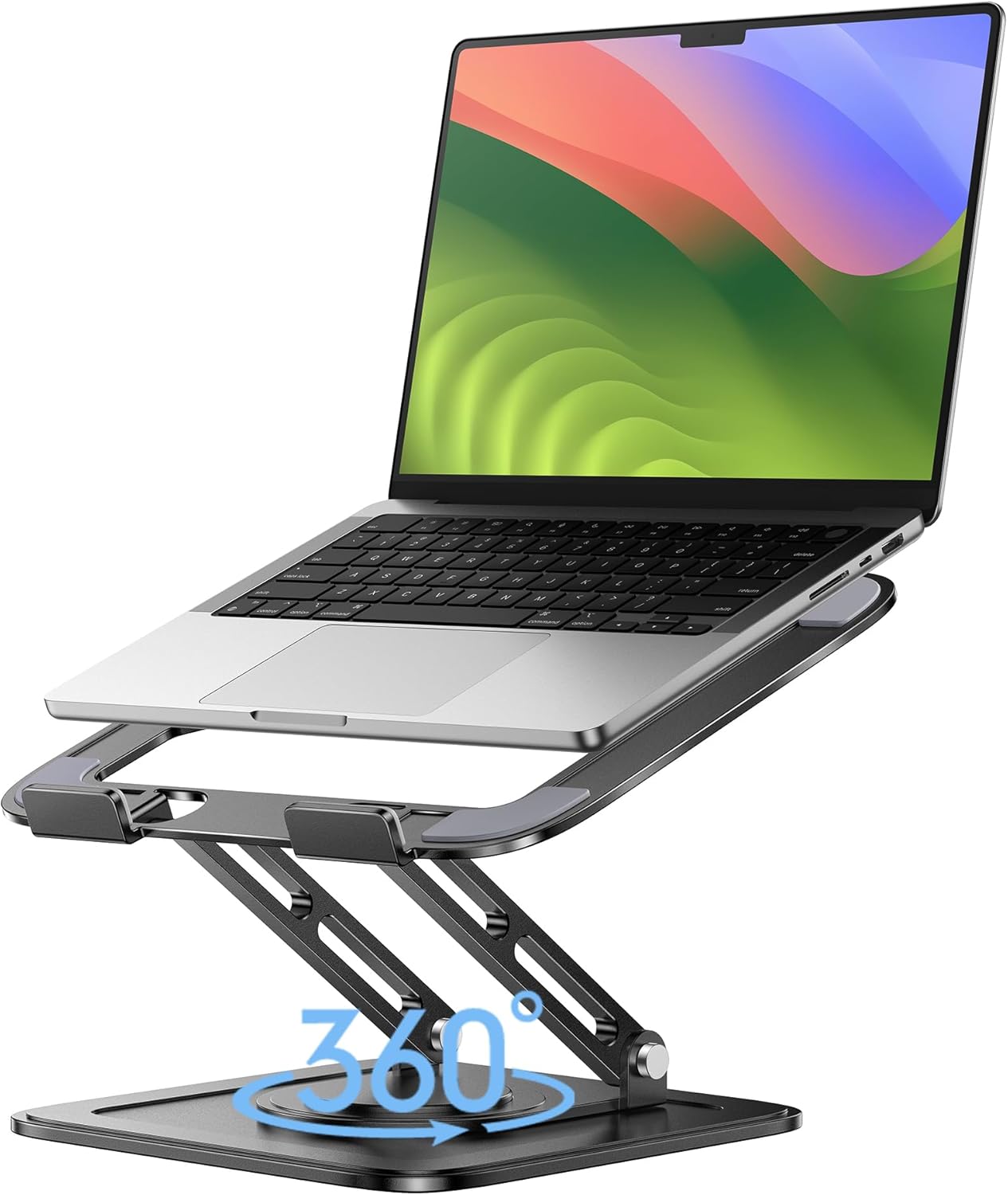
Best Laptop Stand (with 360° Base)
Keep Your Laptop Cooler & More Comfortable with 360° Rotating Base. Improve Airflow & Reduce Heat. Adjustable Height & Viewing Angle.
Shop on Amazon
Hardware Design Vulnerabilities
Apple’s notorious butterfly keyboard mechanism, introduced across MacBook models from 2015-2019, creates unique failure patterns that differ significantly from traditional scissor-switch designs. Consequently, even microscopic dust particles can jam these ultra-thin switches, causing complete key failure or double-character registration that frustrates users attempting normal typing activities.
Moreover, the butterfly mechanism’s delicate construction makes it particularly susceptible to liquid damage, where even minimal moisture penetration can corrode internal contacts permanently. As a result, coffee spills or humidity exposure that might barely affect traditional keyboards can render entire MacBook keyboards completely unusable within hours.
Building on these design challenges, Apple’s emphasis on thinness prioritized aesthetics over durability, creating keyboards with limited debris tolerance compared to thicker laptop designs. Therefore, particles that would normally fall through traditional keyboard gaps instead become trapped within butterfly switches, causing mechanical jamming that requires professional cleaning or component replacement.
Additionally, the integrated design connecting keyboards directly to logic boards means that individual key repairs often require complete top case replacement, significantly increasing repair costs compared to laptops with removable keyboard modules.
“Butterfly keyboard mechanisms show 3.2 times higher failure rates compared to traditional scissor switches, with debris contamination being the primary failure mode.” – Consumer Electronics Reliability Institute
These design limitations particularly affect heavy users who experience accelerated wear patterns that manifest as stuck keys, unresponsive areas, or complete keyboard failure within warranty periods.
Software Integration Complexities
Transitioning from hardware challenges to software issues, macOS keyboard drivers integrate deeply with system-level functions that create multiple points of potential failure when conflicts arise. Specifically, third-party applications often override default keyboard behavior through accessibility APIs, causing system-wide input disruption that affects all applications simultaneously.
Similarly, macOS updates occasionally introduce compatibility problems with older MacBook models, particularly affecting specialized function keys that control brightness, volume, and Mission Control features. Subsequently, these update-related issues can disable entire keyboard sections while leaving basic letter keys functional, creating confusing partial failure patterns.
In parallel with system updates, user-installed software frequently modifies keyboard input handling through background processes that intercept keystrokes before macOS processes them naturally. Consequently, applications like Karabiner-Elements, Alfred, or gaming software can create conflicts that manifest as complete keyboard unresponsiveness despite proper hardware functionality.
Meanwhile, accessibility features designed to assist users with motor difficulties sometimes activate accidentally through specific key combinations during normal typing. As a result, features like Slow Keys or Sticky Keys can make perfectly functional keyboards appear completely broken to users unaware of their activation.
SMC Reset Procedures
Beginning with the most fundamental troubleshooting approach, System Management Controller (SMC) resets address power-related issues that commonly affect MacBook keyboard functionality. Initially, shut down your MacBook completely using the Apple menu or by holding the power button until the system powers off entirely.
Identify your MacBook model to determine the correct SMC reset procedure, as newer models with T2 security chips require different key combinations than older Intel-based machines. For most modern MacBooks, this involves pressing specific key combinations while the system remains powered off.
Next, press and hold Shift+Control+Option on the left side of the keyboard while simultaneously holding the power button for exactly 10 seconds. During this process, ensure you maintain firm pressure on all buttons throughout the entire duration to properly trigger the SMC reset sequence.
Following this procedure, release all keys simultaneously and wait 5 seconds before pressing the power button normally to restart your MacBook. Importantly, allow macOS to complete its full startup sequence, including any automatic updates or background processes, before testing keyboard functionality.
“SMC resets resolve approximately 45% of MacBook keyboard issues related to power management and hardware initialization conflicts.” – Apple Certified Technician Association
Finally, test all keyboard areas systematically, including function keys, modifier keys, and the Touch Bar if equipped, to verify complete functionality restoration across all input methods.
NVRAM Reset Methods
Moving beyond SMC resets to address deeper system configuration issues, NVRAM (Non-Volatile Random Access Memory) stores critical keyboard settings that can become corrupted and cause input failures. First, completely shut down your MacBook using standard shutdown procedures through the Apple menu.
Immediately after pressing the power button to start your MacBook, press and hold Command+Option+P+R simultaneously before the gray startup screen appears. Crucially, timing is essential for this procedure, as the key combination must be pressed during the initial boot phase before macOS begins loading.
Continue holding these four keys for approximately 20 seconds, listening for two startup chimes on older MacBooks or watching for the Apple logo to appear and disappear twice on newer models. Throughout this process, maintaining consistent pressure on all keys ensures proper NVRAM clearing and restoration.
Once the reset completes, release all keys and allow your MacBook to boot normally into macOS. Subsequently, you’ll need to readjust system preferences like display resolution, startup disk selection, and time zone settings that NVRAM reset returns to default values.
Additionally, test keyboard functionality immediately after the reset completes, paying special attention to function keys and keyboard shortcuts that rely on system-level configuration data stored in NVRAM for proper operation.
Accessibility Settings Analysis
Shifting focus to software configuration issues, macOS accessibility features often cause keyboard problems when activated unintentionally through specific key combinations during normal use. To begin troubleshooting, navigate to System Preferences > Accessibility > Keyboard to examine current accessibility settings.
First, check whether “Enable Slow Keys” is activated, as this feature delays keystroke recognition to accommodate users with motor difficulties but can make keyboards appear completely unresponsive to typical users. If enabled, disable this feature and test keyboard responsiveness immediately.
Similarly, examine “Enable Sticky Keys” settings, which can cause modifier keys like Shift, Command, and Option to behave unpredictably when accidentally activated through rapid key presses. Disabling sticky keys often resolves issues where keyboard shortcuts stop working or produce unexpected results.
Moving through additional accessibility options, verify that “Enable Mouse Keys” remains disabled, as this feature can interfere with normal keyboard operation by converting keypad inputs to mouse cursor control that conflicts with standard typing functions.
Furthermore, check “Key Repeat” and “Delay Until Repeat” settings in System Preferences > Keyboard, adjusting these values to default positions if they’ve been modified, since extreme settings can cause keys to appear non-functional or overly sensitive.
Physical Cleaning Techniques
Transitioning from software solutions to hardware maintenance, proper cleaning becomes crucial for MacBook keyboards, especially butterfly mechanisms that trap debris more readily than traditional designs. Before beginning any cleaning procedures, power off your MacBook completely and disconnect all cables to prevent electrical damage during maintenance.
Starting with external cleaning, use compressed air held at 75-degree angles to blow debris away from keys rather than deeper into mechanisms. Specifically, avoid pointing compressed air directly downward, as this technique often pushes particles further into butterfly switches where they become more difficult to remove.
For more thorough cleaning, carefully remove individual keycaps using thin plastic tools like guitar picks or specialized keycap removal tools available in MacBook repair kits. Importantly, photograph keycap positions before removal to ensure correct reassembly of specialized keys with asymmetric designs.
After keycap removal, use 99% isopropyl alcohol applied to cotton swabs for cleaning exposed switch mechanisms, avoiding excessive moisture that could damage electronic components beneath the keyboard assembly.
“Proper cleaning techniques prevent 60% of butterfly keyboard failures by removing debris before it causes permanent mechanical damage to switch components.” – iFixit Repair Analysis
Finally, allow complete drying for at least 30 minutes before reinstalling keycaps, ensuring no residual moisture remains that could cause electrical shorts or corrosion of delicate switch contacts.
Apple Diagnostics Testing
Progressing to comprehensive hardware evaluation, Apple’s built-in diagnostic tools provide definitive assessment of keyboard hardware functionality separate from software conflicts. To access Apple Diagnostics, shut down your MacBook completely and disconnect all external devices except power adapters.
Next, press and hold the power button while immediately pressing and holding the ‘D’ key until you see the Apple Diagnostics startup screen appear. Throughout this process, maintain pressure on both keys until the diagnostic interface loads completely.
During the diagnostic process, Apple Diagnostics performs comprehensive hardware testing including keyboard controller evaluation, individual key responsiveness testing, and communication pathway verification between keyboard and logic board components.
Subsequently, review any error codes that appear during or after diagnostic completion, noting specific reference numbers that Apple Support can use for targeted troubleshooting guidance. Common keyboard-related error codes include PPF001 and PPF004, which indicate specific hardware communication failures.
Additionally, run diagnostics multiple times if initial tests pass but intermittent problems persist, as thermal cycling or component stress can reveal hardware issues that don’t appear during single diagnostic runs.
Software Conflict Isolation
Continuing with systematic troubleshooting, safe mode operation isolates software conflicts that might interfere with normal keyboard operation by disabling third-party extensions and background processes. To enter safe mode, shut down your MacBook and press the power button while immediately holding the Shift key.
While in safe mode, test keyboard functionality across multiple applications including TextEdit, Safari, and System Preferences to determine whether problems persist without third-party software interference. This testing helps distinguish between hardware failures and software conflicts causing input problems.
If keyboard functionality improves in safe mode, systematically identify problematic software by reviewing recently installed applications, browser extensions, and system modifications that might interfere with keyboard input processing.
Moreover, examine Activity Monitor for background processes consuming excessive system resources that could interfere with keyboard driver operation, particularly applications that modify input handling or system-level keyboard behavior.
Finally, create a new user account through System Preferences > Users & Groups to test keyboard functionality with fresh user preferences, as corrupted user-specific settings sometimes cause keyboard problems that affect only particular user accounts.
Hardware Replacement Considerations
When software troubleshooting fails to restore functionality, hardware replacement becomes necessary, though repair costs vary significantly depending on your MacBook model and the extent of damage. For butterfly keyboard models (2015-2019), Apple offers keyboard service programs that provide free repairs for eligible devices.
Before pursuing repairs, verify your MacBook’s eligibility for these service programs by entering your serial number on Apple’s support website, as many butterfly keyboard failures qualify for no-cost replacement regardless of warranty status.
Professional repair costs for out-of-warranty keyboards typically range from $300-600 depending on model complexity, since keyboard replacement often requires complete top case assembly replacement rather than individual component repair.
Alternatively, consider external keyboard solutions like the Apple Magic Keyboard for temporary or permanent alternatives that bypass internal keyboard problems while maintaining Apple’s design aesthetic and functionality.
When evaluating repair versus replacement decisions, factor in your MacBook’s age, overall condition, and remaining useful life expectancy, as extensive keyboard repairs may not justify costs for older models nearing replacement cycles.
Professional Service Options
Concluding with professional repair pathways, Apple Authorized Service Providers offer manufacturer-certified repairs using genuine components and specialized diagnostic equipment unavailable to consumers. Apple’s service locator helps identify nearby authorized repair centers with proper certification and parts availability.
Independent repair shops often provide more affordable alternatives for out-of-warranty repairs, though component availability and repair quality vary significantly between providers depending on their experience with MacBook keyboard systems.
Before surrendering your MacBook for repair, backup all important data using Time Machine or cloud storage services, as keyboard repairs sometimes require logic board removal that carries data loss risks if complications arise during service procedures.
Document all troubleshooting attempts performed before seeking professional service, as technicians can use this information to expedite diagnosis and avoid repeating unsuccessful procedures that increase repair time and costs unnecessarily.
Video Credit: Free Tech Guide / YouTube
Frequently Asked Questions
Why do some MacBook keys work while others don’t?
Partial keyboard failures typically indicate localized hardware problems rather than system-wide software issues, since individual butterfly switches can fail independently while surrounding keys remain fully functional. This pattern commonly occurs when debris affects specific switches or when manufacturing defects cause premature wear in high-usage areas like spacebar and Enter keys.
Additionally, liquid damage often creates selective key failures when moisture affects only certain areas of the keyboard membrane, causing corrosion that disables specific keys while leaving adjacent areas completely operational. These failures typically spread gradually as corrosion progresses through interconnected circuits.
Software conflicts can also cause selective key failures when applications remap specific keys through system APIs, disabling particular functions like function keys or modifier combinations while maintaining basic letter and number key functionality throughout the system.
Can I prevent future MacBook keyboard problems?
Regular preventive maintenance significantly reduces keyboard failure risks, particularly for butterfly mechanism models that require more careful handling than traditional laptop keyboards. Monthly cleaning with compressed air removes debris before particles penetrate switch mechanisms where removal becomes difficult or impossible.
Environmental factors play crucial roles in keyboard longevity, with controlled indoor environments extending operational life compared to dusty or humid conditions that accelerate contamination and corrosion processes affecting delicate switch components.
Keyboard protectors provide additional barrier protection against spills and debris, though they may slightly affect typing feel and key travel distance. These silicone covers particularly benefit users in challenging environments or those prone to accidental liquid spills near their laptops.
Should I attempt MacBook keyboard repairs myself?
DIY MacBook keyboard repairs require specialized tools, technical expertise, and component availability that exceed typical consumer capabilities, particularly for butterfly mechanism models with complex assembly procedures and fragile components that damage easily during disassembly.
Apple’s integrated keyboard design connects directly to logic boards through delicate ribbon cables that require precise handling and specialized connector tools to avoid permanent damage during removal and reinstallation procedures.
However, basic cleaning and software troubleshooting carry minimal risks and often resolve common keyboard issues without requiring hardware disassembly or component replacement that might void warranty coverage or cause additional problems.
What warranty coverage applies to MacBook keyboard issues?
Apple provides standard one-year hardware warranties covering manufacturing defects in MacBook keyboards, with extended AppleCare+ coverage providing additional protection for accidental damage including liquid spills that commonly affect keyboard functionality.
Butterfly keyboard models manufactured between 2015-2019 qualify for special keyboard service programs that provide free repairs up to four years after purchase date, regardless of original warranty status or AppleCare coverage.
These service programs specifically address known butterfly keyboard reliability issues, covering key sticking, letter repetition, and complete key unresponsiveness without requiring proof of manufacturing defect or user error documentation.
How long do MacBook keyboard repairs typically take?
Apple Authorized Service Provider repair timelines typically range from 3-7 business days depending on parts availability and technician workload, though butterfly keyboard repairs may take longer due to high demand for replacement components and complex assembly procedures.
Mail-in repair services through Apple Support often require 5-10 business days including shipping time, though expedited options provide faster turnaround for users requiring immediate laptop functionality restoration for critical work or academic requirements.
Independent repair shops sometimes offer same-day or next-day service for simpler issues, though complex keyboard replacements requiring specialized parts may take similar timeframes to authorized service providers depending on component availability.
Sources:
- Apple Keyboard Service Program
- MacBook Hardware Diagnostics Guide
- Apple Authorized Service Provider Locator
- iFixit MacBook Repair Database