
Your dual-monitor docking station just went dark mid-workday. Cables are plugged in, your laptop’s powered on, but nothing’s showing up. Frustrating, right?
Before you panic about broken hardware or expensive replacements, know that most docking station failures stem from simple, fixable causes: a loose USB-C host cable that lost contact with your laptop port, a power adapter that isn’t fully seated in the wall socket, outdated Thunderbolt controller drivers stuck in a confused state, or a dock firmware bug that requires a quick power drain reset. You can troubleshoot and resolve the majority of these glitches yourself in under 15 minutes without any special tools or tech degree.
This guide walks you through practical, step-by-step checks and DIY fixes, from validating physical connections and power LED indicators, to updating drivers via Device Manager and running official firmware utilities, so you can restore your multi-display workstation, save money on support calls, and get back to work fast.
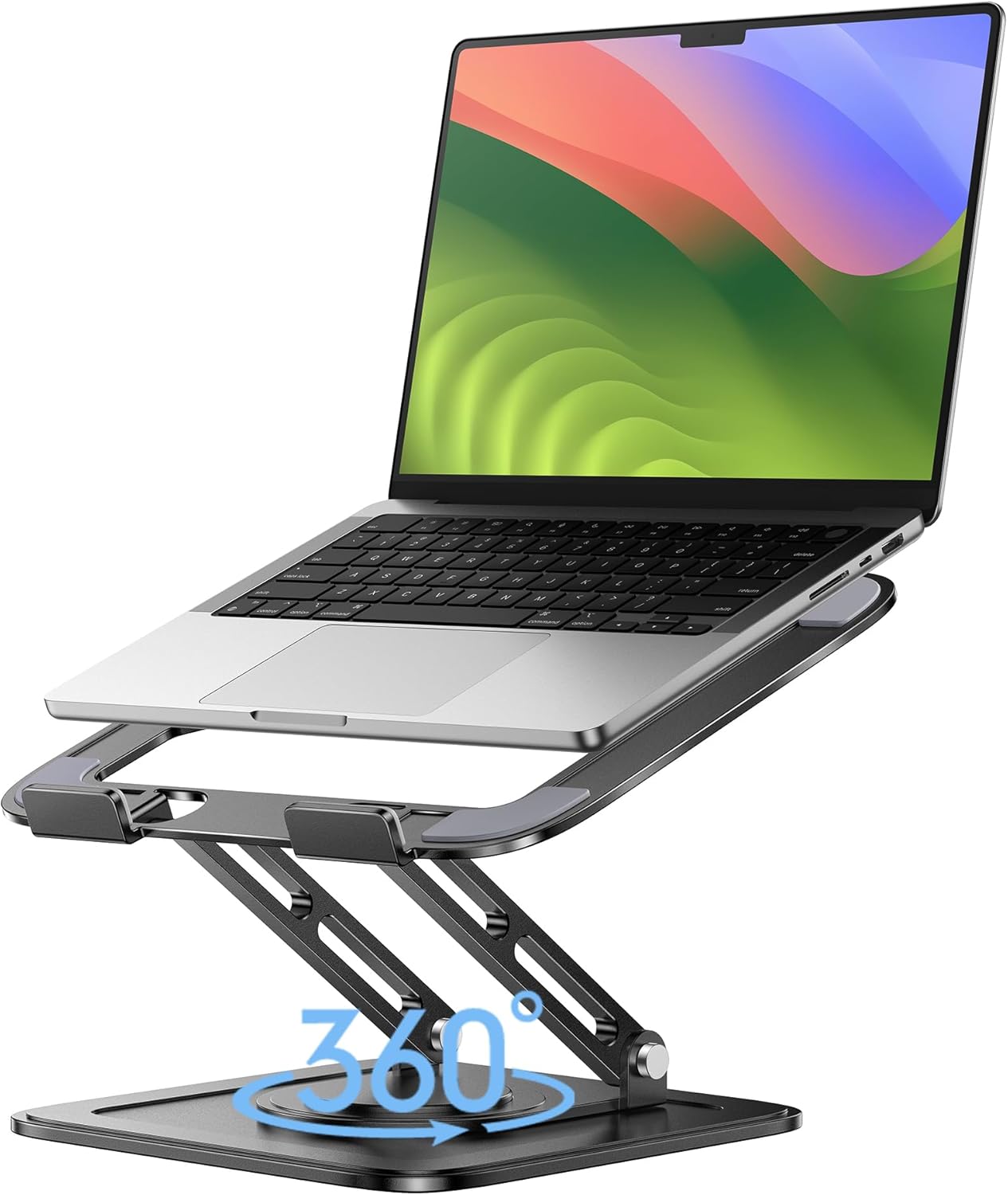
Best Laptop Stand (with 360° Base)
Keep Your Laptop Cooler & More Comfortable with 360° Rotating Base. Improve Airflow & Reduce Heat. Adjustable Height & Viewing Angle.
Shop on Amazon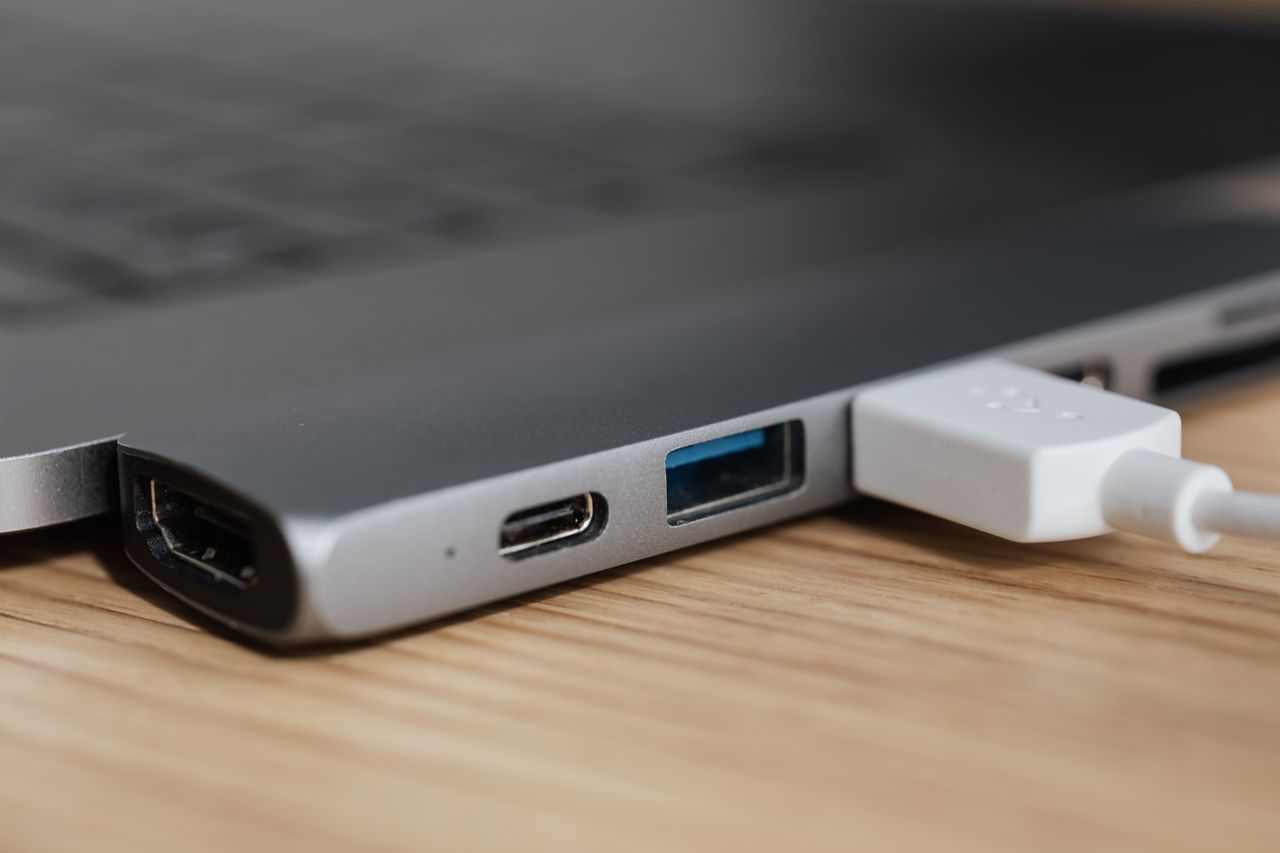
Key Takeaways
- Most docking station failures stem from simple, fixable causes like loose cables, improper power adapter seating, or outdated drivers—fixable in under 15 minutes without special tools.
- Always use your dock’s original power adapter and USB-C host cable; third-party replacements lack proper voltage regulation and can trigger power delivery conflicts that disable display output.
- A hard power reset (unplugging for 30 seconds) clears the dock’s microcontroller state and resolves many stuck power states without firmware updates.
- Check Device Manager for yellow exclamation marks under ‘Universal Serial Bus controllers’ and update Thunderbolt/USB-C drivers from your laptop manufacturer’s support site before considering hardware replacement.
- If your docking station not working persists after driver updates, firmware flashing, and cable testing, internal hardware failure is likely—test the dock on another laptop to confirm before contacting manufacturer support.
- For future prevention, disable USB selective suspend in Windows power settings, clean USB-C ports monthly with compressed air, and avoid hot-plugging your dock under load to reduce electrical stress on controller circuits.
Key Reasons Your Docking Station Fails
Cable and Power Delivery Issues
A surprising number of dock failures trace back to the basics: the host cable isn’t fully clicked into your laptop’s USB-C or Thunderbolt port, or the power brick isn’t seated properly in the wall outlet. USB-C connectors are reversible, but they require firm insertion, a half-seated plug won’t deliver the 60–100 watts needed for charging plus video and peripherals.
Check your dock’s status LED. No light usually means zero power. A blinking or amber LED often signals insufficient wattage from a mismatched or underpowered adapter. Many docks ship with proprietary power supplies rated at 90W or higher: swapping in a generic 45W charger triggers power delivery conflicts that kill display output even if your laptop charges.
“My dock worked fine until I used my phone’s USB-C cable by mistake, monitors went black instantly.” via r/techsupport
Cable quality matters too. Thin, cheap USB-C cables lack the full 24-pin wiring for Alt Mode video and can cause intermittent screen flickering or complete signal loss. Always use the original cable that shipped with your dock.
Dock-Laptop Compatibility Gaps
Not every USB-C port supports the same features. Older laptops labeled “USB-C” may only handle data transfer and charging, not video output. Thunderbolt 3/4 docks require a Thunderbolt-certified port on your laptop: plugging into a standard USB-C 3.2 Gen 2 port won’t enable multi-display functionality.
Windows and macOS enforce different DisplayPort Streaming Transport (MST) limits. Many M1/M2 MacBooks natively support just one external display via USB-C Alt Mode, forcing users to rely on DisplayLink technology for additional monitors, a software-based workaround that requires separate driver installation.
Firmware and Driver Update Problems
Your operating system talks to the dock through controller drivers, Thunderbolt, USB hub, Ethernet, and audio chipsets. A single outdated or corrupted driver can freeze the entire chain. Windows Update sometimes pushes generic drivers that clash with manufacturer-specific firmware, triggering yellow exclamation marks in Device Manager under “Universal Serial Bus controllers.”
Dock manufacturers release firmware updates to patch power negotiation bugs, improve monitor handshake timing, and fix USB 3.0 interference. Skipping these updates leaves your dock vulnerable to known compatibility glitches, especially after major Windows feature releases.
Peripheral and Monitor Detection Failures
Sometimes the dock charges your laptop perfectly but refuses to wake external monitors. This usually points to a DisplayPort Alt Mode negotiation failure or a stuck EDID (Extended Display Identification Data) handshake. Your laptop’s GPU doesn’t see the monitors’ capabilities, so it defaults to laptop-screen-only mode.
USB peripherals, keyboards, mice, webcams, may also drop out if the dock’s internal USB hub controller enters a low-power suspend state and fails to wake. Checking for conflicting power management settings in Windows Device Manager often resolves random disconnect issues.
How Docking Stations Connect: Types and Core Technologies
Thunderbolt, USB-C, and USB4 Explained
Thunderbolt 3/4 delivers 40 Gbps bandwidth over a single USB-C cable, tunneling PCIe, DisplayPort, USB data, and power delivery simultaneously. This high throughput supports dual 4K monitors at 60 Hz and fast NVMe storage. USB4 adopts the Thunderbolt 3 spec as a baseline but varies by implementation, some USB4 ports max out at 20 Gbps.
Standard USB-C 3.2 Gen 2 tops out at 10 Gbps and relies on DisplayPort Alt Mode to route video signals. It can handle one or two 1080p displays depending on your laptop’s GPU, but it lacks the PCIe lanes needed for ultra-fast external SSDs or eGPUs.
DisplayPort Alt Mode and DisplayLink Overview
DisplayPort Alt Mode reconfigures half the USB-C pins to carry native DisplayPort signals directly from your laptop’s GPU. This method offers low latency and high resolution but is limited by the number of Alt Mode lanes your laptop allocates, typically enough for one or two displays.
DisplayLink is a software-based alternative that compresses video frames and transmits them over standard USB data channels. This lets you add multiple monitors to any USB-A or USB-C port, but it consumes CPU cycles, introduces slight lag, and requires DisplayLink drivers installed on your system.
Leading Docking Station Models and Protocols
Popular Thunderbolt docks include the CalDigit TS4 (18 ports, 98W charging), OWC Thunderbolt Dock (11 ports, dual 4K support), and Kensington SD5700T (supports up to three displays). USB-C DisplayLink hubs like the Plugable UD-ULTC4K and Dell D6000 offer broader laptop compatibility at lower cost.
Each model uses proprietary firmware and controller chips, Realtek, Intel, or Parade, so troubleshooting steps and firmware utilities differ by brand. Always download firmware tools directly from your dock manufacturer’s support site.
Comparing Dock Technologies for Your Laptop
| Technology | Bandwidth | Max Displays | Latency | Laptop Requirement |
|---|---|---|---|---|
| Thunderbolt 3/4 | 40 Gbps | 2× 4K @ 60 Hz | Minimal | Thunderbolt-certified port |
| USB-C Alt Mode | 10 Gbps | 1–2× 1080p | Minimal | USB-C with DP Alt Mode |
| DisplayLink (USB-C) | 5–10 Gbps | Up to 3× 4K | Moderate | Any USB-C or USB-A port |
| USB4 | 20–40 Gbps | Varies | Low | USB4-certified port (Thunderbolt) |
Choose Thunderbolt if you need maximum bandwidth and dual high-res monitors. Pick DisplayLink if your laptop’s USB-C port doesn’t support video or you need more than two displays.
Step-by-Step Troubleshooting Guide
Physical Checks and Connection Validation
Start with the simplest fixes. Unplug the main USB-C or Thunderbolt cable from your laptop, inspect both the cable connector and port for lint or dust, then reconnect firmly until you hear or feel a click. Verify the dock’s power adapter is fully inserted into a working wall outlet, not a failing power strip, and confirm the dock’s status LED lights up solid green or white.
If the LED is off or blinking amber, the dock isn’t receiving enough power. Try a different outlet or swap in the correct OEM power brick. Test your laptop’s port by plugging in a USB-C flash drive or charger: if nothing responds, the port itself may be damaged or disabled in BIOS.
Perform a quick laptop reboot. Windows and macOS sometimes cache stale USB topology data that prevents the dock from re-enumerating. A fresh boot clears that cache and forces the system to rediscover all connected devices.
Updating Firmware, Drivers, and BIOS
Open Device Manager (Win + X → Device Manager) and expand “Universal Serial Bus controllers.” Look for yellow exclamation marks or entries labeled “Unknown Device.” Right-click and select Update driver → Search automatically. If Windows finds nothing, visit your laptop manufacturer’s support page and download the latest Thunderbolt, USB-C controller, and chipset drivers.
Next, download your dock’s firmware update utility from the manufacturer’s site. For example, CalDigit provides a Thunderbolt Station Firmware Updater, and Dell offers the Dell Dock Firmware Update tool. Run the updater while the dock is connected: the process typically takes 3–5 minutes and requires a reboot.
Finally, check for a BIOS update on your laptop. BIOS revisions often include Thunderbolt security patches and USB power management fixes. Flash the update following your manufacturer’s instructions, then re-test the dock.
Detecting and Resolving Power or Charging Issues
If the dock charges your notebook but won’t power peripherals or displays, the issue is usually a USB Power Delivery negotiation conflict. Disconnect all peripherals from the dock, then reconnect them one by one to isolate the culprit. High-draw devices like portable SSDs or RGB lighting hubs can exceed the dock’s total power budget.
Perform a hard power reset: unplug the dock’s power adapter and USB-C host cable, wait 30 seconds to drain residual charge from internal capacitors, then reconnect power first, wait for the LED, then attach the host cable. This clears the dock’s microcontroller state and often resolves “stuck” power states.
“My CalDigit TS3 Plus wouldn’t wake my monitors until I did a full power cycle, unplugged for 60 seconds, then worked perfectly.” via r/UsbCHardware
Check Windows power settings: go to Settings → System → Power & battery → Screen and sleep and ensure USB selective suspend is disabled for docked mode. Some laptops aggressively suspend USB ports to save battery, killing the dock’s hub controller.
Monitor and Peripheral Recognition Solutions
When displays stay black, right-click the desktop and select Display settings → Detect. If Windows still doesn’t see the monitors, open Device Manager → Monitors and uninstall each listed display, then scan for hardware changes to force a fresh EDID handshake.
For DisplayLink docks, verify the DisplayLink software is installed and running. DisplayLink uses a virtual graphics adapter that appears under “Display adapters” in Device Manager. Reinstall the driver if it’s missing or shows an error.
If USB peripherals drop intermittently, disable power management for each USB Root Hub: Device Manager → Universal Serial Bus controllers → USB Root Hub (USB 3.0) → Properties → Power Management → uncheck “Allow the computer to turn off this device.”
For persistent issues, try compressed air to clear dust from your laptop’s USB-C port and the dock’s connectors. Oxidation and debris create micro-gaps that disrupt high-speed signals.

When Replacement or Advanced Support Is Needed
Evaluating Dock Hardware Failures
If you’ve updated all drivers and firmware, tested multiple cables and power outlets, and the dock still shows no LED or fails to charge, internal hardware failure is likely. Common culprits include a blown fuse on the dock’s power input board, a fried USB-C controller chip from a voltage spike, or broken solder joints on the host port from repeated plug/unplug cycles.
Test the dock on a different laptop. If it fails there too, the dock itself is dead. Most manufacturers offer a one- to three-year warranty: contact support for an RMA. If you’re out of warranty, repair costs often exceed the price of a new unit, docks contain specialized controllers and multilayer PCBs that aren’t cost-effective to fix.
Long-Term Prevention and Cleaning Best Practices
Prevent future failures by following simple maintenance habits:
- Use the original power adapter and host cable that shipped with your dock, third-party replacements may lack proper voltage regulation or pinout.
- Clean USB-C ports monthly with compressed air and a soft brush to remove lint and oxidation.
- Avoid hot-plugging under load: shut down or sleep your laptop before connecting or disconnecting the dock to reduce electrical stress on the port’s controller.
- Keep firmware current: set a quarterly reminder to check for dock and laptop BIOS updates.
Store your dock in a cool, dry location. Heat accelerates capacitor aging, and humidity causes corrosion on exposed connector pins.
Matching Docks to System Requirements
Before buying a replacement, verify your laptop’s port capabilities. Check the manufacturer’s spec sheet or use a tool like USB Device Tree Viewer to confirm Thunderbolt certification, Alt Mode support, and power delivery wattage.
For maximum flexibility and future-proofing, consider a Thunderbolt 4 dock that meets Intel’s strict certification: dual 4K @ 60 Hz, 40 Gbps bandwidth, and 96W charging minimum. If you’re on a budget or have a non-Thunderbolt laptop, a DisplayLink hub offers broad compatibility and multi-monitor support at a lower cost.

As a temporary workaround until you secure a new dock, connect monitors directly to your laptop’s HDMI or USB-C ports and use a powered USB hub for peripherals. This keeps you productive while you troubleshoot or wait for a replacement unit to arrive.
](https://m.media-amazon.com/images/I/31Shs0pI0IL._SS500_.jpg)
Frequently Asked Questions
Why is my docking station not working even though it’s plugged in?
Most docking station failures stem from simple issues: a loose USB-C cable, an improperly seated power adapter, or insufficient power delivery. Check that the host cable is firmly clicked into your laptop’s port and the power brick is fully inserted into a working outlet. Verify the dock’s status LED is solid green or white, not off or amber.
How can I fix a docking station with no power or a blinking LED?
A docking station not receiving power typically indicates a loose power connection. Ensure the adapter is fully seated in a working wall outlet, not a failing power strip. Try a different outlet or use the original OEM power brick—generic adapters may not deliver the required 60–100 watts, causing power conflicts that kill display output.
What’s the difference between Thunderbolt and USB-C docking stations?
Thunderbolt 3/4 offers 40 Gbps bandwidth, supporting dual 4K displays at 60 Hz, while standard USB-C Alt Mode maxes out at 10 Gbps and handles one to two 1080p displays. Thunderbolt requires a Thunderbolt-certified port; USB-C works on any compatible port. Choose Thunderbolt for maximum performance, USB-C for broader laptop compatibility.
Can I use any USB-C cable to connect my laptop to a docking station?
No, always use the original cable that shipped with your dock. Cheap or third-party USB-C cables may lack full 24-pin wiring for Alt Mode video, causing intermittent flickering or complete signal loss. Additionally, using an incorrect power adapter rated lower than your dock’s requirements can trigger power delivery conflicts.
How do I force my docking station to recognize external monitors?
If displays stay black, right-click the desktop, select Display settings → Detect. If Windows still doesn’t recognize monitors, open Device Manager → Monitors, uninstall each display, and scan for hardware changes to force a fresh EDID handshake. For DisplayLink docks, ensure the DisplayLink software is installed and the virtual graphics adapter appears in Device Manager.
Is my docking station broken, or do I need to update drivers and firmware?
Before assuming hardware failure, update drivers and firmware. Open Device Manager and check for yellow exclamation marks under ‘Universal Serial Bus controllers.’ Download the latest Thunderbolt, USB-C, and chipset drivers from your laptop manufacturer’s site, then run your dock’s firmware update utility from the manufacturer. A BIOS update may also resolve compatibility issues.
Read More:
- Laptop Keyboard Not Working (Complete Fix Guide for All Brands)
- Camera on Laptop Not Working (Causes and Here’s How to Fix It Fast)
- Audio Jack on Laptop Not Working (Symptoms and Quick DIY Fixes that Works)
- Backlight on Laptop Not Working (Start With These Quick Fixes that Really Work)
- Cursor on Laptop Not Working (Here’s the Quick Fixes That Actually Work)
- Charging Port on Laptop Not Working (7 Quick Fixes that Actually Works)