
You’re racing a deadline, your laptop battery’s dropping fast, and the charging port refuses to respond. That sinking panic when you wiggle the cable and nothing happens? We’ve all been there.
When your charging port on laptop not working, the fix usually involves checking the wall outlet and power brick LED, cleaning pocket lint from the DC barrel with a wooden toothpick, testing an alternate USB-C port if available, reinstalling the Microsoft ACPI-Compliant Control Method Battery driver in Device Manager, or performing a full EC (embedded controller) power drain reset by holding the power button for 30 seconds with the battery and charger disconnected.
This guide walks you through simple, desk-friendly diagnostics and real DIY fixes, no soldering iron required. You’ll learn how to tell if it’s a quick software glitch, a dusty connector, or a sign you need professional help.
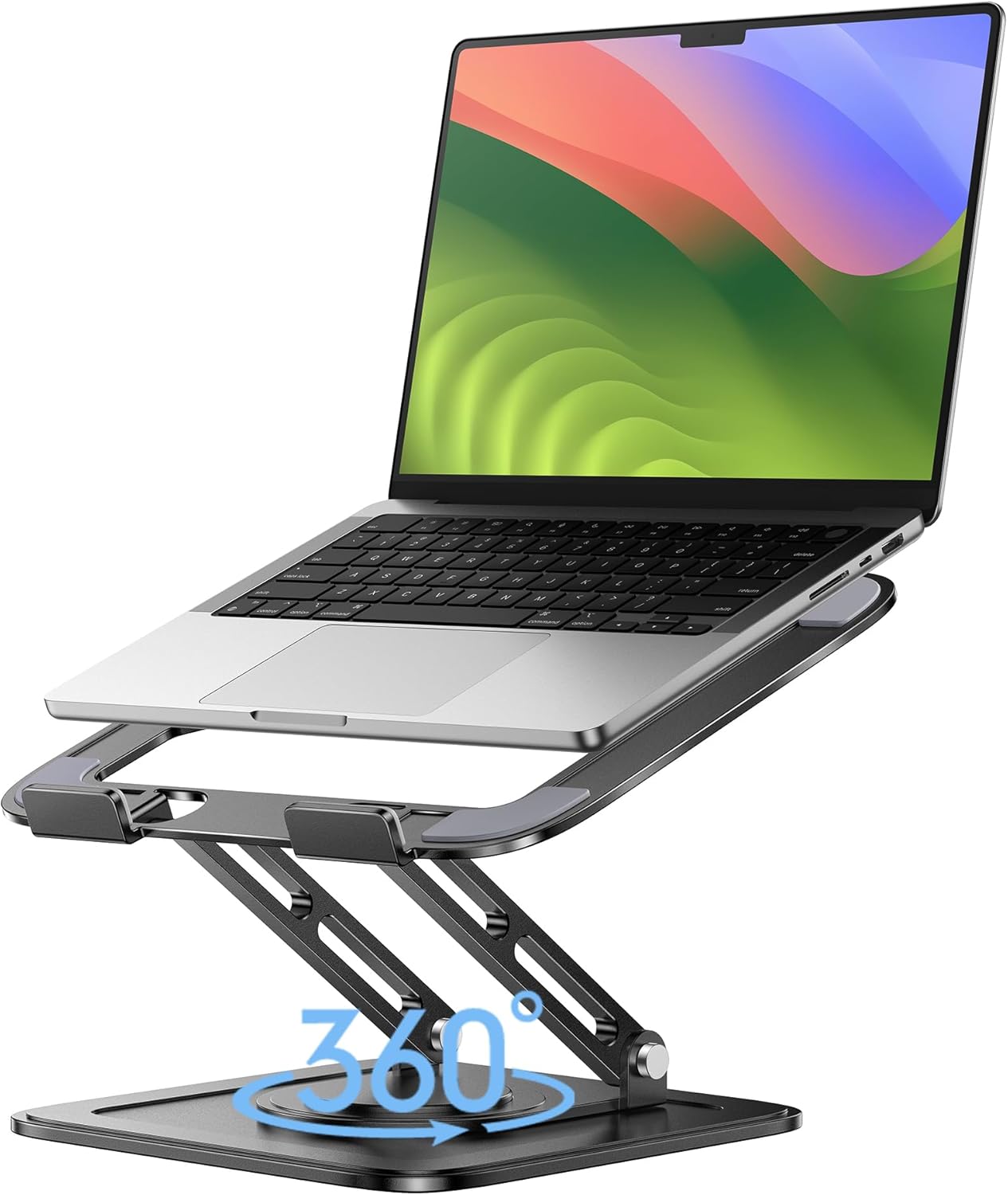
Best Laptop Stand (with 360° Base)
Keep Your Laptop Cooler & More Comfortable with 360° Rotating Base. Improve Airflow & Reduce Heat. Adjustable Height & Viewing Angle.
Shop on Amazon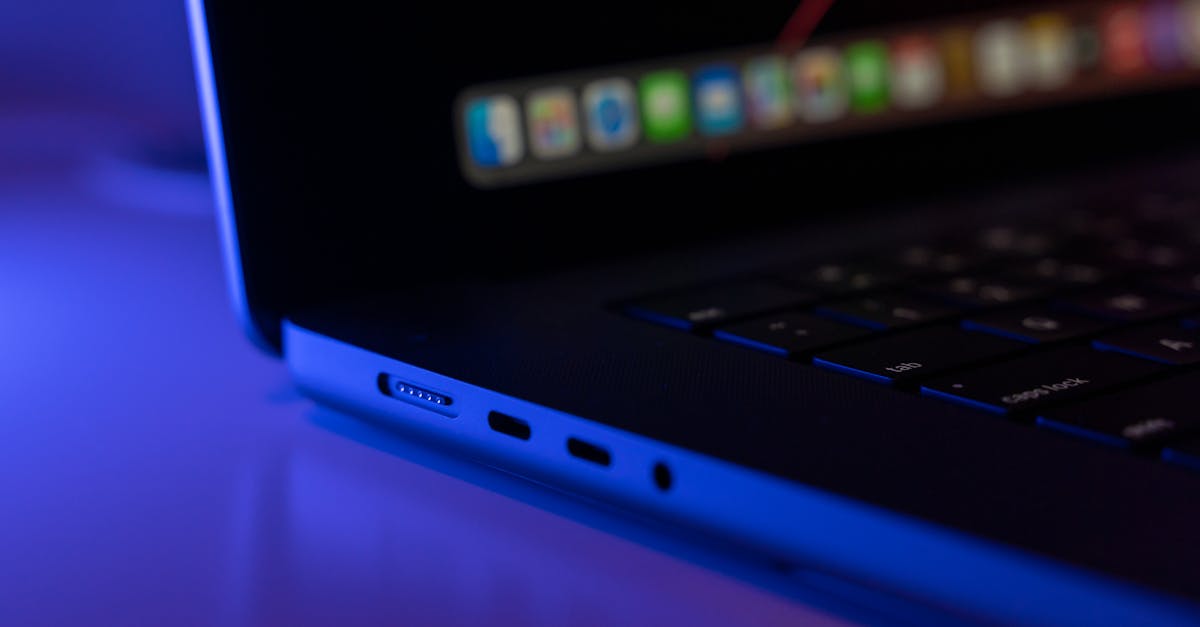
Key Takeaways
- A charging port on laptop not working often stems from simple issues like pocket lint buildup, dead power bricks, or loose connections—start by testing a different outlet and inspecting the cable for damage.
- Reinstalling the Microsoft ACPI-Compliant Control Method Battery driver in Device Manager resolves approximately 30 percent of software-related charging failures without requiring hardware repair.
- Cleaning the charging port with a wooden toothpick and compressed air can eliminate lint and debris that block proper power delivery, and testing alternate charging methods like USB-C Power Delivery helps isolate whether the issue is port-specific.
- If your laptop charges on AC but dies instantly when unplugged, the battery has likely reached end-of-life after 300–500 charge cycles and requires replacement rather than port repair.
- Professional motherboard-level repairs for a charging port typically cost $100–$600 depending on the component; weigh repair costs against replacement value before proceeding.
Identifying the Cause of Charging Port Issues
Common Signs of Port Failure
When your laptop stops charging, the symptoms tell the story. A completely dead charging LED, no light, no flicker, often points to a power delivery breakdown somewhere in the chain. Intermittent flashing or a light that blinks on and off when you move the cable? That’s your first clue that the physical jack itself might be loose or full of debris.
You might also notice the battery icon in Windows stuck at “plugged in, not charging” or showing no charging indicator at all. Some laptops emit warning beeps or display a “charger not recognized” message during boot. These are software-layer signals that your system sees power but won’t accept it, usually a driver conflict, a BIOS mismatch, or an embedded controller hiccup.
Distinguishing Between Port and Battery Problems
Before you blame the port, confirm the battery itself isn’t the culprit. If your laptop runs perfectly when plugged in but dies instantly when you unplug it, the battery has likely reached end-of-life and won’t hold a charge anymore. That’s separate from port failure. Conversely, if the laptop won’t power on at all, even with the charger connected, and shows zero LED activity, you’re looking at either a dead power brick, a severed internal power rail, or a faulty DC jack solder joint.
A quick litmus test: try booting with the battery removed (if your model allows it) and only the AC adapter connected. If the machine springs to life, your port and brick are fine: replace the battery. If it stays dark, the port or motherboard power circuit needs attention.
Wiggle and Visual Inspection Techniques
Gently wiggle the charging plug inside the port while watching the LED. If the light flickers or the charging icon toggles on and off, the barrel connector is either packed with lint or the solder pads on the motherboard have cracked. Use a bright flashlight and peer directly into the port, look for bent pins (common on USB-C), foreign objects, or a visible gap between the plastic housing and the metal shell.
Check the cable and brick for fraying, kinks, or burn marks. Sniff near the port, seriously, burnt electronics have a distinct acrid smell. If you detect that odor, stop immediately and consult a technician: you’re dealing with a short circuit or component failure.
Step-by-Step Troubleshooting for Non-Working Charging Ports
Checking Power Sources and Connections
Start at the wall. Plug a lamp or phone charger into the same outlet to confirm it has live power. Outlets controlled by wall switches, power strips with tripped breakers, and loose connections cause more “laptop won’t charge” cases than you’d think. Move to a different outlet in another room and try again.
Inspect every connection point: wall plug to brick, brick to cable, cable to laptop. Push each firmly. Many power bricks have a detachable AC cord: reseat both ends. Look for the status LED on the brick itself, most adapters have a small green or blue light. If that’s dark, the brick is dead or the wall outlet is off. Borrow a friend’s compatible charger or order a verified replacement from Amazon’s universal laptop adapters to rule out brick failure.
Testing With Different Chargers and Ports
If your laptop has multiple charging options, like a traditional barrel jack and a USB-C Power Delivery port, test both. Many modern ultrabooks and 2-in-1 machines support USB-C PD charging, which can bypass a failed legacy DC jack entirely. Grab a USB-C phone charger rated 45 W or higher and plug it into the USB-C port: if the battery icon shows charging, your old barrel port is the problem.
Swap cables if you’re using USB-C. Not all USB-C cables support power delivery, some are data-only. Use the cable that shipped with your laptop or a certified USB-IF cable. Avoid cheap, no-name cables: they lack proper voltage negotiation chips and can confuse your laptop’s charging controller.
Inspecting and Cleaning the Charging Port
Power down completely and unplug the charger. Grab a wooden toothpick or a plastic dental pick, never metal, which can short pins or scratch contacts. Gently scrape around the inside walls of the charging port. You’d be amazed how much pocket lint, dust, and desk debris packs into that tiny barrel over months of use.
For USB-C ports, carefully lift out compacted lint from the bottom of the socket. Work slowly: the center tongue in USB-C connectors is fragile. Once clear, blast the port with compressed air cans designed for electronics held upright at a 45-degree angle. Let any residual moisture evaporate for a few minutes, then reconnect your charger and check for a charging LED.

“Cleaned my USB-C port with a toothpick and holy crap, a whole dust bunny came out. Charges perfectly now. I was about to buy a new laptop.” via r/techsupport
Resolving Software and Driver Factors Affecting Charging
Updating Battery and System Drivers
Right-click the Start button and open Device Manager. Expand Batteries and look for yellow exclamation marks or error icons next to “Microsoft ACPI-Compliant Control Method Battery.” Right-click the battery entry, choose Update driver, then Search automatically for drivers. Windows will pull the latest driver from its repository or Windows Update.
If that doesn’t help, expand System devices and update the Intel Management Engine Interface (or AMD equivalent) and any ACPI-related entries. Outdated chipset drivers can scramble communication between the OS and the embedded controller that manages charging logic. Visit your laptop manufacturer’s support page, Dell, HP, Lenovo, ASUS, and download the latest chipset and battery firmware packages directly.
Adjusting Power Management Settings
Sometimes Windows puts the battery driver to sleep to save power, then forgets to wake it up. In Device Manager, right-click Microsoft ACPI-Compliant Control Method Battery, select Properties, switch to the Power Management tab, and uncheck Allow the computer to turn off this device to save power. Click OK and reboot.
Head into Settings > System > Power & battery (Windows 11) or Control Panel > Power Options (Windows 10) and set your plan to Balanced or High performance. Custom power profiles and third-party battery management utilities, like Lenovo Vantage, Dell Power Manager, or ASUS Battery Health Charging, can enforce charge thresholds (e.g., stop at 80%) that look like a charging failure. Temporarily disable those apps and see if the battery starts accepting charge.
Reinstalling the Microsoft ACPI-Compliant Control Method Battery
If updating didn’t work, try a full driver reinstall. In Device Manager, right-click Microsoft ACPI-Compliant Control Method Battery and choose Uninstall device. Check the box Delete the driver software for this device if it appears, then click Uninstall. Don’t panic when the battery icon vanishes from your taskbar.
Restart your laptop. Windows will automatically detect the battery hardware and reinstall the driver from scratch. This clears out corrupted driver states, stuck charge flags, and phantom error codes that prevent the charging circuit from engaging. According to Microsoft’s official support documentation, this step resolves roughly 30 percent of “plugged in, not charging” cases tied to software conflicts.
Operating System and BIOS Updates
Outdated BIOS firmware can cause charging lockouts, especially after a major Windows feature update. Restart your laptop, tap F2, F10, Del, or Esc (varies by brand) during the logo screen to enter BIOS setup. Note your current BIOS version, then visit your manufacturer’s website and compare it against the latest release. If you’re multiple revisions behind, download the BIOS updater and follow the on-screen instructions, usually a Windows executable that reboots and flashes automatically.
Run Windows Update and install every pending update, including optional driver and firmware packages. Microsoft pushes embedded controller and battery management patches through Windows Update, and skipping them can leave your system out of sync with newer charger protocols or USB-C Power Delivery standards.
Repair and Replacement Options
DIY Fixes Versus Professional Charging Port Repair
If you’ve cleaned the port, swapped chargers, reinstalled drivers, and performed a full power drain, and the laptop still won’t charge, the DC jack solder joints have likely cracked or lifted from the motherboard. This is especially common on older machines subjected to years of plug/unplug stress. Replacing a barrel-style DC jack requires disassembly, desoldering the old jack, and soldering a new one, a job best left to a repair shop unless you’re comfortable with a soldering iron and static-safe工作台.
USB-C ports are even trickier: they’re surface-mount components with dozens of tiny pins. A single bent or broken pin can kill charging. Some shops offer board-level micro-soldering to replace just the port (~$100–$200 USD), while others quote motherboard replacement (~$300–$600 USD). Get a diagnostic quote before committing: sometimes the cost approaches a refurbished replacement laptop.
“My Lenovo ThinkPad’s barrel jack was wobbly for months. Local shop resoldered it for $80. Works like new. Wish I’d done it sooner instead of nursing a half-dead charger angle.” via r/thinkpad
Battery Replacement Considerations
If the laptop charges and runs on AC but dies instantly when unplugged, the battery has reached end-of-life. Lithium-ion cells degrade after 300–500 full charge cycles: most consumer laptops hit that mark in two to three years of daily use. Check battery health in Windows by opening Command Prompt (admin) and typing powercfg /batteryreport. Press Enter, then open the generated HTML file. Look at Design Capacity versus Full Charge Capacity, if the latter is below 40 percent of the former, replacement is overdue.
Order OEM or high-quality third-party batteries from reputable vendors. Cheap knock-offs lack proper thermal protection and can swell, overheat, or fail prematurely. For a premium desk setup, consider a high-capacity laptop docking station with pass-through charging, which reduces wear on your laptop’s built-in port by routing all power through a single dock connection.

When to Seek Advanced Repair or Replacement
If the embedded controller won’t reset, the BIOS doesn’t detect any charger, or you smell burning electronics, stop troubleshooting and consult a certified technician. Internal power rail failures, like blown MOSFETs, fried voltage regulators, or shorted capacitors, require specialized diagnostic equipment and micro-soldering skills. Attempting DIY board-level repair without proper tools risks further damage and potential safety hazards.
Weigh repair cost against replacement value. A $400 repair on a four-year-old budget laptop rarely makes financial sense: put that money toward a new machine. But a $150 port replacement on a two-year-old $1,200 ultrabook? Absolutely worth it. Always get a written estimate and ask if the shop offers a warranty on parts and labor.
Frequently Asked Questions
What should I do if my laptop charging port is not working?
Start by checking your wall outlet and power brick LED. Clean the charging port with a wooden toothpick to remove lint, test an alternate USB-C port if available, and reinstall the Microsoft ACPI-Compliant Control Method Battery driver in Device Manager. If these steps fail, perform an EC power drain reset by holding the power button for 30 seconds with the battery and charger disconnected.
How can I tell if my laptop charging port is damaged or just dirty?
Gently wiggle the charging cable while watching the LED. If it flickers on and off, the port is likely clogged with lint or has loose solder joints. Use a flashlight to inspect for bent pins, foreign objects, or visible gaps. If the LED doesn’t respond at all, the issue may be deeper—a dead power brick or internal failure.
Can I charge my laptop using USB-C if the main charging port fails?
Yes, if your laptop supports USB-C Power Delivery. Try using a USB-C phone charger rated 45W or higher on a USB-C port. Ensure you use a certified USB-IF cable, not a data-only cable. This can bypass a failed barrel jack entirely, providing a temporary or permanent charging solution.
Why does my laptop stay plugged in but not charging even with a working power brick?
This is typically a software or driver issue. The battery driver may be corrupted or disabled. Update or reinstall the Microsoft ACPI-Compliant Control Method Battery driver in Device Manager, check power management settings, and disable third-party battery management apps like Lenovo Vantage. Run Windows Update to install the latest BIOS and embedded controller patches.
How much does it cost to repair a laptop charging port?
DC jack repairs typically cost $80–$200 USD, while USB-C port micro-soldering ranges from $100–$200. Motherboard replacement costs $300–$600. Get a diagnostic quote first, as repair costs may approach a refurbished replacement laptop on older models.
When should I replace my laptop battery instead of fixing the charging port?
If your laptop charges and runs on AC power but dies instantly when unplugged, the battery has likely reached end-of-life. Check battery health using powercfg /batteryreport in Windows Command Prompt. If Full Charge Capacity is below 40% of Design Capacity, replacement is overdue. Lithium batteries typically degrade after 300–500 charge cycles.
Read More:
- Laptop Keyboard Not Working (Complete Fix Guide for All Brands)
- Camera on Laptop Not Working (Causes and Here’s How to Fix It Fast)
- Cursor on Laptop Not Working (Here’s the Quick Fixes That Actually Work)
- Trackpad Laptop Not Working? Here’s the 7 Simple and Quick DIY Fixes
- Audio on Laptop Not Working (Causes and Quick Fixes Explained)