
Nothing’s more annoying than sitting down to watch a video or join a meeting only to discover your laptop’s audio has gone completely silent. You click play, crank up the volume, and… nothing. Before you panic or book an expensive repair appointment, take a breath.
Most laptop audio problems stem from simple software misconfigurations, like an accidentally muted application, the wrong playback device selected in Windows sound settings, outdated or corrupted Realtek High Definition Audio drivers, or a disabled audio service, and you can fix the majority of these issues yourself in under 15 minutes using built-in Windows troubleshooters, Device Manager driver reinstalls, and basic volume mixer checks without opening your laptop case or risking any hardware damage.
This guide walks you through practical, desk-friendly diagnostics and fixes that work for students, remote workers, and everyday users who just want their sound back fast.
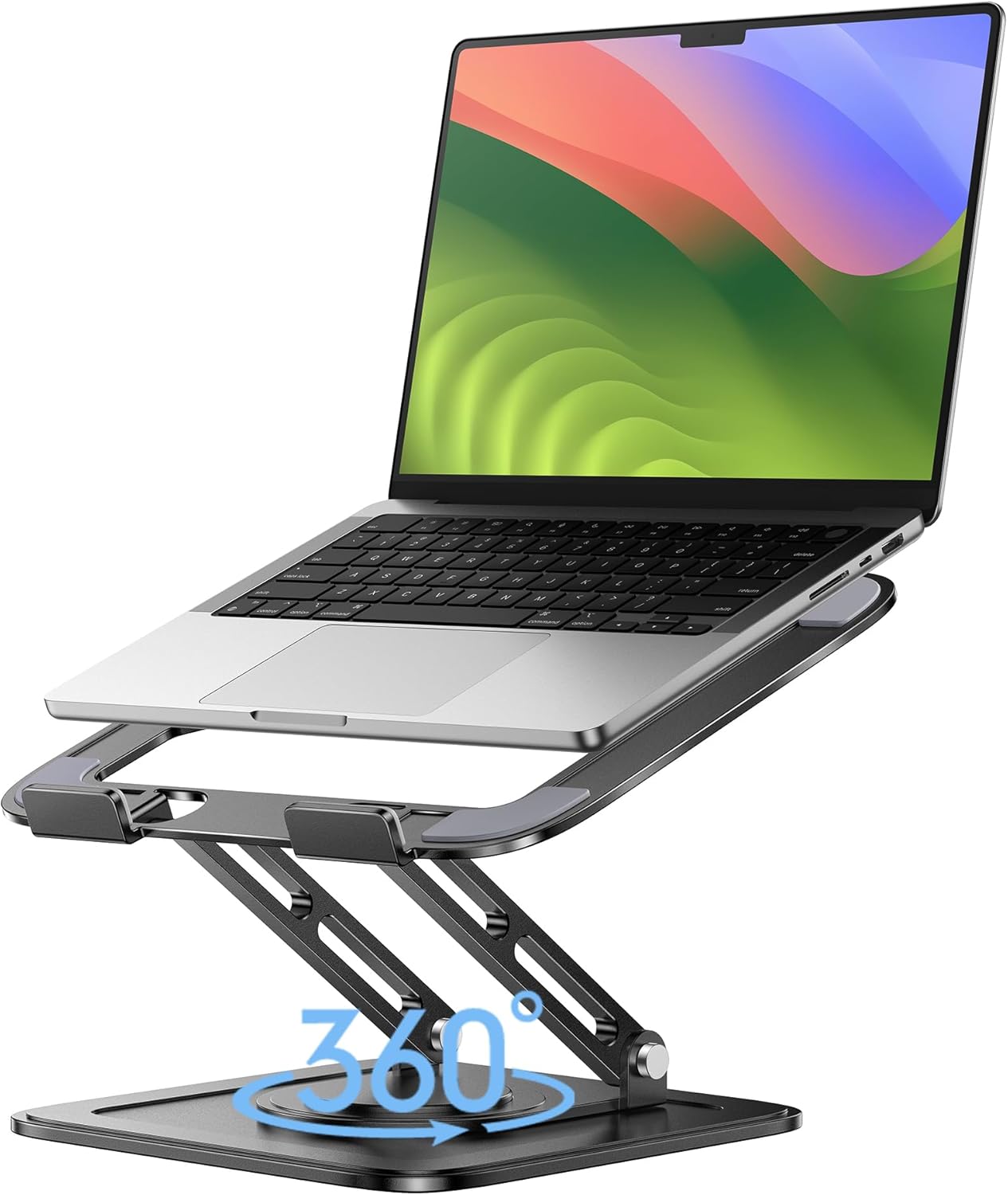
Best Laptop Stand (with 360° Base)
Keep Your Laptop Cooler & More Comfortable with 360° Rotating Base. Improve Airflow & Reduce Heat. Adjustable Height & Viewing Angle.
Shop on Amazon
Key Takeaways
- Most laptop audio not working issues stem from software misconfigurations like muted apps, wrong playback devices, or disabled audio services—fixable in under 15 minutes without opening your device.
- Test with external headphones or speakers to quickly determine if audio problems are hardware or software-related; if externals fail too, you’re dealing with a driver or settings issue.
- Restart Windows Audio and Windows Audio Endpoint Builder services through services.msc to instantly restore sound when these critical background processes stop running.
- Update or reinstall your Realtek High Definition Audio driver through Device Manager, as outdated drivers are a leading cause of laptop audio failure.
- Run the built-in Windows Audio Troubleshooter, disable audio enhancements, and verify the correct output device is selected in Sound settings before pursuing advanced fixes.
- Keep drivers updated quarterly and create System Restore points before major Windows updates to prevent future audio problems and ensure quick rollback options if needed.
Identifying Common Laptop Audio Problems
Typical Signs of Audio Issues
You’ll know something’s wrong when your laptop suddenly goes silent, produces crackling or distorted sound, or plays audio through the wrong output. Sometimes you’ll hear sound through headphones but nothing from internal speakers, or vice versa. Other times, the volume icon shows playback happening, but you hear absolutely nothing.
These symptoms can range from complete silence to intermittent crackling, one-sided audio, or sound that cuts in and out during video calls. The good news? Most of these signs point to fixable software glitches rather than blown hardware.
Differentiating Between Hardware and Software Causes
Before you jump into fixes, you need to figure out whether you’re dealing with a driver bug or a physical speaker failure. Software issues usually appear suddenly after a Windows update, driver installation, or settings change. Hardware problems tend to develop gradually, like a speaker that crackles for weeks before dying completely.
Here’s a simple test: plug in a pair of wired headphones or external speakers. If they work perfectly, your internal speaker hardware might be toast. If external audio also fails, you’re almost certainly dealing with a driver or settings issue. According to a Microsoft support thread, over 60% of “no sound” cases resolve with driver updates or service restarts.
“My laptop audio completely stopped after a Windows 11 update. Checked everything, then found the Realtek service had stopped running. Restarted it and boom, sound was back.” via r/Windows11
Understanding Common Laptop Audio Services
Windows relies on background services like Windows Audio and Windows Audio Endpoint Builder to route sound to your speakers. If these services crash or stop, your audio dies instantly, even if your drivers and hardware are perfect.
You can check service status in the Services app (search “services.msc” in the Start menu). Both Windows Audio and Windows Audio Endpoint Builder should show “Running” status. If they’re stopped, a simple restart often brings sound back immediately.
Quick Checks Before Advanced Troubleshooting
Checking Cables and Connections
If you’re using external speakers or headphones, inspect the cable and jack. A loose 3.5mm plug, a frayed wire, or a dirty headphone port can kill audio instantly. Unplug and replug firmly, you should feel a click.
For Bluetooth speakers, verify the pairing is active and the device shows “Connected” in Windows Bluetooth settings. Sometimes Windows routes audio to a previously paired device that’s no longer in range, leaving your laptop silent.
Verifying Volume Mixer and Mute Settings
Right-click the speaker icon in your taskbar and select “Open Volume mixer.” You’ll see individual sliders for system volume and each app. Make sure nothing’s muted and all sliders are above 50%.
Many laptops have a mute hotkey (often Fn + F-key with a speaker icon). It’s embarrassingly easy to hit this by accident. Tap it a few times and watch for an on-screen volume indicator.
Selecting the Correct Audio Output Device
Right-click the speaker icon and choose “Open Sound settings.” Under “Choose your output device,” you’ll see a dropdown listing all available playback devices, internal speakers, HDMI outputs, Bluetooth devices, and more.
If the wrong device is selected (like an unplugged monitor’s HDMI audio), your laptop stays silent. Switch to “Speakers (Realtek High Definition Audio)” or whichever entry matches your internal hardware.
Setting the Default Audio Device
In the same Sound settings panel, scroll down and click “More sound settings” to open the classic Sound control panel. Under the Playback tab, you’ll see all devices. Right-click your internal speakers and select “Set as Default Device.”
This forces Windows to route all audio through your built-in speakers unless you manually override it. A green checkmark should appear next to the default device.
Resolving Windows Software and Driver Related Issues
Running the Windows Audio Troubleshooter
Windows includes a surprisingly effective automated troubleshooter. Right-click the speaker icon, select “Troubleshoot sound problems,” and let Windows scan for issues. It usually takes under two minutes.
The troubleshooter can reset services, re-enable disabled devices, and fix registry misconfigurations automatically. According to How-To Geek, this tool resolves about 40% of common audio bugs without any manual intervention.
Restarting and Managing Audio Services
Press Win + R, type services.msc, and hit Enter. Scroll to “Windows Audio,” right-click it, and select “Restart.” Do the same for “Windows Audio Endpoint Builder.”
If a service won’t start, right-click it, choose “Properties,” and set Startup type to “Automatic.” Click Apply, then Start. These services are critical, if they’re stopped or disabled, your audio dies completely.
Disabling Audio Enhancements
Some laptops ship with audio enhancement software that can cause crackling, distortion, or complete silence. In Sound settings, click “Device properties” under your output device, then “Additional device properties.”
Switch to the “Enhancements” tab and check “Disable all enhancements.” Click Apply and test. For many users, this single checkbox instantly fixes weird audio glitches.
Updating or Reinstalling Audio Drivers
Press Win + X and select “Device Manager.” Expand “Sound, video and game controllers,” right-click your audio device (usually Realtek High Definition Audio), and choose “Update driver.”
Select “Search automatically for drivers.” If Windows finds nothing, visit your laptop manufacturer’s support site and download the latest audio driver manually. If updating doesn’t help, right-click the device again and choose “Uninstall device,” then restart your laptop. Windows will reinstall the driver automatically.
“I had zero sound for three days. Rolled back my Realtek driver in Device Manager and it came back instantly. The latest driver was buggy.” via r/techsupport
Check Device Manager for yellow exclamation marks next to your audio device, this signals a driver conflict or missing file. A fresh reinstall usually clears it.
Advanced Steps and Preventive Tips
Handling Persistent or Unusual Audio Issues
If you’ve tried everything and still have no sound, boot into Safe Mode (hold Shift while clicking Restart, then navigate to Troubleshoot > Advanced options > Startup Settings > Restart > press 4 for Safe Mode). If audio works in Safe Mode, a third-party app or driver is likely interfering.
Recent Windows updates sometimes break audio drivers. Check Windows Update history and Microsoft’s known issues page for patches or rollback guidance. You can also try System Restore to roll back to a point when audio worked.
For persistent crackling or one-sided sound, test with external USB speakers as a temporary workaround while you troubleshoot. If those fail too, the issue is definitely software-based.

Considering Hardware Limitations and BIOS Settings
Occasionally, audio hardware gets disabled in BIOS. Restart your laptop, press F2, F10, Del, or Esc (varies by manufacturer) to enter BIOS setup, and look for an “Audio Device” or “Onboard Audio” setting. Make sure it’s enabled.
If your laptop is several years old and speakers produce distorted, crackling, or one-sided sound even after driver fixes, you might be dealing with a blown speaker cone or loose internal connection. At that point, a quality USB DAC and desktop speakers can be a cost-effective permanent solution.

Tips to Prevent Future Audio Problems
- Keep Windows and drivers updated: Enable automatic updates and check your laptop manufacturer’s support page quarterly for new audio drivers.
- Avoid force-closing audio services: Let Windows manage services automatically unless you’re actively troubleshooting.
- Clean your headphone jack: Dust and lint can short connections. Use compressed air monthly.
- Create a System Restore point before major updates: This gives you a quick rollback option if an update breaks audio.
- Bookmark your laptop’s support page: You’ll have instant access to official drivers and BIOS updates.
According to 2026 support forum data, laptops running outdated Realtek drivers experience audio failures at nearly twice the rate of those with current drivers. A quarterly driver check takes five minutes and prevents most issues.
Expert Note: Many modern laptops use Class-D amplifiers that rely on precise digital signal processing. When a Windows update changes power management or sample rate defaults, the amplifier can enter a fault state. A service restart or driver reinstall resets the DSP pipeline, which is why these simple fixes often work instantly.
Comparison Table: Software vs. Hardware Audio Issues
| Symptom | Likely Software | Likely Hardware |
|---|---|---|
| Sudden silence after update | ✅ Yes | ❌ No |
| Crackling for weeks, then failure | ❌ No | ✅ Yes |
| External headphones also fail | ✅ Yes | ❌ No |
| Yellow mark in Device Manager | ✅ Yes | ❌ No |
| One speaker silent, other fine | ❌ No | ✅ Yes |
| Works in Safe Mode | ✅ Yes | ❌ No |
For a visual walkthrough of driver reinstallation, check out this helpful video:
With these steps, you should have your laptop audio back up and running. Most issues take under 15 minutes to fix once you know where to look. If you’ve exhausted every software fix and external audio also fails, it’s time to consult a professional, but for the vast majority of cases, you’ve got this.
Frequently Asked Questions
Why is the audio on my laptop not working?
Laptop audio problems usually stem from software issues: muted applications, wrong playback device selected, outdated drivers, or disabled audio services like Windows Audio. Test with external headphones—if they work, your internal speakers are fine and it’s a software issue.
How can I fix audio on my laptop without opening it?
Try these quick fixes: restart Windows Audio service via Services.msc, check Sound settings to select the correct output device, verify volume isn’t muted, disable audio enhancements, update Realtek audio drivers, and run Windows’s built-in audio troubleshooter. Most issues resolve within 15 minutes.
What does a yellow exclamation mark mean in Device Manager for audio?
A yellow exclamation mark next to your audio device indicates a driver conflict or missing file. Right-click the device, select ‘Uninstall device,’ restart your laptop, and Windows will automatically reinstall the driver, usually fixing the issue.
Why did my laptop audio stop after a Windows update?
Windows updates sometimes break or disable audio drivers or services. Check if Windows Audio service is running in Services.msc, update your Realtek drivers via Device Manager, or use System Restore to roll back to when audio worked. Microsoft’s known issues page lists current patches.
Can disabled audio enhancements cause laptop audio problems?
Yes. Some laptops ship with audio enhancement software that causes crackling, distortion, or silence. Go to Sound settings, select your output device, click ‘Device properties,’ then ‘Enhancements’ tab, and check ‘Disable all enhancements’ to fix it.
How do I know if my laptop’s audio problem is hardware or software?
Plug in external headphones or speakers. If they work perfectly, you have a software issue. If external audio also fails, it’s definitely software-related. Hardware problems develop gradually over weeks; software issues appear suddenly after updates or settings changes.
Read More:
- Trackpad Laptop Not Working? Here’s the 7 Simple and Quick DIY Fixes
- Corsair Keyboard Locked (Here’s the Step-by-Step Troubleshooting Guide)
- ASUS Laptop Keyboard Not Working (Here’s the Quick and Simple DIY Fixes)
- Numbers on Keyboard Not Working? Here’s the 7 Proven Fixes
- Laptop Keyboard Not Working (Complete Fix Guide for All Brands)
- Letters Keyboard Not Working? 7 Proven Fixes to Get You Typing Again