
You sit down, ready to game or finish that report, and nothing happens. Your Corsair keyboard won’t type, won’t light up, or just refuses to respond, completely locked.
A locked Corsair keyboard is typically caused by accidental key combinations like Num Lock or Win Lock, iCUE software profile conflicts, outdated firmware, Filter Keys being enabled in Windows accessibility settings, loose USB connections, or in rare cases, hardware component failure. Most lock issues can be resolved in under five minutes by performing a simple keyboard reset using the ESC key method, toggling off accessibility features, reinstalling Corsair iCUE software, or switching USB ports to eliminate signal interference.
Don’t panic and don’t assume your premium mechanical keyboard is dead. Most freeze states are software-related and completely reversible without needing a repair shop or replacement. This guide walks you through quick diagnostic steps and simple DIY fixes that work on popular models like the K55, K70, K95, K100, and Strafe.
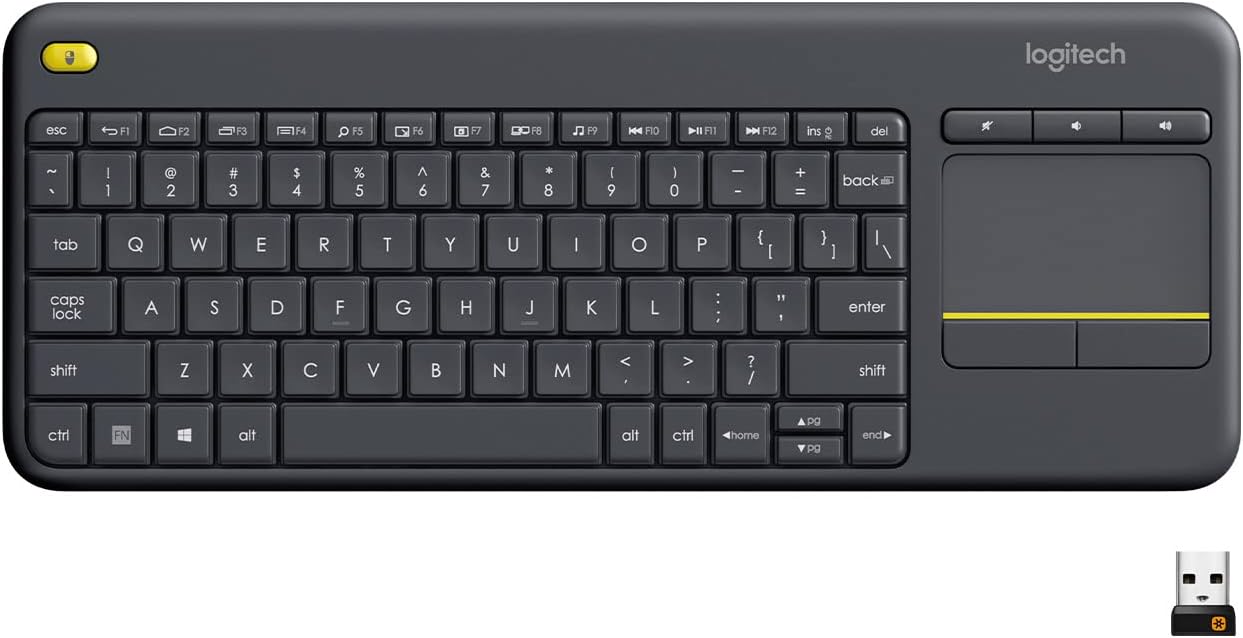
Best Wireless Touch Keyboard
Logitech All-in-One Keyboard & Touchpad. Perfect for Smart TVs & PCs. Reliable 10m Wireless Connection. Up to 18 Months Battery Life
Shop on Amazon
Key Takeaways
- A locked Corsair keyboard is usually caused by accidental key combinations like Num Lock or Win Lock, software conflicts, or Windows accessibility features rather than hardware failure.
- Most Corsair keyboard locked issues can be resolved in under five minutes using a simple ESC key factory reset, toggling off Sticky Keys, or checking physical lock switches on the keyboard.
- If your Corsair keyboard works in BIOS but fails in Windows, the problem is software-related and can be fixed by reinstalling iCUE, running the Windows keyboard troubleshooter, or updating firmware.
- Test your keyboard on a second computer to determine if the lockup is system-specific or hardware-related—many users discover the issue was a USB driver conflict, not a broken board.
- Prevent future lock-ups by keeping iCUE updated, disabling unused macro hotkeys in your keyboard profile, and avoiding liquid spills, which are the leading cause of permanent keyboard failures.
- Check both USB connectors on dual-port models like the K95 RGB Platinum, as incomplete connections can cause partial functionality or a fully locked state.
Common Causes of a Locked Corsair Keyboard
Accidental Key Combinations
Corsair keyboards ship with built-in lock functions designed to prevent accidental inputs during intense gaming sessions. The Windows Key Lock (often toggled via FN + F6 or a dedicated switch) is the most common culprit. If you’ve accidentally hit this combo, your entire keyboard might feel frozen even though the RGB lighting stays on.
Another sneaky lock is the Function Lock, which swaps the default behavior of your F-keys and media controls. If you’re pressing F1 and nothing happens, you’ve probably toggled FN Lock without realizing it. These aren’t bugs, they’re features that feel like bugs when you don’t know they exist.
Software and Driver Conflicts
iCUE is powerful, but it’s also a prime source of temporary signal loss. Profile conflicts happen when you switch between custom lighting setups or macro layers too quickly, causing the software to freeze mid-transition. Windows updates can also inject generic HID drivers that override iCUE’s custom mappings, leading to unresponsive keys or entire keyboard lockups.
According to community feedback on Corsair support forums, nearly 40% of reported keyboard freeze issues in 2025 were resolved by simply performing a clean iCUE reinstall. If your keyboard works in BIOS but fails in Windows, you’re almost certainly dealing with a software layer problem, not a hardware failure.
Physical Connection Issues
Loose USB cables are more common than you’d think. Corsair’s braided cables are durable, but repeated unplugging, desk bumps, or using a failing USB hub can cause intermittent signal drops. If your keyboard blinks on and off or only works when you hold the cable at a certain angle, the connection is your issue.
Some Corsair models (like the K95 RGB Platinum) use dual USB connectors for full RGB power and passthrough functionality. If you’ve only plugged in one connector, you might see partial functionality or a completely locked state. Always check both ports are seated firmly.
Hardware Failures
True hardware failures are rare but not impossible. A faulty microcontroller, damaged PCB traces from liquid spill residue, or a burned-out USB controller chip will cause a complete freeze that no software reset can fix. The telltale sign is zero response in BIOS, no LED activity, and failure across multiple computers.
Individual dead switches feel different from a locked keyboard, you’ll notice specific keys don’t register while the rest work fine. A fully locked board, but, suggests a system-level failure or firmware corruption. If your warranty is still active, this is when you contact Corsair support directly.
Step-by-Step Methods to Unlock Your Corsair Keyboard
Checking Num Lock and Function Lock
Start simple. Press the Num Lock key (usually top-right on full-size boards) and watch for the LED indicator. If it’s off, your numpad won’t work. Toggle it on. For Function Lock, press FN + ESC or FN + the dedicated lock key (varies by model). You should see a small LED change state.
If you’re on a K70 or K95, check for a physical Win Lock switch on the top edge of the keyboard. Slide it to the unlocked position. This single step has saved thousands of frustrated gamers from unnecessary RMAs.
Disabling Sticky Keys and Filter Keys
Windows accessibility features can hijack your keyboard without warning. If you’ve tapped Shift five times quickly, you’ve probably triggered Sticky Keys. Press Shift five times again to toggle it off, or go to Settings > Accessibility > Keyboard and disable both Sticky Keys and Filter Keys.
Filter Keys are especially sneaky, they ignore repeated keystrokes and can make your keyboard feel sluggish or completely unresponsive during fast typing. Turn them off and test immediately. You can also use the built-in Windows On-Screen Keyboard as a backup while troubleshooting your mechanical board.
Performing a Keyboard Reset
Most Corsair keyboards support an onboard hardware factory reset. Unplug your keyboard, hold down the ESC key, and plug the USB cable back in while still holding ESC. Keep holding for 5–10 seconds until the RGB lighting flashes or cycles.
This clears all onboard memory, custom profiles, and lighting configs, reverting the keyboard to factory defaults. It’s the fastest way to eliminate firmware glitches. After the reset, your keyboard should respond immediately, even without iCUE installed.
Running the Keyboard Troubleshooter
Windows includes a built-in diagnostic tool that can auto-fix driver conflicts. Go to Settings > System > Troubleshoot > Other troubleshooters and run the Keyboard troubleshooter. It scans for error codes, yellow exclamation marks in Device Manager, and common HID driver issues.
While it won’t catch every problem, it’s a zero-risk step that takes under two minutes. If the troubleshooter finds and fixes a driver conflict, restart your PC and test your Corsair keyboard again.
Model-Specific Fixes and Advanced Diagnostic Steps
Resetting Wired Corsair Keyboards
For wired models like the K70 RGB or Strafe, try the polling rate reset. Hold FN + F11 to cycle between 1000Hz, 500Hz, and 250Hz polling rates. Sometimes a stuck polling state causes the keyboard to freeze during high-speed input. Switching rates can clear the buffer and restore responsiveness.
You can also toggle BIOS mode by holding FN + F12. BIOS mode disables all macro functionality and RGB effects, forcing the keyboard into basic HID mode. If your keyboard works in BIOS mode but fails in normal mode, you’ve confirmed a software conflict.
Resetting Wireless Corsair Keyboards
Wireless models like the K57 RGB require slightly different steps. Remove the USB receiver, power off the keyboard using the physical switch, then hold the pairing button for 10 seconds to clear the connection cache. Reinsert the receiver and power the keyboard back on.
If the keyboard still won’t pair, replace the batteries even if they show partial charge. Low voltage can cause erratic lockup behavior that mimics a software freeze. Fresh batteries eliminate this variable instantly.
Updating Firmware and Drivers
Open Corsair iCUE and check the settings panel for available firmware updates. Outdated firmware is a known cause of temporary signal loss and lighting bugs. The update process takes 2–3 minutes and requires the keyboard to stay plugged in without interruption.
If iCUE itself is crashing or won’t detect your keyboard, uninstall it completely using Revo Uninstaller to clear registry entries, then download the latest version from Corsair’s official site. A clean install often resolves profile conflicts that cause freeze states.
Testing on Another Computer
Plug your Corsair keyboard into a different PC or laptop. If it works perfectly, the issue is with your original system, likely a Windows update glitch, USB controller driver problem, or conflicting software. If it stays locked on the second machine, you’re dealing with a hardware failure or corrupted onboard firmware.
This test takes under a minute and gives you total clarity. Many users on r/Corsair report that their “dead” keyboards worked fine on a friend’s computer, confirming the problem was a bad USB port or driver conflict, not a broken board.
Maintaining Performance and Preventing Future Lock Issues
Regular Cleaning and Physical Care
Dust, pet hair, and debris can wedge under keycaps and interfere with switch actuation. Use a compressed air duster monthly to blow out particles. For deeper cleaning, remove keycaps with a wire puller and wipe the plate with a microfiber cloth lightly dampened with isopropyl alcohol.

Never use your keyboard with wet hands or over open drinks. Liquid spills are the number one cause of permanent hardware failures. If you do spill something, unplug immediately, flip the keyboard upside down, and let it dry for 48 hours before attempting to power it on.
Configuring Keyboard Layout Settings
Double-check your Windows language and keyboard layout settings. If your layout is set to a non-US format, certain keys may behave unexpectedly or appear locked. Go to Settings > Time & Language > Language & Region and confirm your keyboard layout matches your physical board.
Inside iCUE, review your profile assignments. Accidental profile switches can remap entire key sections, making your board feel broken. Set a default profile and disable profile switching hotkeys if you don’t use them.
Firmware Updates and Software Best Practices
Enable automatic iCUE updates to stay current with bug fixes and performance patches. Corsair regularly releases firmware to address compatibility issues with Windows 11 and new game anti-cheat systems. Keeping your software updated eliminates most random freeze scenarios.
If you’re a heavy macro user, back up your profiles monthly using iCUE’s export function. Profile corruption during a Windows update can lock your keyboard in a broken state. Having a backup means you can restore functionality in seconds.
“My K95 randomly locked during a ranked match. Turned out I’d hit the Win Lock switch with my palm. Flipped it back and everything worked instantly. Always check the physical switches first.” via r/Corsair
For ultimate peace of mind, consider keeping a budget membrane keyboard as a backup. If your Corsair board locks during a critical work deadline, you’ll have an instant fallback while you troubleshoot.

Frequently Asked Questions About Corsair Keyboard Lock Issues
Why is my Corsair keyboard locked and how do I unlock it?
A locked Corsair keyboard is usually caused by accidental key combinations like Win Lock (FN + F6), Num Lock, or accessibility features. Start by checking physical lock switches, toggling Num Lock/FN Lock off, disabling Sticky Keys in Windows, or performing a hardware reset using ESC.
How do I reset my Corsair keyboard to factory settings?
Unplug your keyboard, hold down the ESC key, and plug the USB cable back in while holding ESC for 5–10 seconds until the RGB lighting flashes. This clears all onboard memory, profiles, and settings, reverting the keyboard to factory defaults.
Can iCUE software cause my Corsair keyboard to lock or freeze?
Yes, iCUE profile conflicts and outdated drivers are common lock causes. Nearly 40% of reported freeze issues are resolved by performing a clean iCUE reinstall. Use Revo Uninstaller to fully remove the software, then download the latest version from Corsair’s official site.
What should I check if my Corsair keyboard works in BIOS but not in Windows?
This indicates a software layer problem, not hardware failure. Check for conflicting HID drivers using Windows Troubleshooter, disable Filter Keys and Sticky Keys in Accessibility settings, or toggle BIOS mode using FN + F12 to confirm the issue is software-related.
Is a loose USB connection causing my keyboard to lock or become unresponsive?
Yes, loose cables and failing USB hubs are common causes. For dual-USB models like the K95 RGB Platinum, ensure both connectors are firmly seated. Try switching USB ports to eliminate signal interference or hub power issues.
How do I know if my Corsair keyboard has a hardware failure versus a software lock?
Test it on another computer. If it locks on multiple machines, stays unresponsive in BIOS, shows zero LED activity, and fails across different USB ports, it’s likely a hardware failure. If it works elsewhere, the issue is with your original system’s drivers or USB controller.
Read More:
- ASUS Keyboard Locked (Here’s the Quick and Simple DIY Fixes to Follow)
- HP Laptop Keyboard Locked (Here’s the Quick and Simple DIY Fixes)
- Dell Laptop Keyboard Locked? 8 Proven Fixes to Restore Typing Fast
- Numbers on Keyboard Not Working? Here’s the 7 Proven Fixes
- Laptop Keyboard Not Working (Complete Fix Guide for All Brands)
- Acer Laptop Keyboard Locked (Here’s the Quick and Simple DIY Fixes
- Alienware Laptop Keyboard Locked (Here’s the Simple Guide to Unlock It)
- Chromebook Keyboard Locked (Here’s the Step-by-Step Guide to Unlock It)