
You boot up your ASUS laptop ready to finish that assignment or reply to urgent emails, and suddenly, nothing. The keyboard won’t respond. Keys feel dead. Panic sets in. You’re stuck at a login screen or halfway through a document with zero ability to type.
An ASUS keyboard locked issue is typically caused by accidental activation of accessibility features like Filter Keys, outdated or corrupted keyboard drivers in Device Manager, or a simple Windows software glitch that temporarily freezes input signals, and in most cases, you can fix it yourself in under ten minutes using a quick settings check, a driver rollback, or a straightforward system reboot without ever touching a screwdriver or visiting a repair shop.
This guide walks you through the entire diagnostic process, from the simplest software toggles and driver updates to smart workarounds like the on-screen keyboard and external USB testing, so you can get back to typing fast, confidently, and without wasting money on unnecessary repairs.
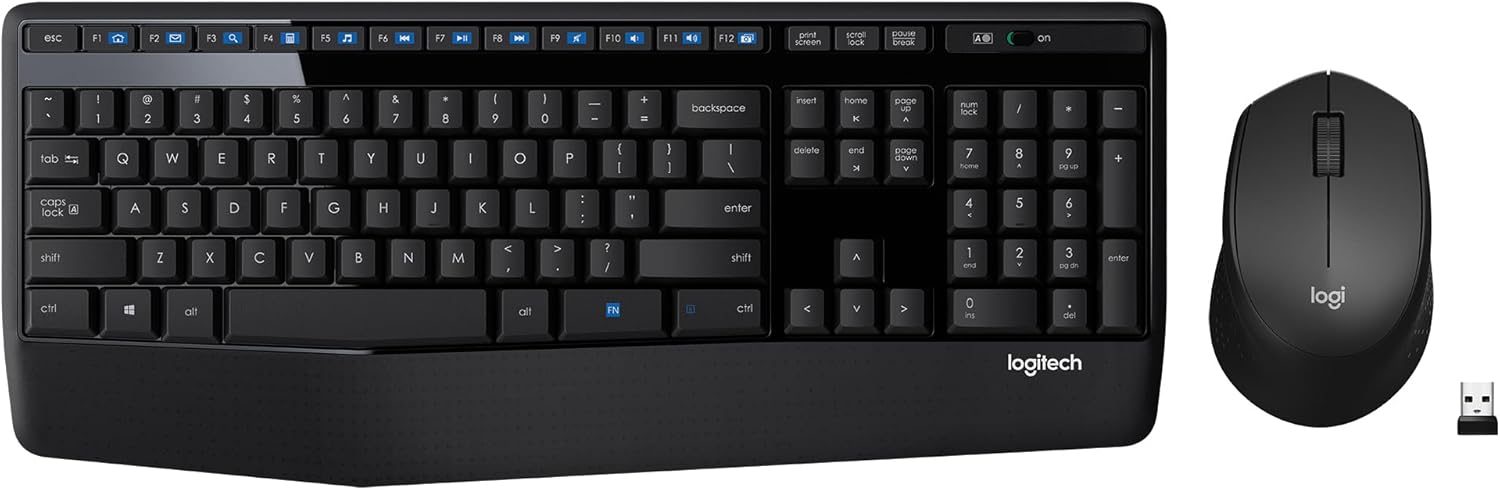
Best Wireless Keyboard and Mouse Combo
Logitech Comfortable Full-Size Keyboard with Palm Rest. Reliable 2.4GHz Wireless Connection up to 10m. Long Battery Life for Everyday Productivity.
Shop on Amazon
Key Takeaways
- An ASUS keyboard locked issue is usually caused by accessibility features, outdated drivers, or Windows glitches and can be fixed in under 10 minutes without professional help.
- Check for accidentally activated Fn Lock, Sticky Keys, Filter Keys, or Toggle Keys in Settings > Ease of Access and disable the keyboard shortcuts that trigger them.
- Test your keyboard in Safe Mode and with an external USB keyboard to determine whether the problem is software-related or hardware-related.
- Update or rollback your keyboard driver through Device Manager, or perform a hard reset by draining residual power to fix stubborn input lockups.
- If the keyboard works in BIOS but not Windows, the issue is software or driver-related; if an external keyboard works but the built-in doesn’t, it’s likely a loose ribbon cable or failed hardware.
Underlying Reasons for Asus Laptop Keyboard Malfunctions
Accidental Key Combinations and Accessibility Settings
Windows accessibility features are designed to help users with motor challenges, but they can accidentally lock your keyboard if you press the wrong combination. Filter Keys, Sticky Keys, and Toggle Keys all pop up with quiet notification prompts that many users dismiss without reading. Once enabled, these features alter how your keyboard interprets input, delaying keystrokes, ignoring repeated presses, or disabling keys entirely until you hold them for several seconds. It feels like your keyboard died, but it’s just Windows being overly helpful.
You might trigger Filter Keys by holding Shift for eight seconds or Sticky Keys by tapping Shift five times rapidly. ASUS laptops often ship with pre-configured accessibility shortcuts enabled by default. If you’re a fast typist or gamer, you’ve probably activated one of these modes without realizing it. The good news? They’re easy to turn off once you know where to look. Check your notification tray for a small popup or head straight into Settings > Ease of Access > Keyboard to disable them all.
Driver Conflicts and Software Glitches
Your keyboard talks to Windows through a small piece of software called a driver. When that driver gets corrupted during a Windows update, conflicts with third-party software, or simply goes out of date, your keyboard stops communicating. Device Manager might show a yellow exclamation mark next to “Standard PS/2 Keyboard” or “HID Keyboard Device,” signaling a driver failure. Sometimes Windows Update pushes a faulty driver automatically, and your keys stop responding overnight.
Driver conflicts are especially common after major Windows feature updates or when you install gaming peripherals, third-party keyboard remapping tools, or system optimization software. These programs can hijack keyboard input and create signal loss. A quick check in Device Manager, looking for error codes, missing drivers, or outdated timestamps, can reveal the culprit. Rolling back or reinstalling the driver usually restores full functionality within minutes.
Physical and Built-In Keyboard Issues
Not every locked keyboard is a software problem. Physical issues like stuck keys, liquid spills, crumb buildup, or a loose internal ribbon cable can mimic a total lockout. If only certain keys fail while others work fine, you’re likely dealing with dirt under the keycaps or a damaged membrane. If the entire keyboard is unresponsive and an external USB keyboard works perfectly, the issue is hardware, either a disconnected flex cable inside the laptop or a failed keyboard controller.
“My ASUS VivoBook keyboard just stopped working after I spilled a tiny bit of water near the touchpad. External keyboard works fine, so I know it’s not the motherboard.” via r/ASUS
A loose ribbon cable is fixable if you’re comfortable opening the bottom panel, but it requires patience and a precision screwdriver.

For sticky keys or crumb jams, compressed air is your best friend. Flip the laptop upside down, spray between the keys at an angle, and gently tap the chassis to dislodge debris. If keys remain sticky after cleaning, the membrane layer underneath might be damaged, which often requires a full keyboard replacement.

Immediate Solutions to Regain Keyboard Functionality
Function Lock and Hotkey Toggles
Many ASUS laptops include a Function Lock (Fn Lock) that swaps the behavior of your function keys. If you accidentally press Fn + Esc or Fn + Num Lock, your keyboard might seem locked when it’s really just remapped. On some models, Fn + F11 or Fn + F12 toggles keyboard input on and off entirely, a feature designed for presentation mode that users trigger by mistake.
Check your keyboard for a small padlock icon on one of the function keys. Press Fn plus that key to toggle it. Also try Fn + Num Lock if your number keys suddenly type letters instead of digits (common on compact ASUS models with embedded numeric keypads). These toggles are instant fixes that take two seconds and solve a surprising number of “locked” keyboard complaints.
Disabling Filter Keys, Sticky Keys, and Toggle Keys
Head to Settings > Ease of Access > Keyboard (or Settings > Accessibility > Keyboard on Windows 11). Turn off:
- Sticky Keys: Allows modifier keys to stay active without holding them
- Filter Keys: Ignores brief or repeated keystrokes
- Toggle Keys: Plays a sound when you press Caps Lock, Num Lock, or Scroll Lock
Disable the keyboard shortcuts that activate these features so you don’t accidentally re-enable them. Uncheck “Allow the shortcut key to start Sticky Keys” and similar options. Restart your laptop after making changes to ensure Windows applies the new settings system-wide.
Simple Restarts and Device Checks
A full reboot clears temporary software glitches and refreshes driver communication. Before you restart, try these quick checks:
- Use the on-screen keyboard (search “osk” in the Start menu) to test if Windows is receiving input at all. If the virtual keyboard works, your issue is hardware. If it’s also frozen, it’s a deeper Windows problem.
- Boot into Safe Mode (hold Shift while clicking Restart, then go to Troubleshoot > Advanced > Startup Settings > Restart > press 4 for Safe Mode). If your keyboard works in Safe Mode, a third-party app or driver is causing the conflict.
- Perform a hard reset: Shut down completely, unplug the charger, remove the battery (if removable), hold the power button for 30 seconds to drain residual power, then reconnect and boot. This clears the Embedded Controller (EC) and often fixes bizarre input lockups.
“Keyboard randomly locked up after sleep mode. Hard reset (power drain) fixed it instantly. No driver updates needed.” via r/ASUS
Advanced Troubleshooting and Repair Steps
Update or Reinstall Keyboard Driver
Open Device Manager (right-click Start > Device Manager), expand Keyboards, right-click your keyboard device (usually “Standard PS/2 Keyboard” or “HID Keyboard Device”), and select Update driver. Choose “Search automatically for drivers.” If Windows finds nothing new, try Uninstall device instead, then restart. Windows will reinstall the driver from scratch, often fixing corruption.
If the problem started after a recent Windows update, click the driver in Device Manager, go to the Driver tab, and select Roll Back Driver (if available). This reverts to the previous working version. You can also visit the ASUS support site to download the latest official keyboard or chipset drivers for your specific model.
For stubborn cases, try Driver Booster or a similar tool to scan for outdated drivers across all hardware. Many users report success after updating chipset and USB controller drivers alongside the keyboard driver.
BIOS, Layout, and Language Settings Adjustments
Sometimes your keyboard isn’t locked, it’s just misconfigured. Check your language and keyboard layout in Settings > Time & Language > Language. If Windows switched from US QWERTY to another layout, keys will produce unexpected characters, making it seem broken.
Restart your laptop and enter the BIOS (press F2, Delete, or Esc during boot, watch the startup screen for the correct key). In BIOS:
- Confirm the built-in keyboard is enabled
- Look for “Internal Pointing Device” or “Onboard Devices” settings and ensure keyboard support isn’t disabled
- Reset BIOS to default if you suspect a bad setting (usually F9, then F10 to save)
If your keyboard works in BIOS but not in Windows, the issue is definitely software or driver related, not hardware.
External Keyboard and Hardware Assessment
Plug in a USB keyboard. If it works flawlessly, your built-in keyboard is either disconnected internally or physically damaged. This confirms a hardware issue and rules out Windows or driver problems. You can use a USB or Bluetooth keyboard as a permanent workaround, or invest in a quality external setup like the Logitech K380 for portability.

If you’re comfortable with basic disassembly, search YouTube for “[your ASUS model] keyboard replacement” to see how to open the bottom panel and reseat the ribbon cable. Before opening your laptop, power it off completely, unplug it, and ground yourself to avoid static discharge. Many ASUS models use a single ZIF connector for the keyboard, gently lifting the latch and reseating the cable can restore full function.
If keys still don’t work after reseating, the keyboard itself is likely dead and needs replacement. Replacement keyboards for ASUS laptops typically cost $20–$50 on Amazon or eBay. Installation is straightforward if you follow a video guide carefully.
Prevention Tips and When to Seek Professional Help
Routine Maintenance and Cleaning
Prevent future lockups with simple habits:
- Clean weekly with compressed air to remove dust and crumbs
- Keep liquids away from your laptop, one spill can short the keyboard membrane
- Update Windows regularly to avoid driver conflicts from skipped patches
- Run Windows Update troubleshooter monthly (Settings > Update & Security > Troubleshoot > Windows Update) to catch glitches early
Consider a silicone keyboard cover if you eat or drink near your laptop. They’re inexpensive, easy to clean, and can extend keyboard life significantly.
Avoiding Accidental Activation of Accessibility Features
Disable the keyboard shortcuts that trigger Sticky Keys and Filter Keys in Settings > Ease of Access. Train yourself not to hold Shift or tap it repeatedly during gaming or fast typing. If you share your laptop, warn other users about these shortcuts so they don’t accidentally lock the keyboard and blame you for a “broken” machine.
Recognizing Signs of Hardware Failure
| Symptom | Likely Cause | Action |
|---|---|---|
| Entire keyboard dead, external works | Loose ribbon cable or failed controller | Reseat cable or replace keyboard |
| Random keys work, others don’t | Dirt, liquid damage, or worn membrane | Clean with compressed air: replace if sticky |
| Keyboard works in BIOS, not Windows | Driver conflict or software issue | Update/reinstall driver, check Safe Mode |
| All input devices frozen | System crash or OS corruption | Hard reset, Safe Mode, or Windows repair |
If you’ve tried every software fix and the hardware tests point to a failed keyboard or loose cable, it’s time to consult a professional or order a replacement part. DIY keyboard swaps are doable for most ASUS models, but if you’re uncomfortable opening your laptop, a local repair shop can handle it in under an hour for a reasonable labor fee.
For persistent issues, check the ASUS support forums or reach out to ASUS customer service, especially if your laptop is still under warranty. They can run remote diagnostics and sometimes issue replacements for known defects.
Frequently Asked Questions
What causes an ASUS keyboard locked issue?
An ASUS keyboard locked issue is typically caused by accidental activation of accessibility features like Filter Keys or Sticky Keys, outdated keyboard drivers, Windows software glitches, or physical problems such as loose internal ribbon cables or liquid damage. Most cases are software-related and fixable without professional help.
How do I fix my ASUS keyboard not responding in Windows?
Start by disabling accessibility features in Settings > Ease of Access > Keyboard. Try pressing Fn + Esc to toggle Function Lock, restart your laptop, or check Device Manager for driver issues. If the on-screen keyboard works, the problem is hardware; if not, try Safe Mode boot to identify conflicting software.
Can I fix an ASUS keyboard locked issue myself without opening the laptop?
Yes, most software fixes work without opening your laptop. Try disabling Sticky Keys and Filter Keys, rolling back keyboard drivers, performing a hard reset by draining power for 30 seconds, or using compressed air to clean debris. Only open the laptop if tests confirm a loose ribbon cable.
What should I do if my ASUS keyboard works in BIOS but not in Windows?
This indicates a software or driver issue, not hardware failure. Update or reinstall your keyboard driver from Device Manager, check your language and keyboard layout settings, boot into Safe Mode to identify conflicting software, or perform a Windows repair if other fixes fail.
How do I know if my ASUS keyboard has a hardware problem or software problem?
Test with an external USB keyboard. If it works perfectly, your built-in keyboard is hardware-damaged or disconnected. If the external keyboard also fails, it’s a software issue. Additionally, if your keyboard functions in BIOS or Safe Mode, the problem is definitely software-related.
Is it safe to replace an ASUS keyboard myself, and how much does it cost?
Yes, replacement keyboards are straightforward if you follow video guides. Ensure you’re powered off, unplugged, and grounded before opening. Replacement keyboards cost $20–$50 online. If uncomfortable disassembling, local repair shops typically charge a reasonable labor fee for installation in under an hour.
Read More:
- Numbers on Keyboard Not Working? Here’s the 7 Proven Fixes
- ASUS Laptop Keyboard Not Working (Here’s the Quick and Simple DIY Fixes)
- Laptop Keyboard Not Working (Complete Fix Guide for All Brands)
- Letters Keyboard Not Working? 7 Proven Fixes to Get You Typing Again
- ASUS ROG Laptop Keyboard Not Working? Here’s the 7 Quick DIY Fixes
- ASUS VivoBook Laptop Keyboard Not Working (Here’s the Quick DIY Fixes)
- ASUS Laptop Keyboard Not Working After Sleep (Quick DIY Fixes)